Utricularia vulgaris L.
Species sheet, updated on 30/10/2026.
At a glance
| Scientific name | Utricularia vulgaris Linnaeus, 1753 |
| Common names | Greater bladderwort; in French “utriculaire commune”, “grande utriculaire” |
| Family | Lentibulariaceae (section Utricularia) |
| Distribution | Europe and Asia |
| Habitat | Still waters (free-floating aquatic) |
| Status | Least concern (IUCN, 2014) |
Photos in the wild
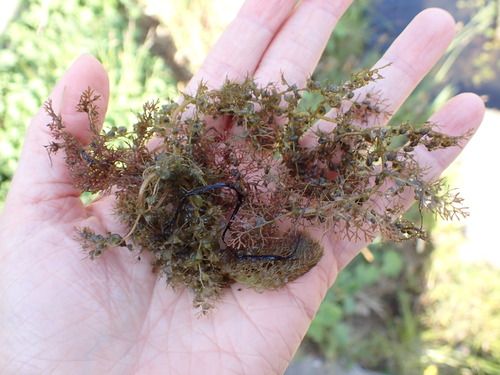
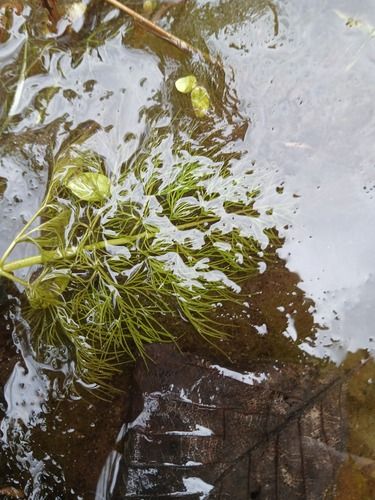
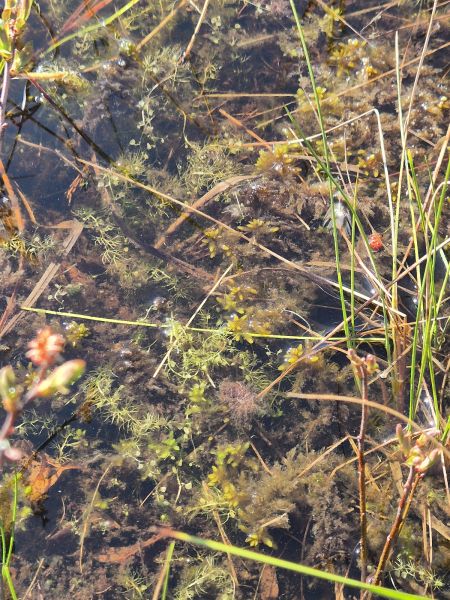
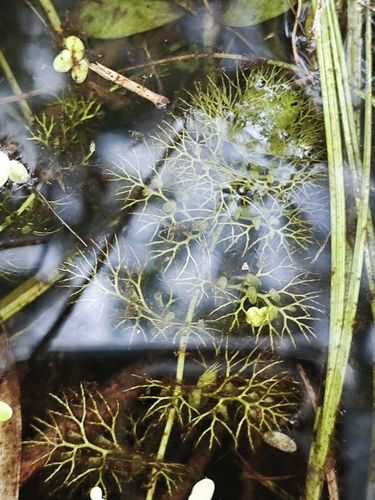
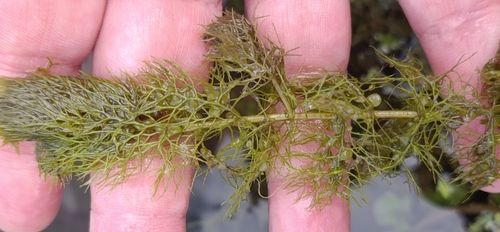
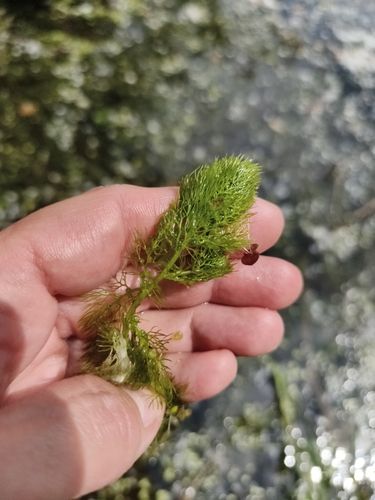
Etymology
- Utricularia: see the genus sheet.
- vulgaris: from the Latin, “common”.
Description (how to recognise it)
- A free-floating aquatic plant without roots: its stems can grow more than a metre in one season.
- Finely divided leaves, 1 to 8 cm long, bearing numerous bladder traps.
- Yellow flowers held above the water, from April to August.
- In winter, the stems die back and leave turions, resting buds that sink to the bottom.
Distribution
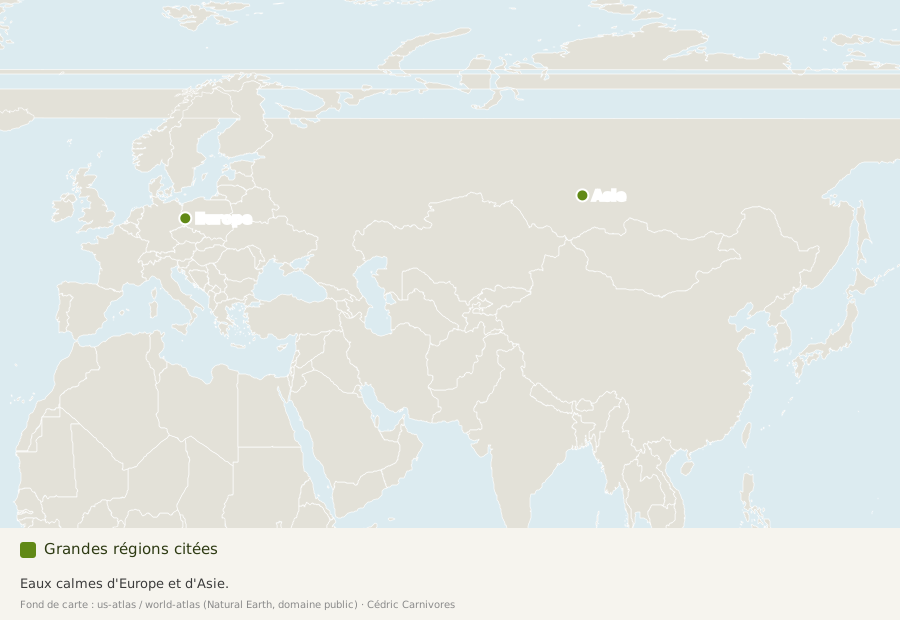
Europe and Asia. In East Asia and North America, it is replaced by a close relative, U. macrorhiza. According to Kew's world plant list (WCVP), it is native in 57 regions of the world (see the map and the Kew source).
Habitat
Grenier and Godron (1850) record it in ponds and stagnant waters, especially in peat bogs; its flowers, “a beautiful yellow with orange streaks on the palate”, appear from June to August.
Sources
- Wikipedia (English), Utricularia vulgaris: Linnaeus 1753, names, description, turions, flowering, range, U. macrorhiza, status.
- Kew, World Checklist of Vascular Plants (via GBIF): natural distribution.
- Grenier and Godron, Flore de France II: Lentibulariées, 1850 (archive.org): description and habitats.