Drosera derbyensis Lowrie
Species sheet, updated on 30/10/2026.
At a glance
| Scientific name | Drosera derbyensis Allen Lowrie, 1996 |
| Family | Droseraceae (subgenus and section Lasiocephala: the “petiolaris” sundews of northern Australia) |
| Distribution | From Derby to Beverley Springs, Kimberley (Western Australia) |
| Habitat | Sands of floodplains or near rock outcrops |
| Status | Least concern (LC) on the IUCN Red List |
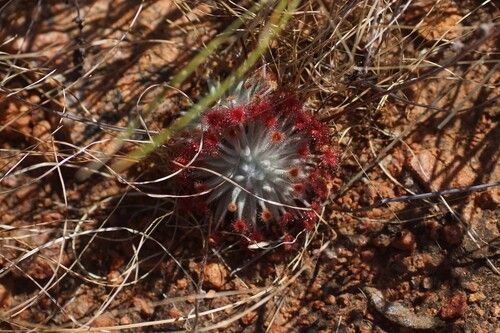
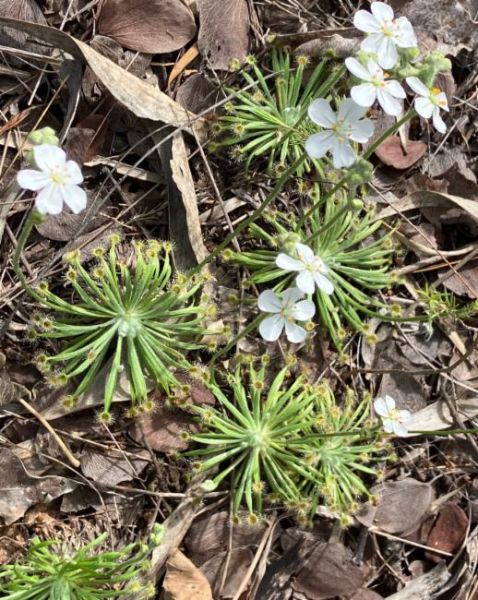
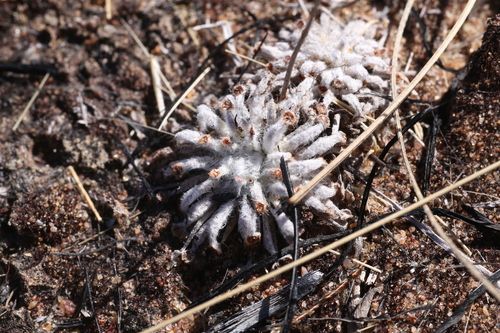
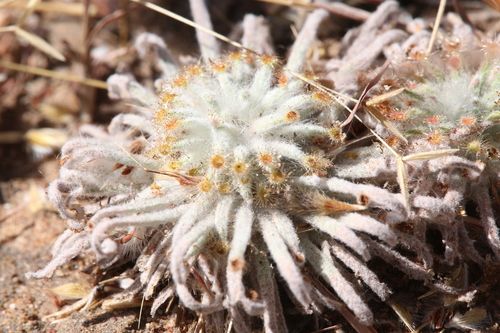
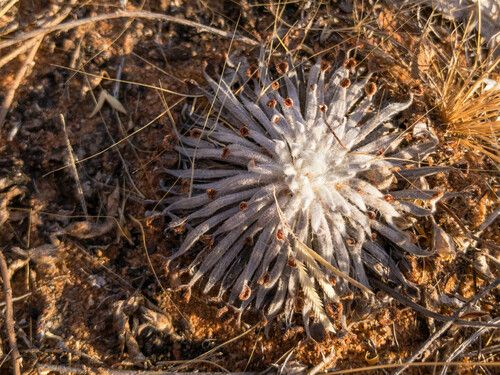
Photos in the wild
Etymology
- Drosera: see the genus sheet.
- derbyensis: from the Derby area, in the Kimberley.
History of the description
- Specimens exist from as early as 1971; Allen Lowrie noticed the plant near Derby in 1988.
- 5 June 1995: the type specimen is collected at the Silent Grove campground.
- 1996: description.
Description (how to recognise it)
- Perennial plant forming rosettes, with fibrous roots.
- Petioles covered in woolly white hairs, unbranched; round trap blade of 2 to 3 mm.
- Raceme of 25 to 35 cm bearing 30 to 50 white flowers, from March to June.
Distribution
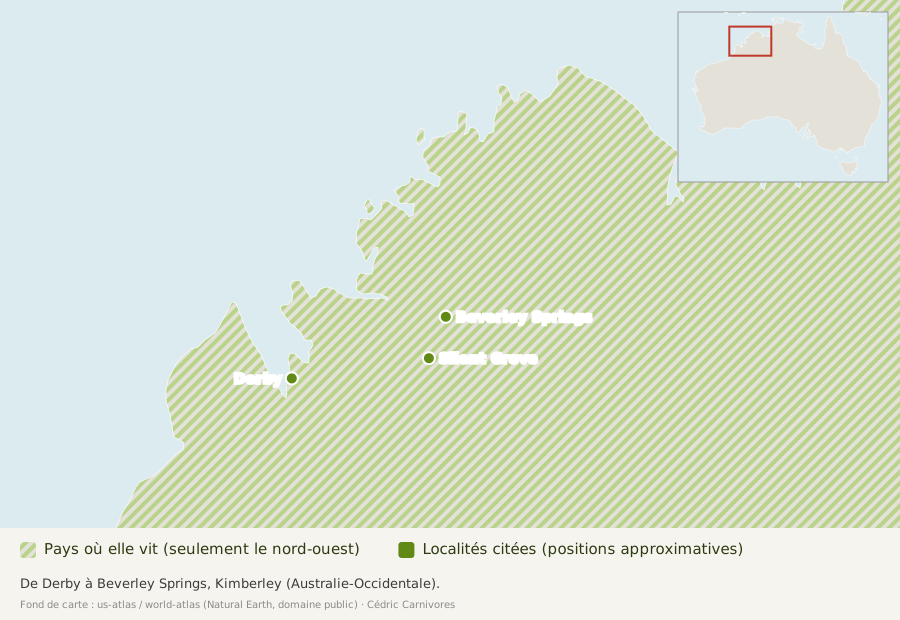
Endemic to Western Australia: from Derby to Beverley Springs, in the Kimberley.
Habitat
Sandy soils on floodplains or near rock outcrops. According to the collections and observations published in GBIF, it grows mostly at around 52 m above sea level.
Threats and protection
In 1996, Lowrie considered it locally common and not threatened.
Did you know?
- Close to D. lanata within the D. petiolaris complex; its unbranched hairs may help it avoid drying out in the dry season.
Sources
- Wikipedia (English), Drosera derbyensis: author, etymology, history, description, flowering, range, habitat, status, relationships.
- GBIF, Drosera derbyensis: author, original publication, IUCN Red List category, countries, altitude and localities of the herbarium specimens and observations.