Drosera hookeri R. P. Gibson, B. J. Conn & Conran
Species sheet, updated on 30/10/2026.
At a glance
| Scientific name | Drosera hookeri Robert Gibson, Barry Conn & John Conran, 2010 (replacement name) |
| Synonyms | D. foliosa Hook. f. ex Planch. (illegitimate name), D. peltata var. foliosa (Planch.) Benth. |
| Family | Droseraceae (subgenus Ergaleium, section Ergaleium: erect tuberous sundews) |
| Distribution | Southeastern Australia: Tasmania, Victoria, New South Wales, South Australia |
| Habitat | Grasslands and grassy woodland, wet in winter, dry in summer |
| Status | Least concern (LC) on the IUCN Red List |
Photos in the wild
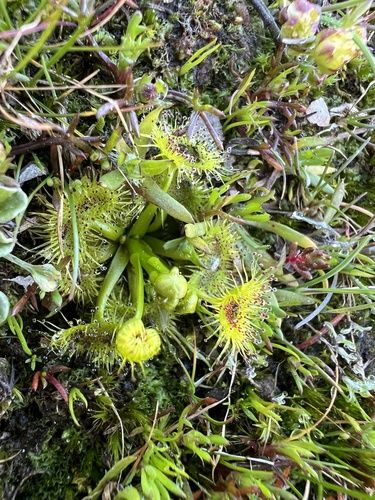
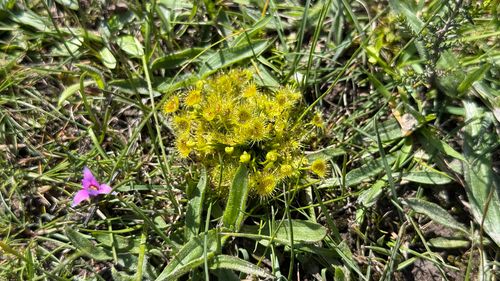
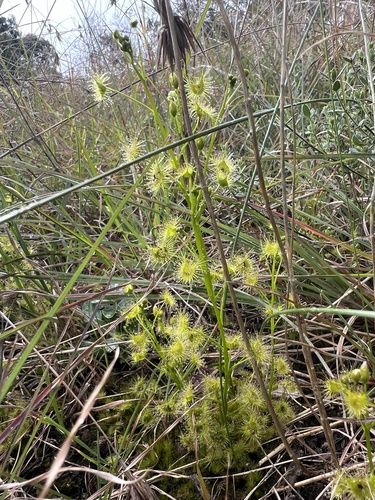
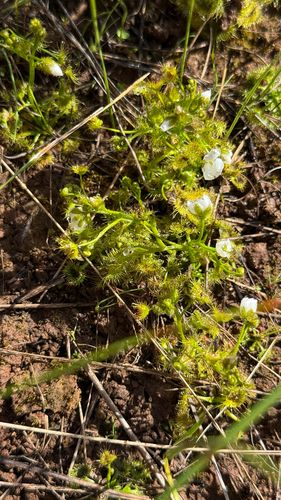
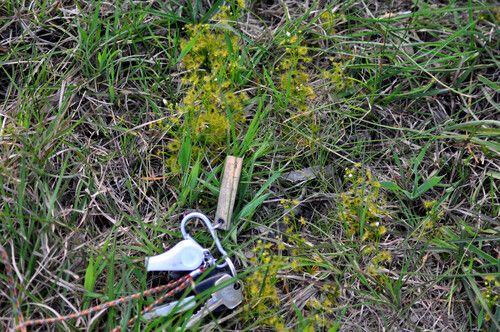
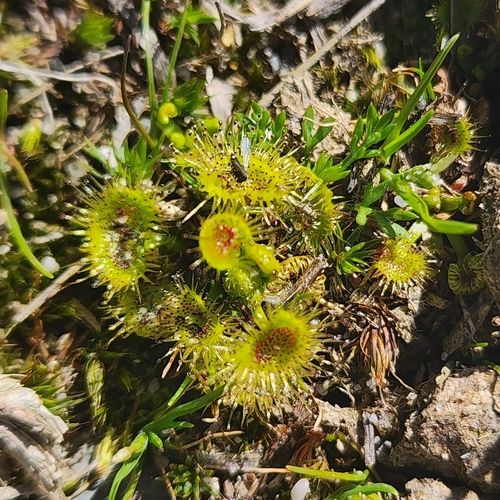
Etymology
- Drosera: see the genus sheet.
- hookeri: in honour of Joseph Dalton Hooker, who was the first to recognise this plant. In English: “grassland sundew”.
History of the description
- 1848: Hooker names it D. foliosa, but this name already existed (Elliott, 1824): it is not valid.
- 2010: Gibson, Conn and Conran give it the name D. hookeri and include in it most of the forms of the D. peltata complex from southeastern Australia and New Zealand.
Description (how to recognise it)
- Tuberous perennial with a white tuber, buried 2 to 5 cm deep.
- Above-ground parts 5 to 10 cm tall, yellowish-green to yellow, branching from the base.
- Rosette of crescent-shaped or semicircular leaves; white flowers, sometimes very close to the rosette.
- Black, cylindrical seeds.
Distribution
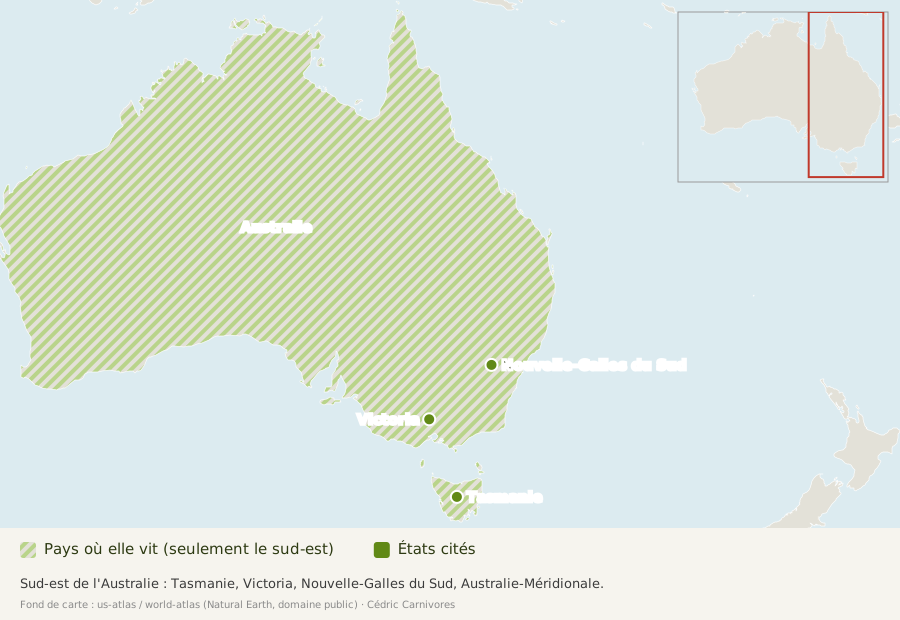
Southeastern Australia: Tasmania (type locality), Victoria, New South Wales and South Australia.
Habitat
Grasslands and grassy woodland that are wet in winter and dry in summer, often with other species of the D. peltata complex. Based on the collections and observations published in GBIF, it grows mostly at 250 to 866 m altitude.
Sources
- Wikipedia (English), Drosera hookeri: authors, synonyms, etymology, common name, history, description, range, habitat, section.
- GBIF, Drosera hookeri: author, original publication, IUCN Red List category, countries, altitude and localities of herbarium specimens and observations.