Genlisea pygmaea A. St.-Hil.
Species sheet, updated on 30/10/2026.
At a glance
| Scientific name | Genlisea pygmaea Auguste de Saint-Hilaire, 1833, Voyage dans le district des diamans du Brésil |
| Synonyms | G. esmeraldae Steyerm. (1953) |
| Family | Lentibulariaceae (section Genlisea) |
| Distribution | From southeastern Colombia to southern Venezuela and central Brazil. |
Photos in the wild
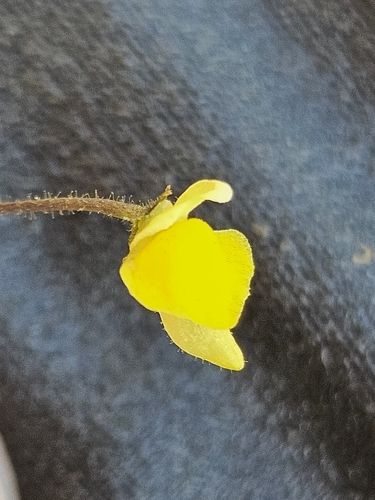
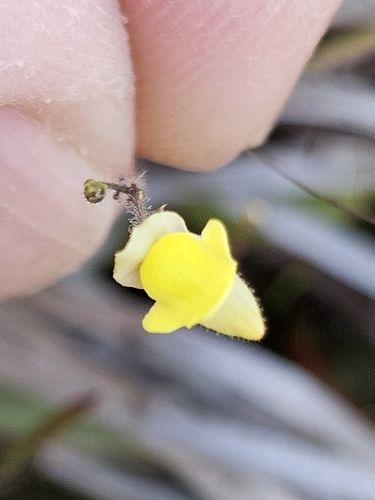
Etymology
- Genlisea: see the genus sheet.
- pygmaea: from the Latin, “dwarf”.
Description (how to recognise it)
- Small plant with yellow flowers.
- One of the first four Genlisea described, in 1833.
Distribution
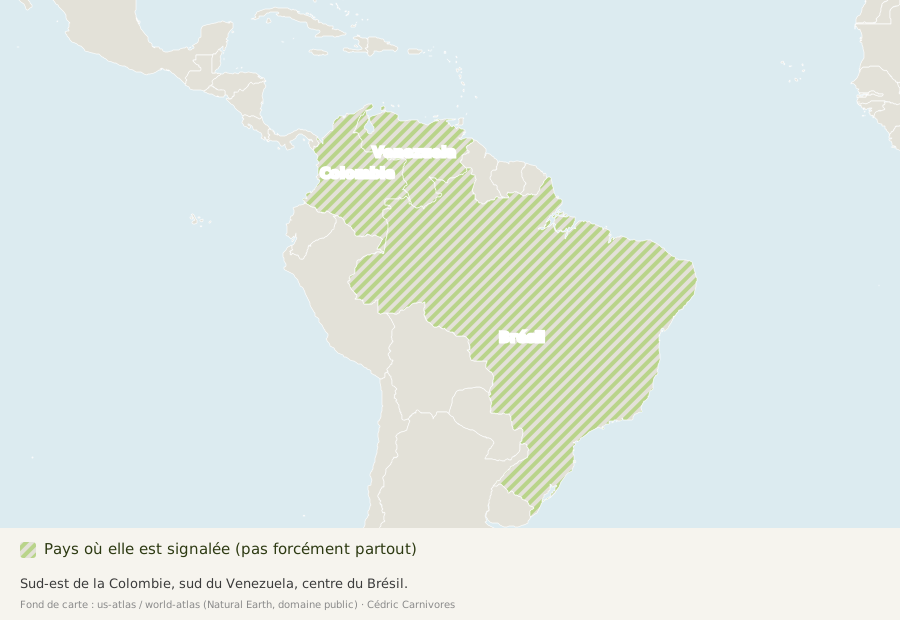
From southeastern Colombia to southern Venezuela and central Brazil. According to Kew's world checklist of plants (WCVP), it is native to the following regions: northern Brazil, southeastern Brazil, west-central Brazil, Colombia and Venezuela. According to the Flora do Brasil (the official list of the plants of Brazil), it grows in these Brazilian states: Bahia, Federal District, Goiás, Maranhão, Minas Gerais, Mato Grosso do Sul, Mato Grosso, Pará, Roraima, São Paulo and Tocantins. Major biomes: Amazon and Cerrado.
Habitat
According to the Flora do Brasil: a terrestrial plant, in campos rupestres (rocky mountain grasslands), cerrado (savanna) and Amazonian savanna.
Sources
- Wikipedia (German), Genlisea: section, range.
- Carnivorous Plant FAQ (Barry Rice), American Genlisea: flower colour, distinctive features, countries.
- Wikipedia (English), Genlisea pygmaea: author, status.
- Kew, World Checklist of Vascular Plants (via GBIF): natural distribution.
- Flora e Funga do Brasil, official list (via GBIF): states, biomes, endemism, life form and vegetation types in Brazil.