
 Français
 Español
 Deutsch
 Italiano



Encyclopedia: the genus Genlisea


The genus Genlisea
Genlisea and their underground corkscrew traps, with the smallest genomes of all flowering plants.
Cover photo: Genlisea africana, Robert Taylor, CC BY 4.0, original observation.
At a glance
Genus
Genlisea Auguste de Saint-Hilaire, 1833
Common name
“Corkscrew plants”
Family
Lentibulariaceae, with the butterworts and the bladderworts
Number of species
2929 (and 2 varieties of G. aurea), then G. hawkingii described in 2020: “about thirty”
Distribution
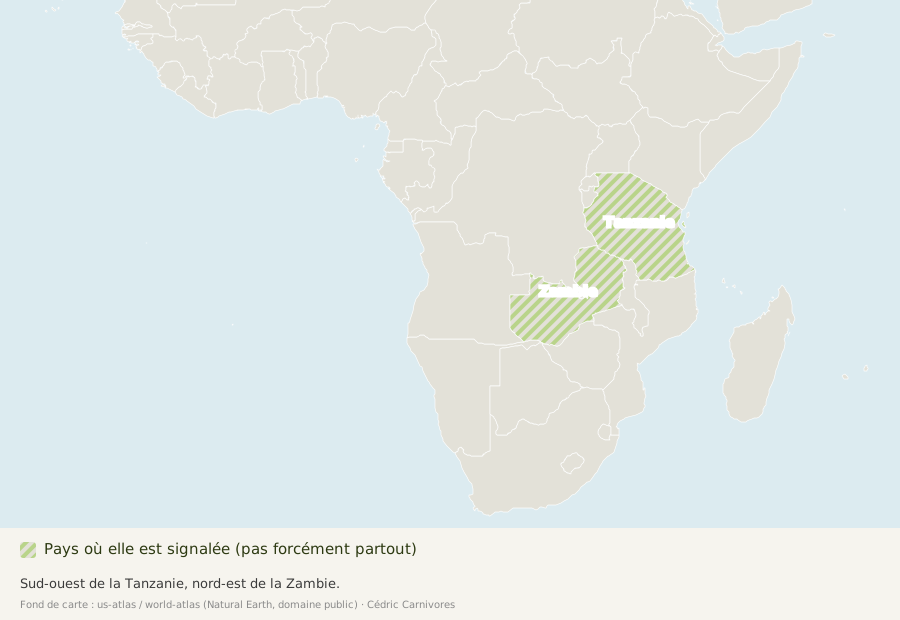
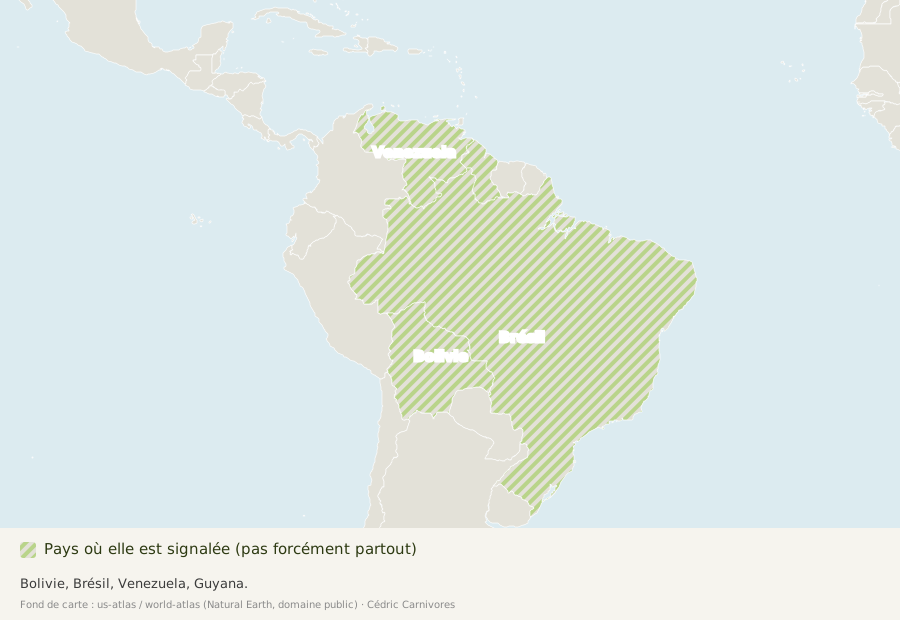
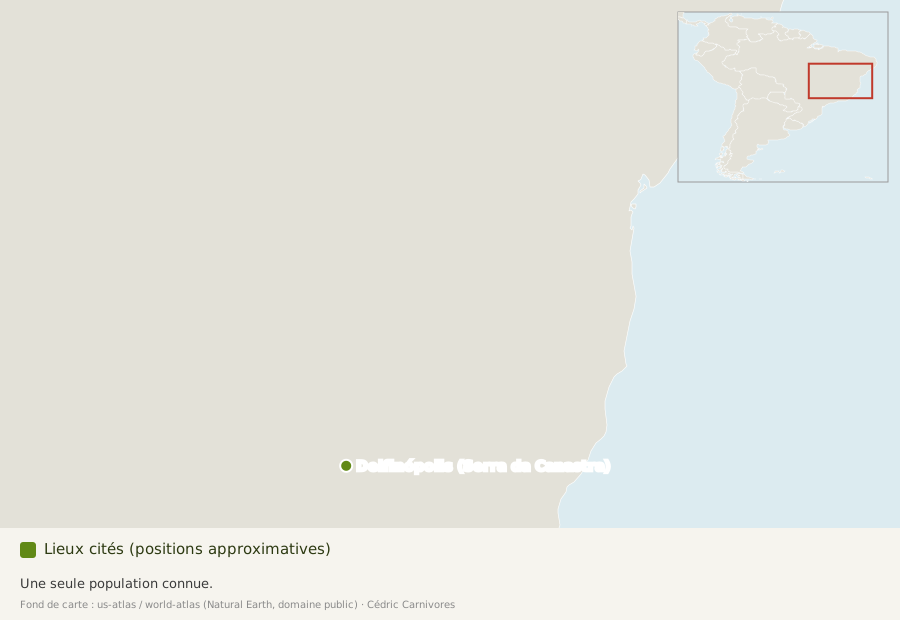
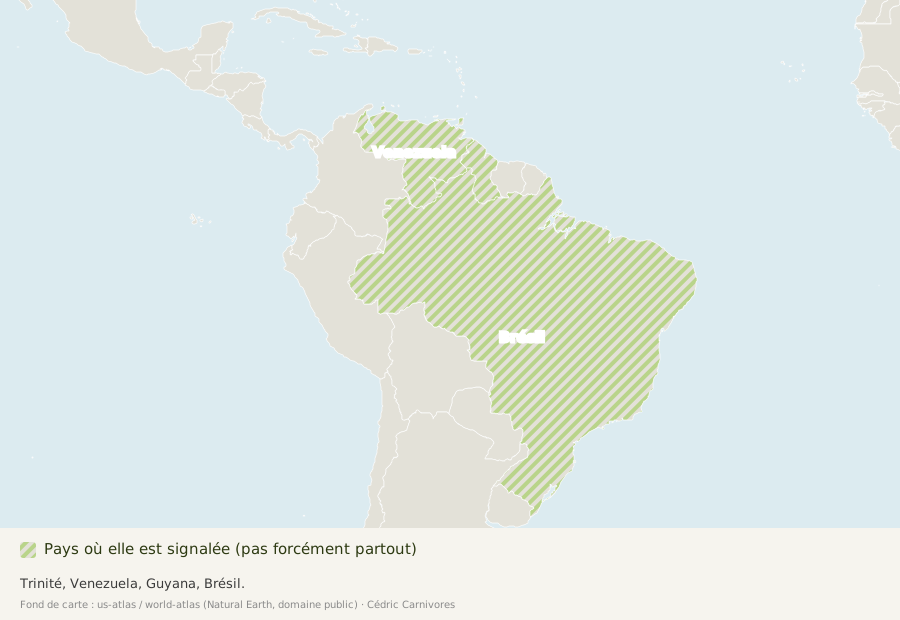
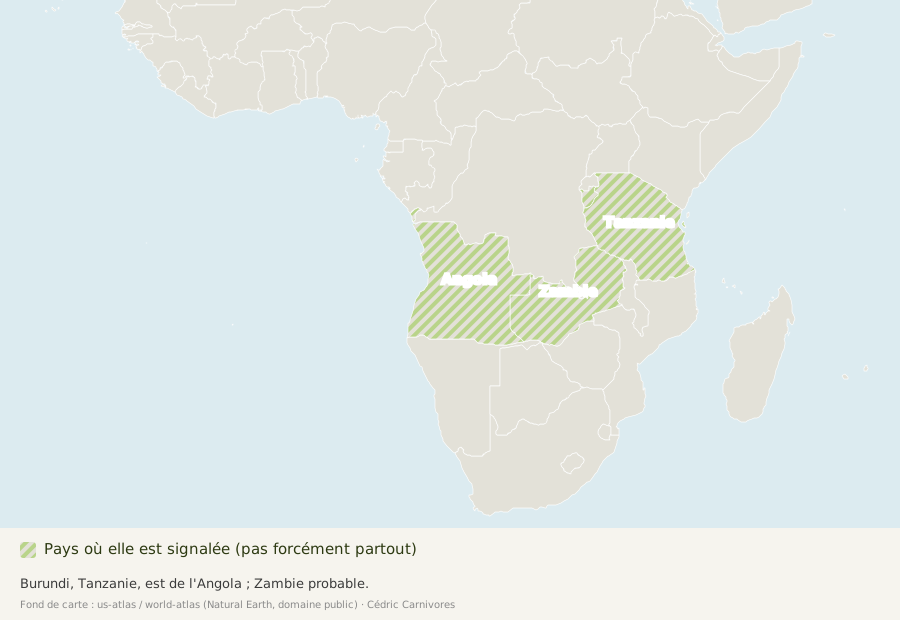
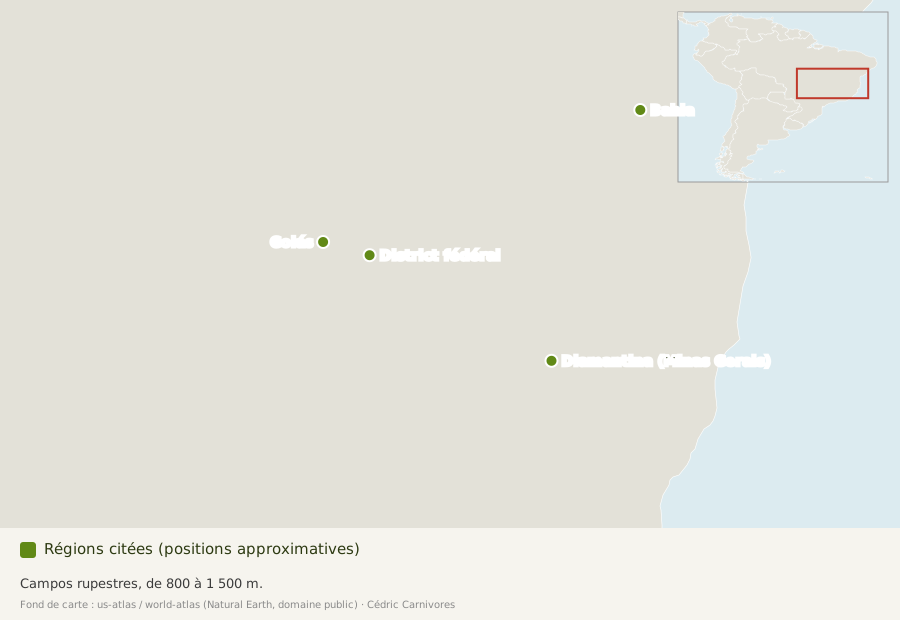
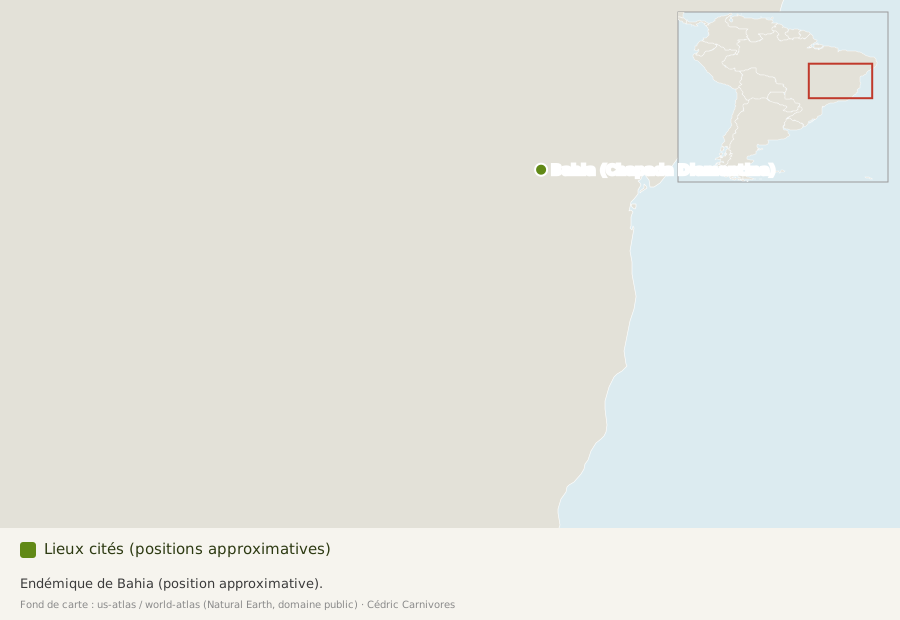
Africa, Madagascar, Central America and South America
Habitat
Waterlogged soils to semi-aquatic habitats
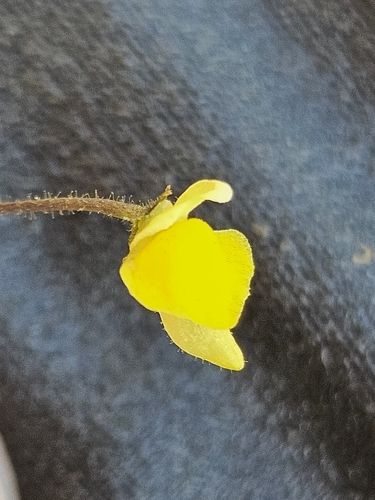
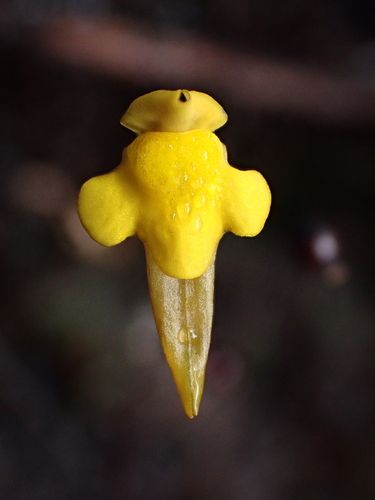
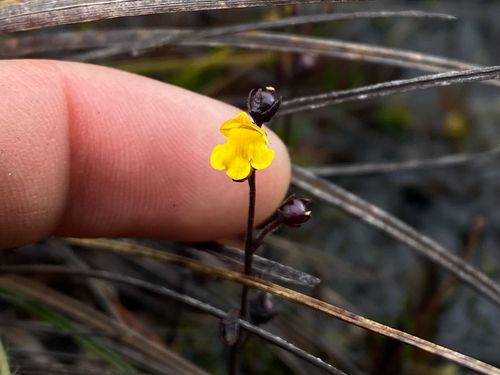
In the wild
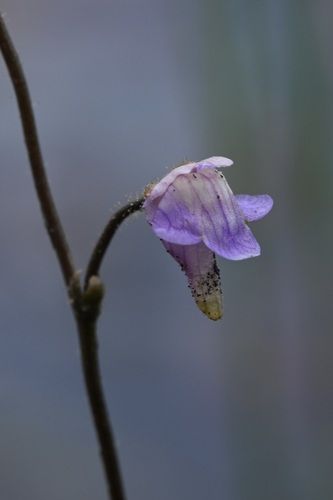
Robert Taylor, CC BY
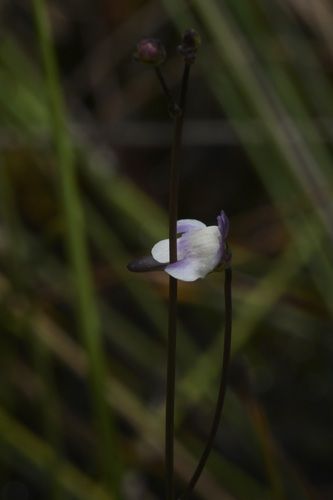
Robert Taylor, CC BY
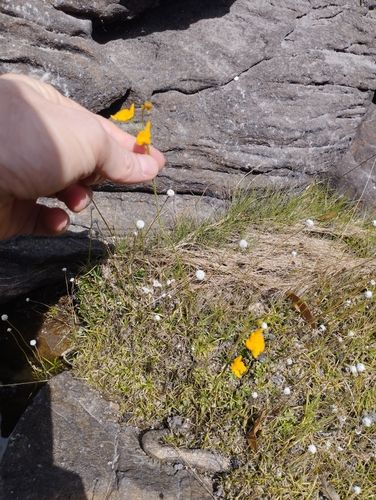
jbugoni, CC BY
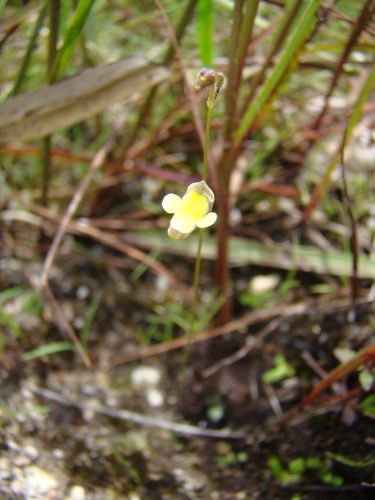
Yoannis Domínguez, CC BY
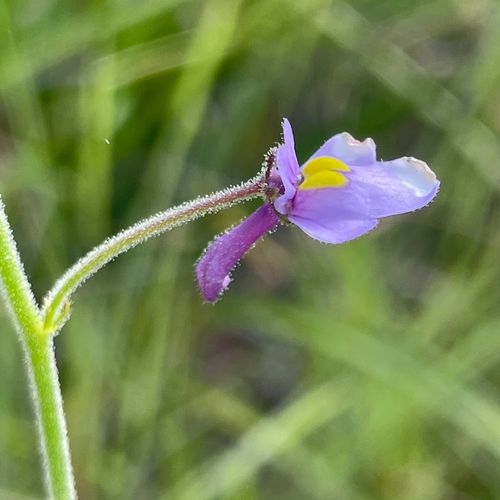
B. Phalan, CC BY
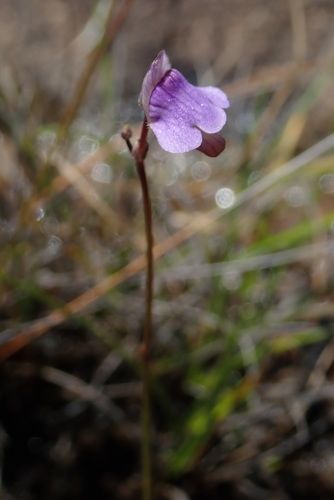
Jimmy Whatmore, CC0
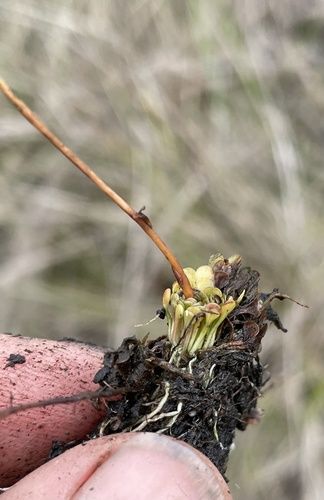
Robert Taylor, CC BY
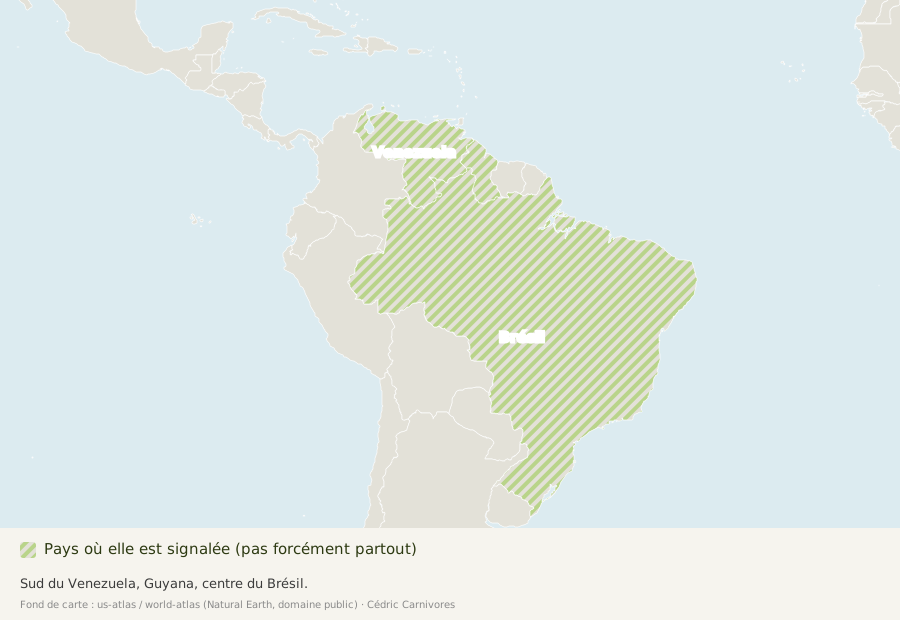
Celso Henrique Varela Rios, CC BY
Etymology
Genlisea honours the French writer and educator Stéphanie Félicité du Crest, Countess of Genlis (1746-1830), governess to the children of the Duke of Orléans (dates and position: historical note).
History
- 1833: Auguste de Saint-Hilaire creates the genus with four species from Brazil: G. aurea, G. filiformis, G. pygmaea and G. violacea.
- 19th century: Darwin already suspects that they are carnivorous.
- 1998: Wilhelm Barthlott and his colleagues finally provide the proof.
An underground corkscrew trap
- No roots: a thin rhizome bears two kinds of leaves:
- above ground, small green leaves 0.5 to 5 cm long;
- underground, white traps, without chlorophyll.
- Each trap has a stalk, a small hollow bulb, then a tube that splits into two spirals, like a corkscrew; the entrance runs between the spirals.
- The trap is passive: soil micro-organisms, mainly protozoa, get in and cannot get out again.
- The plant secretes enzymes (including phosphatases). There is almost no oxygen in the traps, which may kill the prey.
Flowers
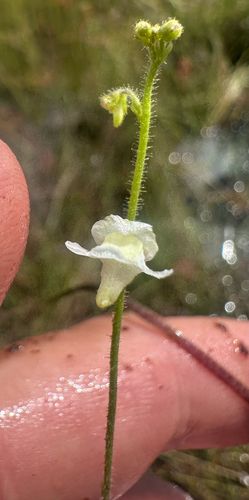
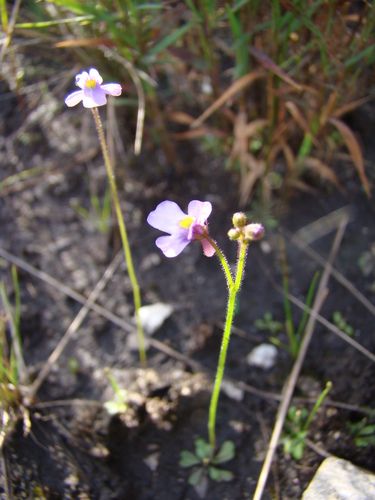
Several to many flowers on an upright scape, two-lipped and spurred, yellow or violet to mauve, sometimes white or cream. The calyx has five lobes (three in bladderworts). They are pollinated by bees and flies.
The smallest genomes of flowering plants
Several Genlisea have among the smallest genomes known in flowering plants: about 61 million base pairs in G. tuberosa (a record in 2014), 63 to 64 in G. margaretae and G. aurea. Genome size varies by a factor of 25 within the genus.
Classification
| Subgenus | Sections | Range |
|---|---|---|
| Genlisea | Genlisea (Americas), Africanae (Africa), Recurvatae (Africa and Madagascar) | Africa and the Americas |
| Tayloria | — | mainly South America (Brazil) |
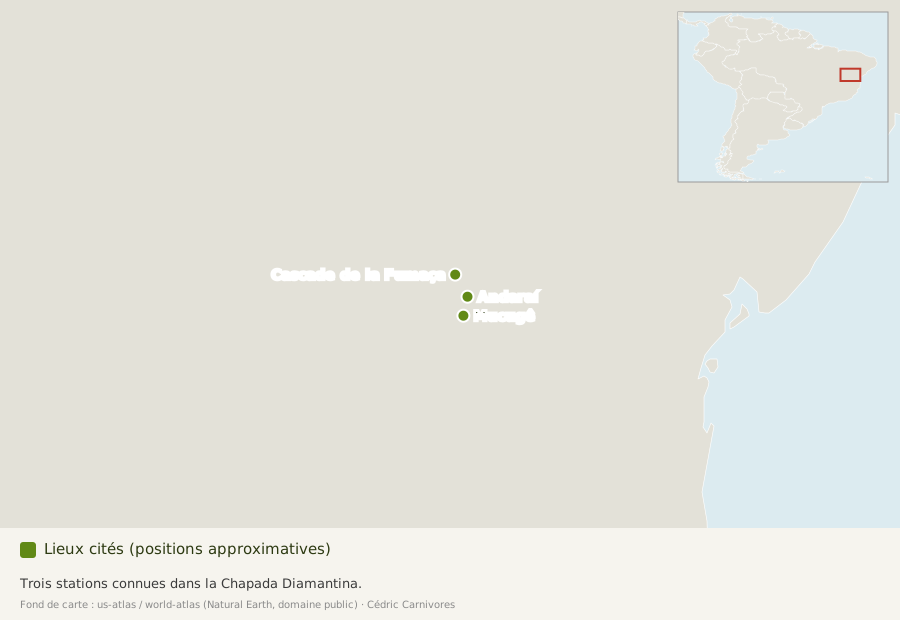
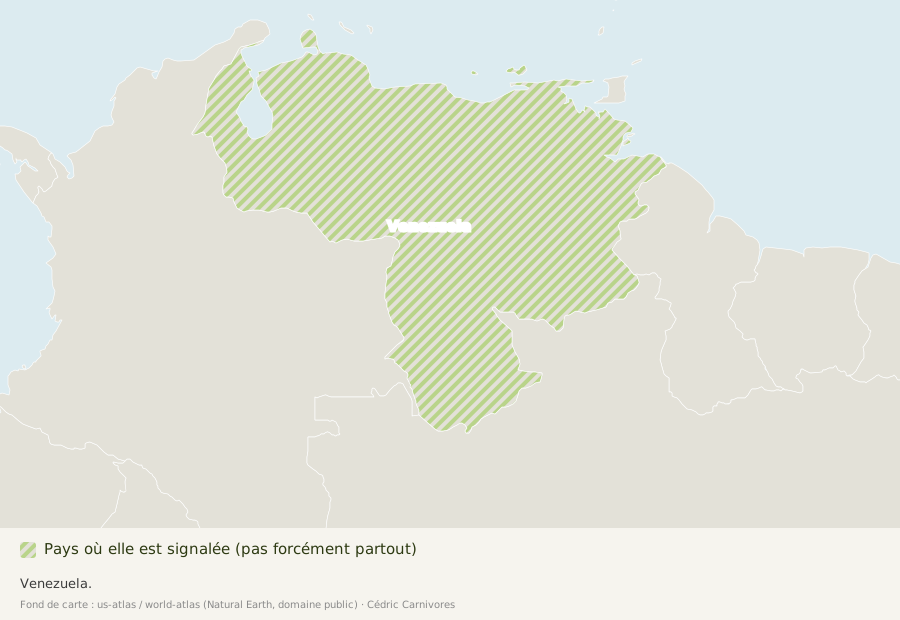
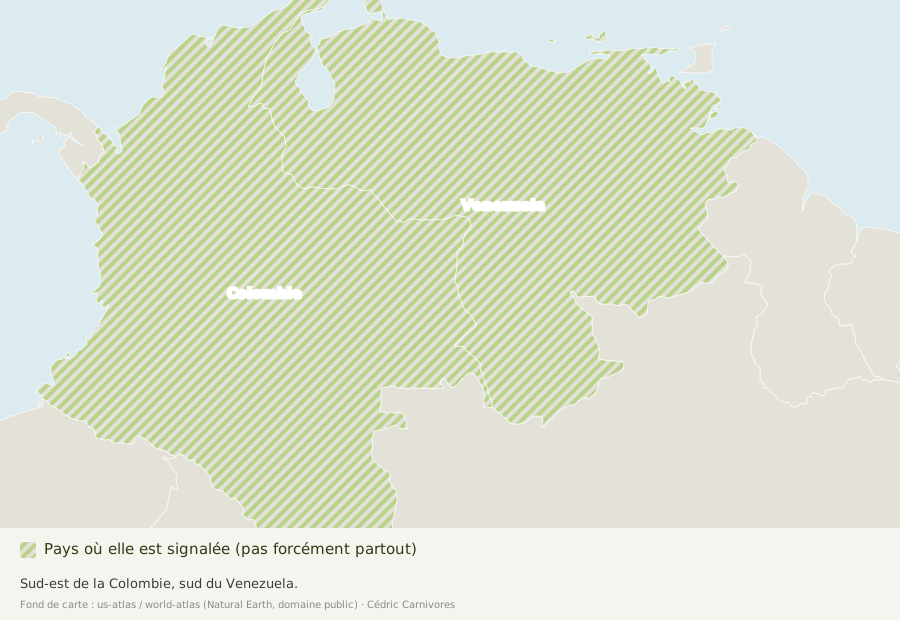
Distribution
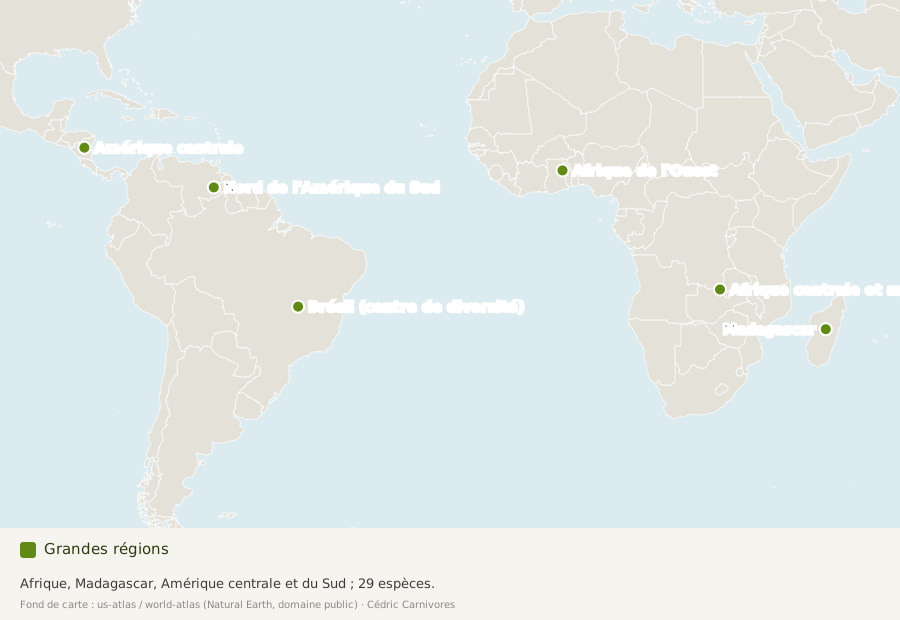
Sources
- Wikipedia (English), Genlisea: etymology, number of species, range, habitat, morphology, trap, enzymes, oxygen, 1998 proof, flowers, genomes, subgenera, Saint-Hilaire 1833.
- List of the small genera: sections and species.
All the species (30)
Each profile presents the species in the wild: origin of the name, history, description, distribution map, habitat and sources. To search by name or by growing method: search for a species.
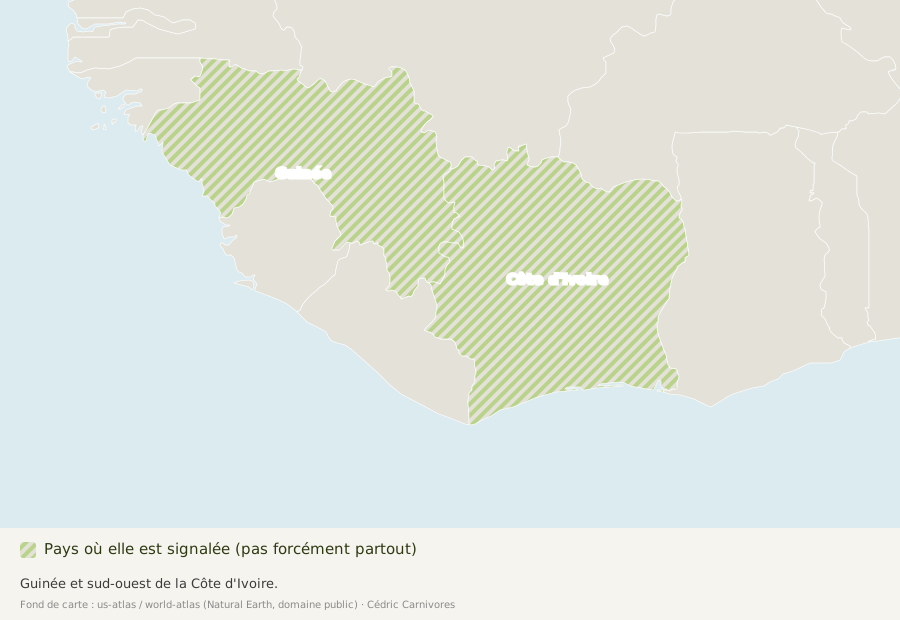

Share this article:


