Nepenthes distillatoria L.
Species sheet, updated on 30/10/2026.
At a glance
| Scientific name | Nepenthes distillatoria Carl von Linné, Species Plantarum, 1753 |
| Family | Nepenthaceae |
| Distribution | Sri Lanka |
| Habitat | Waterlogged scrub, banks, clearings and forests, from sea level to 700 m |
| Status | Vulnerable (IUCN 2.3, 2000) |
Photos in the wild
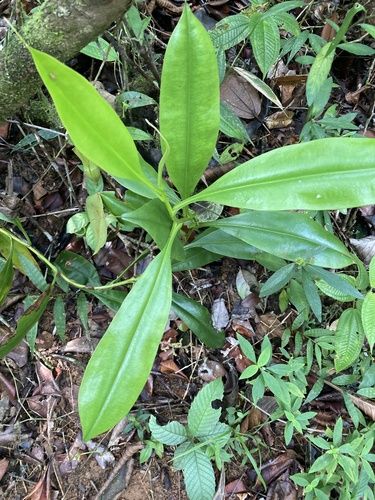
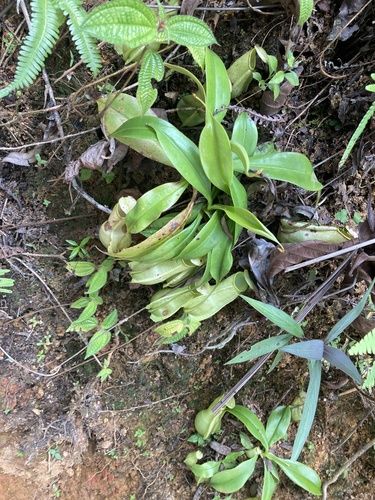
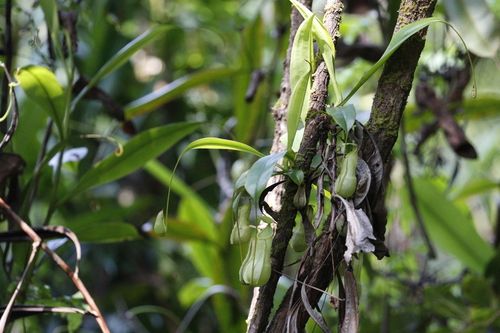
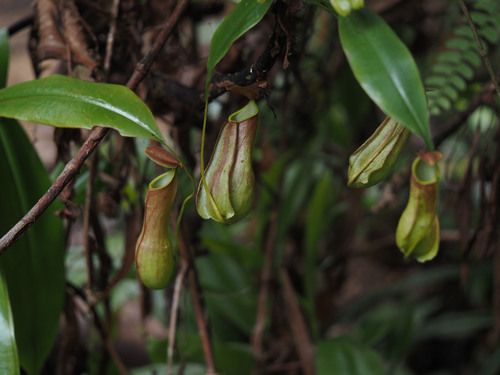
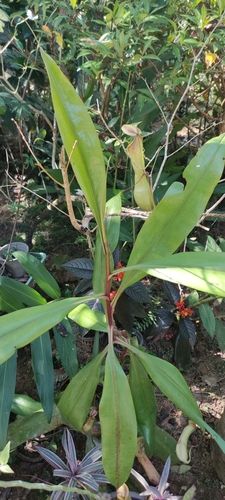
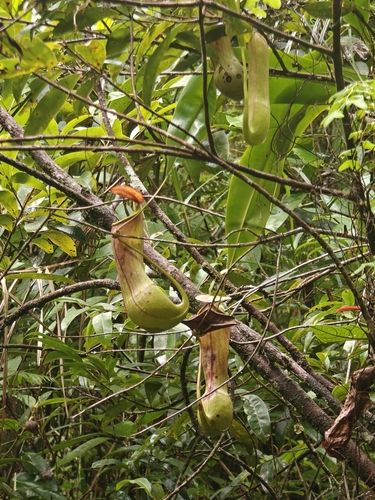
Etymology
- Nepenthes: see the genus sheet.
- distillatoria: from the Latin destillo, “to distil”: the plant from which a liquid is drawn, the one in the pitchers.
History of the description
- 1677: Thomas Bartholin briefly mentions it as Miranda herba, “wonderful herb”.
- 1680: Jacob Breyne calls it Bandura zingalensium.
- 1683: Herman Niklas Grim describes it as Planta mirabilis destillatoria and gives the first clear illustration of a Nepenthes.
- 1753: Linnaeus names it, taking up Grim's adjective.
Description (how to recognise it)
- No detailed description yet in the sources consulted.
Distribution
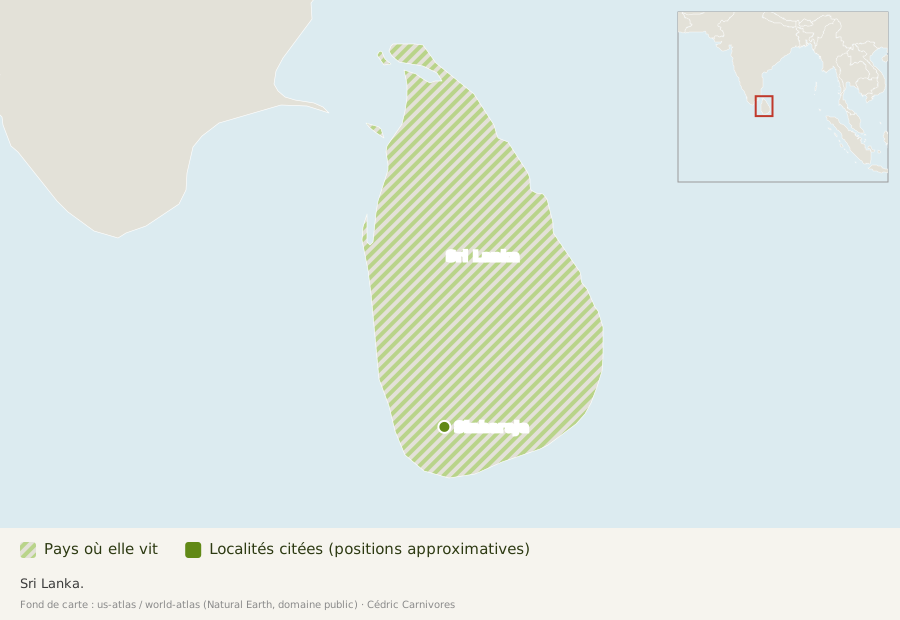
Endemic to Sri Lanka, from sea level to 700 m; it is the only Nepenthes on the island. It grows for example in the Sinharaja Forest Reserve.
Habitat
Open, waterlogged scrub, roadside banks and other open places, but also forests.
Natural hybrids
None known: it is isolated from all other species.
Did you know?
- It is the type species of the genus Nepenthes: the first one named under Linnaeus's system.
- It is the second Nepenthes described in a book, after N. madagascariensis (1658).
Sources
- Wikipedia (English), Nepenthes distillatoria: Linnaeus 1753, etymology, history from 1677 to 1753, range, altitude, habitat, isolation, status, type species.