
 Français
 Español
 Deutsch
 Italiano



Encyclopedia: the genus Nepenthes


The genus Nepenthes
Nepenthes, the tropical pitcher plants of Asia: more than 180 species, their habitat, their prey and their amazing partnerships.
Genus profile, 29/10/2026.
At a glance
Nom
Nepenthes Linnaeus, Species Plantarum, 1753 (already used in Hortus Cliffortianus, 1737)
Family
Nepenthaceae: the only genus in its family
Type species
N. distillatoria L., from Sri Lanka
Common names
Tropical pitcher plants, monkey cups; in French népenthès
Number of species
About 170 to 180, with new ones described every year; plus many natural and horticultural hybrids
Distribution
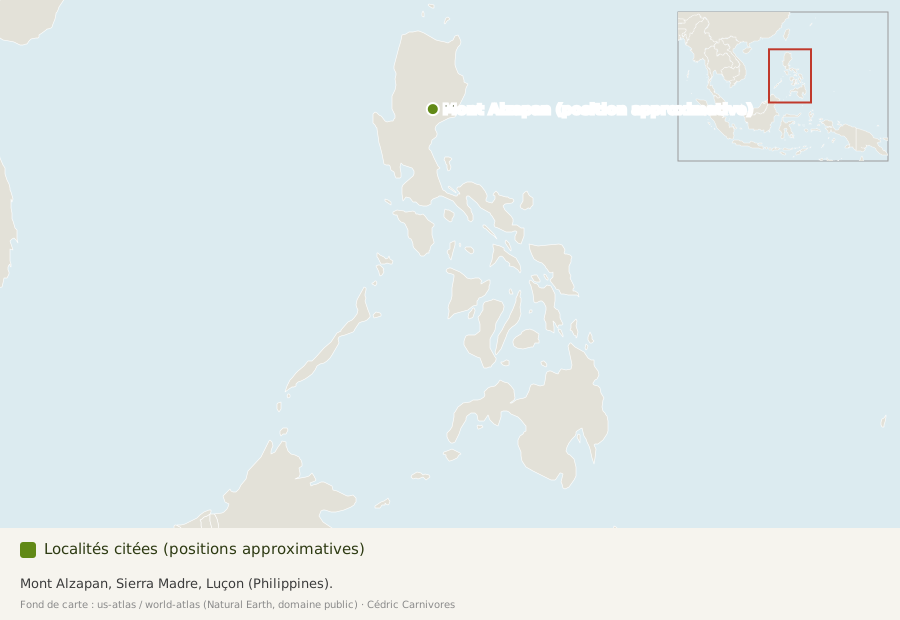
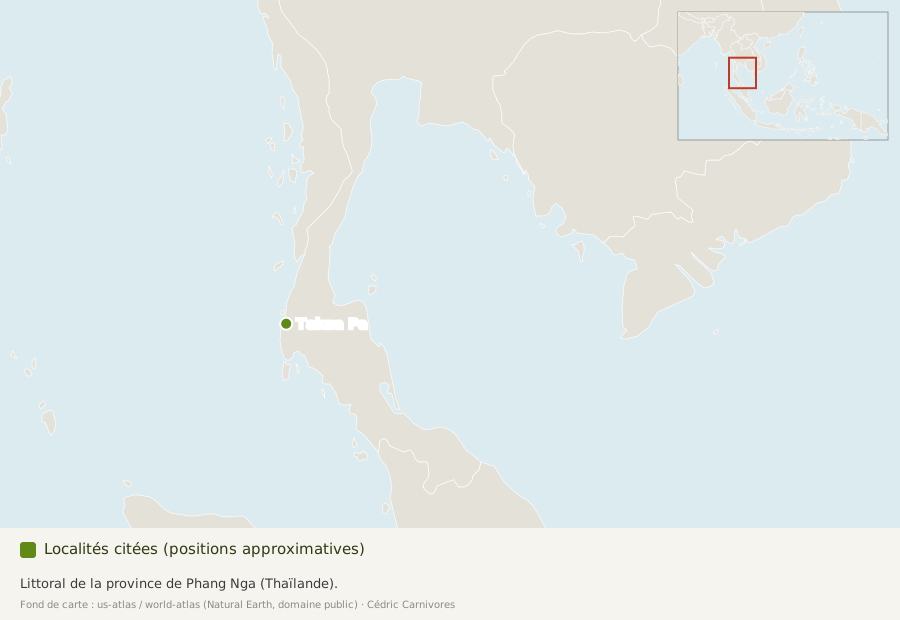
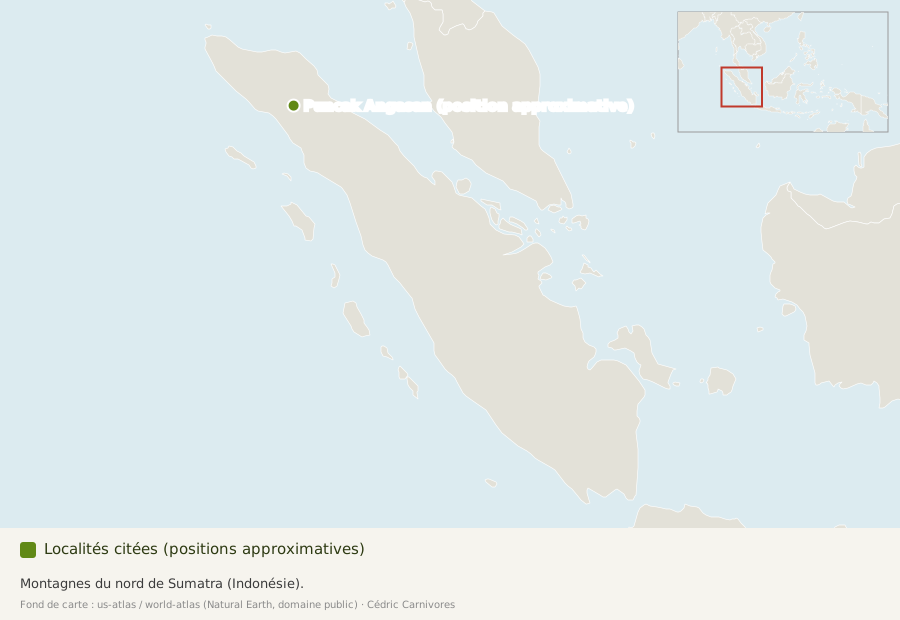
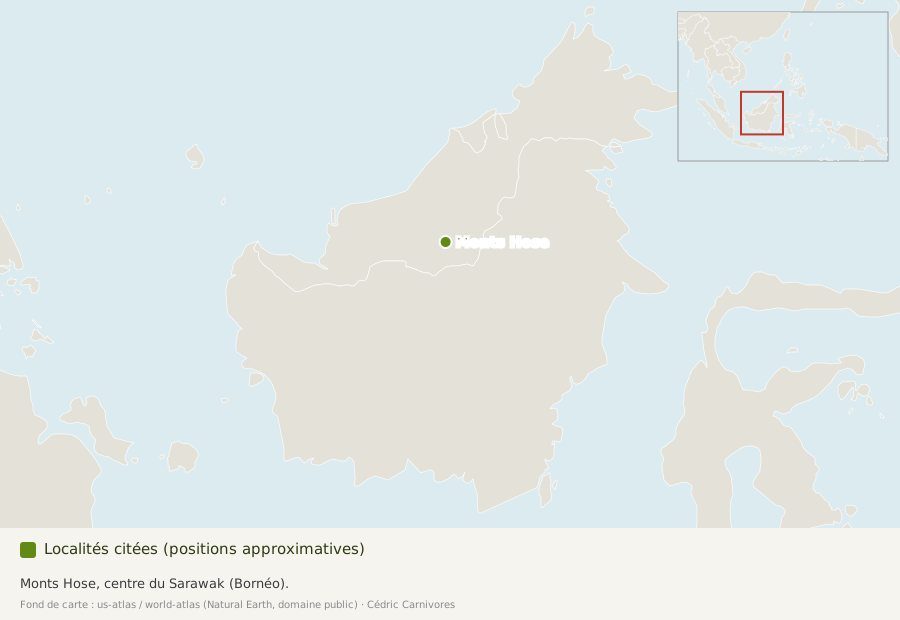
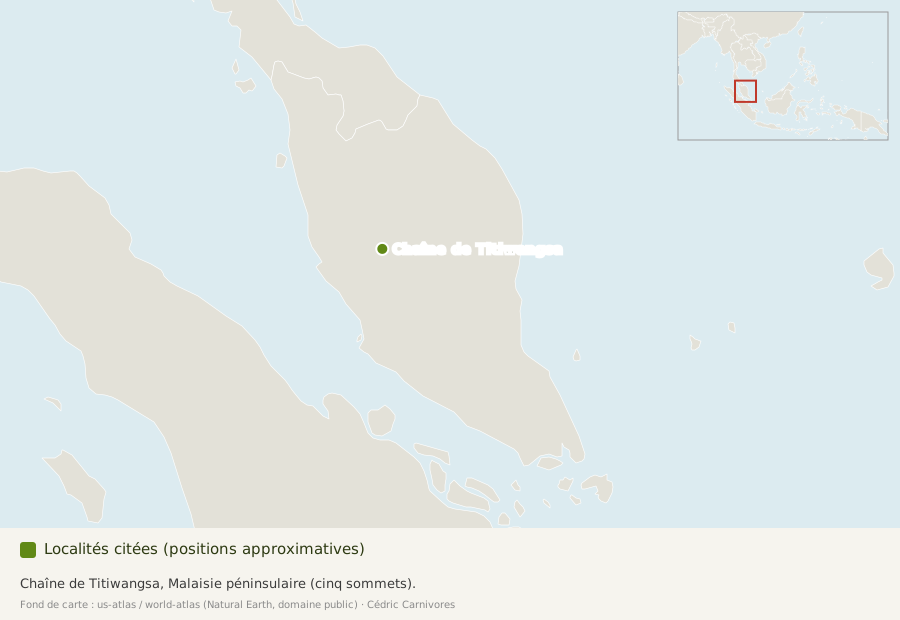
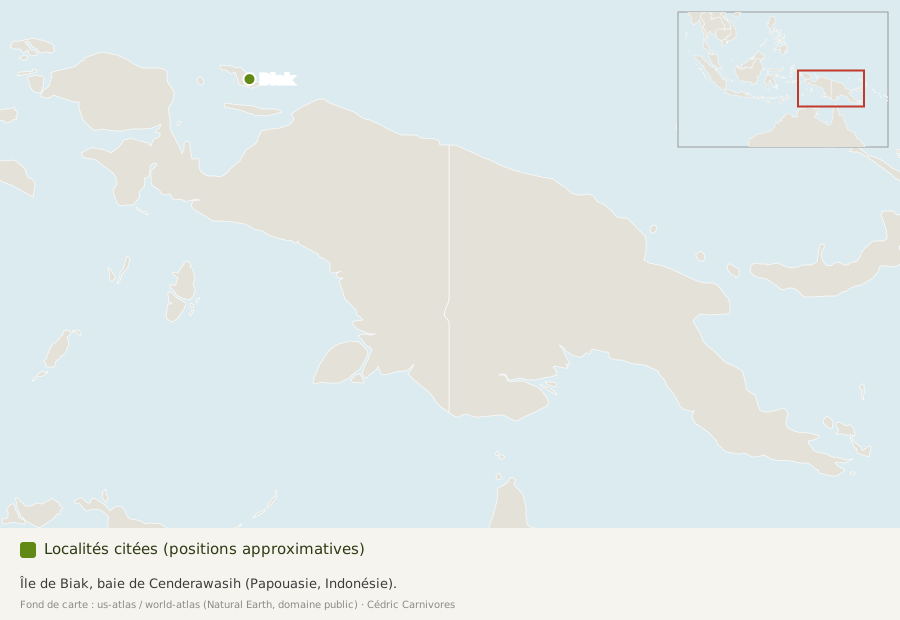
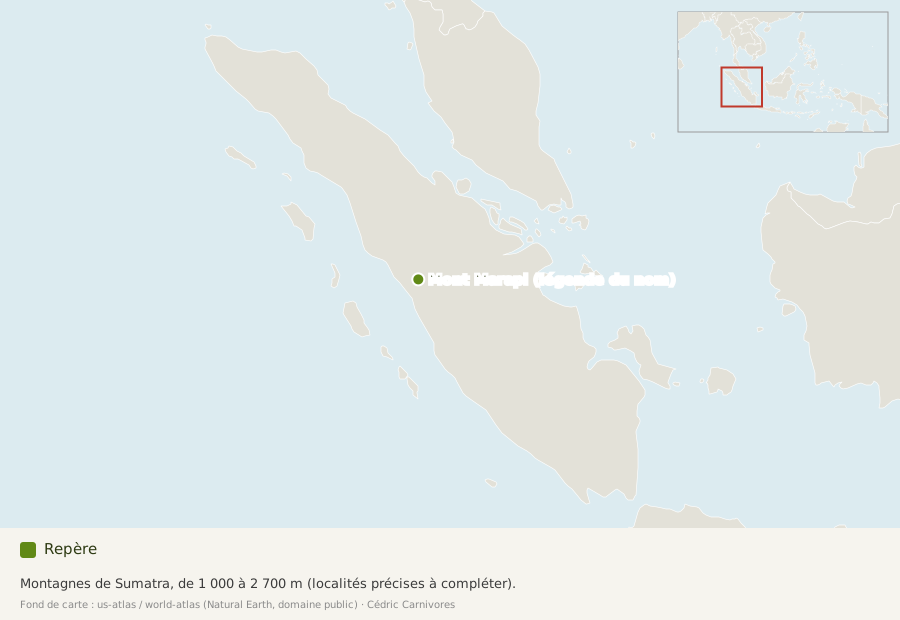
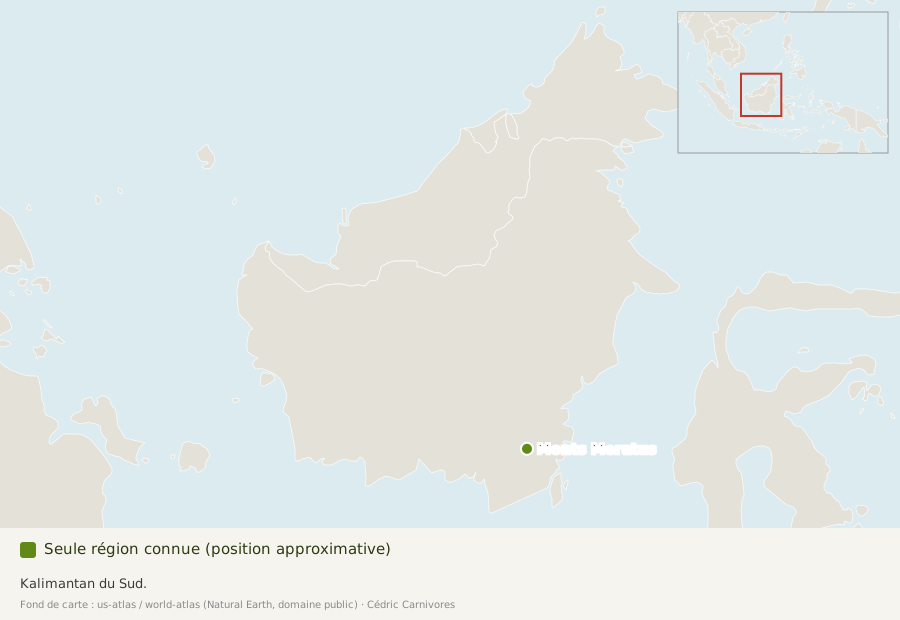
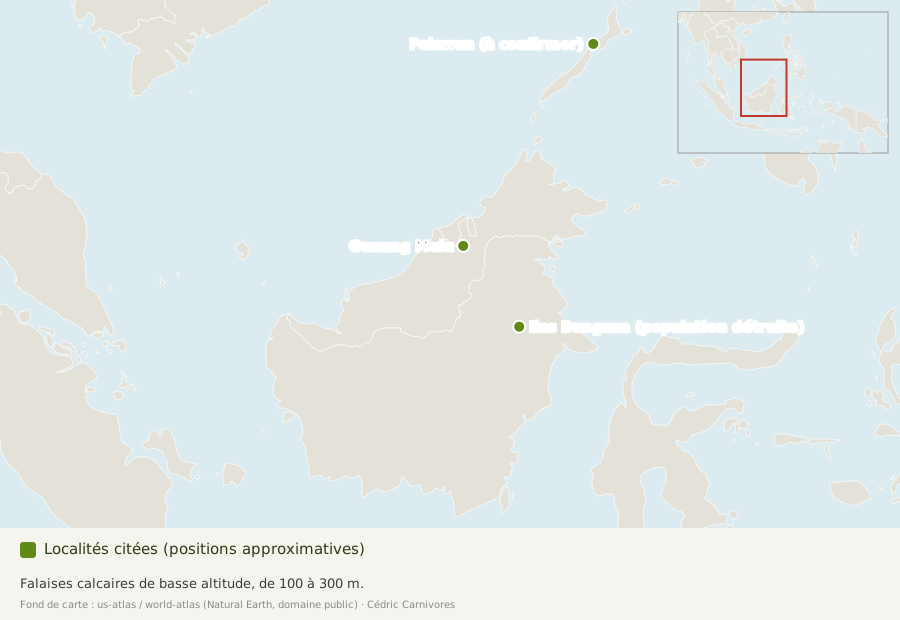
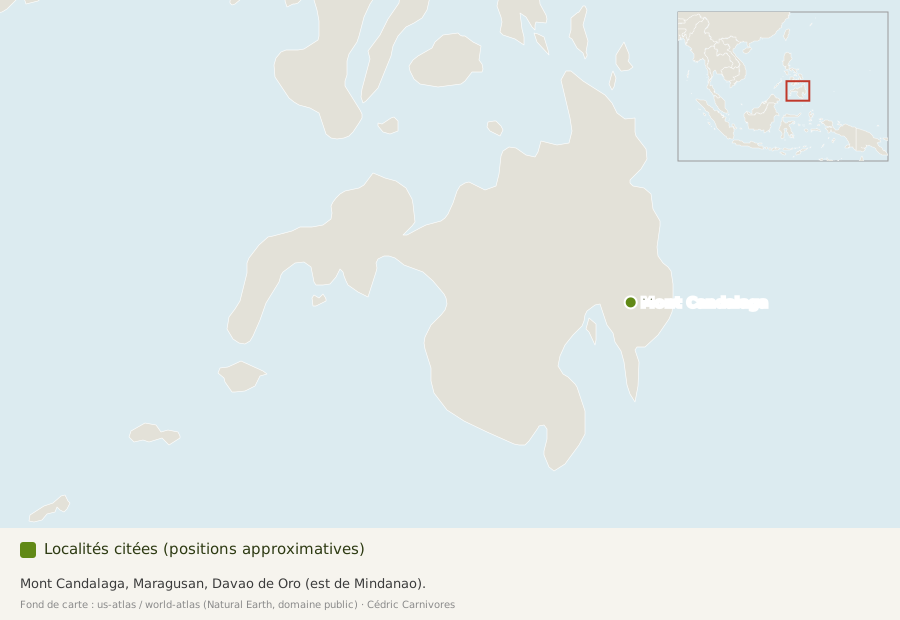
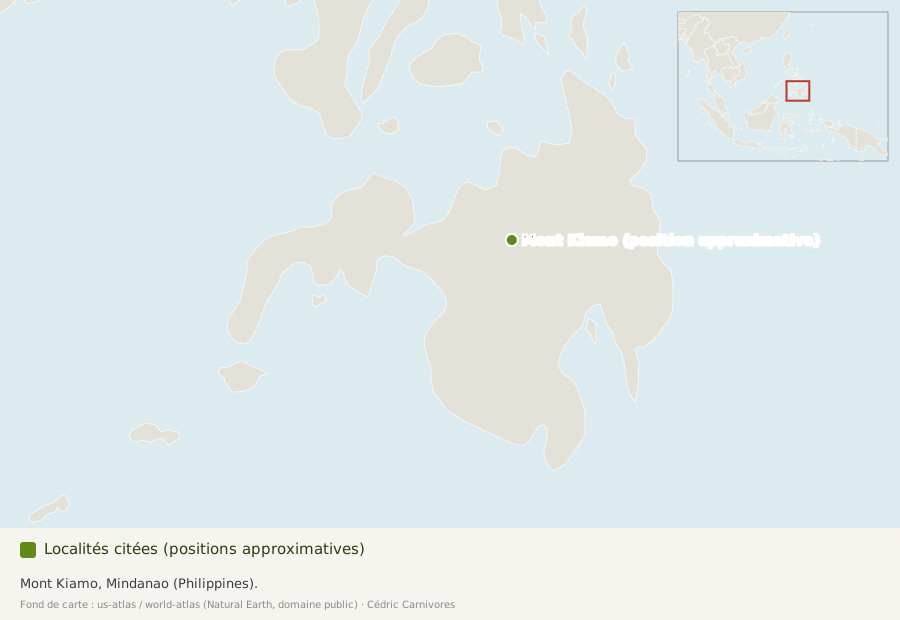
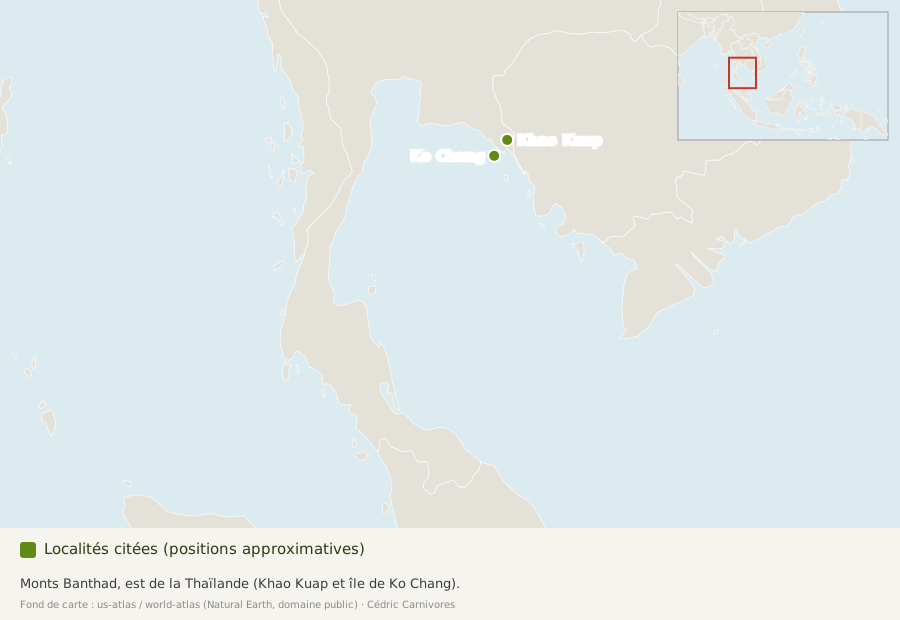
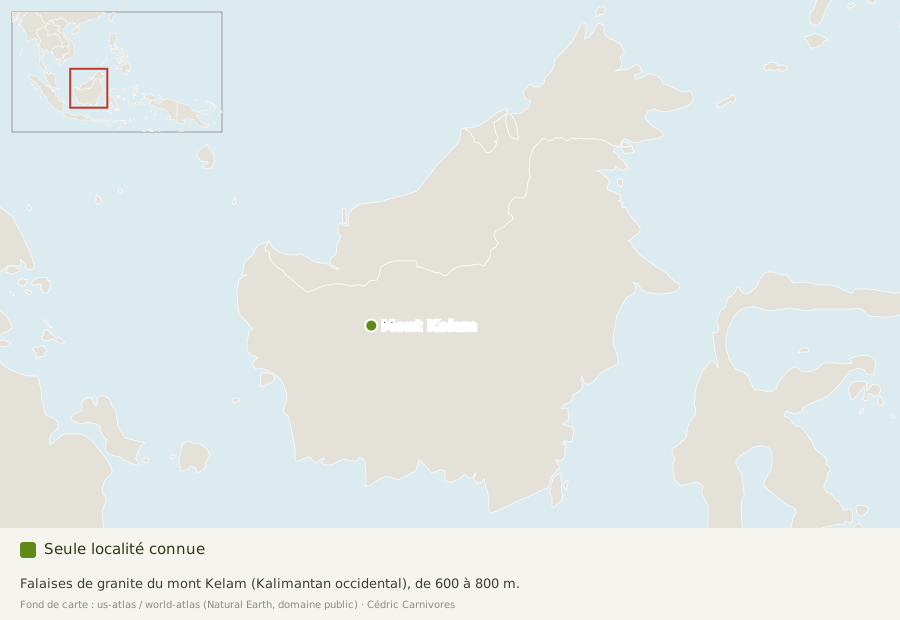
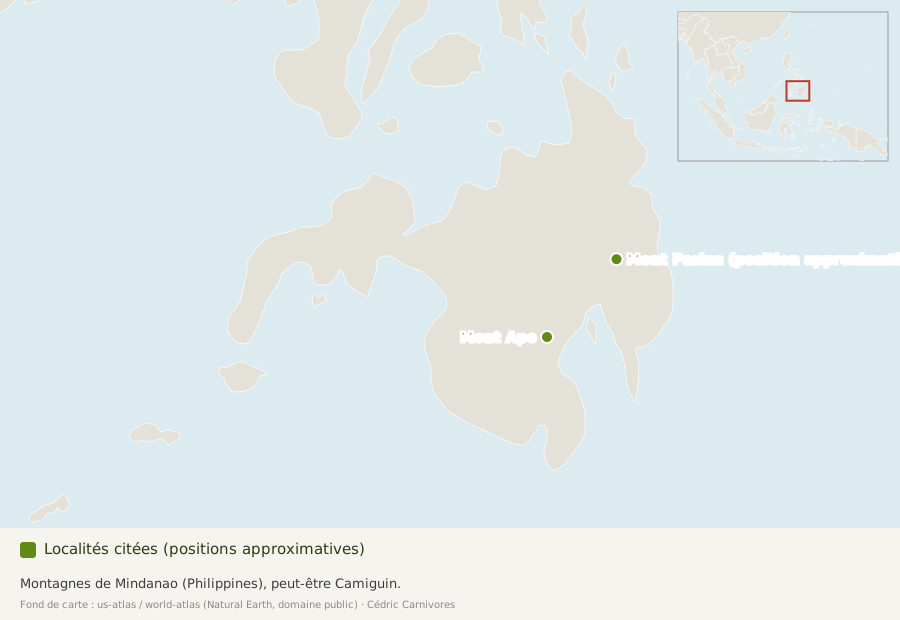
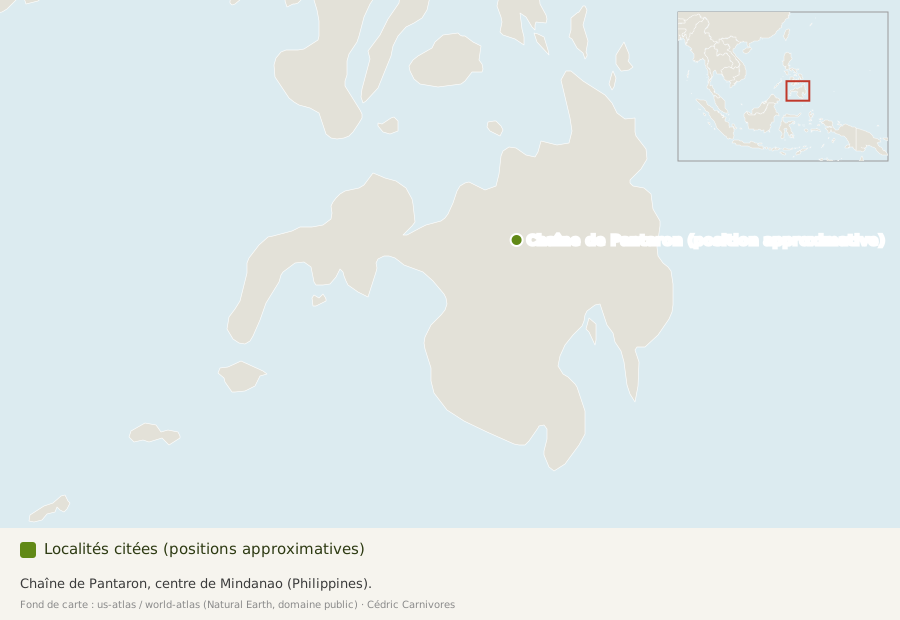
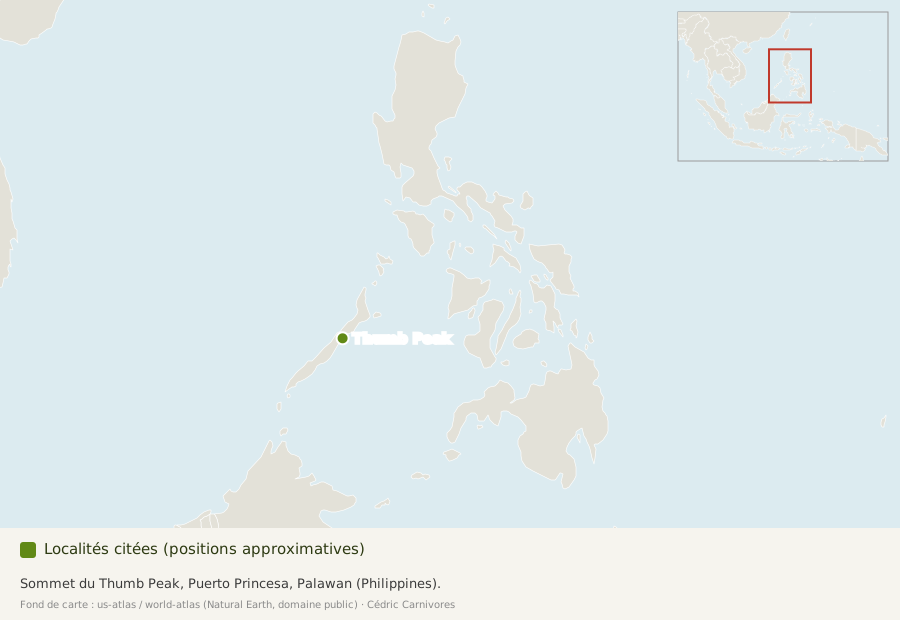
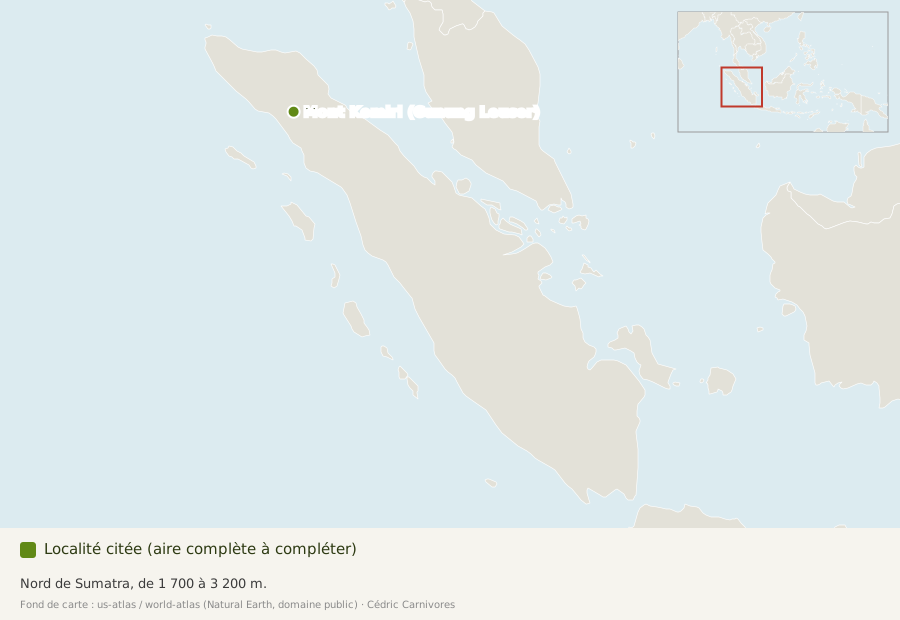
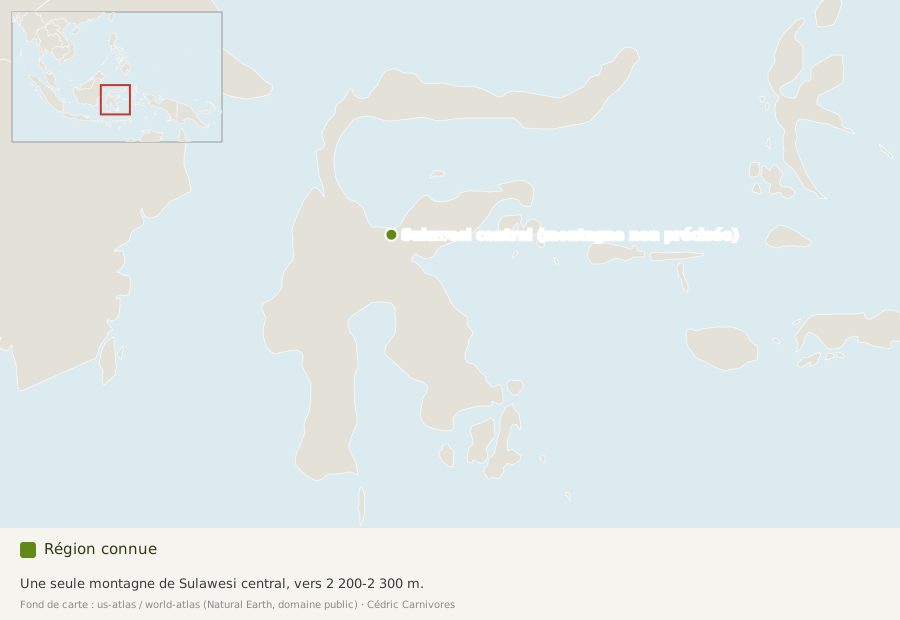
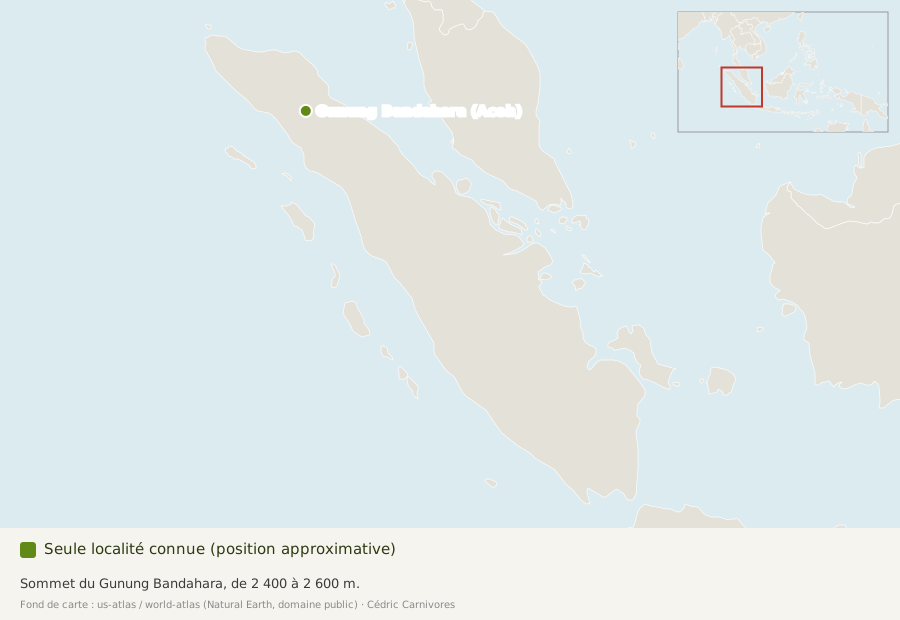
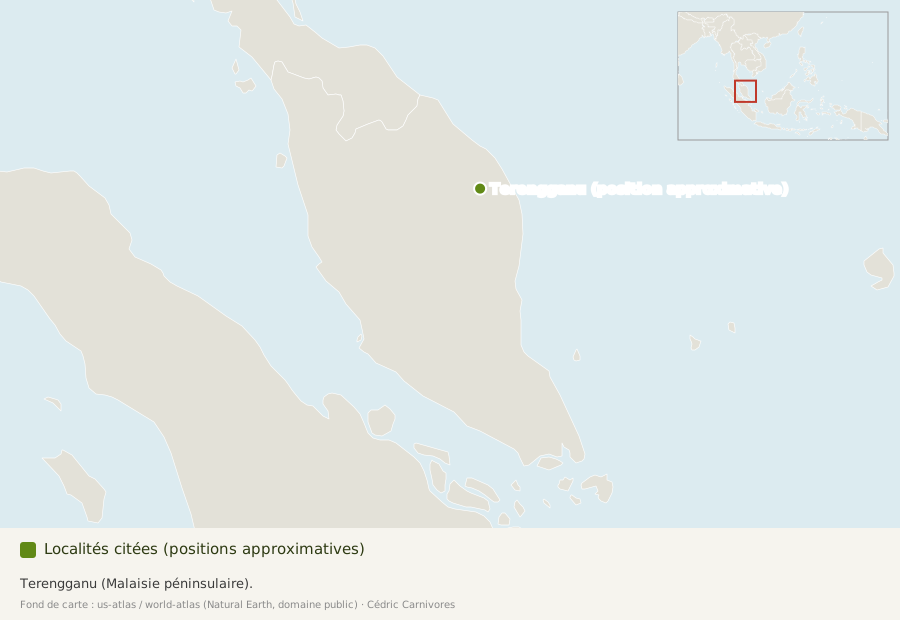
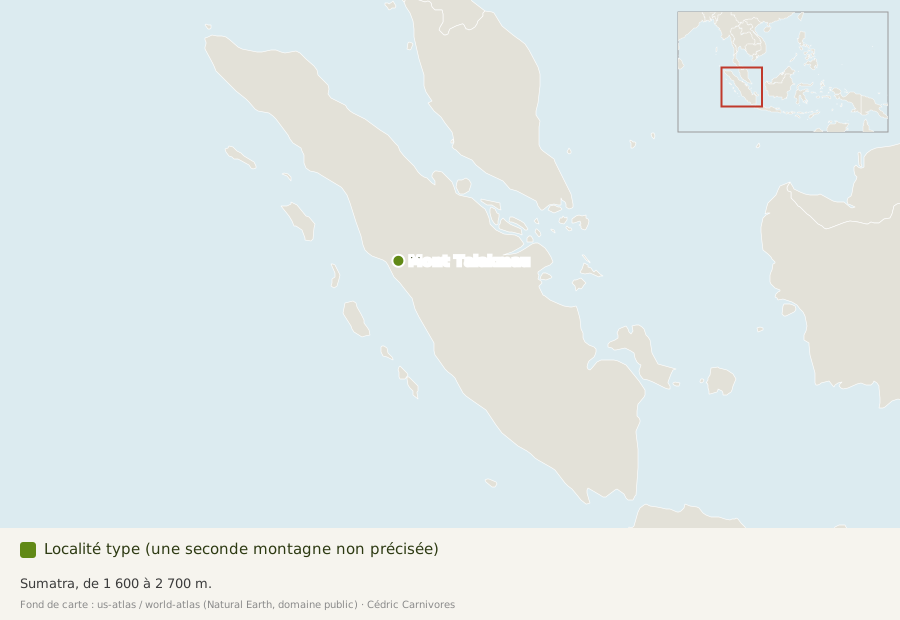
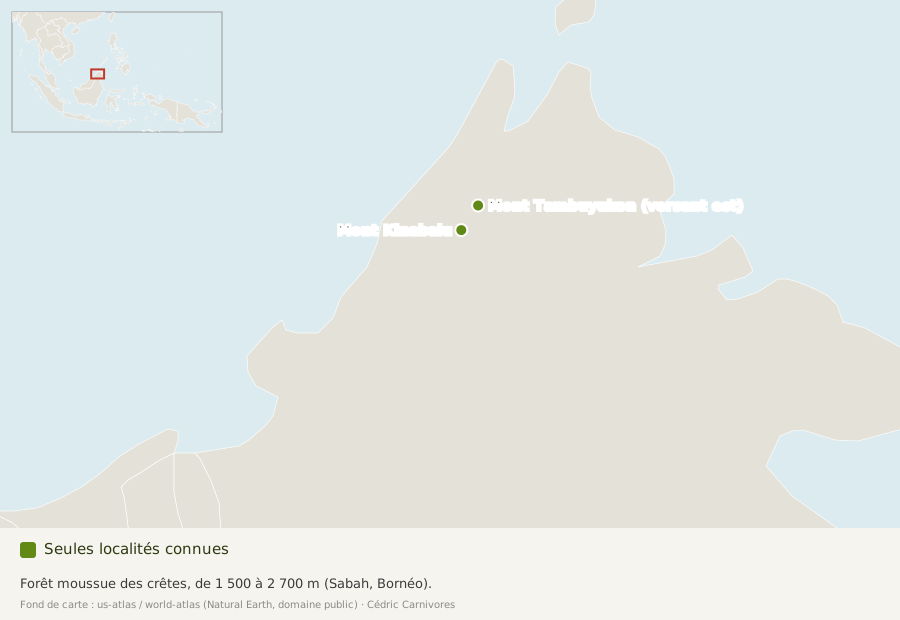
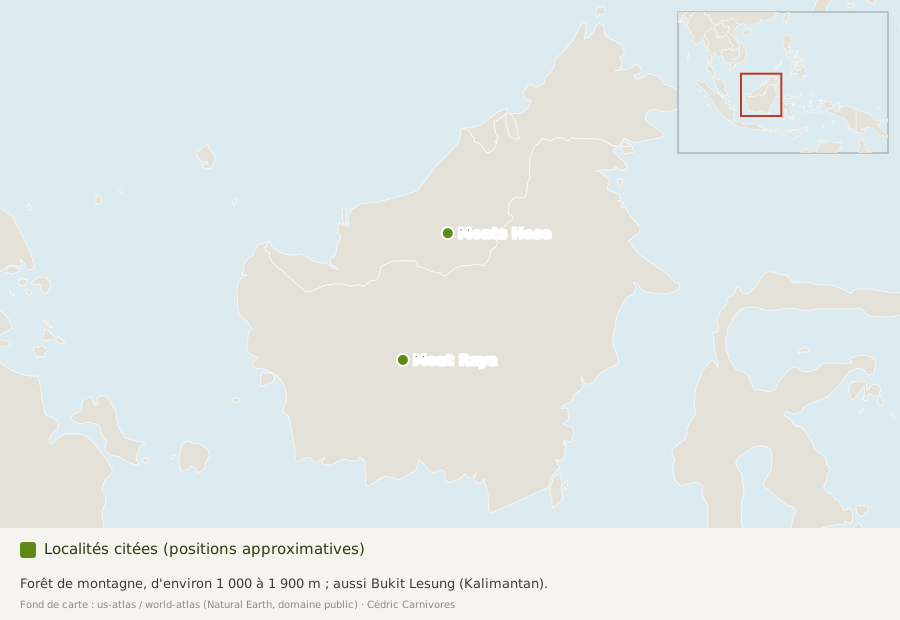
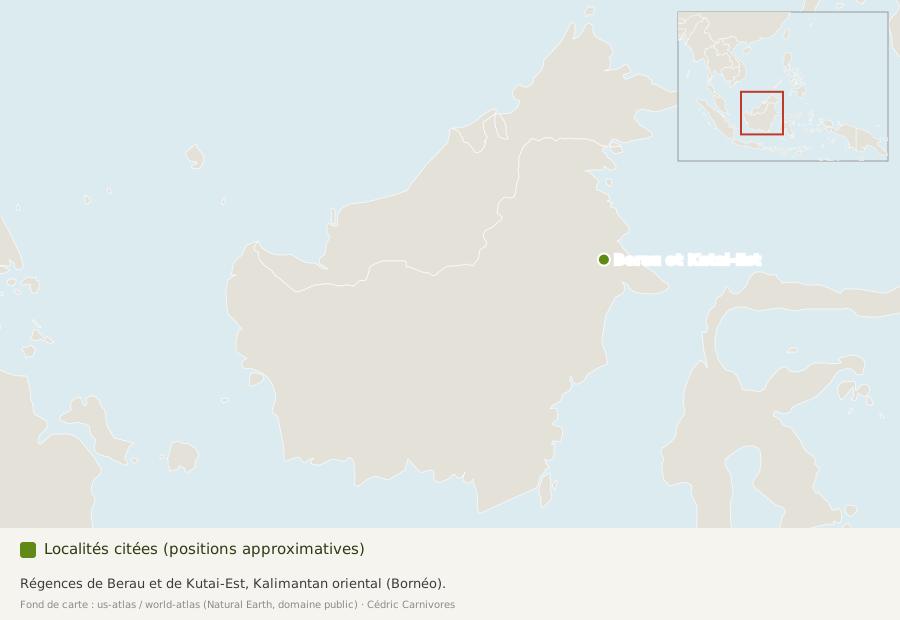
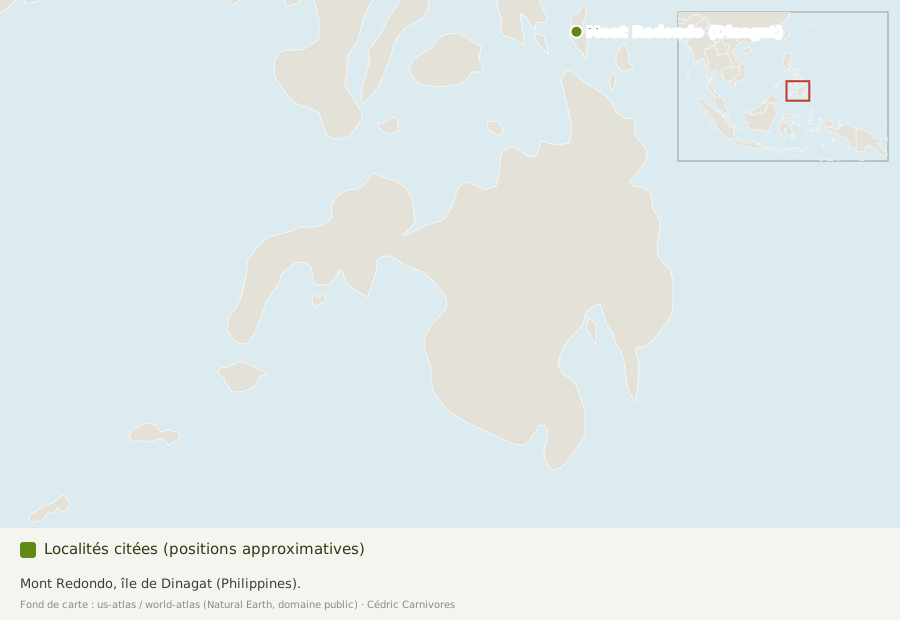
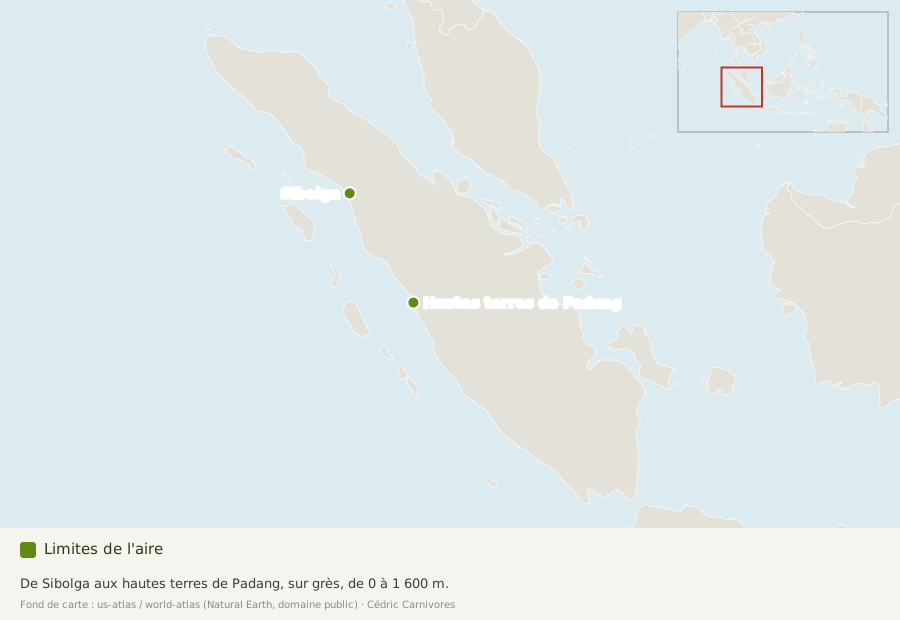
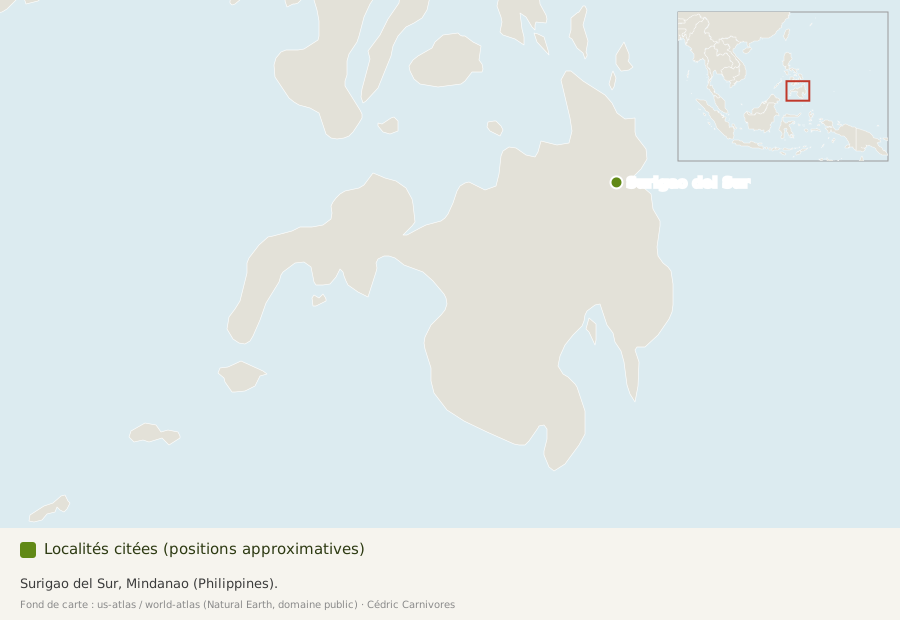
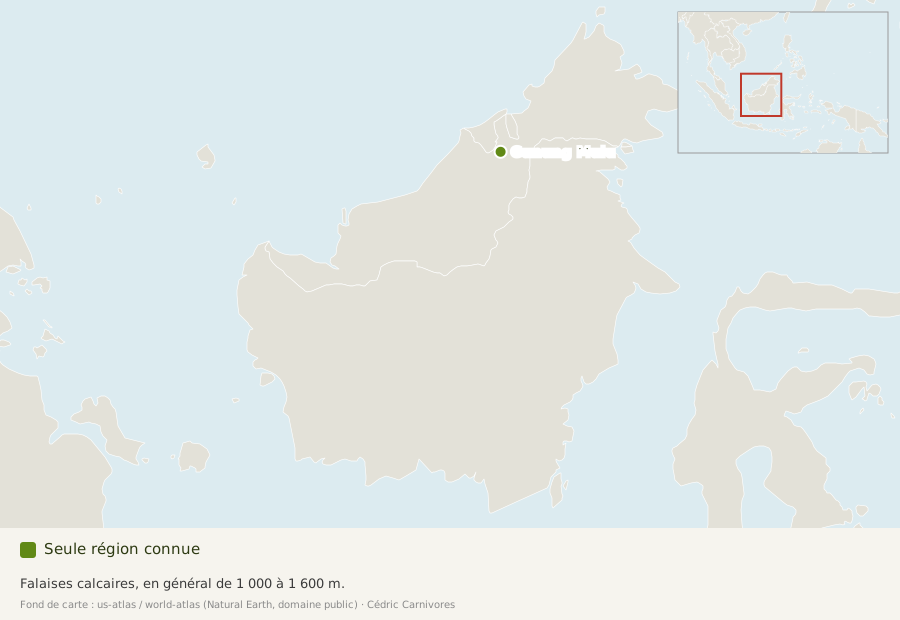
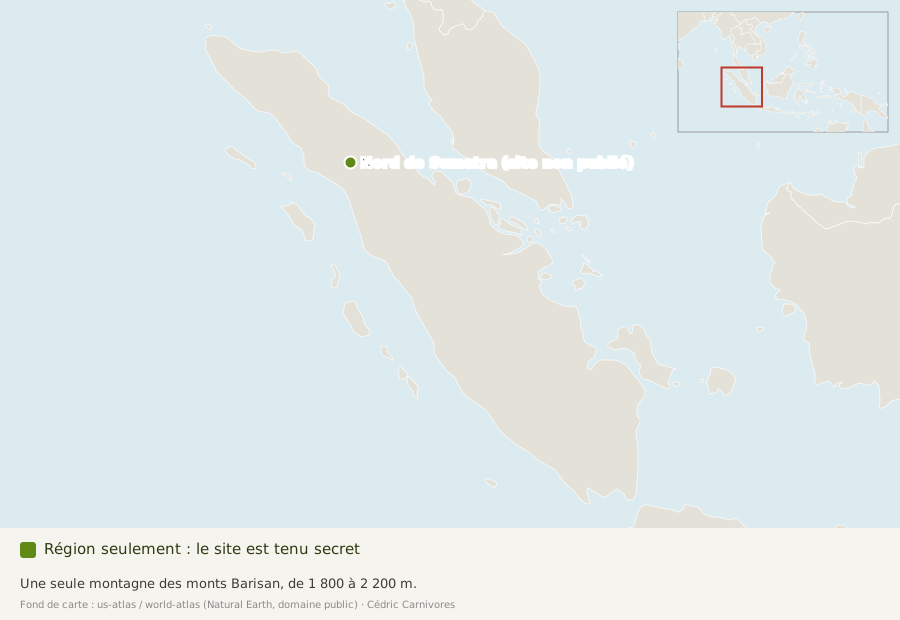
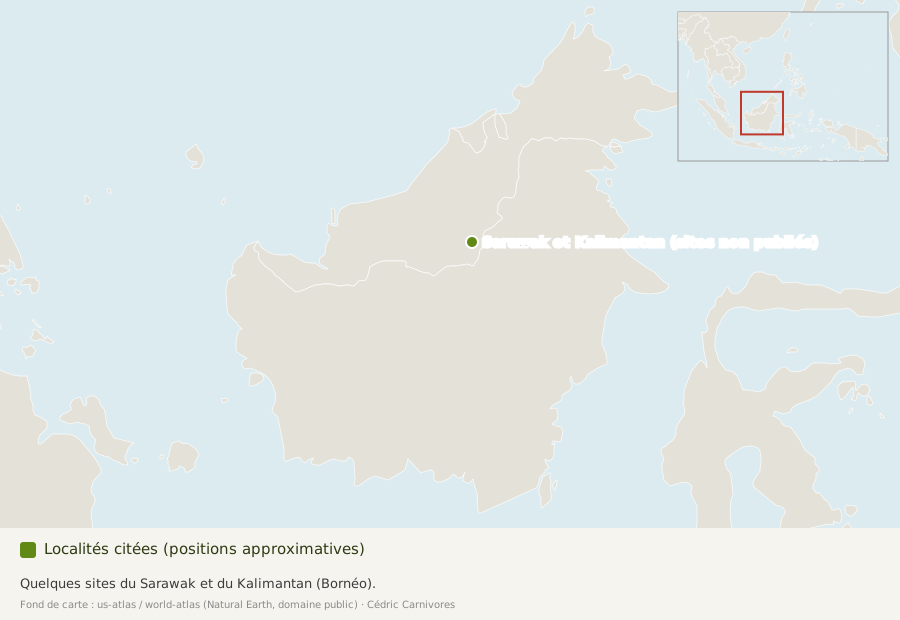
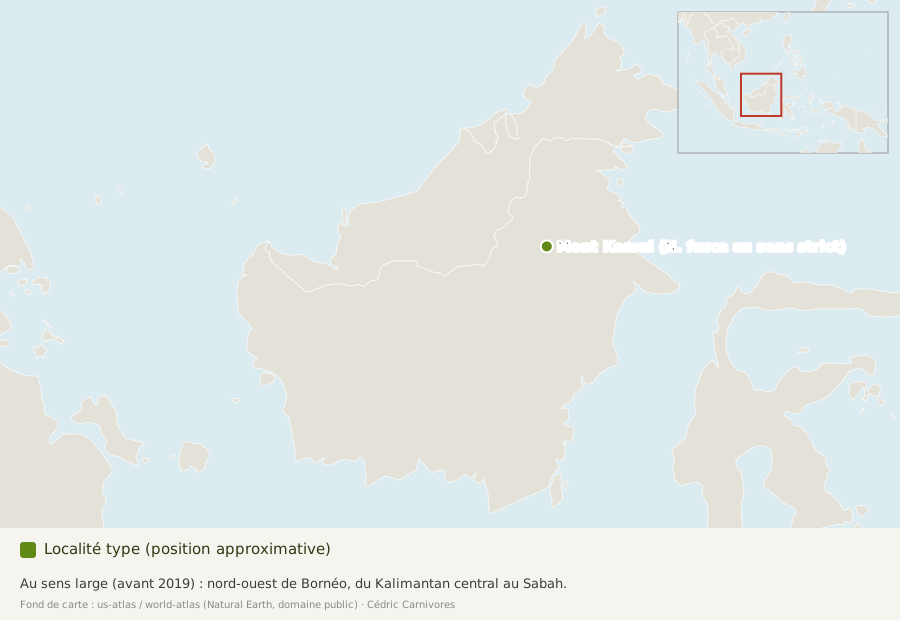
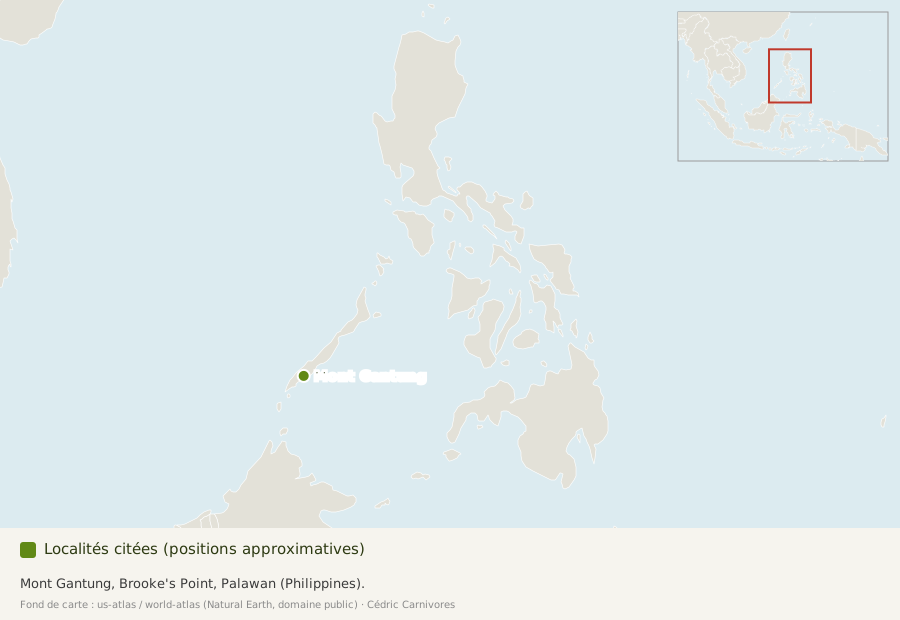
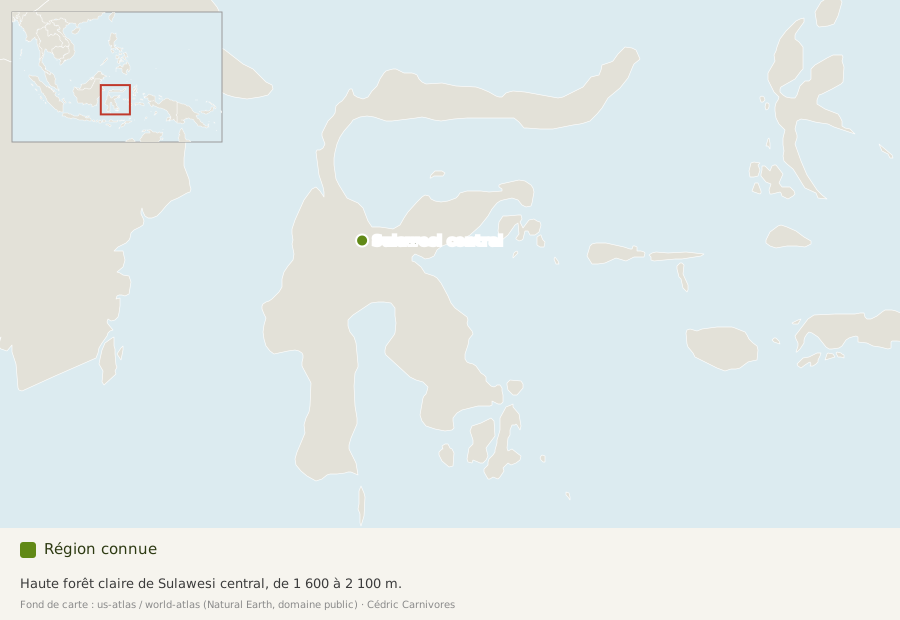
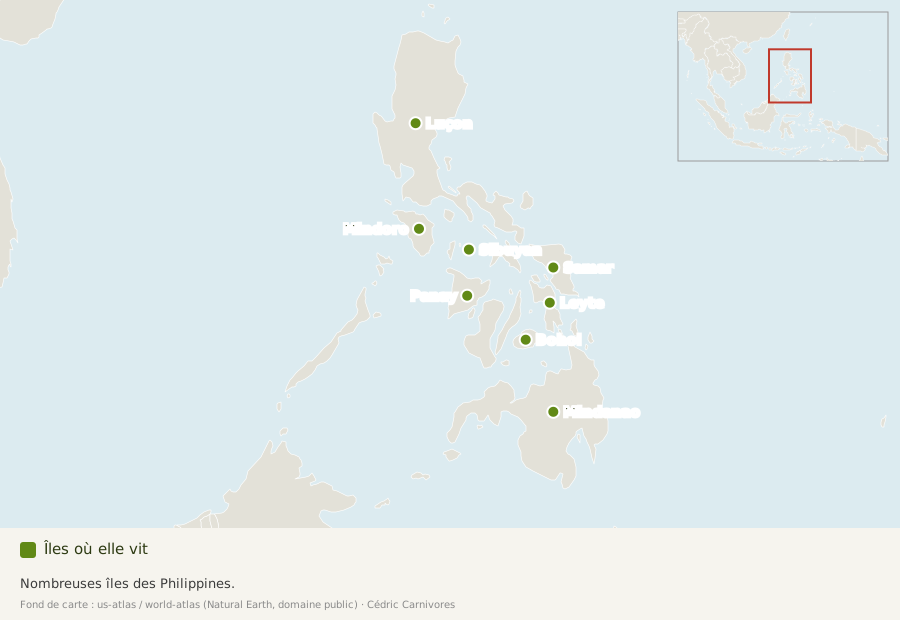
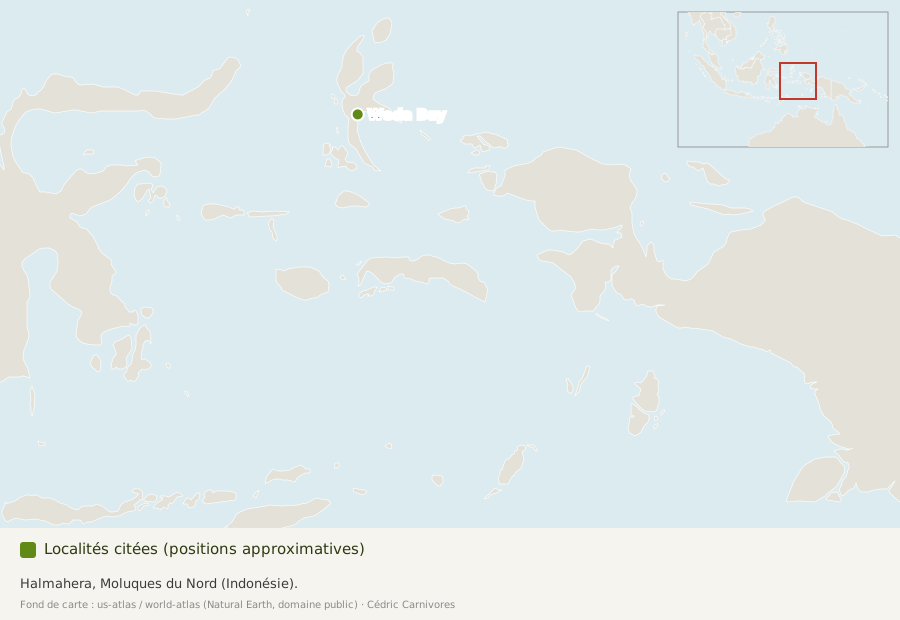
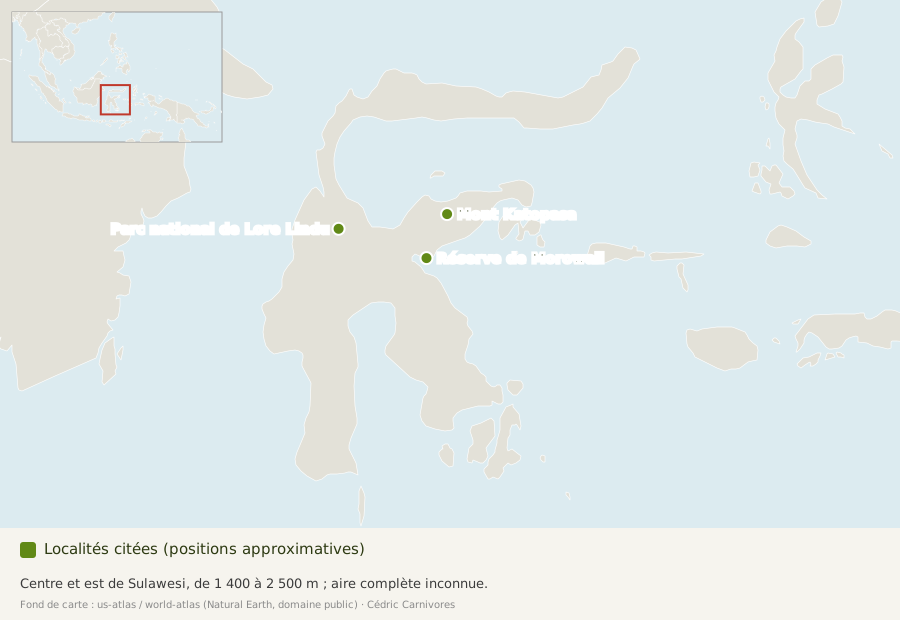
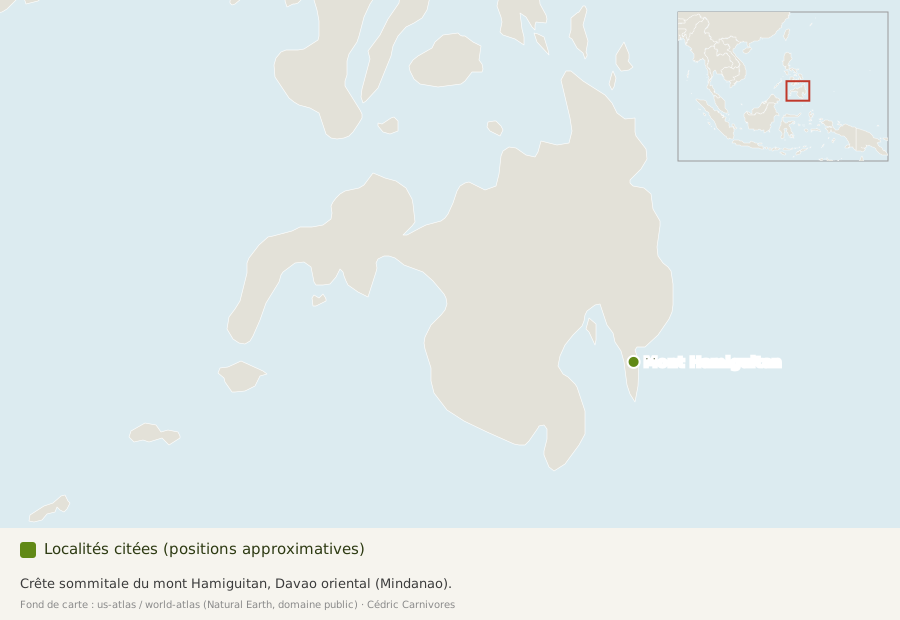
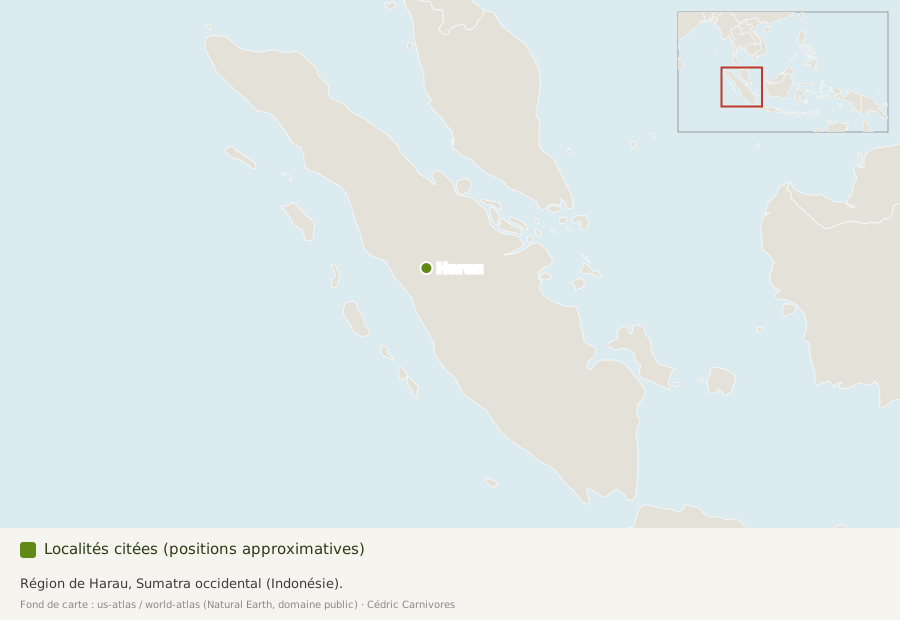
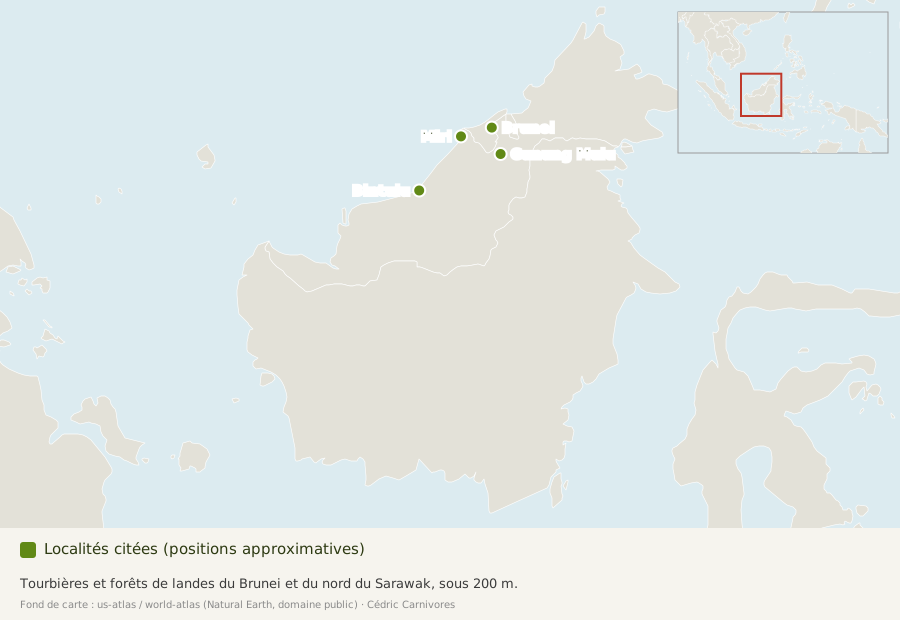
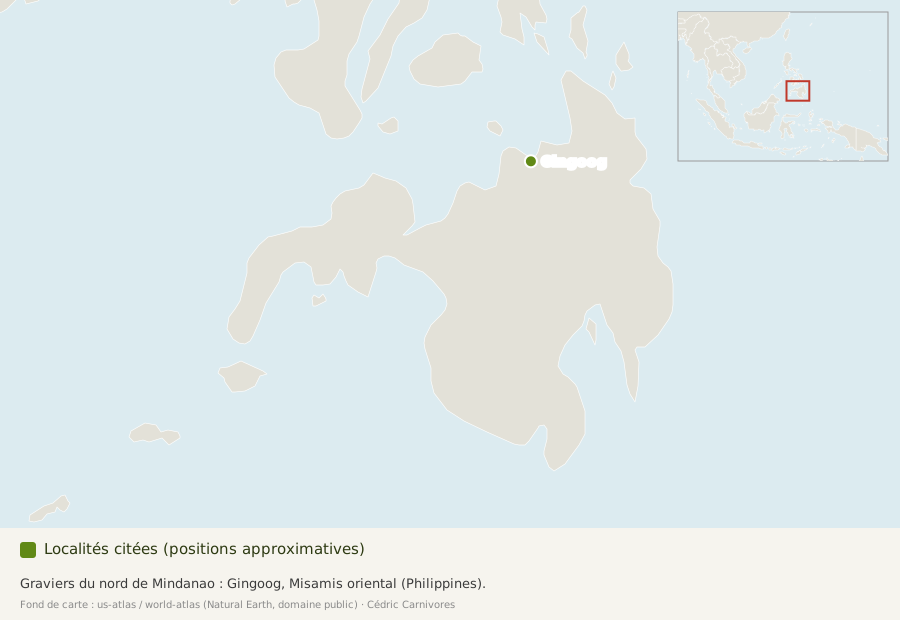
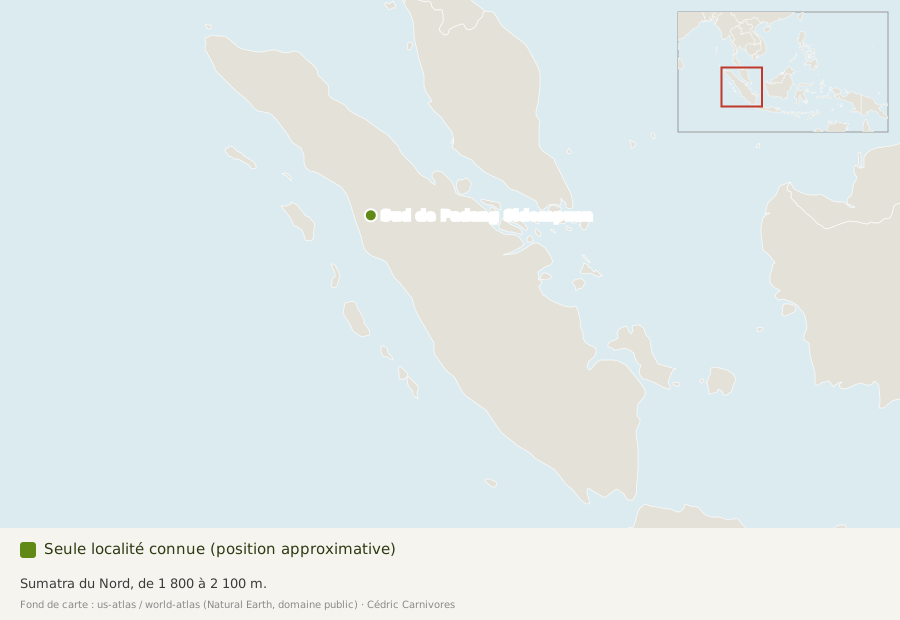
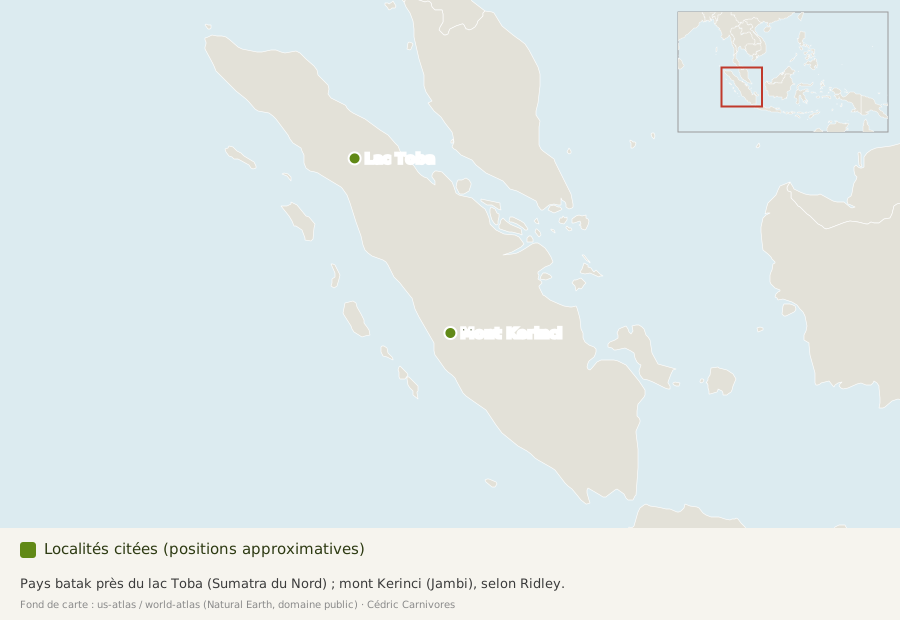
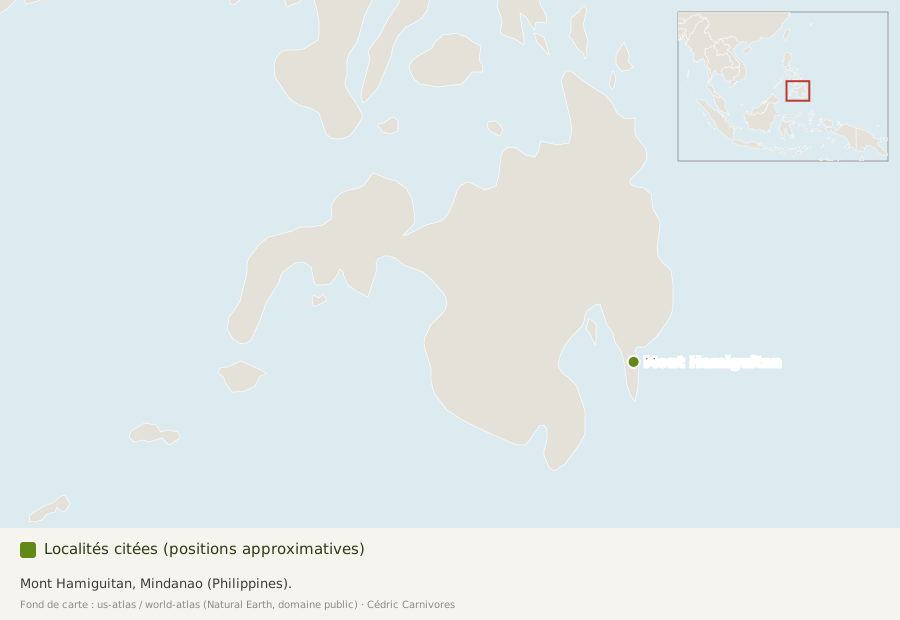
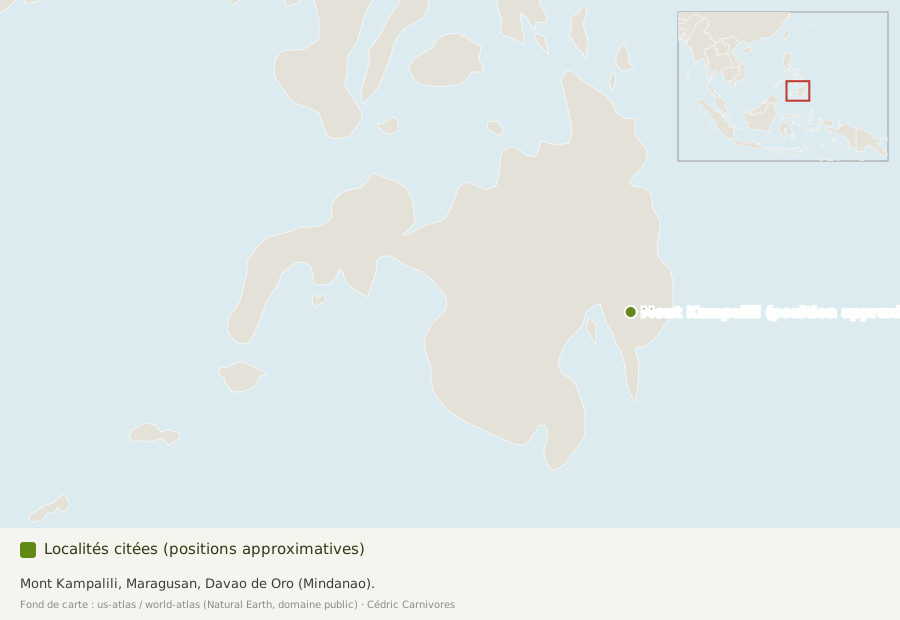
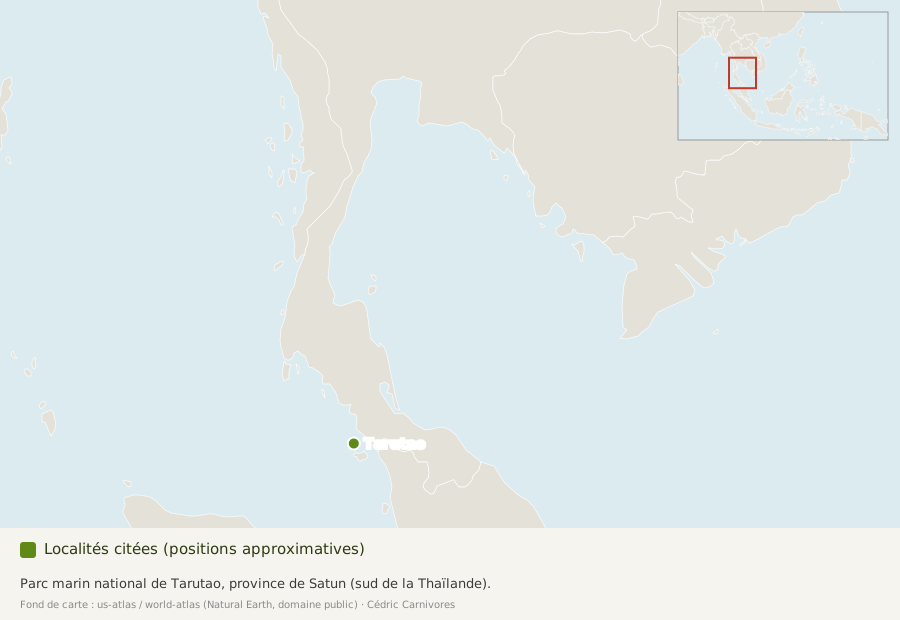
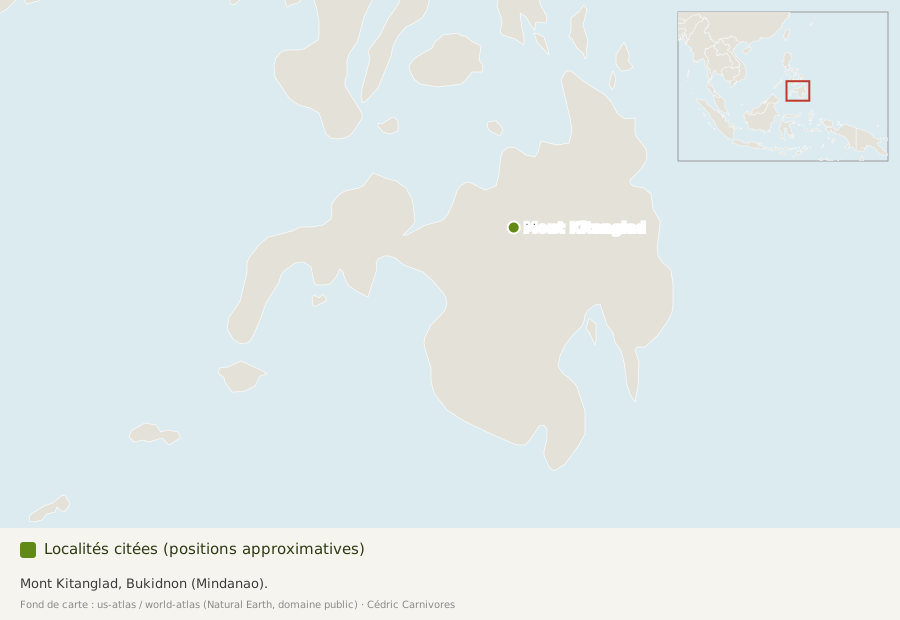
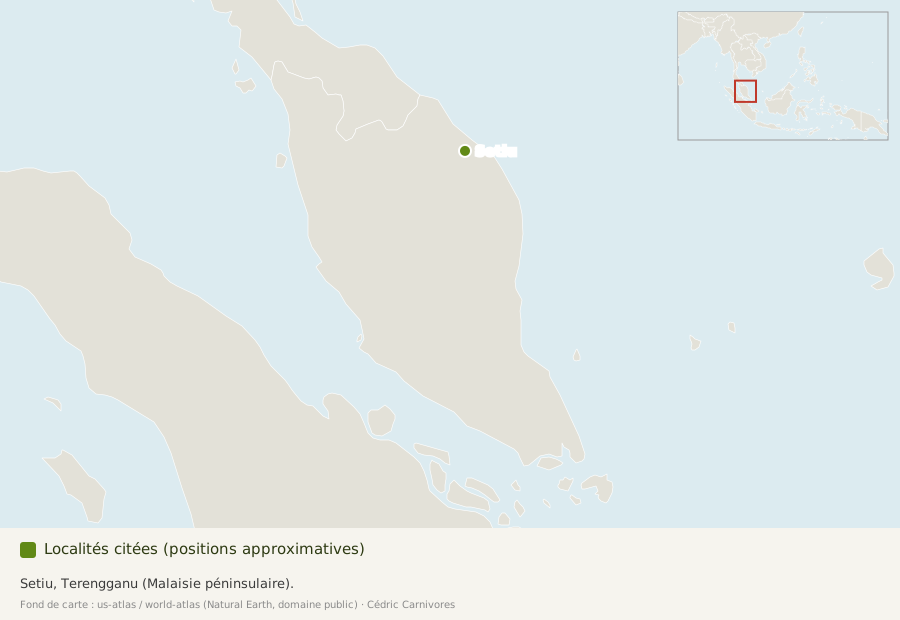
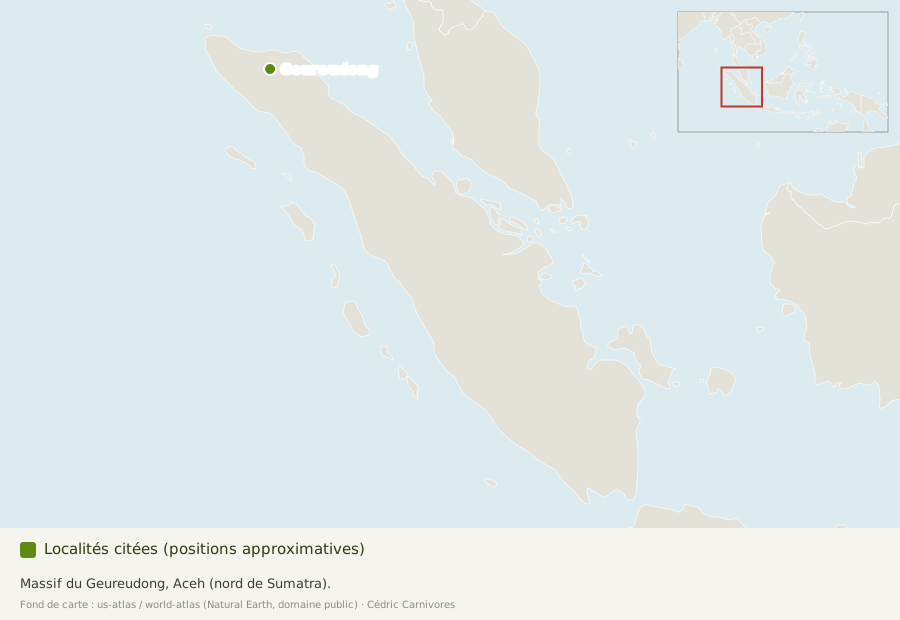
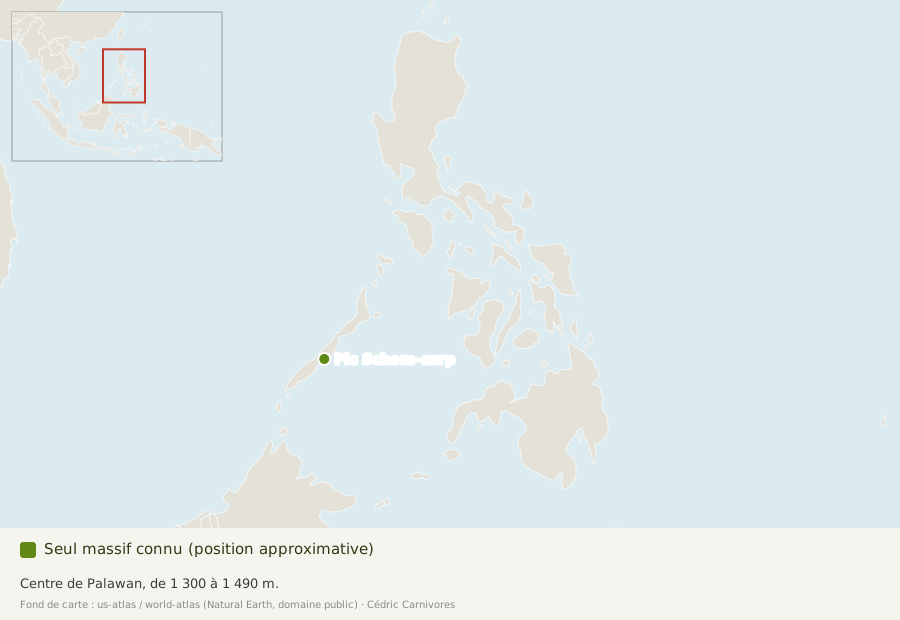
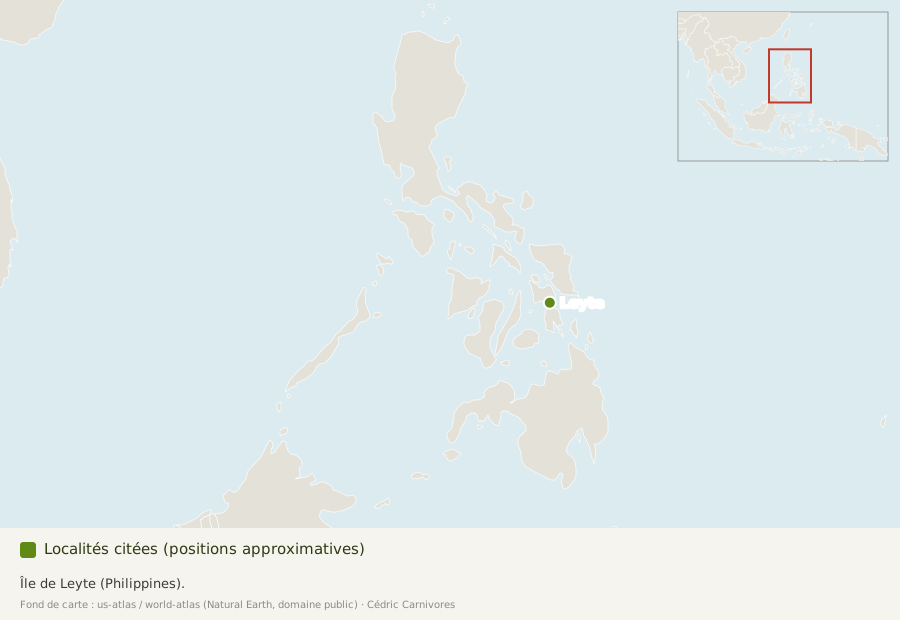
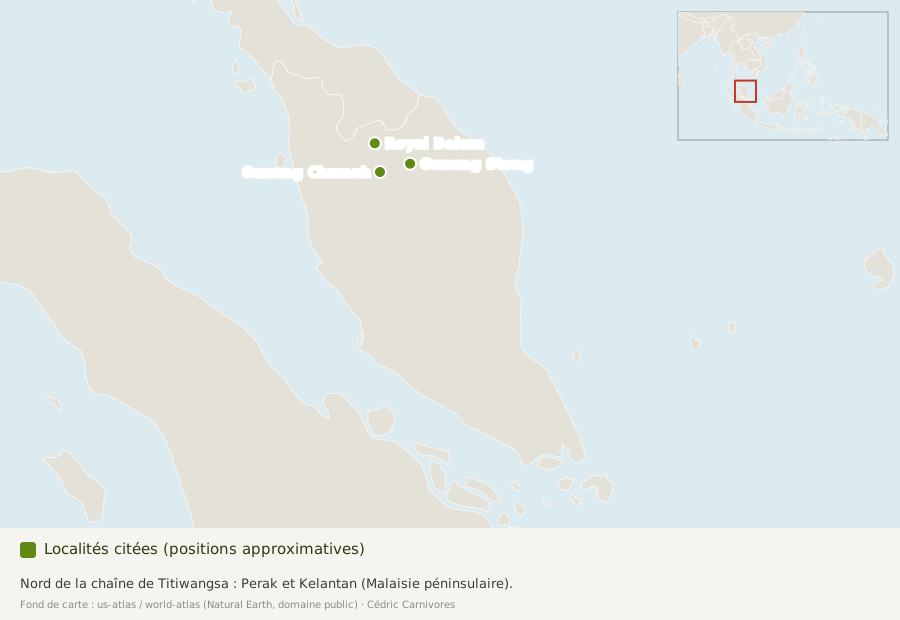
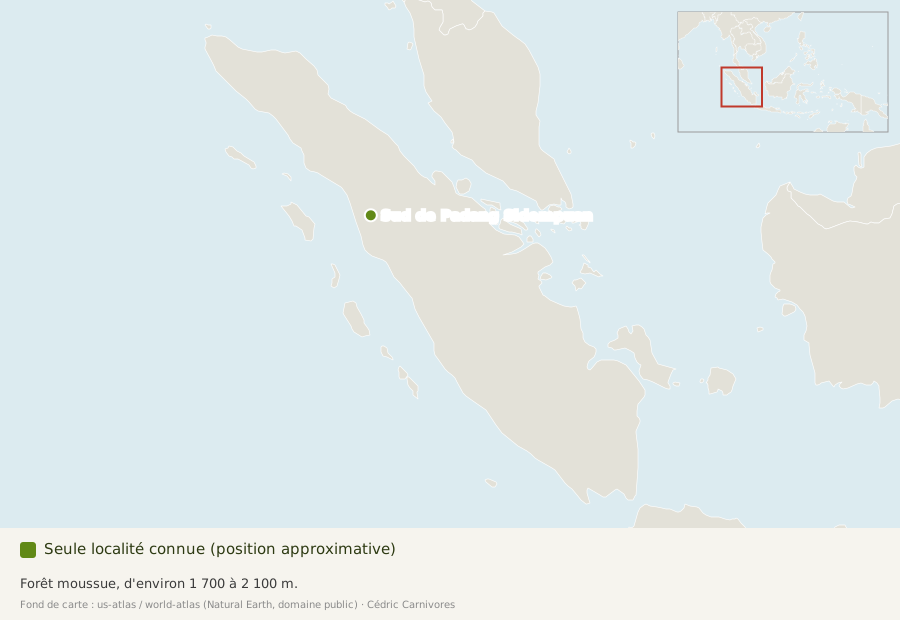
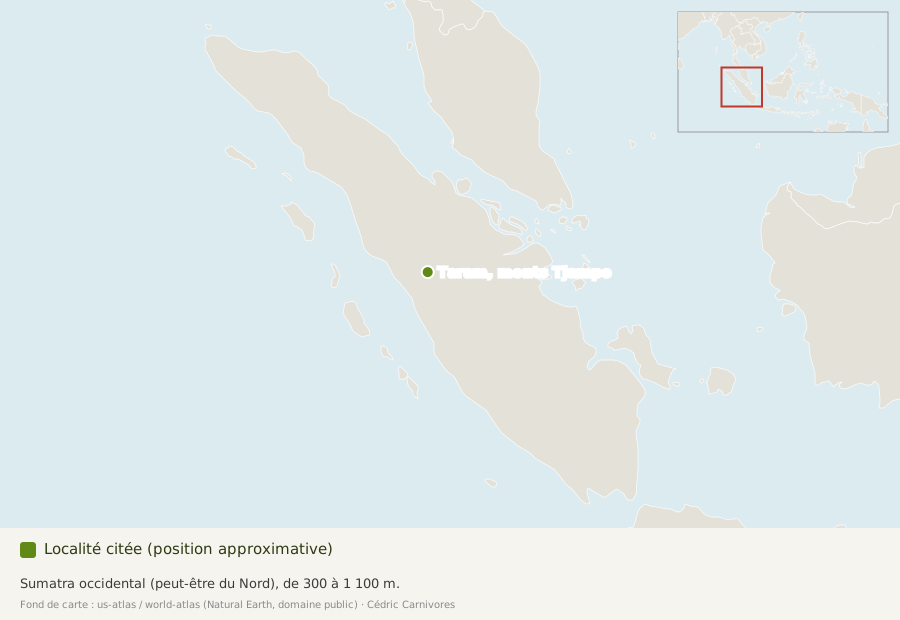
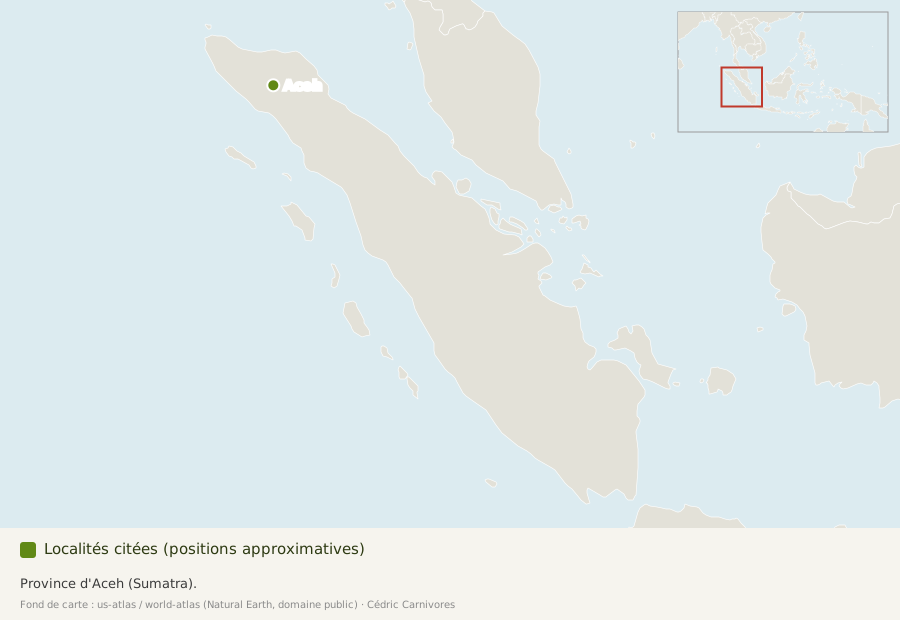
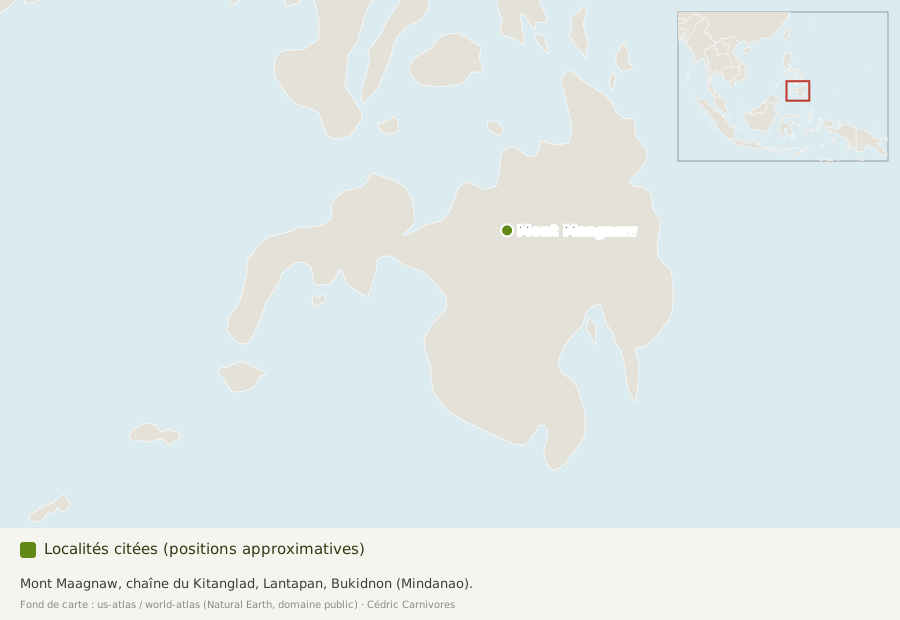
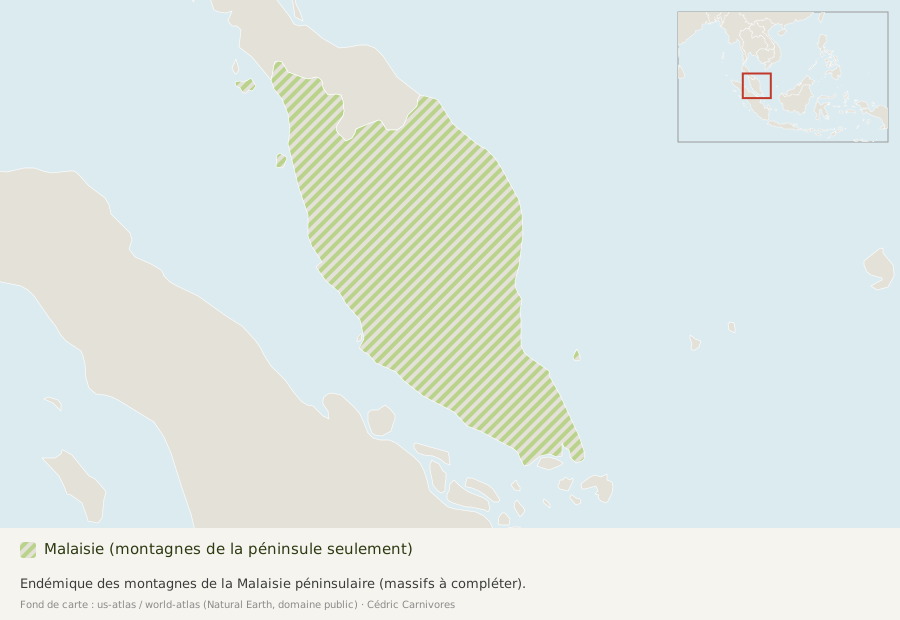
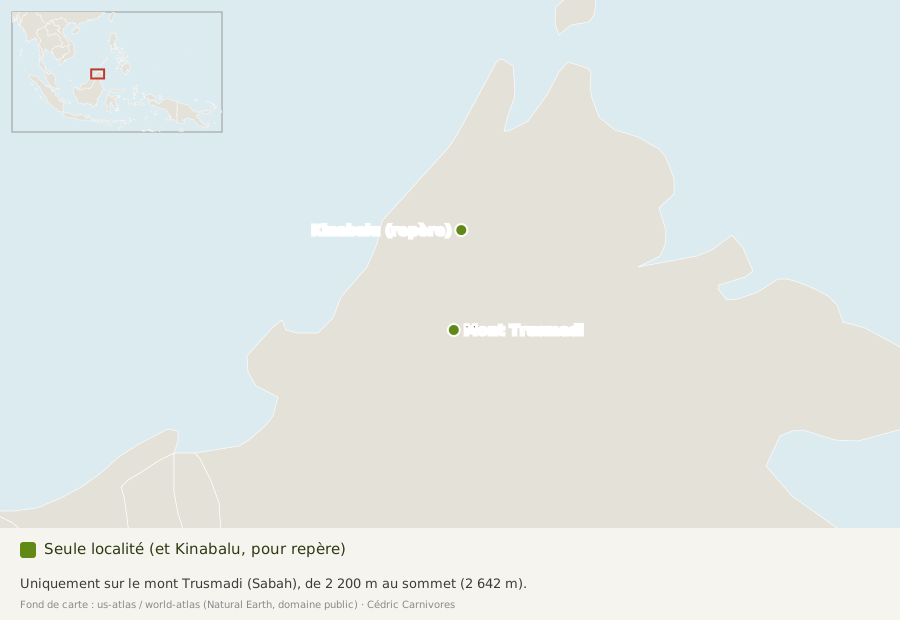
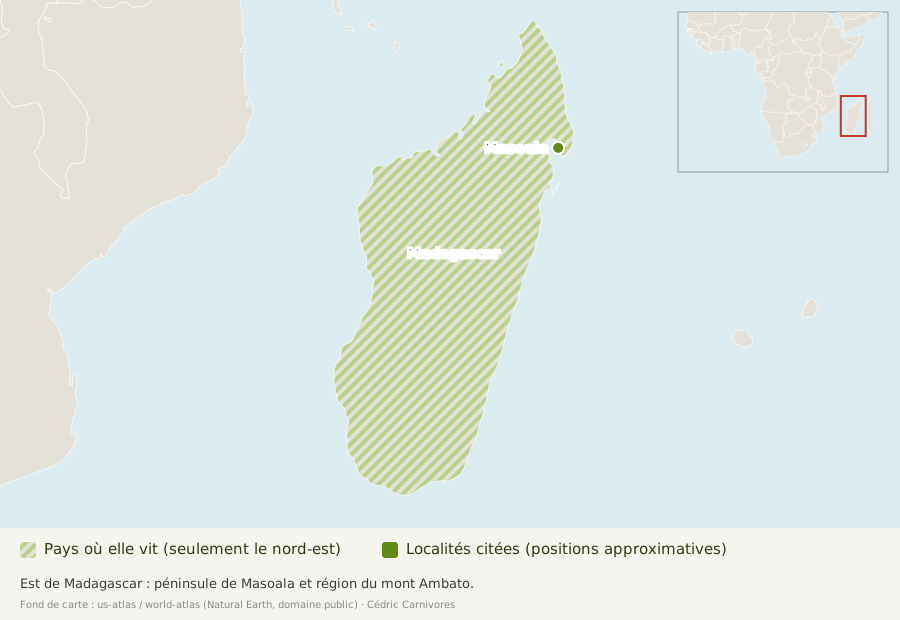
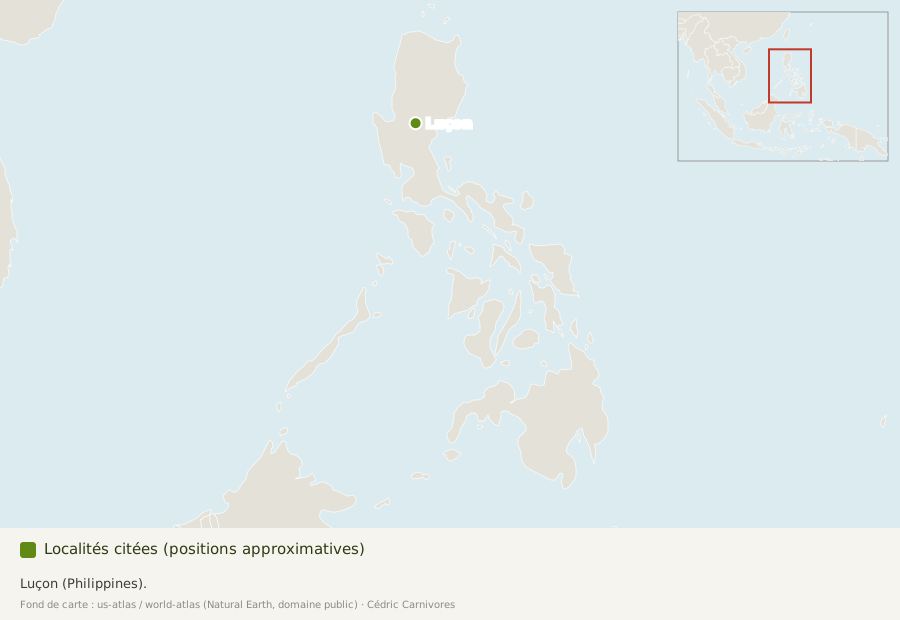
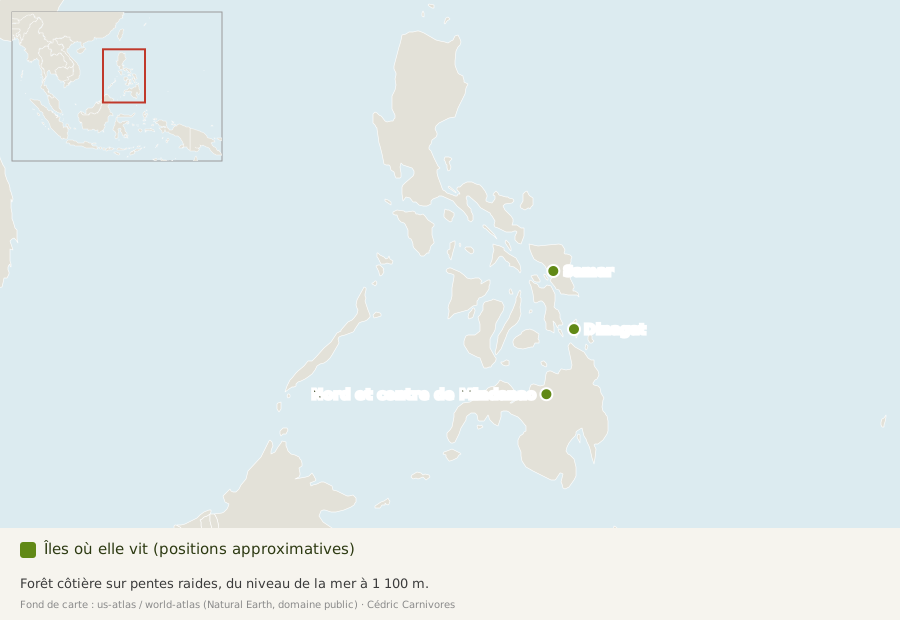
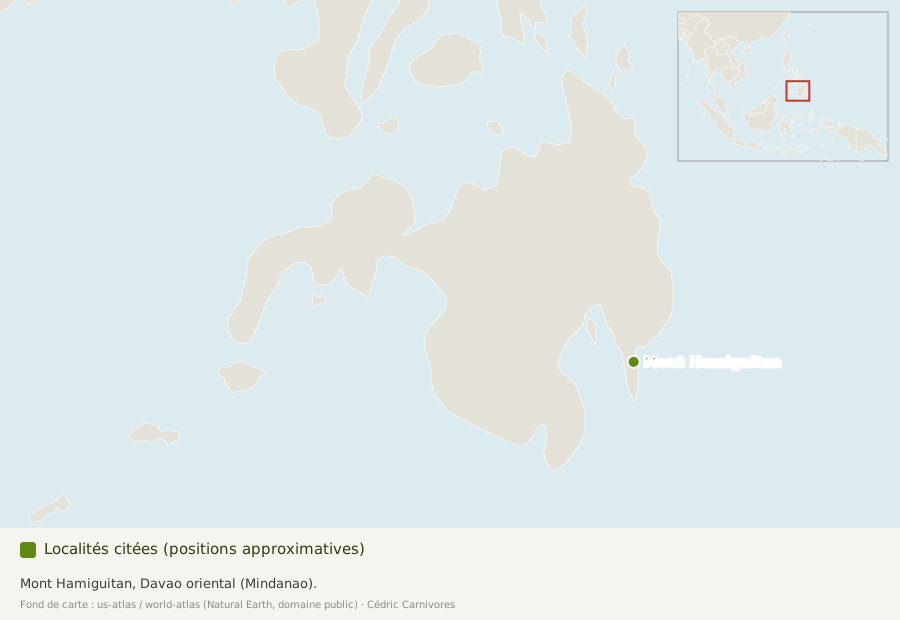
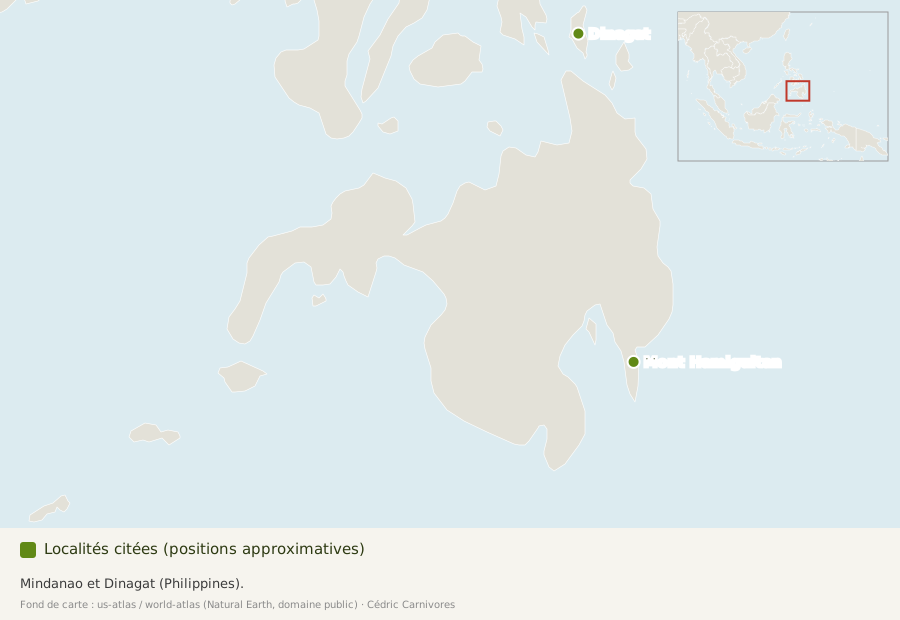
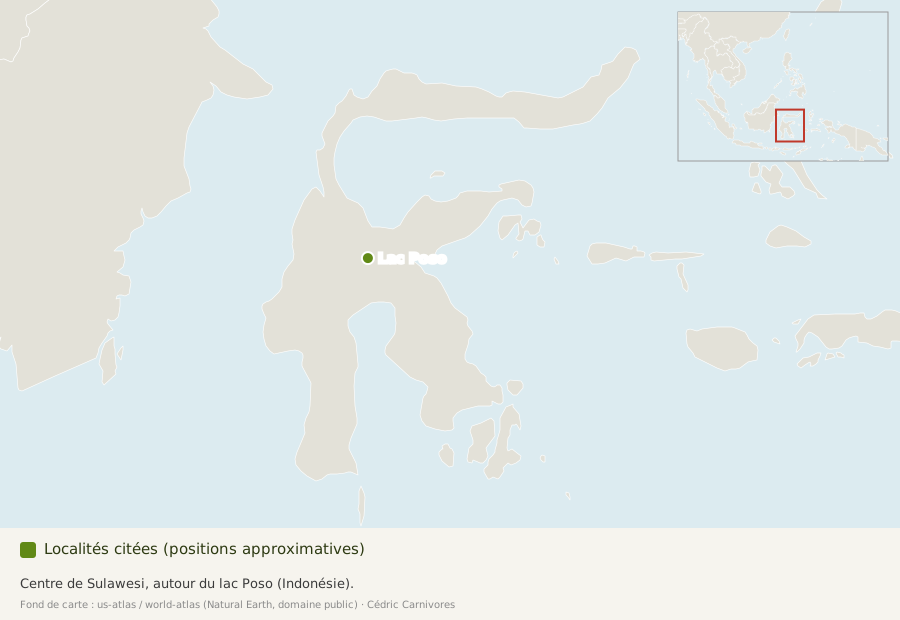
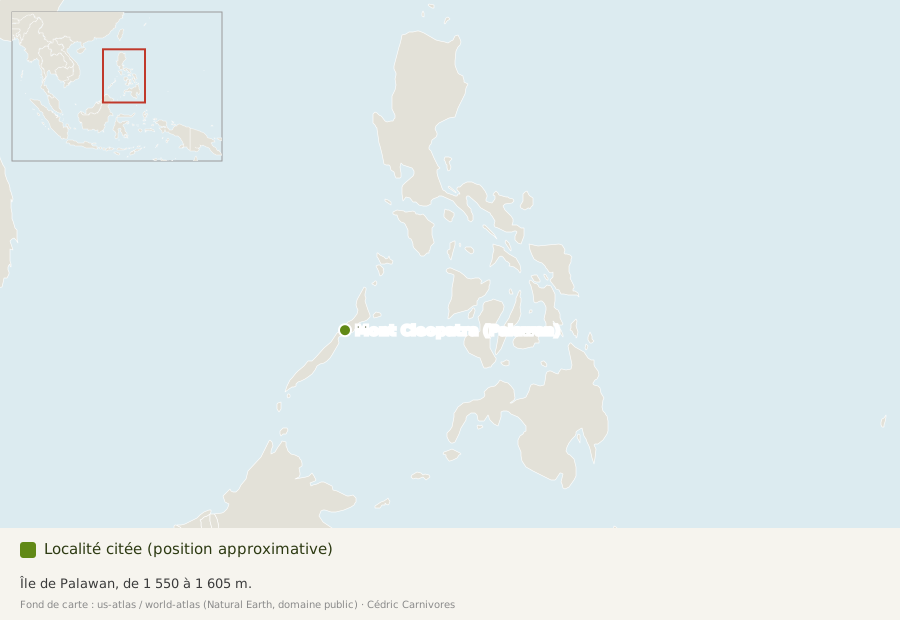
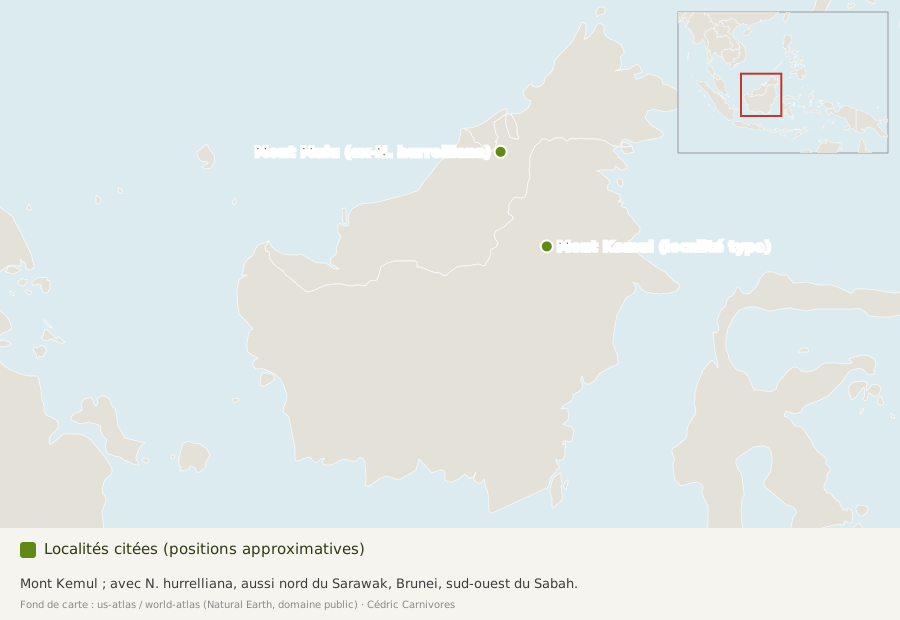
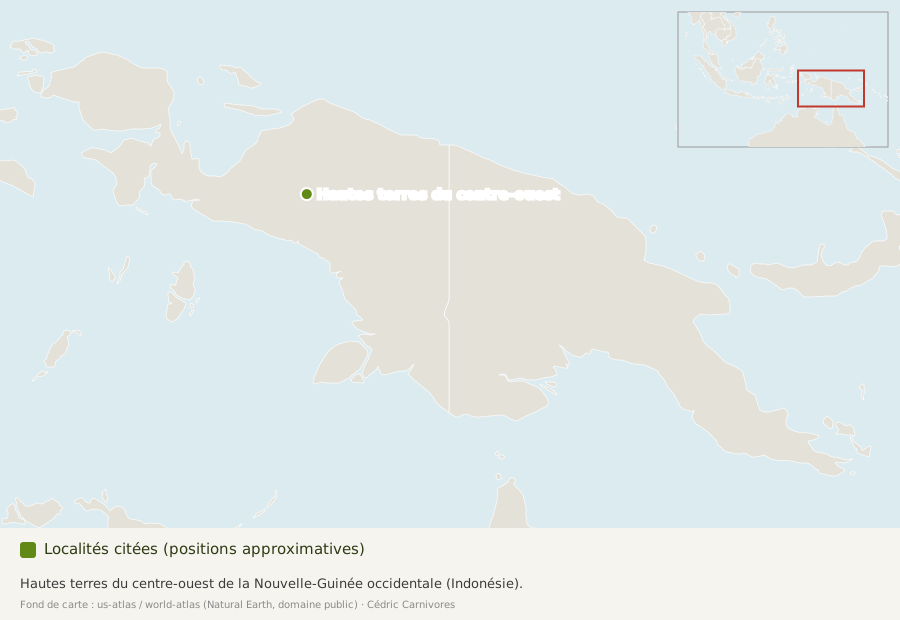
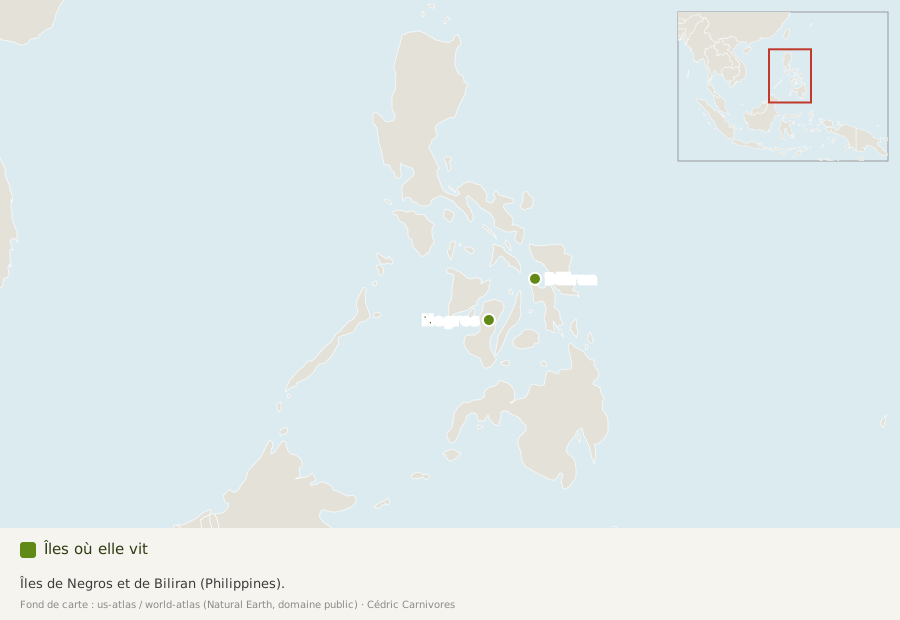
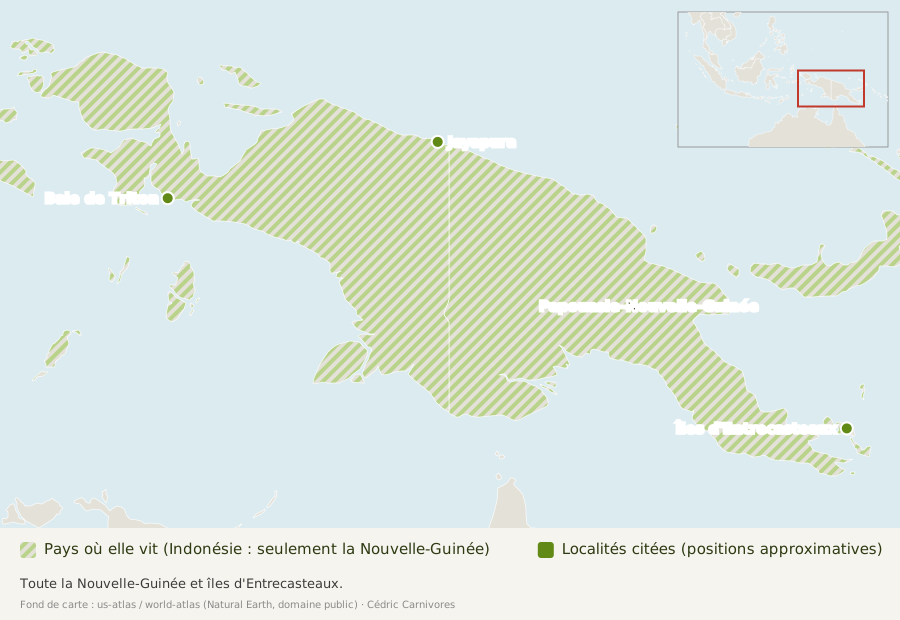
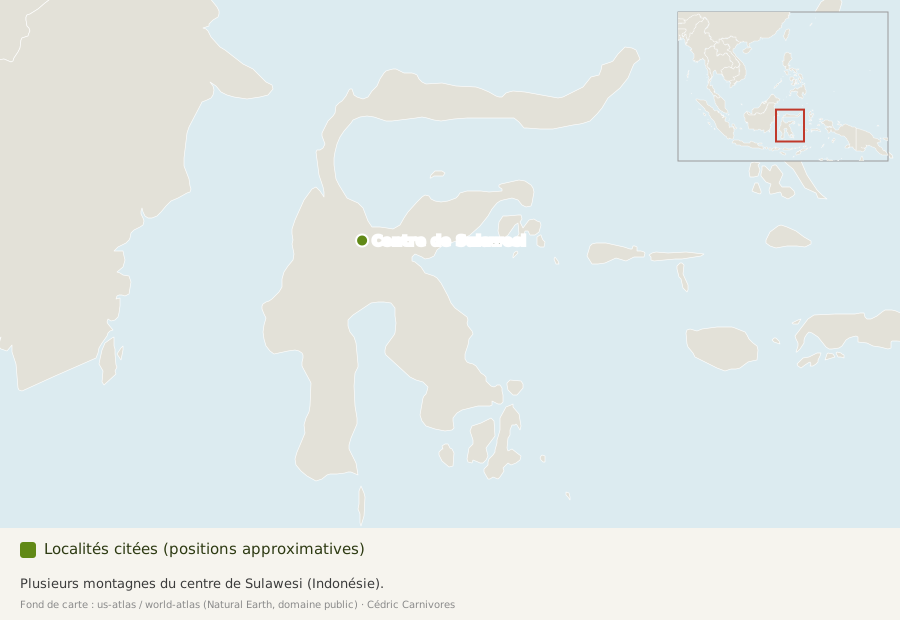
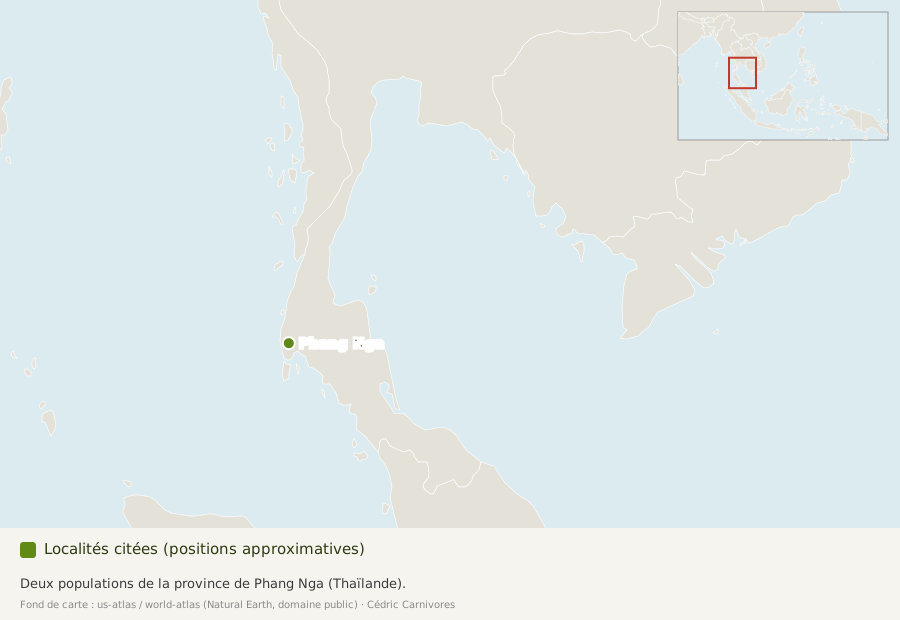
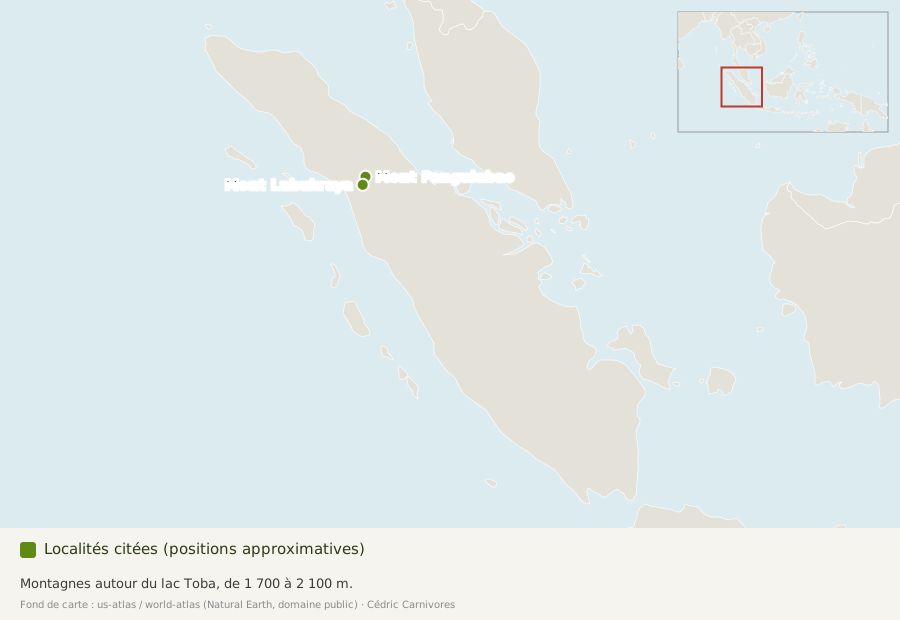
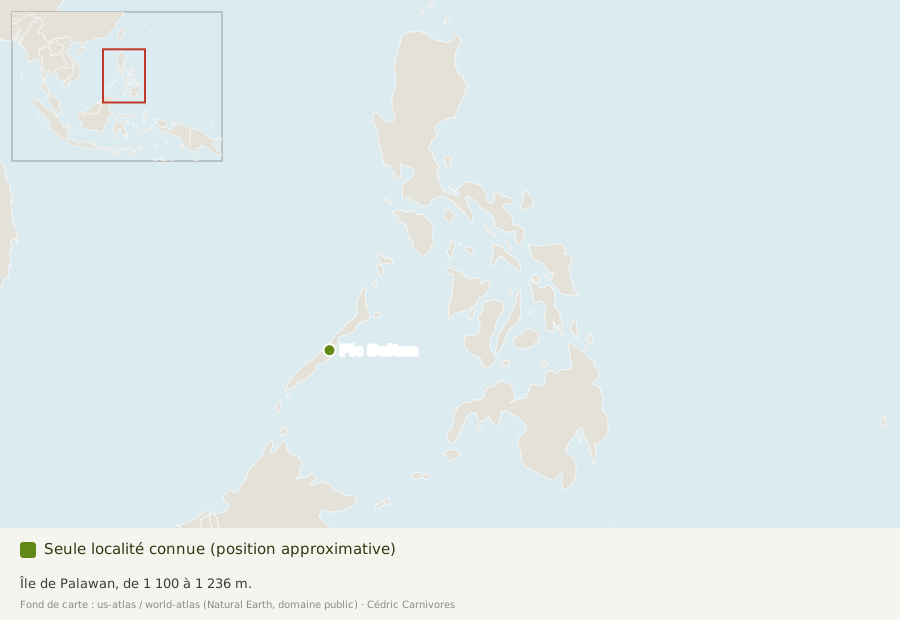
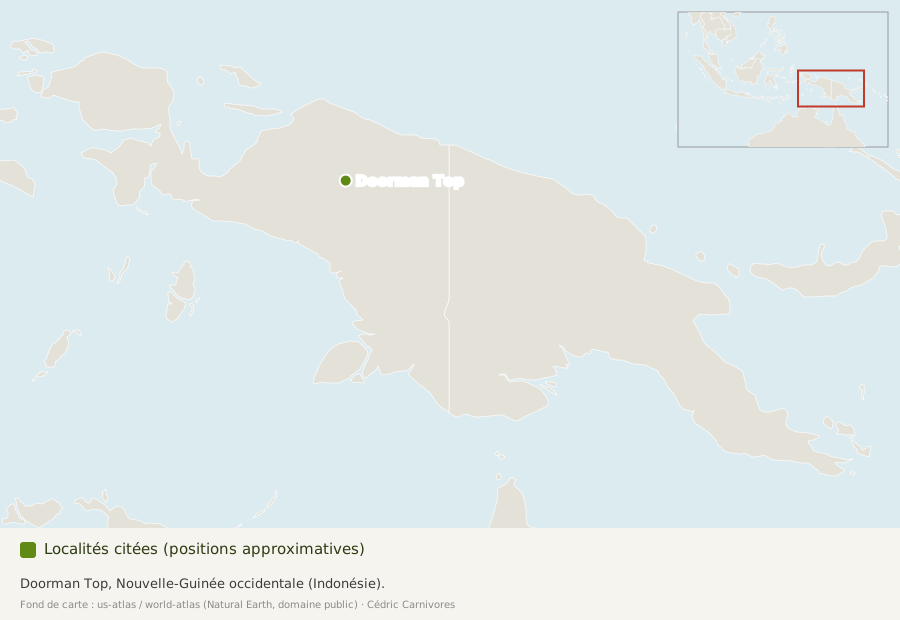
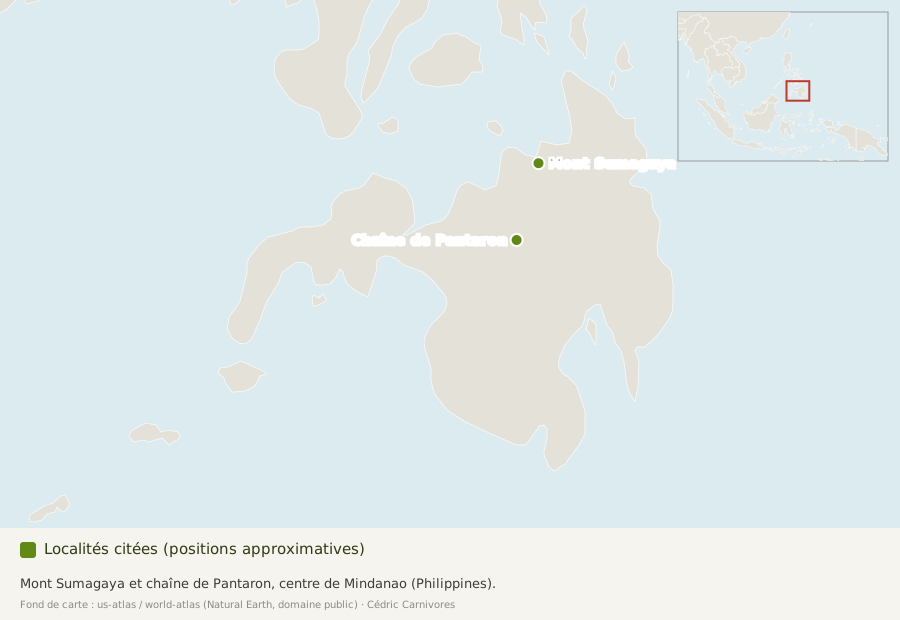
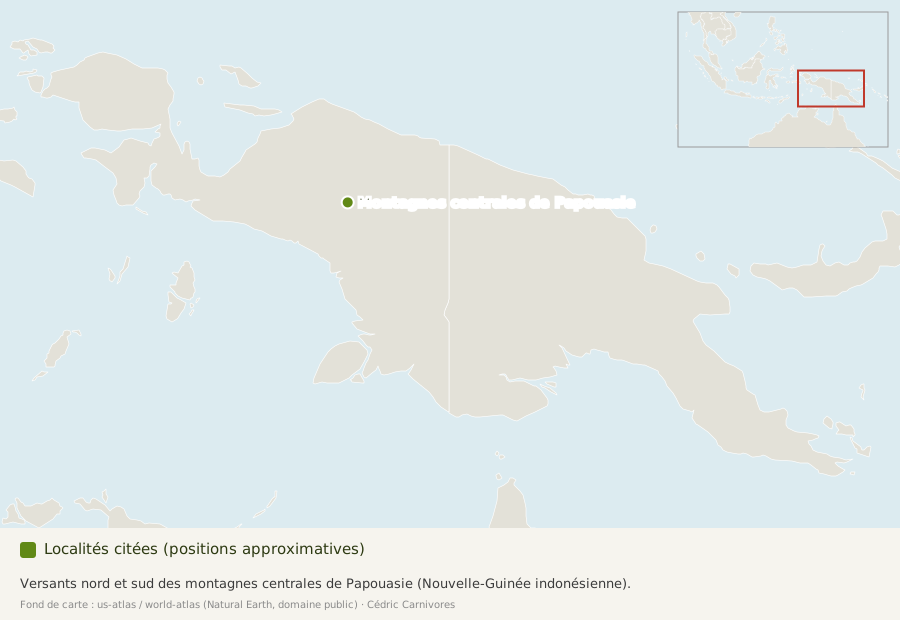
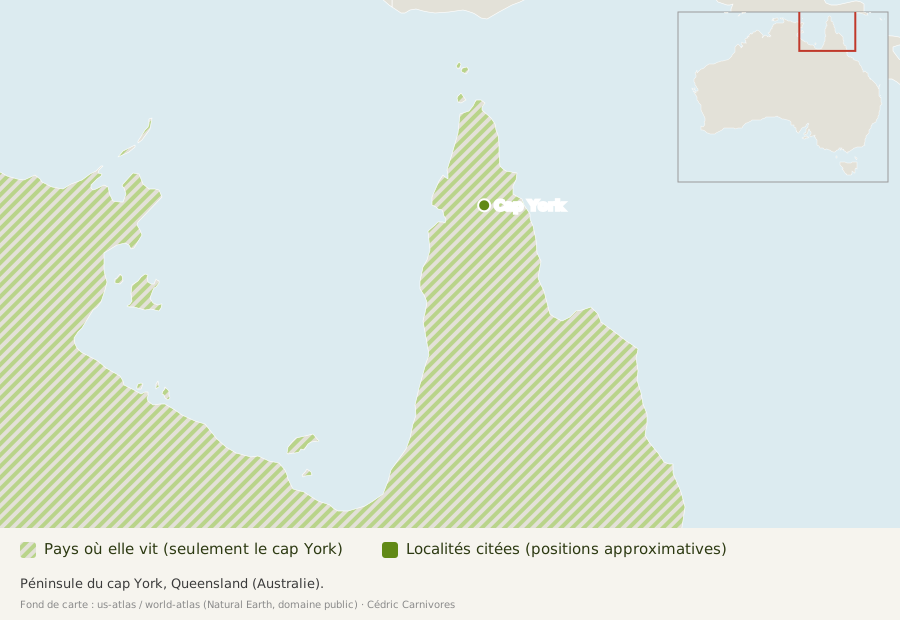
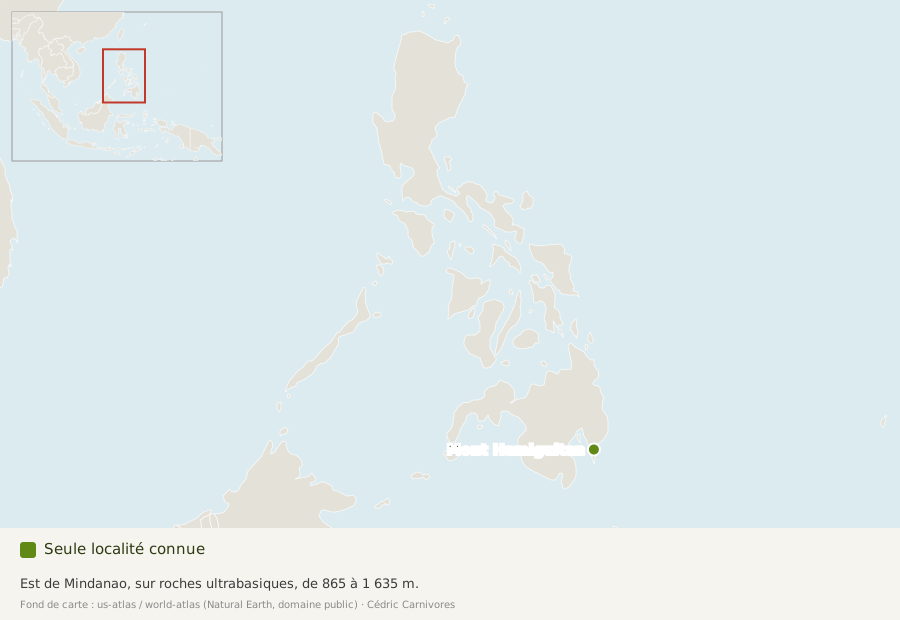
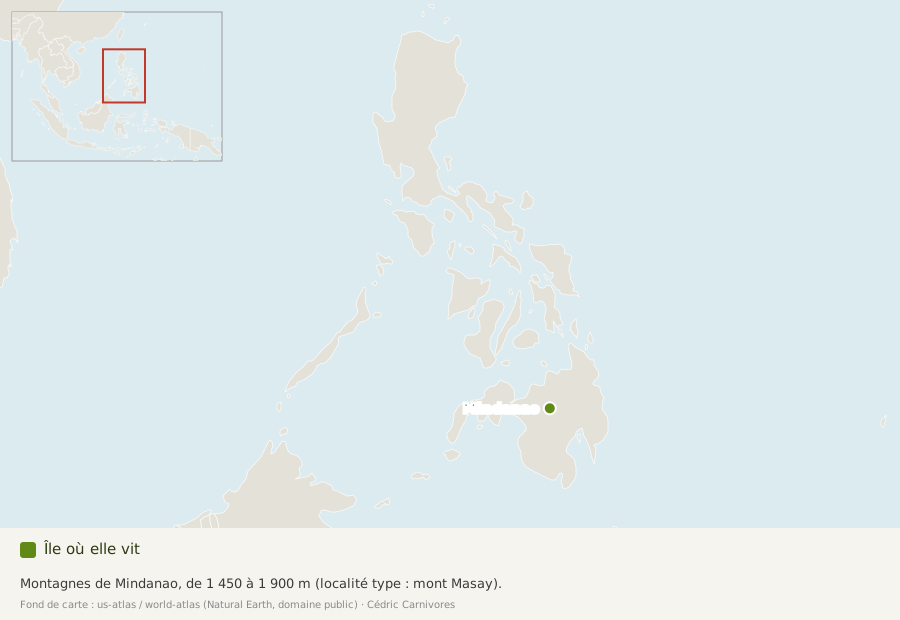
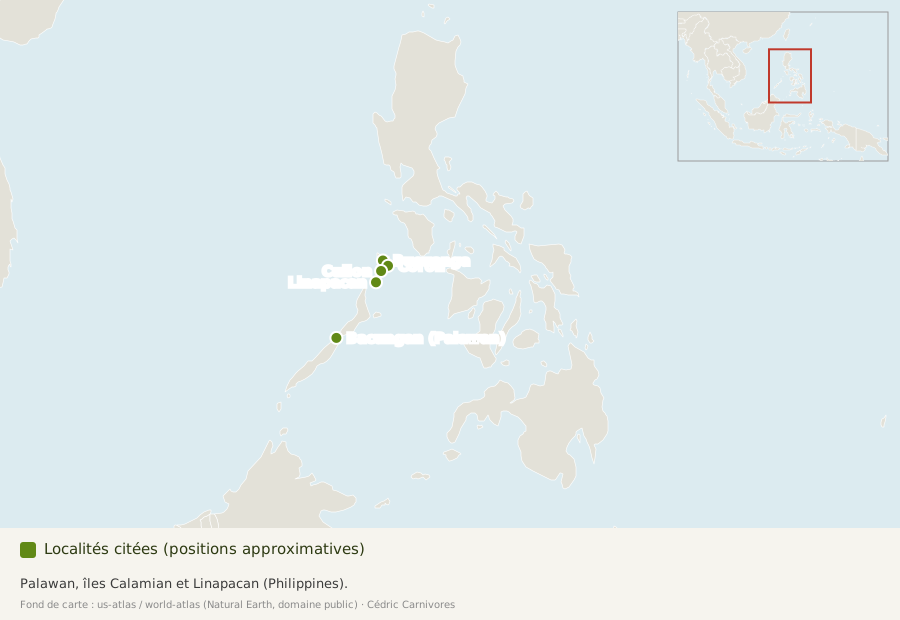
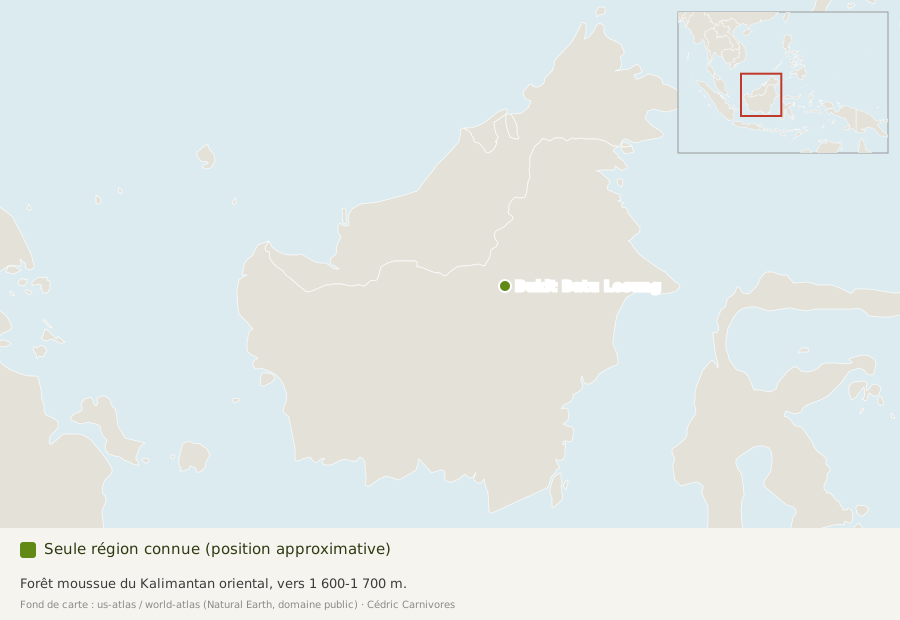
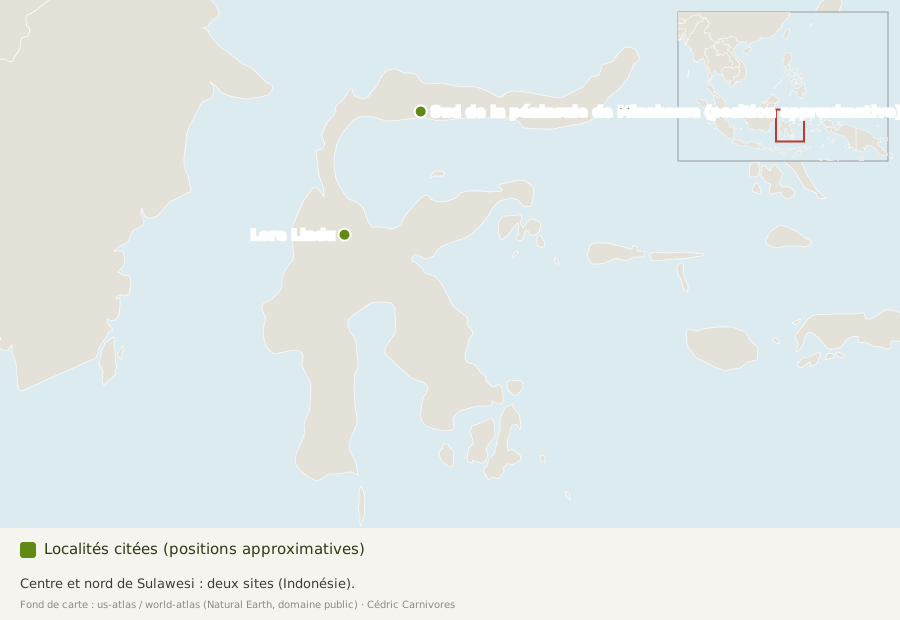
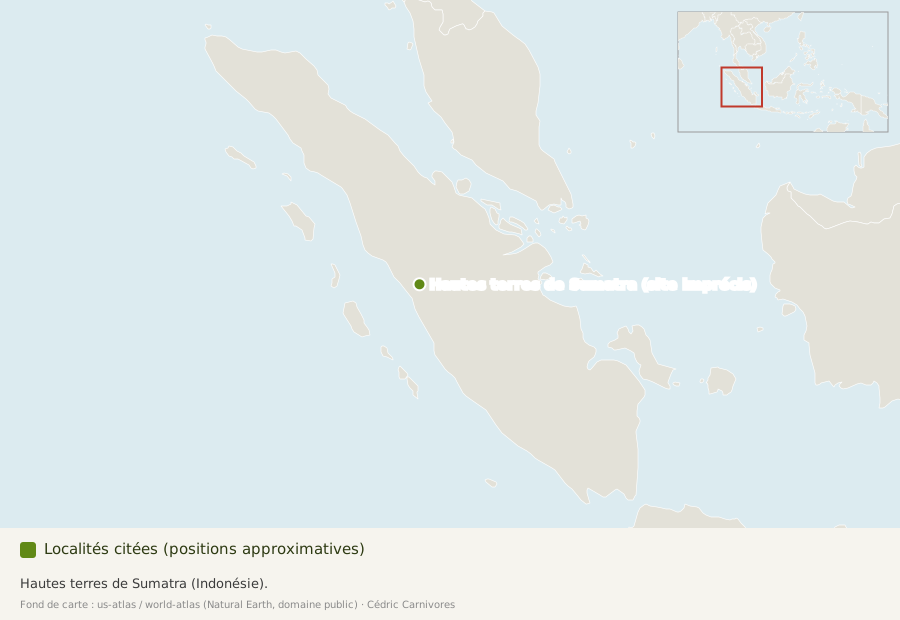
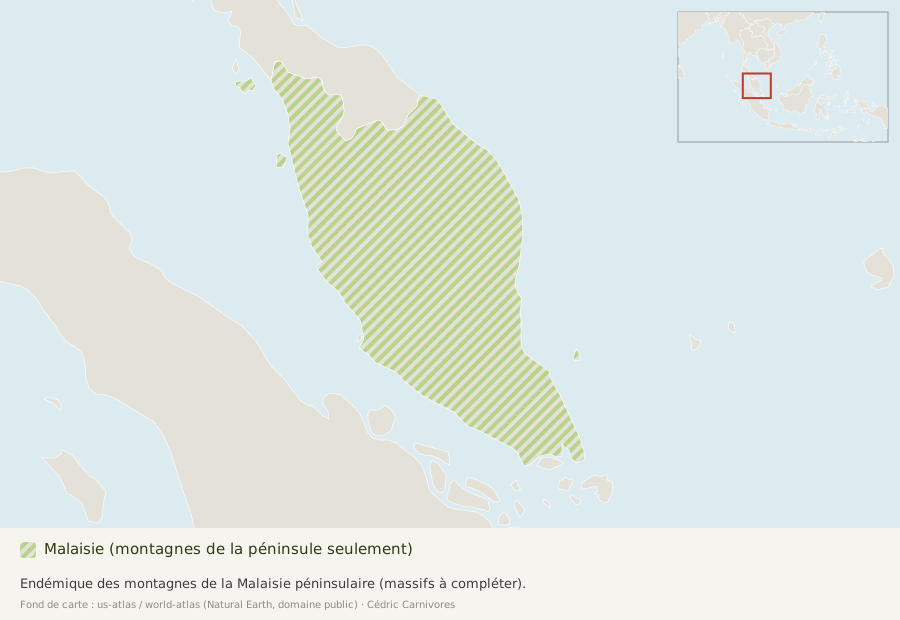
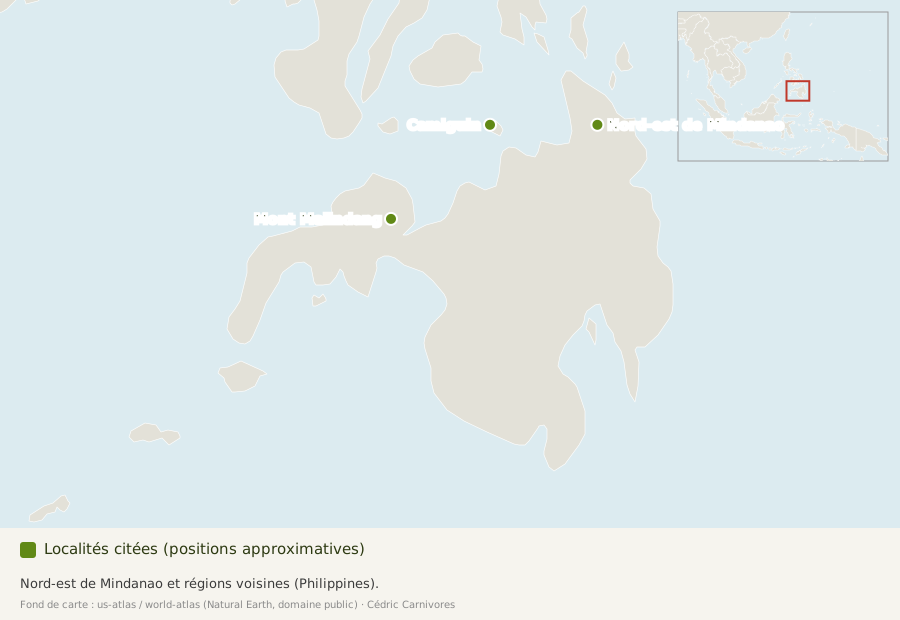
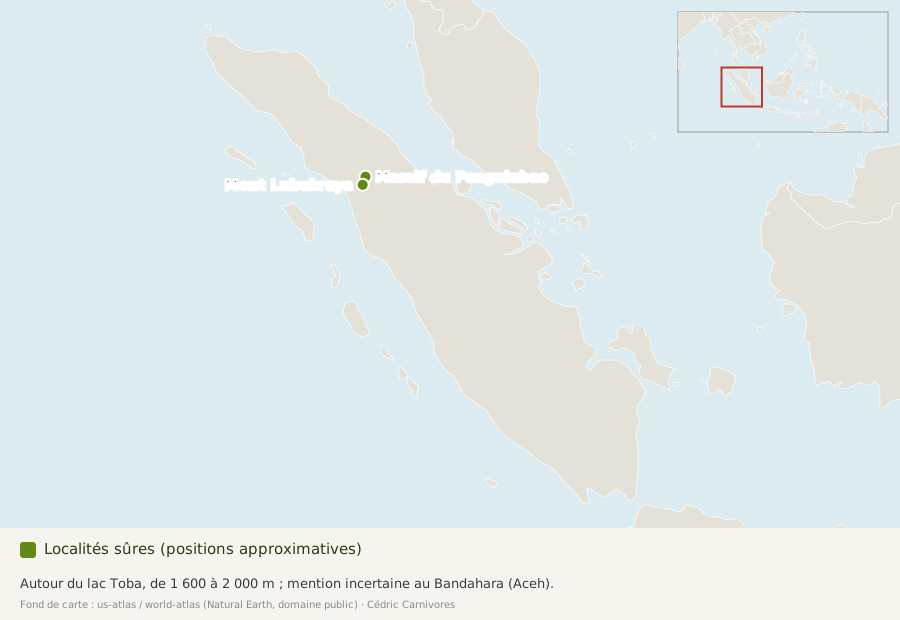
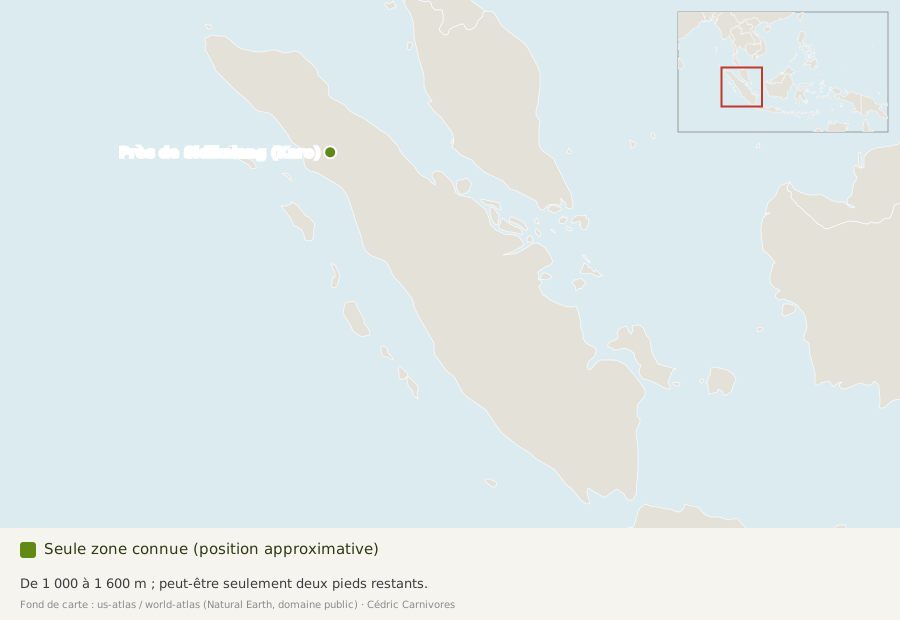
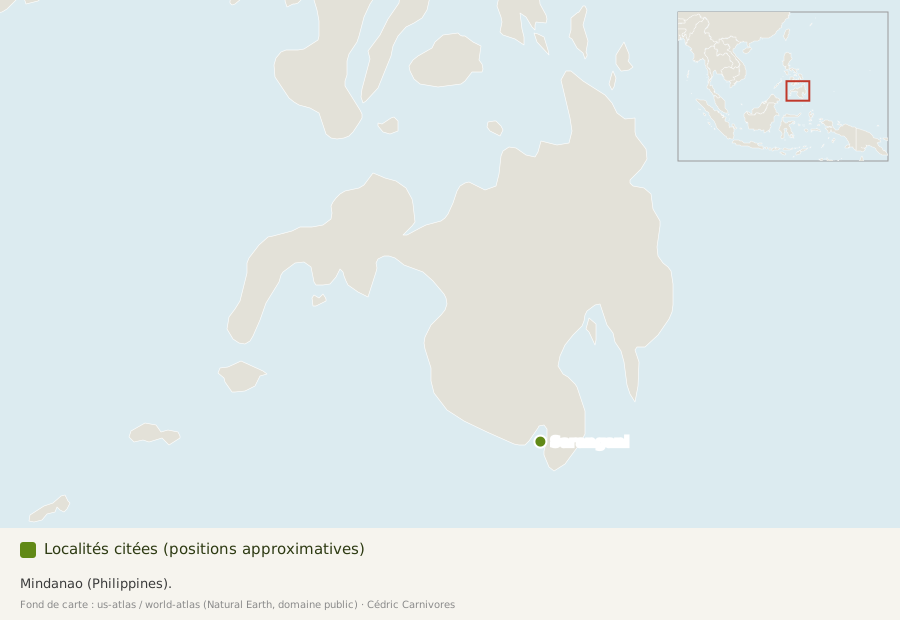
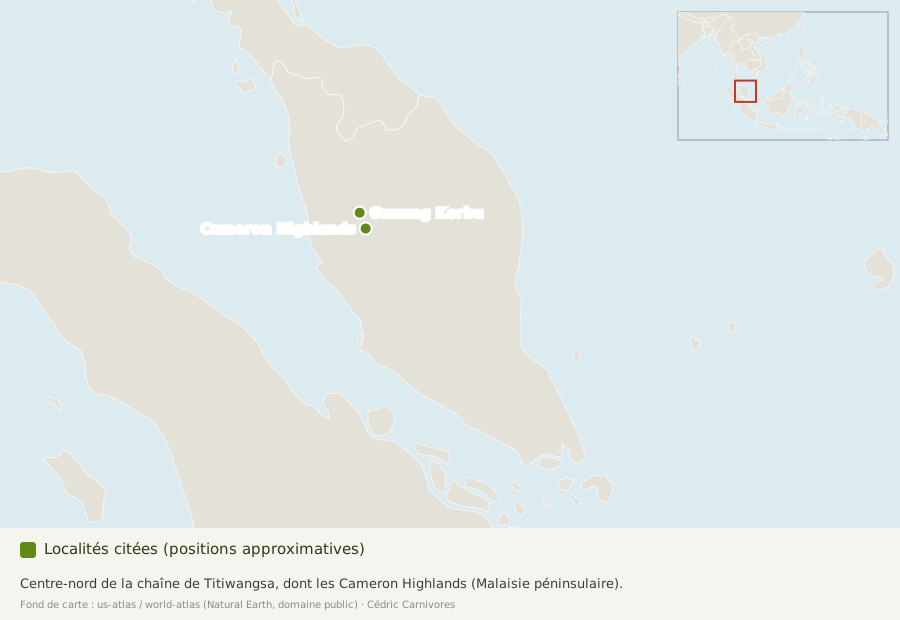
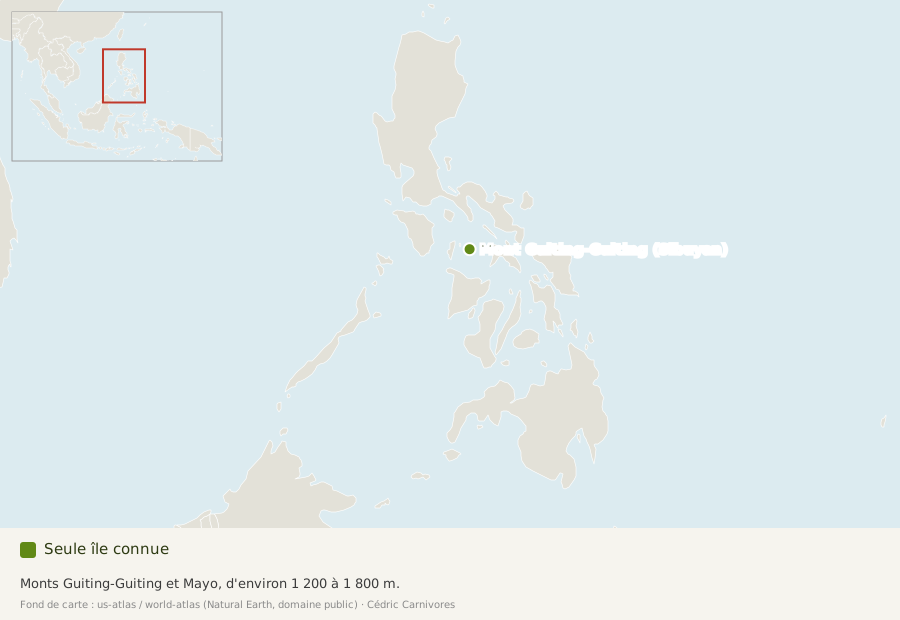
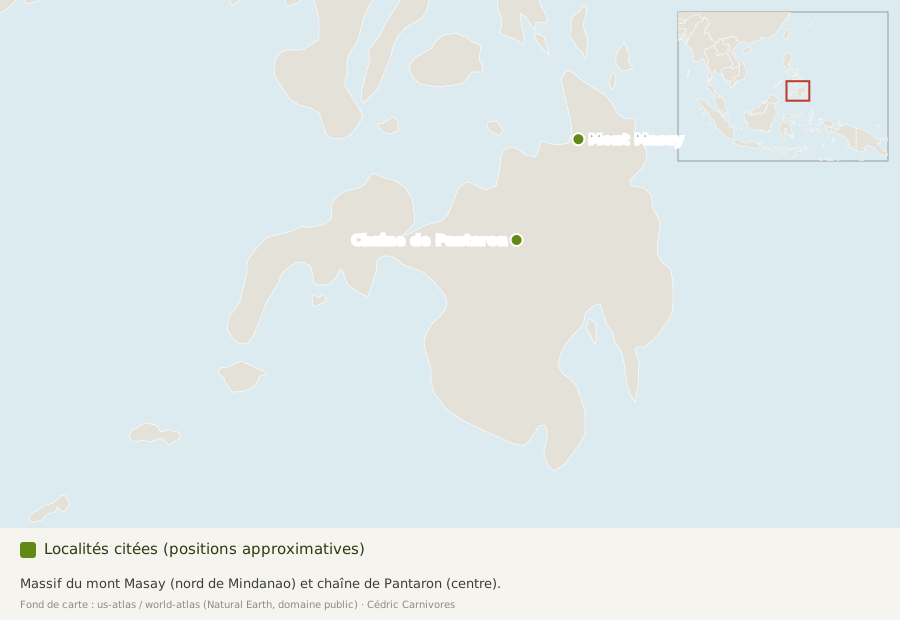
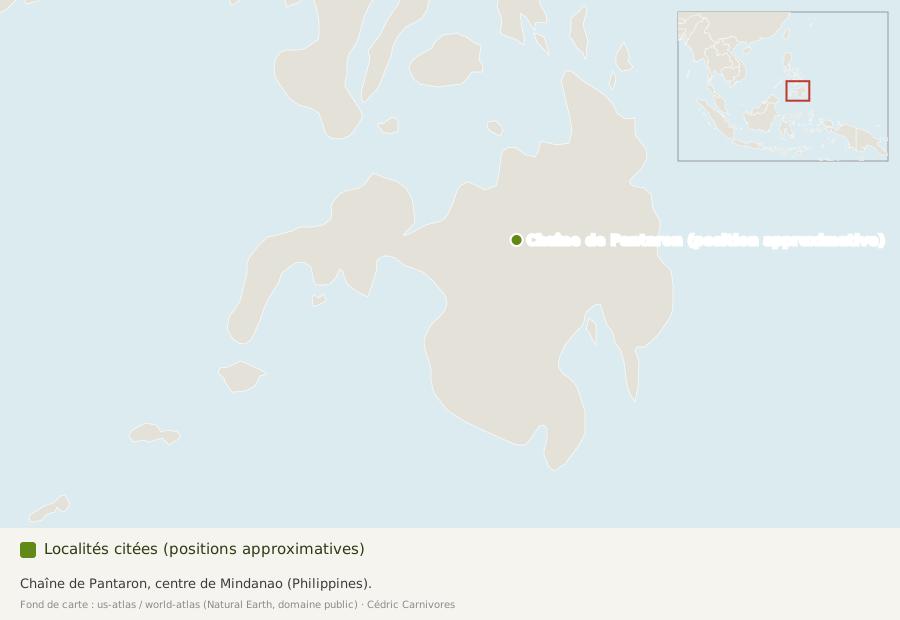
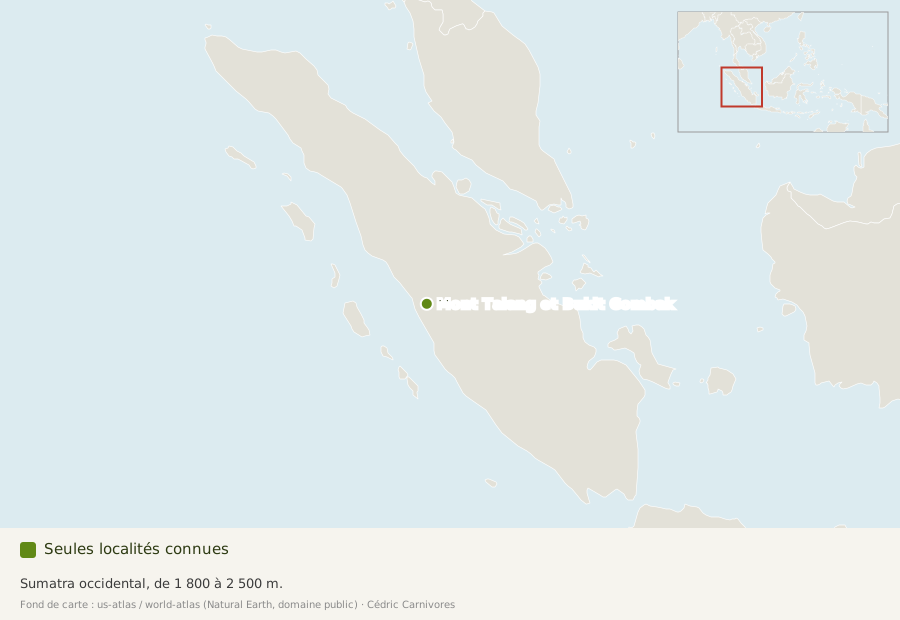
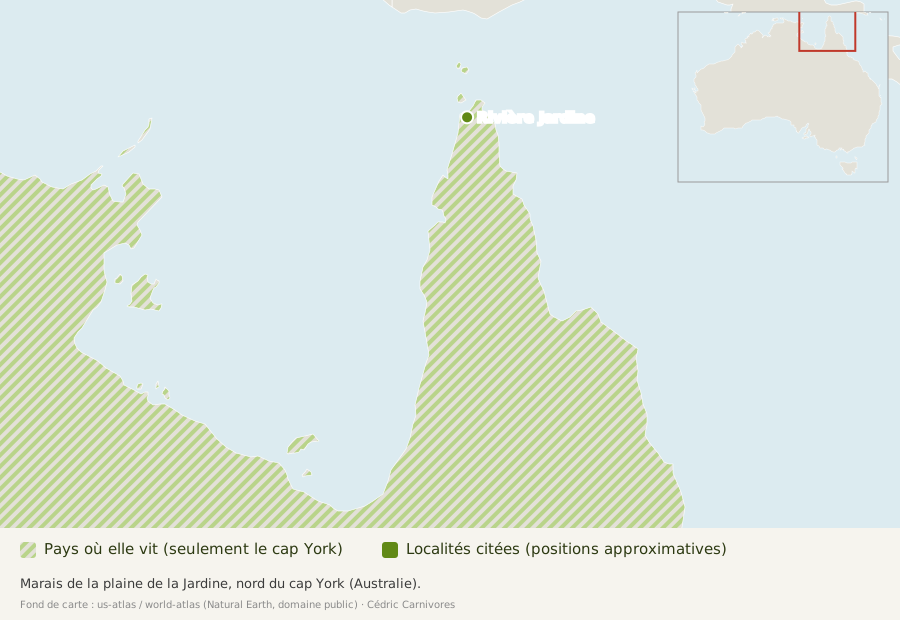
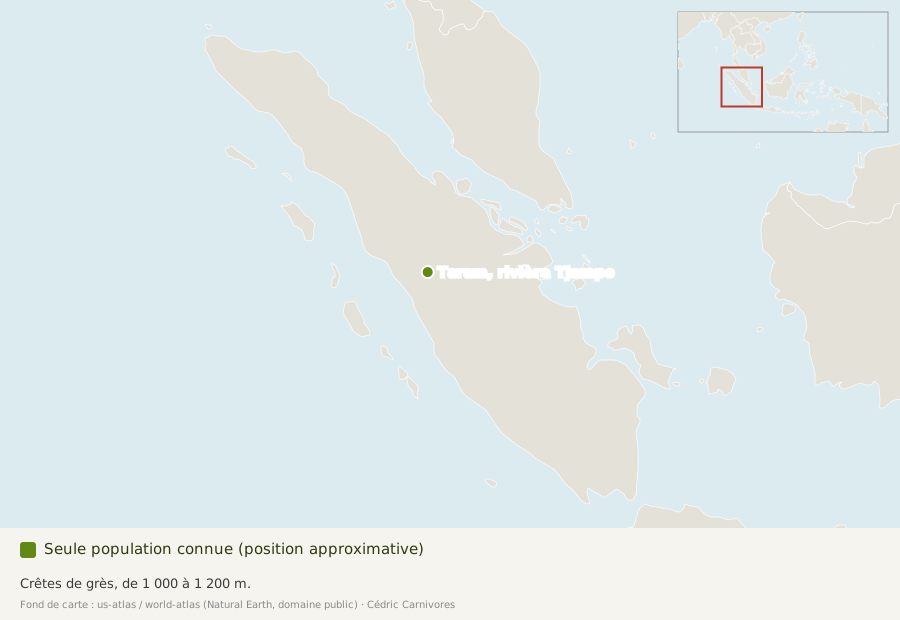
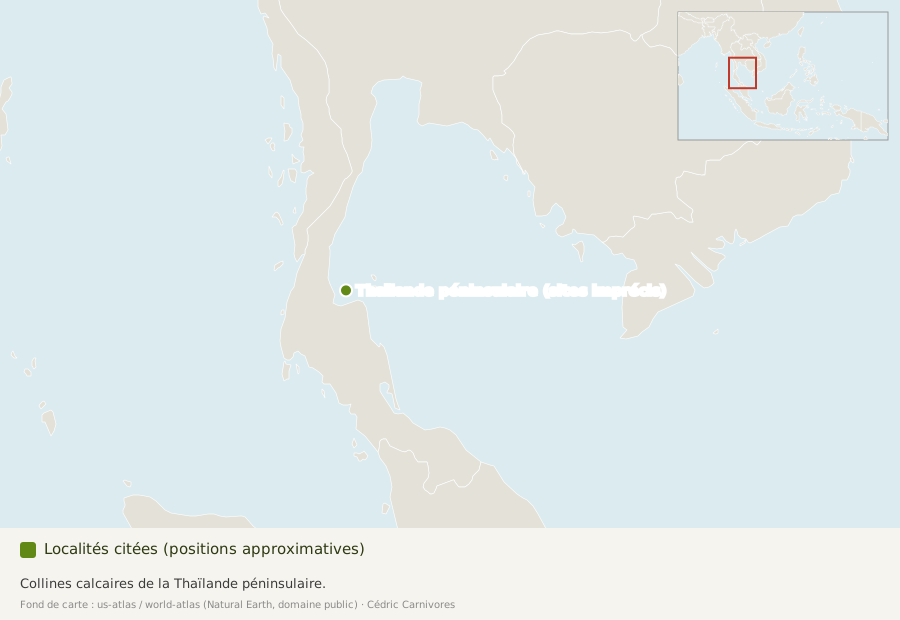
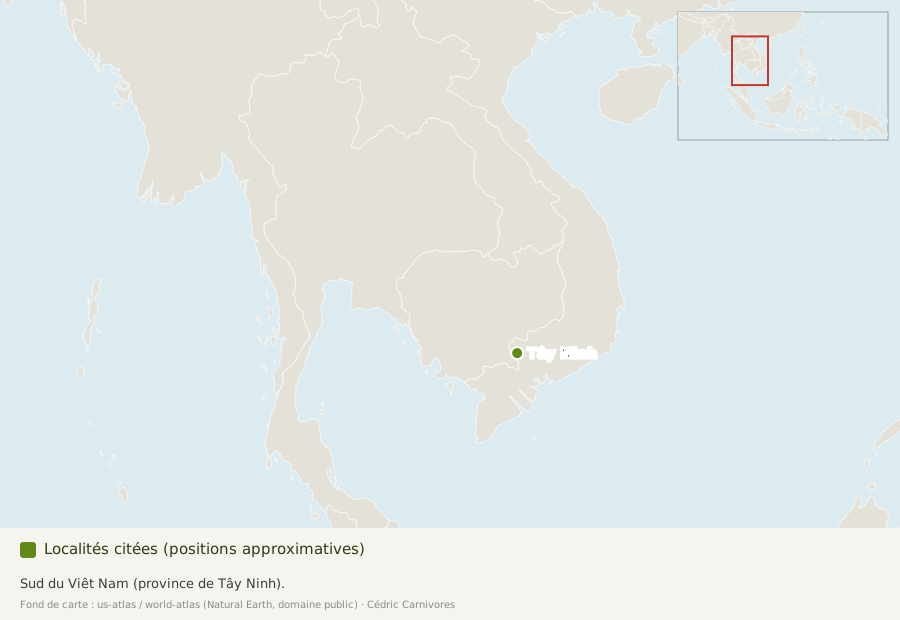
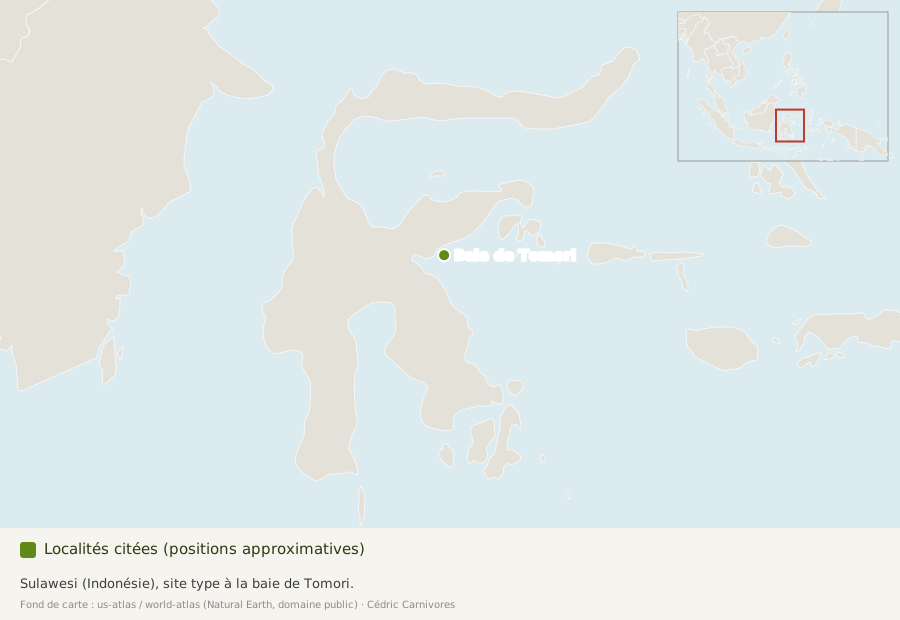
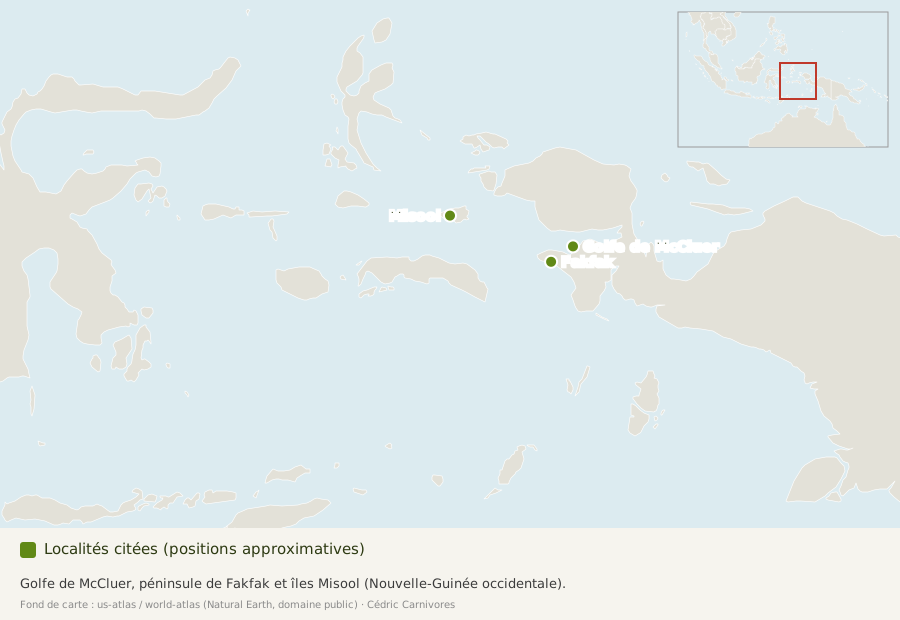
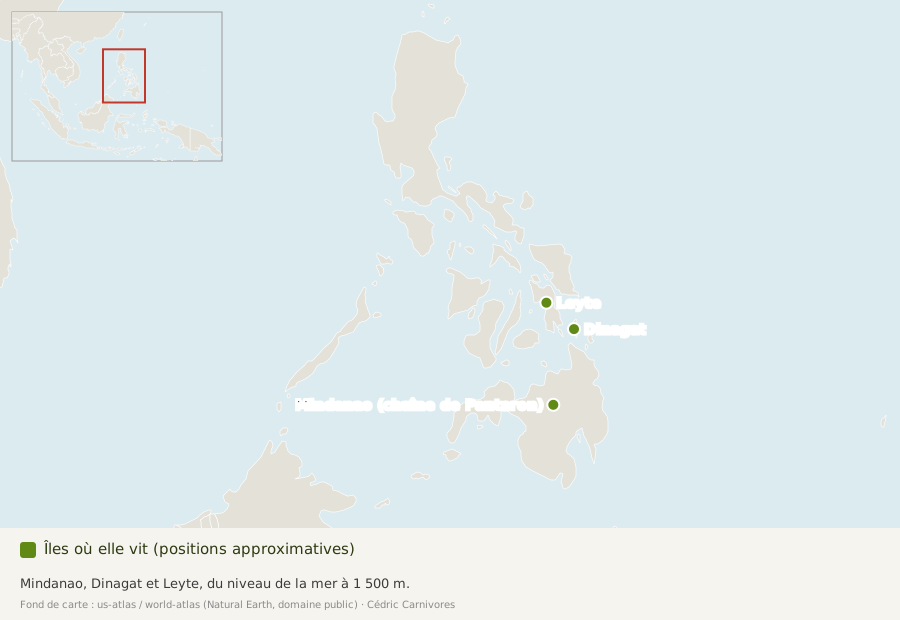
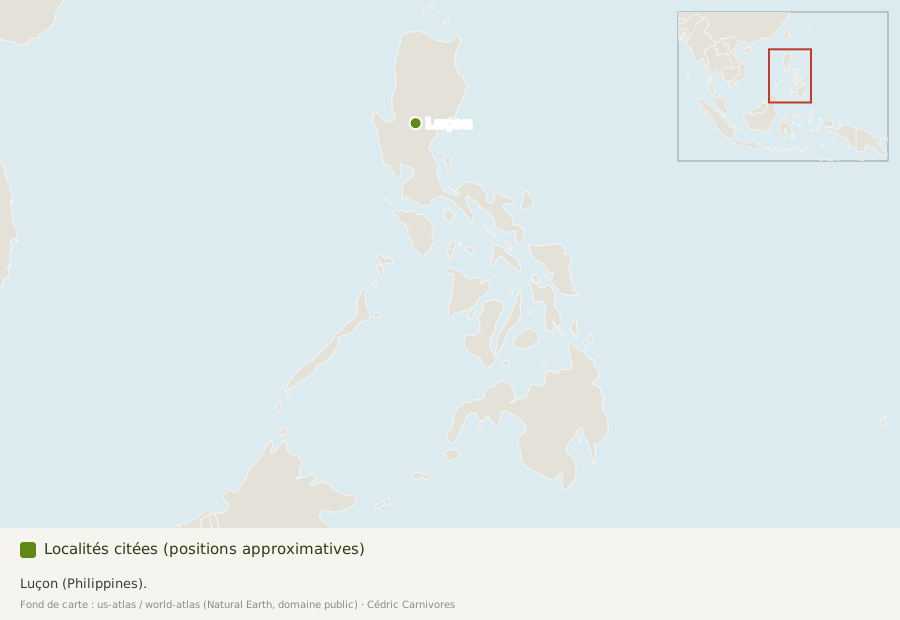
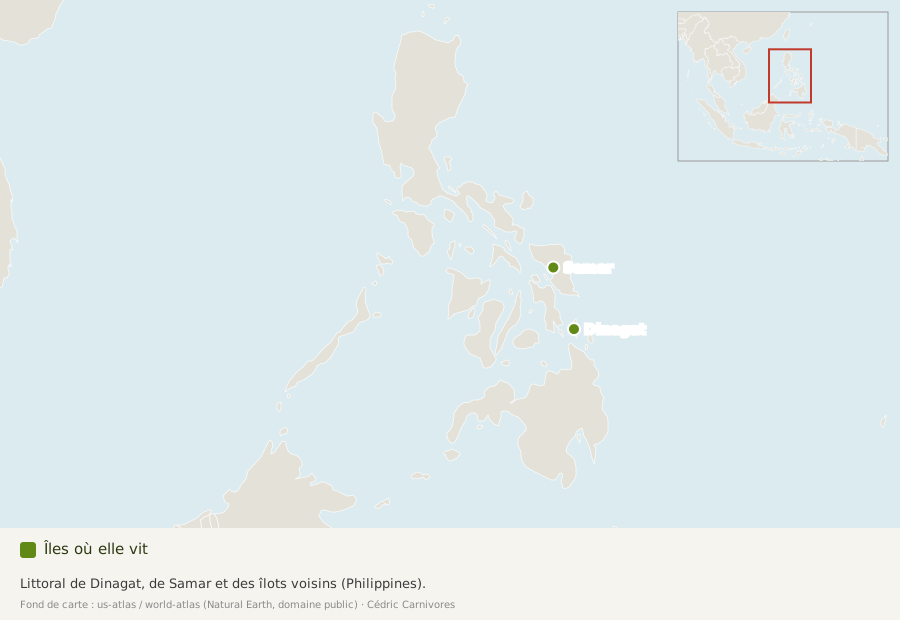
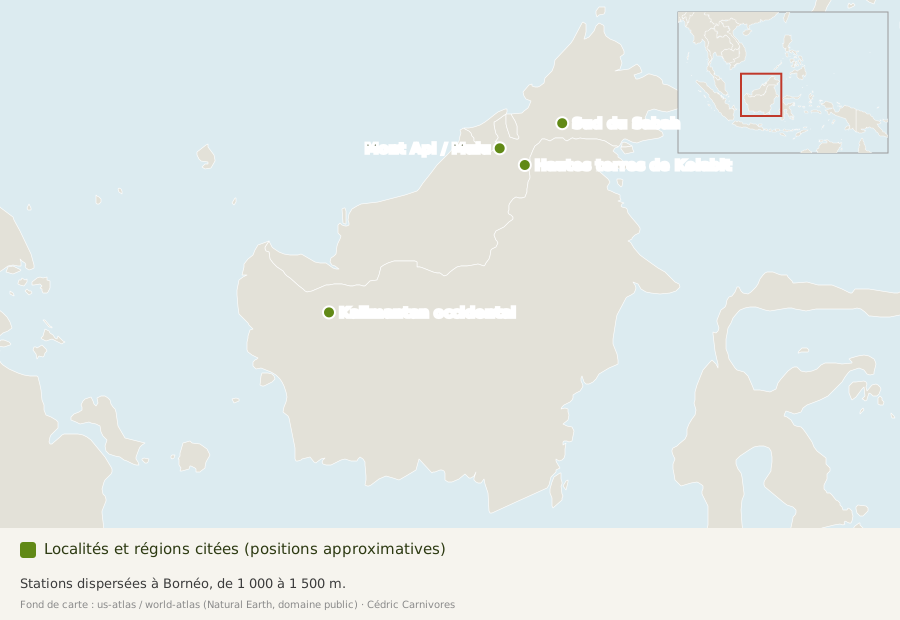
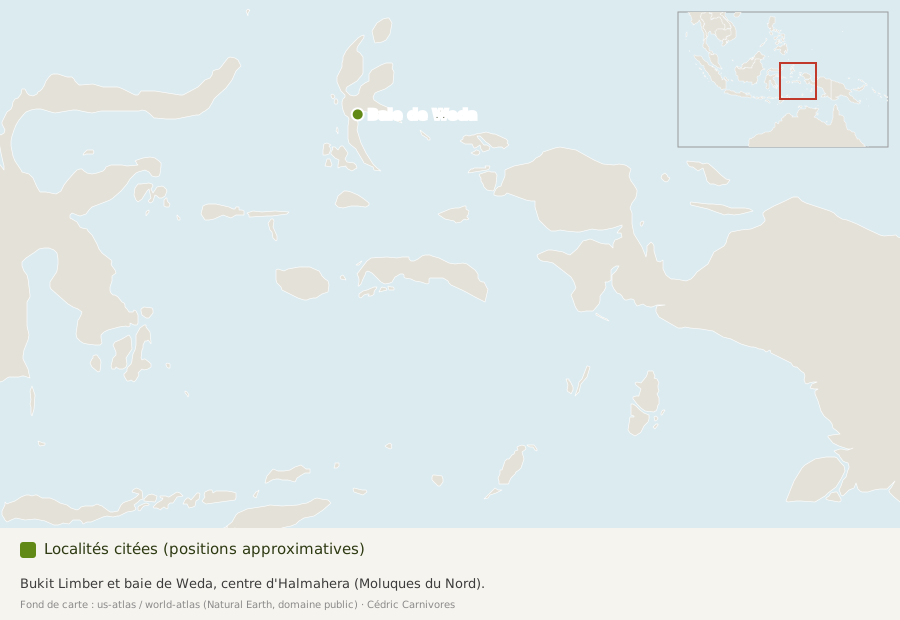
From Madagascar and the Seychelles to New Caledonia and Australia, from southern China and India to Sri Lanka; mainly Borneo, Sumatra and the Philippines
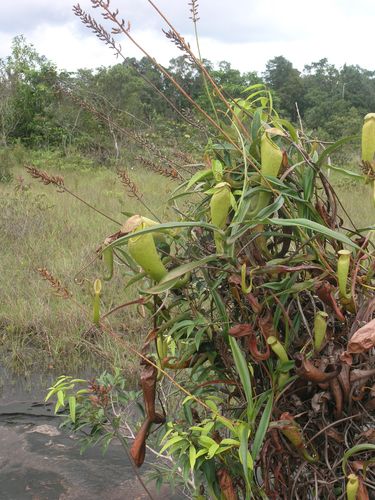
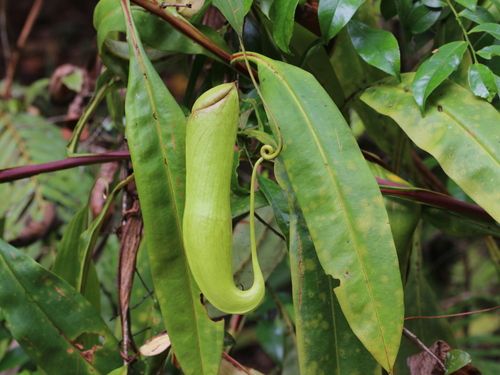
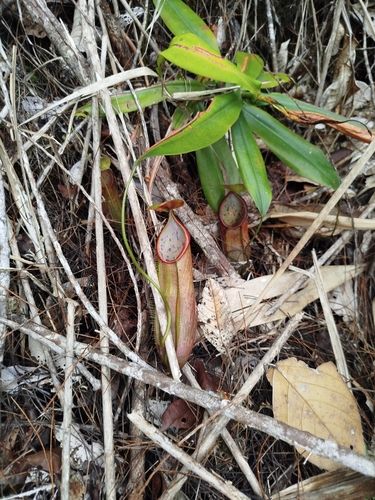
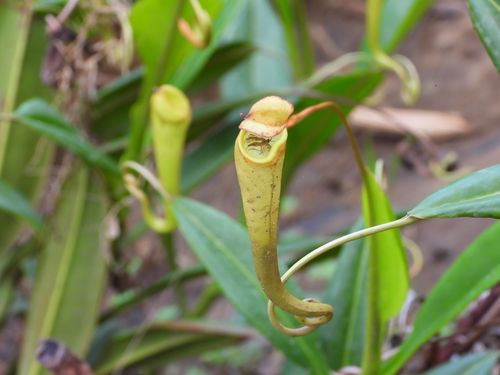
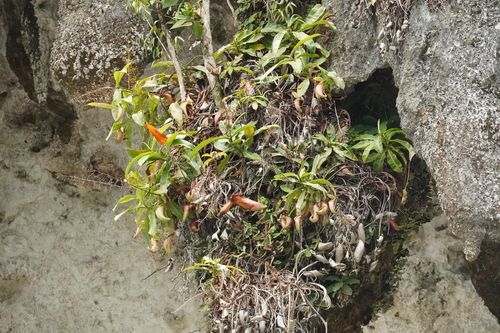
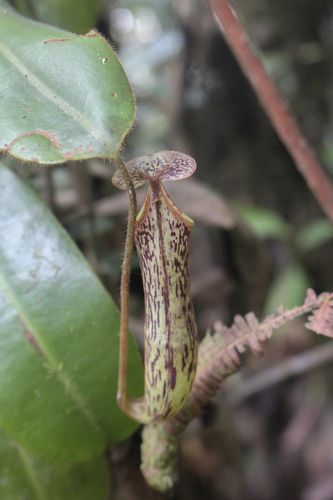
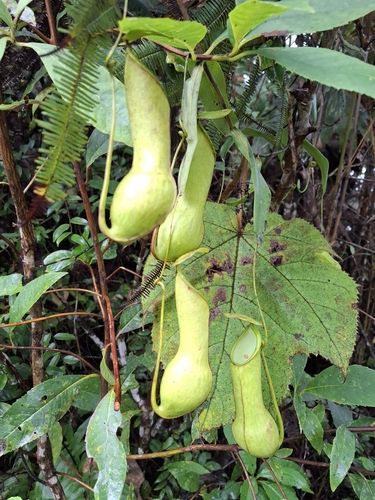
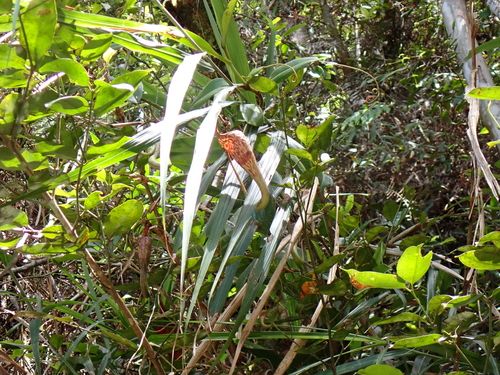
In the wild
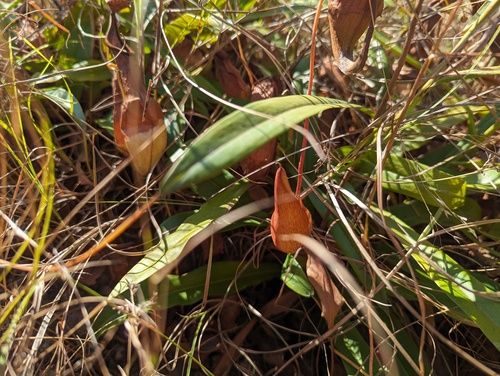
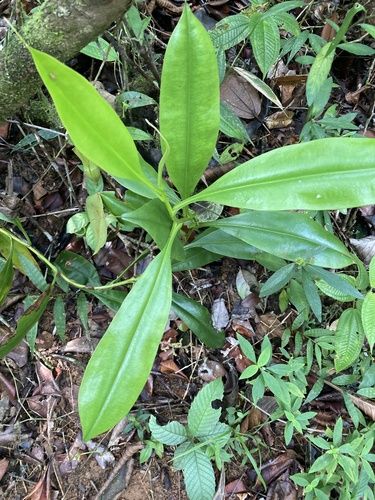
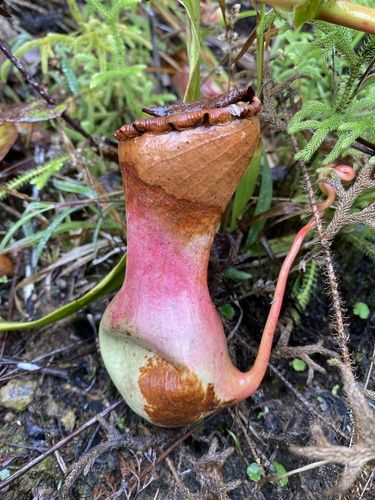
Zoltán Stekkelpak, CC0
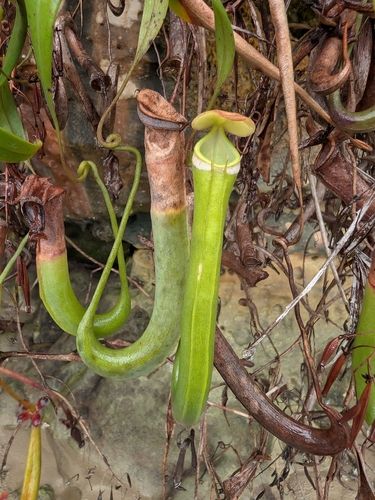
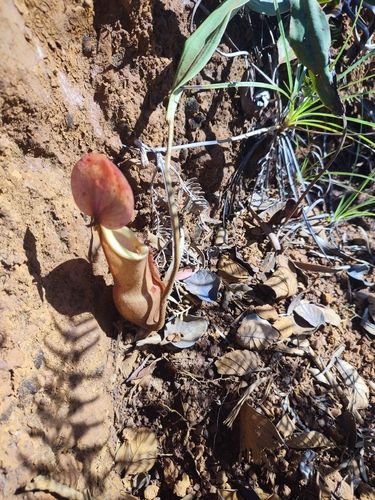
drtimk, CC0
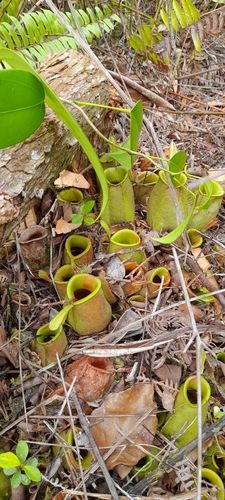
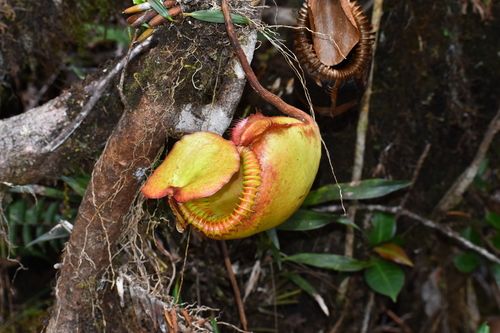
Mathew Rees, CC BY
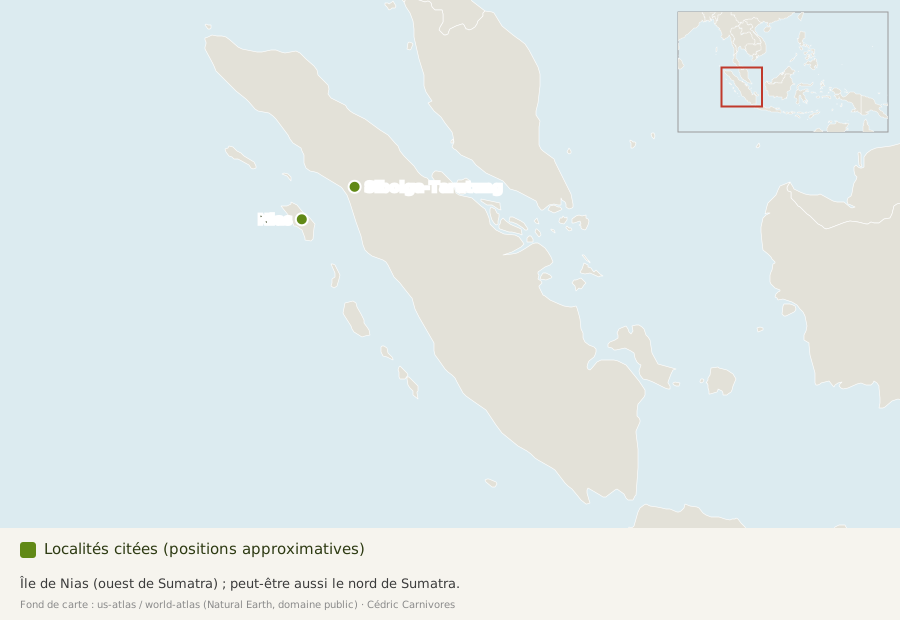
Jun MATSUI, CC0
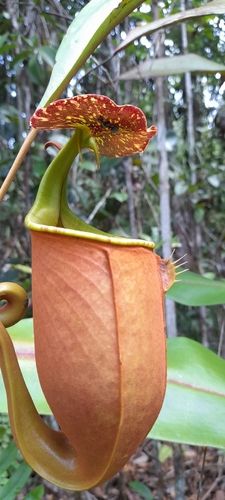
Mathew Rees, CC BY
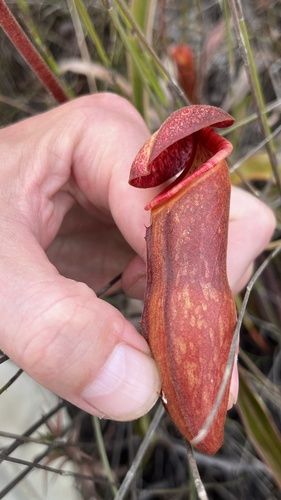
Павлик Лисицын, CC BY
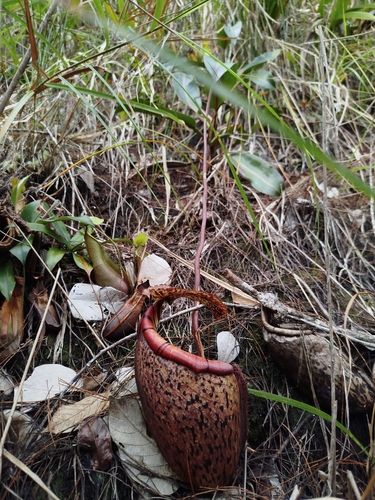
Celestino Quintela Sabarís, CC BY
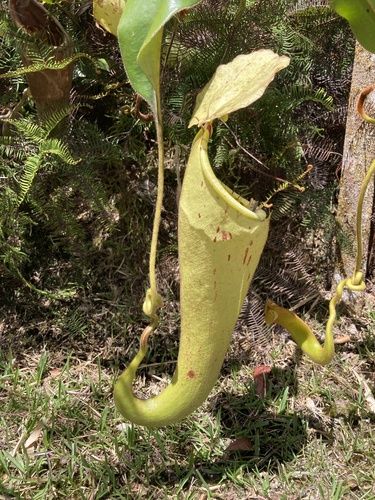
Julie Hart, CC BY
Etymology
- Nepenthes comes from Homer's Odyssey, which mentions a drug, the nepenthes pharmakon, given to Helen to forget her sorrow. In Greek, nēpenthḗs means roughly “without sorrow”.
- Linnaeus took up this name in 1737 and explained his choice: if this plant is not Helen's nepenthes, it will surely be so for all botanists, so amazed will they be when they see it.
- “Monkey cups”: an old popular name, from the belief that monkeys drank from the pitchers. In 1964, National Geographic reported seeing an orangutan do so.
History of the discovery
- 1658: Étienne de Flacourt, French governor of Madagascar, describes a pitcher plant from the island, later named N. madagascariensis. It is the first Nepenthes known to Europeans.
- 1677-1686: several scholars (Bartholin, Breyne, Grim, Ray) describe the species from Sri Lanka, then called Bandura.
- Late 17th century: Rumphius describes the species of the Malay Archipelago in his Herbarium Amboinense, published only in 1741.
- 1753: Linnaeus officially publishes the genus and N. distillatoria.
- 1880s: Nepenthes growing enjoys its “golden age” in the greenhouses of Europe.
How to recognise them
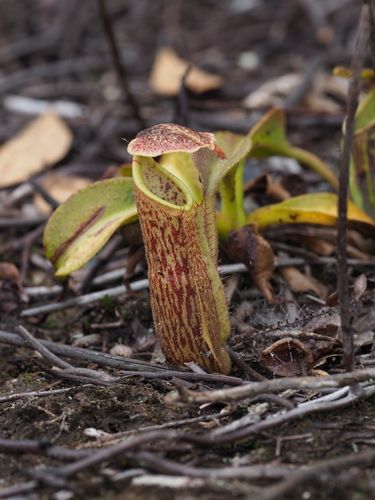
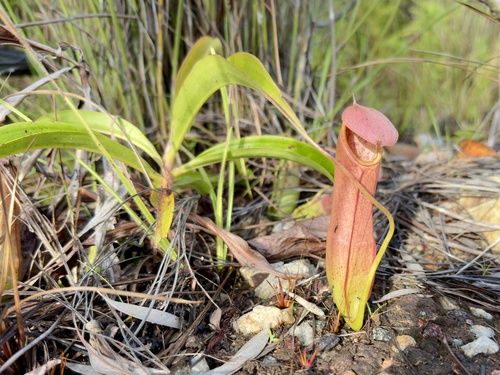
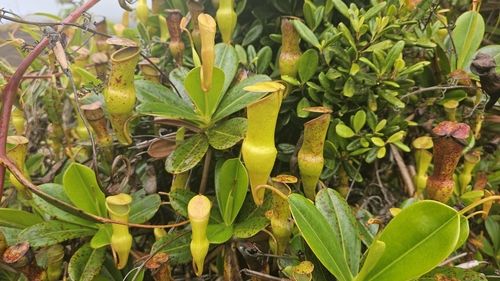
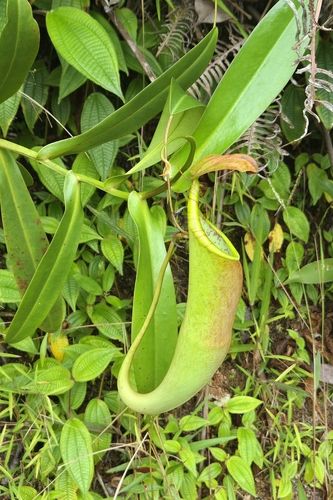
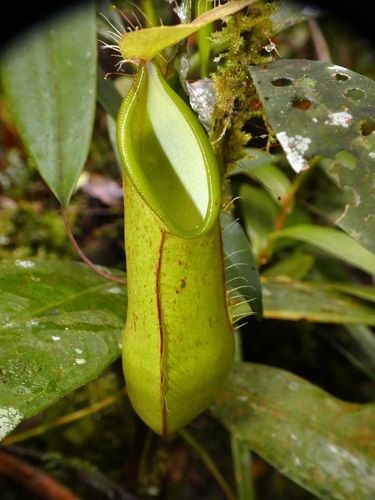
- Vines: most are climbing or creeping plants with shallow roots, whose stems can exceed 15 m.
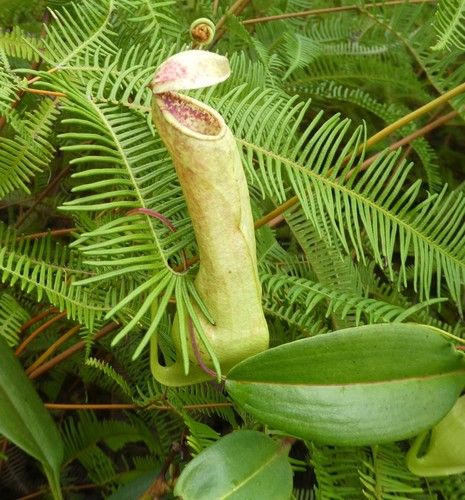
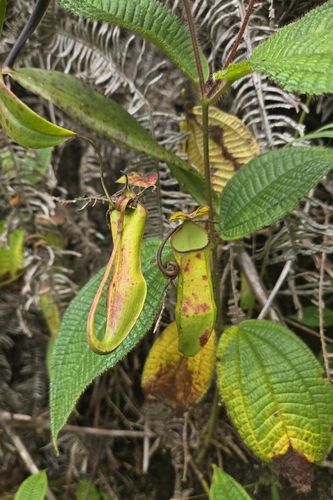
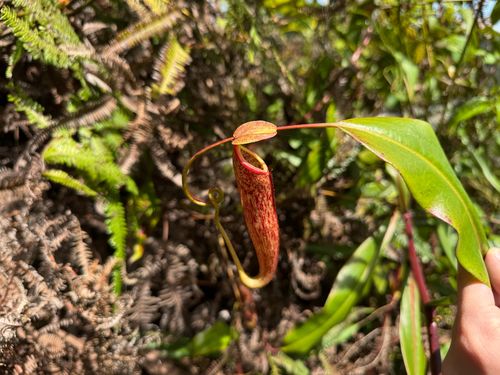
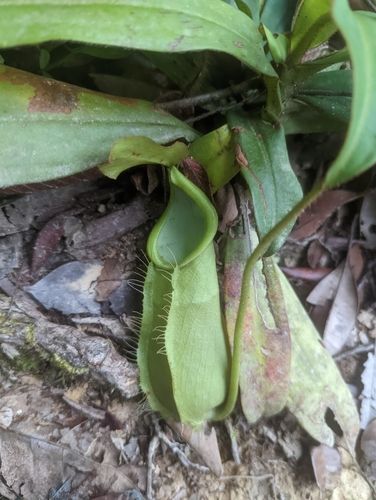
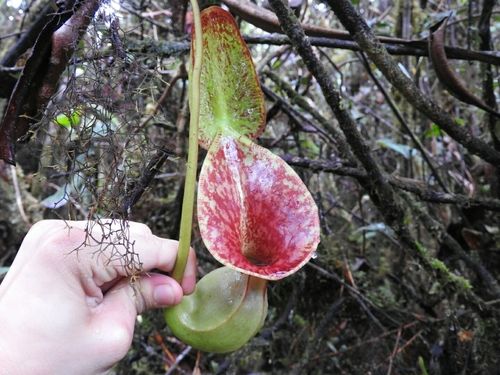
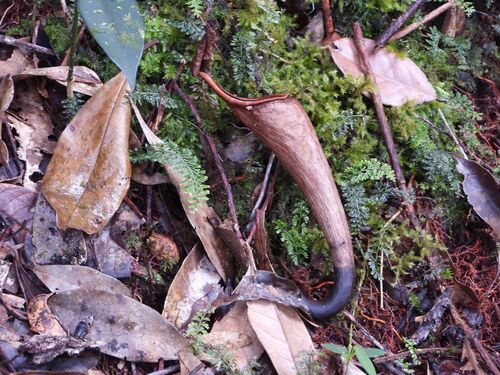
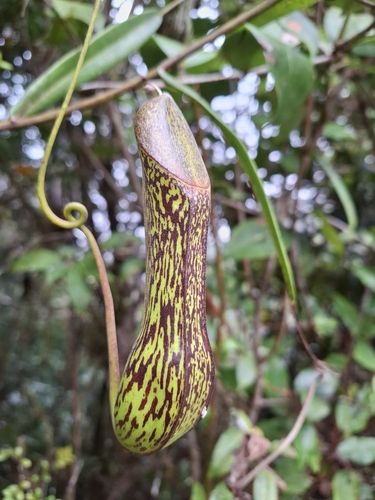
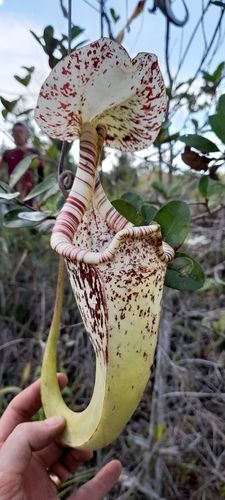
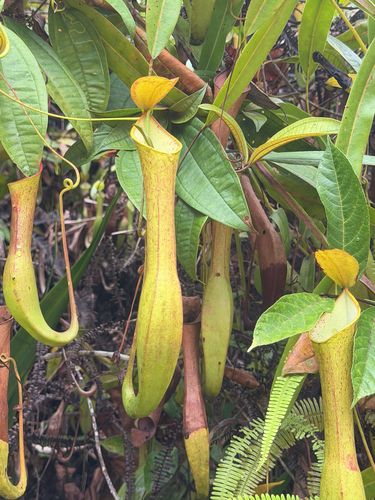
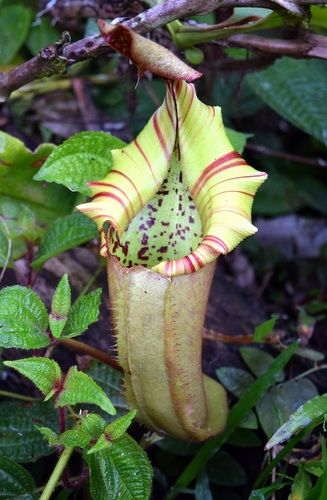
- The pitcher at the end of a tendril: the blade-shaped leaf extends into a tendril, at the end of which the pitcher forms.
- Two kinds of pitchers :
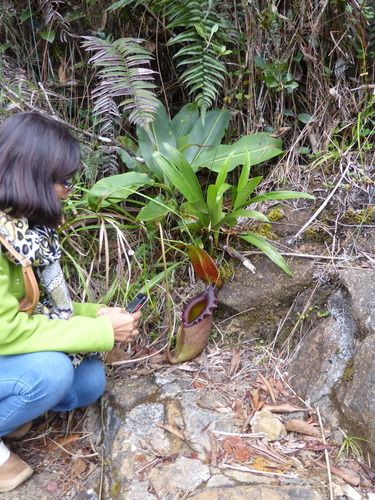
- lower pitchers, large and resting on the ground, on young plants and at the base of the stems;
- upper pitchers, smaller, often funnel-shaped and of a different colour, on climbing stems. Their tendril coils around branches.
- The trap :
- the peristome, the rim of the pitcher, often coloured and ribbed, is very slippery, especially when wet;
- a waxy zone inside stops insects from climbing back out;
- the lid (operculum) protects the pitcher from rain;
- at the bottom, a viscous digestive fluid, effective even when diluted, and glands that absorb the nutrients.
- Male and female plants: each plant bears only male or only female flowers, which is quite rare among plants. The flowers, in clusters, are pollinated by flies, butterflies and moths, and wasps.
- The seeds: 50 to 500 per capsule, winged and dispersed by the wind.
- Chromosomes: 2n = 80, probably the sign of an ancient doubling of the chromosomes.
Where and how they live
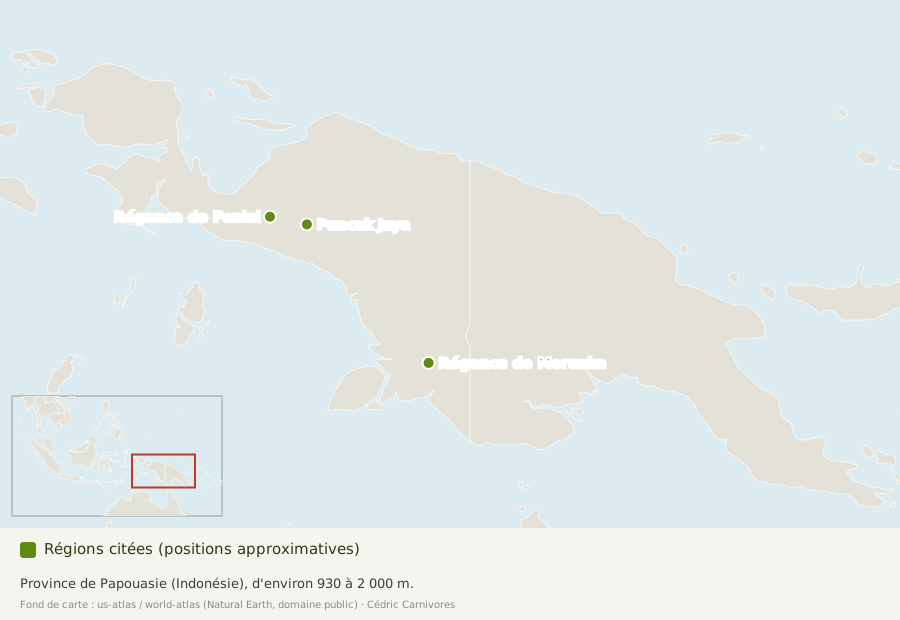
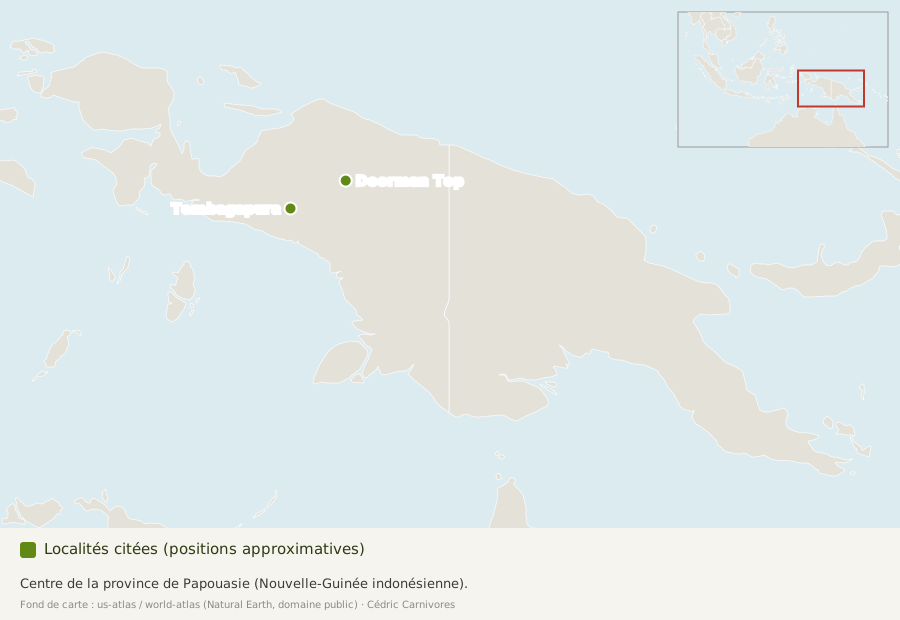
- Mountain and lowland plants: most live in the mountains (so-called “highland” Nepenthes), others in the lowlands. N. lamii, in New Guinea, grows up to about 3,520 m.
- N. mirabilis has the widest range, from Indochina to Australia.
- The soils are generally acidic and poor.
What they eat
- Mainly insects, especially ants, but also spiders, scorpions and centipedes.
- Large species, such as N. rajah and N. rafflesiana, sometimes catch small vertebrates.
- N. albomarginata has specialised in termites.
Amazing partnerships
- N. lowii and tree shrews: the plant offers nectar and a perch to these small mammals, which defecate into the pitcher. According to a 2009 study, 57 to 100% of the nitrogen in its leaves may come from these droppings.
- N. hemsleyana and a bat: Hardwicke's woolly bat sleeps in its pitchers, above the fluid; the shape of the pitcher is thought to reflect the bat's ultrasound and help it find the plant.
- N. bicalcarata and an ant: the ant Camponotus schmitzi lives in its hollow tendrils and cleans large prey out of the pitcher.
- The pitcher inhabitants: mosquito, fly and midge larvae, spiders, mites, and even a small crab, Geosesarma malayanum. Species that live only in pitchers are called “nepenthebionts”.
- A sterile pitcher: before it opens, the pitcher contains a fluid with no microbes at all. Once open, it produces enzymes and substances that hold back bacteria and fungi.
Threats and protection
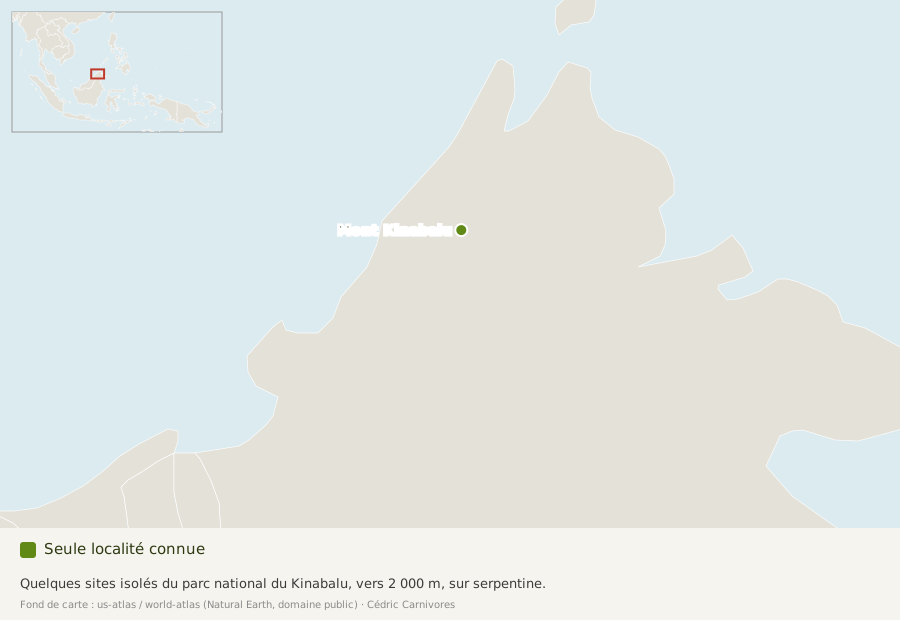
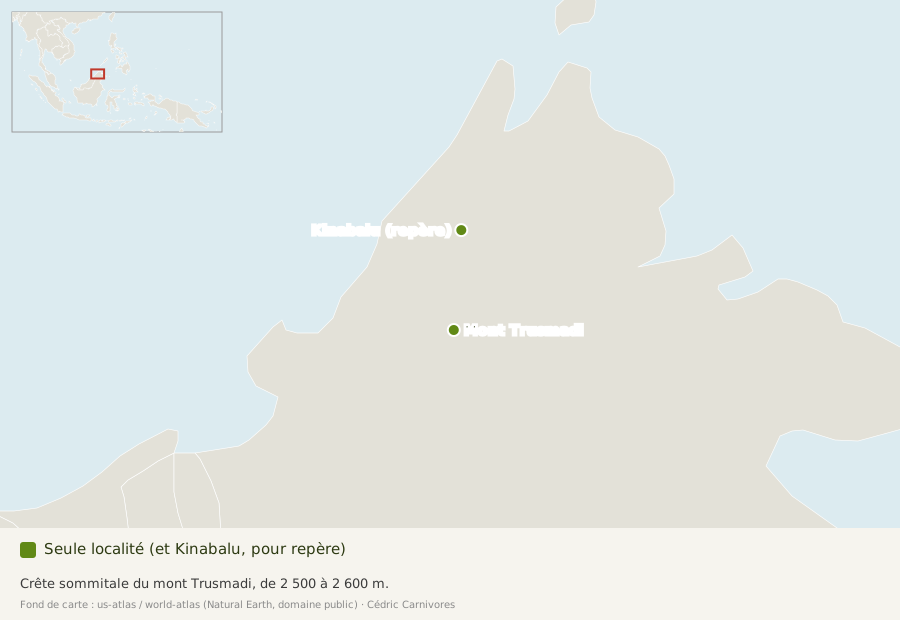
- Many species are threatened, often because they live on a single mountain or a single island.
- All are listed in CITES Appendix II, except N. rajah and N. khasiana, listed in Appendix I, which bans the international trade in wild plants.
- In vitro propagation helps to reduce collection from the wild.
Did you know?
- The name of the genus comes from a drug in the Odyssey that made people forget their sorrow.
- Some species have become “toilets” for mammals, and feed on them.
Sources
- Wikipedia (English), Nepenthes: etymology, history of the discovery, morphology, reproduction, distribution, prey, partnerships, pitcher inhabitants, defences, protection; references: Linnaeus 1737 and 1753; Clarke et al. 2009 (N. lowii); Zahl 1964.
- Full list of species and hybrids: see “Genus Nepenthes: complete list of taxa”.
All the species (202)
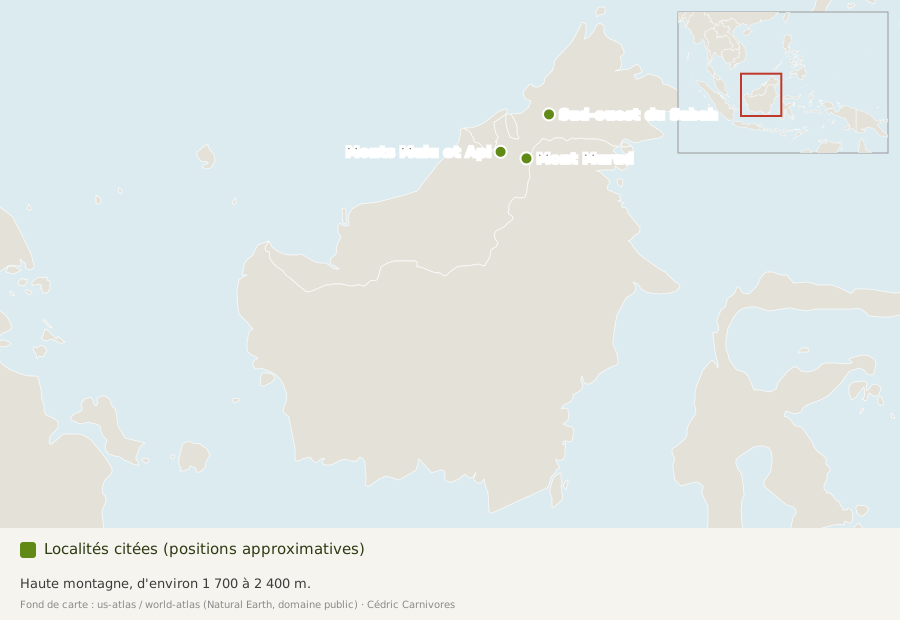
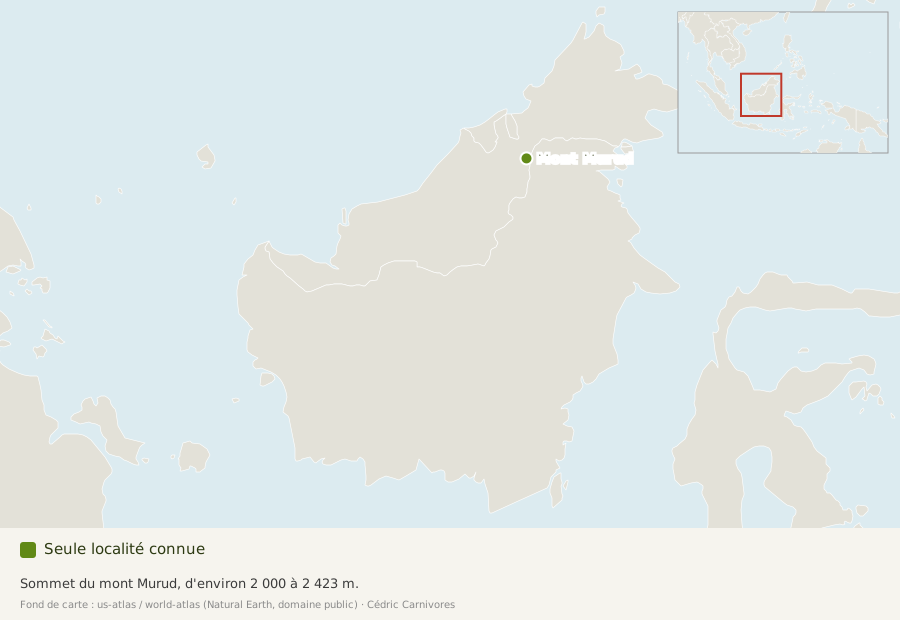
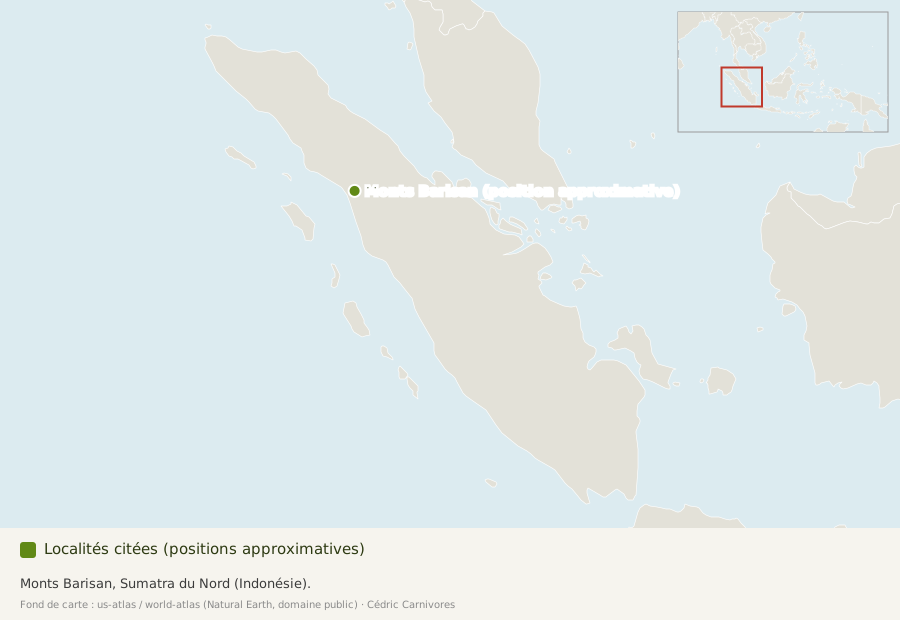
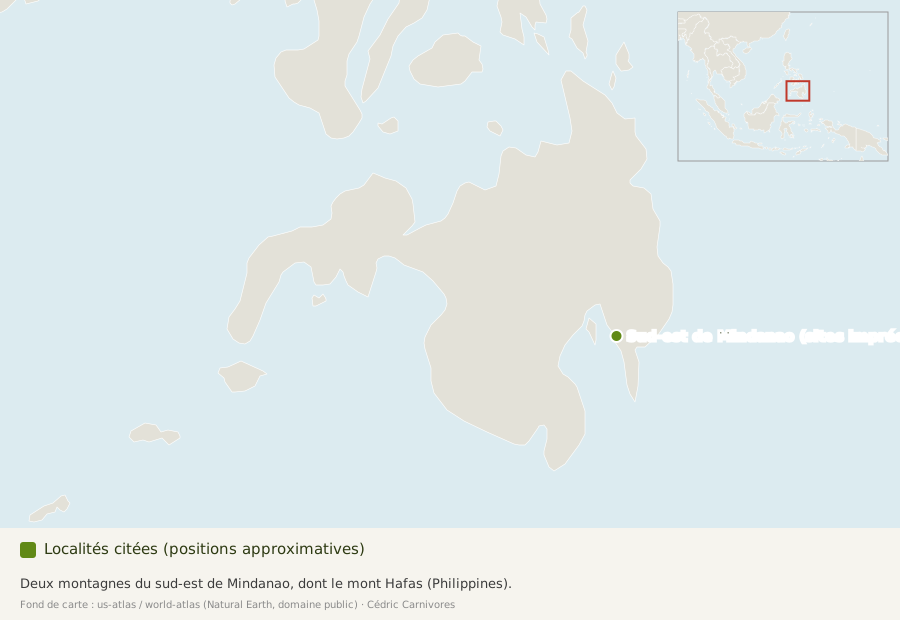
Each profile presents the species in the wild: origin of the name, history, description, distribution map, habitat and sources. To search by name or by growing method: search for a species.
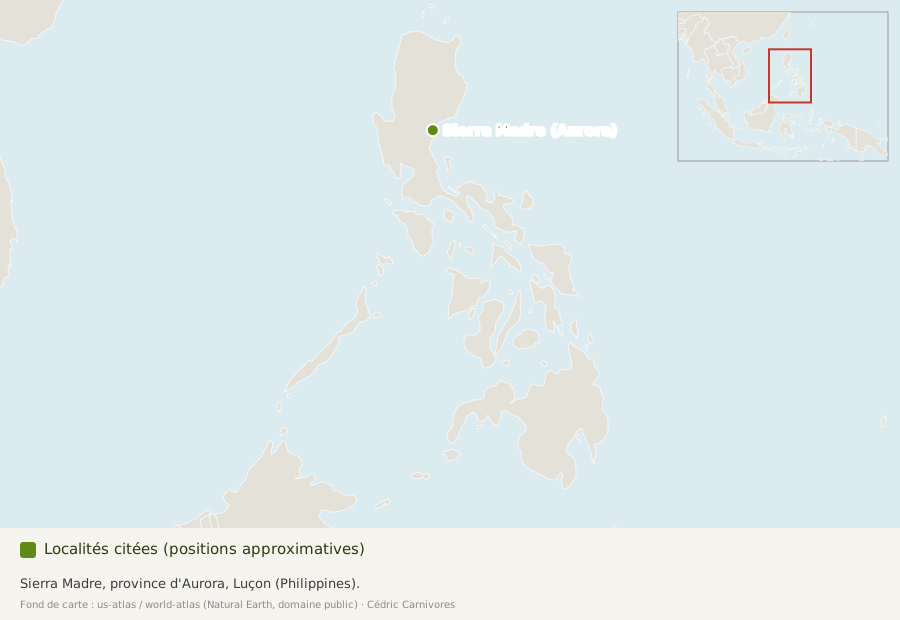
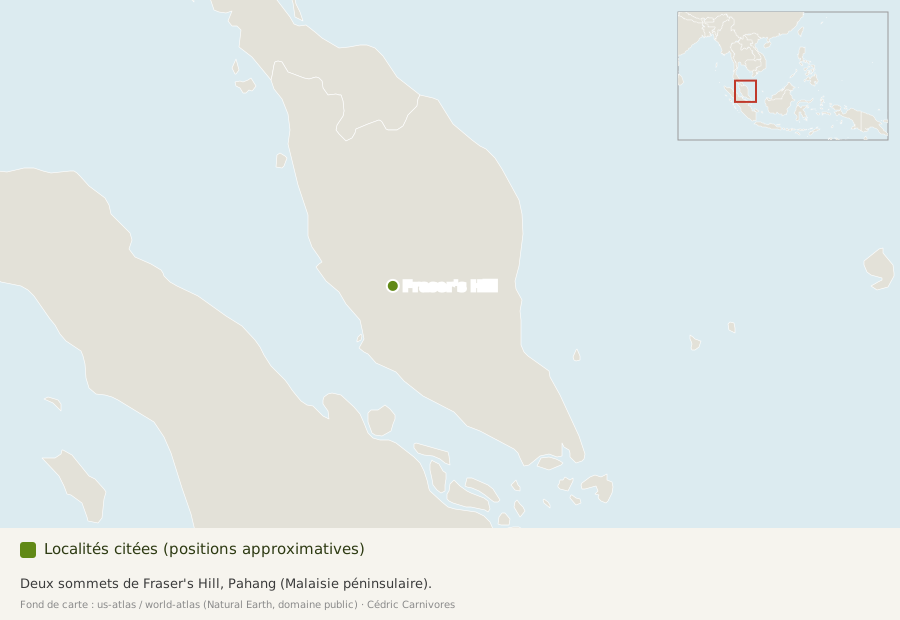
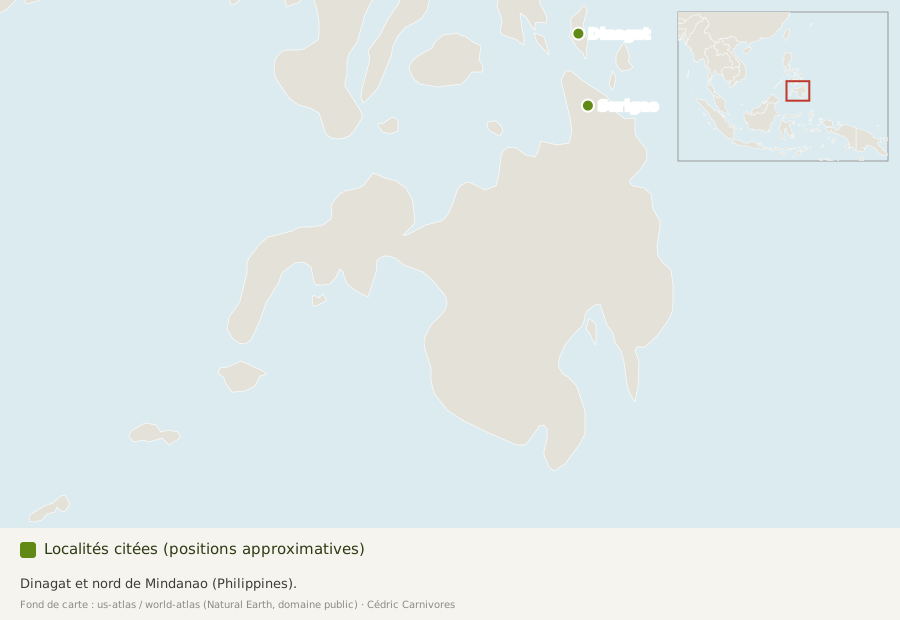
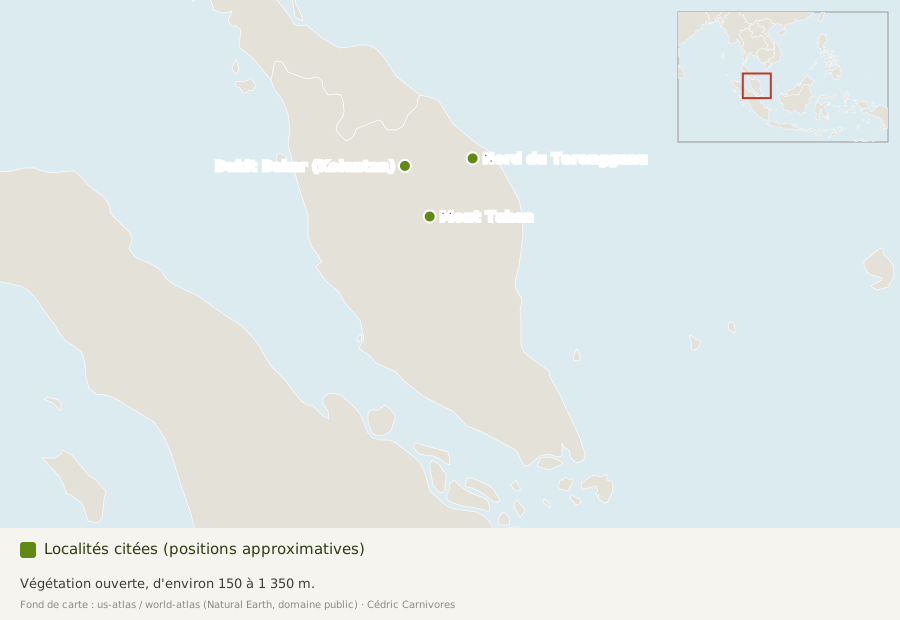


Share this article:


