Pinguicula moranensis Kunth
Species sheet, updated on 30/10/2026.
At a glance
| Scientific name | Pinguicula moranensis Carl Sigismund Kunth, Nova Genera et Species Plantarum, 1817 |
| Family | Lentibulariaceae (section Orcheosanthus) |
| Distribution | Mexico (except the Sierra Madre Occidental and Baja California), Guatemala, El Salvador, Honduras |
| Habitat | Oak woods, pine-oak forests, damp and shaded mountain woods, from 800 to 3,200 m |
Photos in the wild
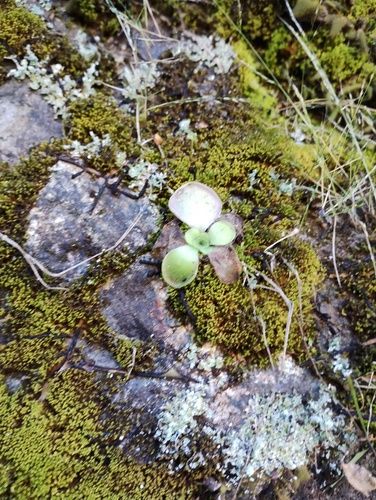
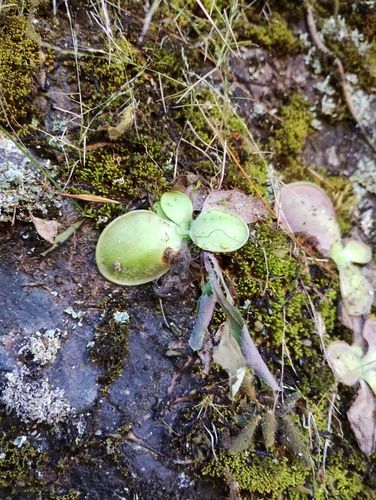
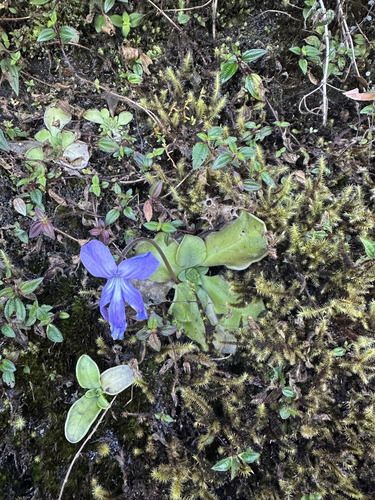
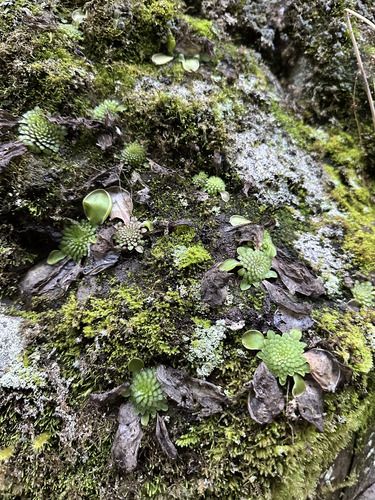
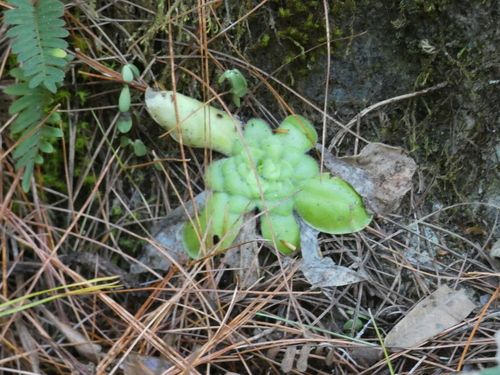
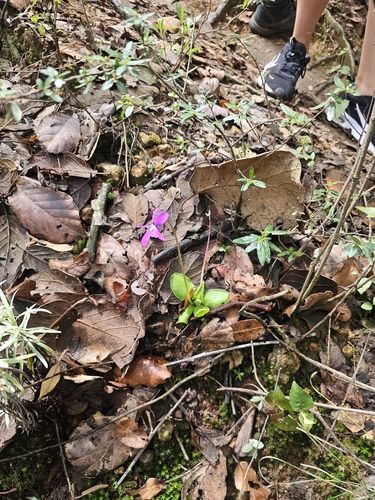
Etymology
- Pinguicula: see the genus sheet.
- moranensis: from the Mina de Morán, its type locality, in Mexico.
History of the description
Kunth described it in 1817 from the specimens collected by Alexander von Humboldt and Aimé Bonpland during their great journey in the Americas.
Description (how to recognise it)
- Summer rosette: 6 to 8 flat, fleshy leaves, up to 9.5 cm, covered with sticky glands that mainly trap flies.
- Winter rosette: 2 to 3 cm, made of 60 to 100 small leaves without glands; the plant rests until the rains return.
- Solitary flowers, pink, purple or violet, on stems 10 to 25 cm long, twice a year.
Varieties
| Variety | Distinctive feature |
|---|---|
| var. moranensis | open rosettes of spoon-shaped leaves, usually on limestone |
| var. neovolcanica | closed rosettes like bulbs, pointed leaves, usually on volcanic rocks |
Distribution
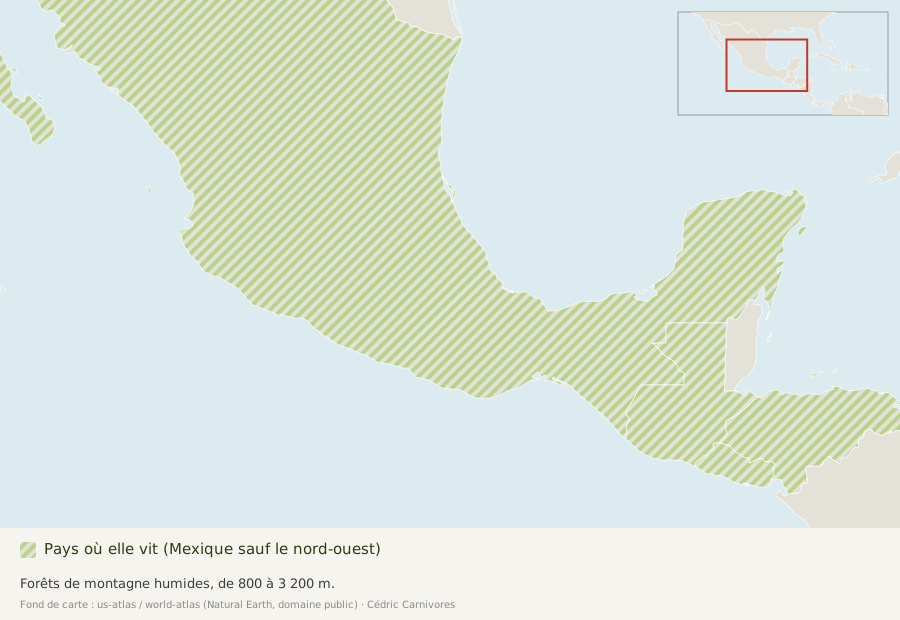
A large part of Mexico (absent from the Sierra Madre Occidental and Baja California), Guatemala, El Salvador and Honduras, from 800 to 3,200 m.
Habitat
Mainly oak woods, pine-oak forests and temperate mountain woods, in damp, shaded places: on rock faces, boulders or even tree trunks.
A species hard to pin down
Its limits have long been debated: for Sergio Zamudio (2001), it is “perhaps the most difficult problem to solve in the genus”.
Did you know?
- It is one of the most widely grown Mexican butterworts; it hybridises easily and several cultivars are registered.
Sources
- Wikipedia (English), Pinguicula moranensis: Kunth 1817, Humboldt and Bonpland, etymology, rosettes, flowers, varieties, range, altitude, habitat, classification, cultivation.