
 Français
 Español
 Deutsch
 Italiano

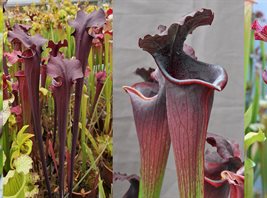


Encyclopedia: the genus Pinguicula


The genus Pinguicula
Butterworts: about 126 species from Europe, the Americas and Asia, including those of France.
At a glance
Genus
Pinguicula Linnaeus, 1753
Common names
Butterworts; in French grassettes
Family
Lentibulariaceae, with the bladderworts (Utricularia) and Genlisea
Number of species
126126 accepted
Distribution
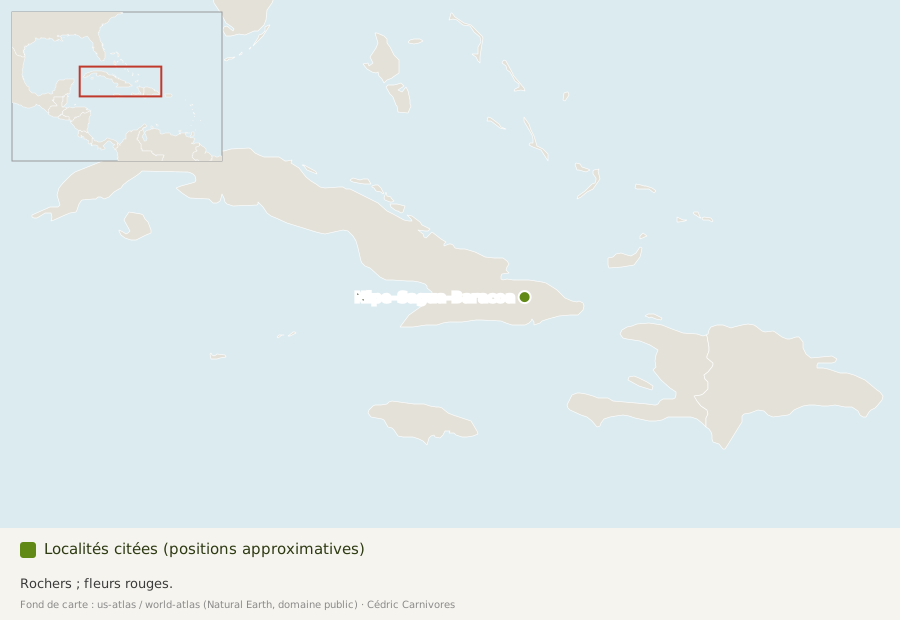
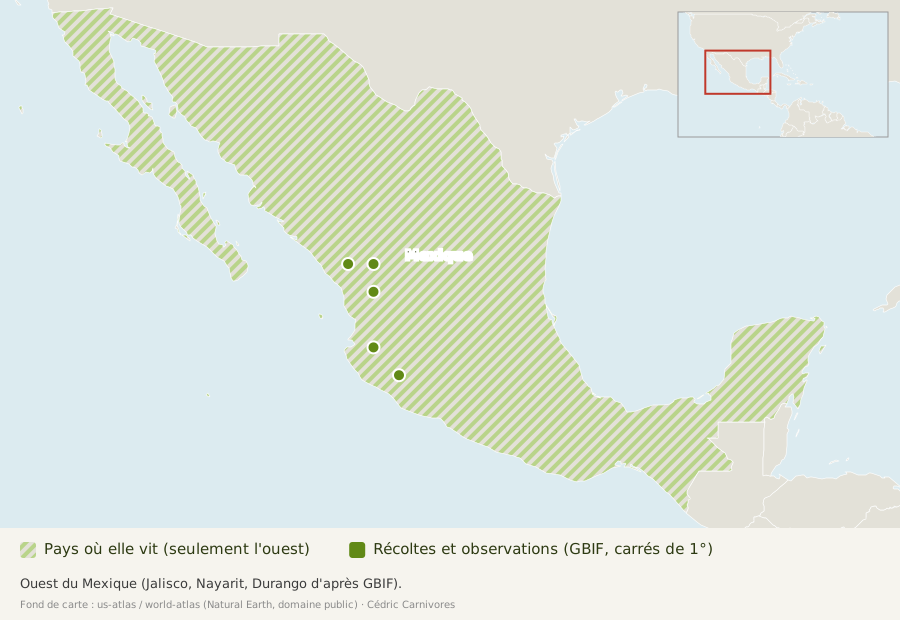
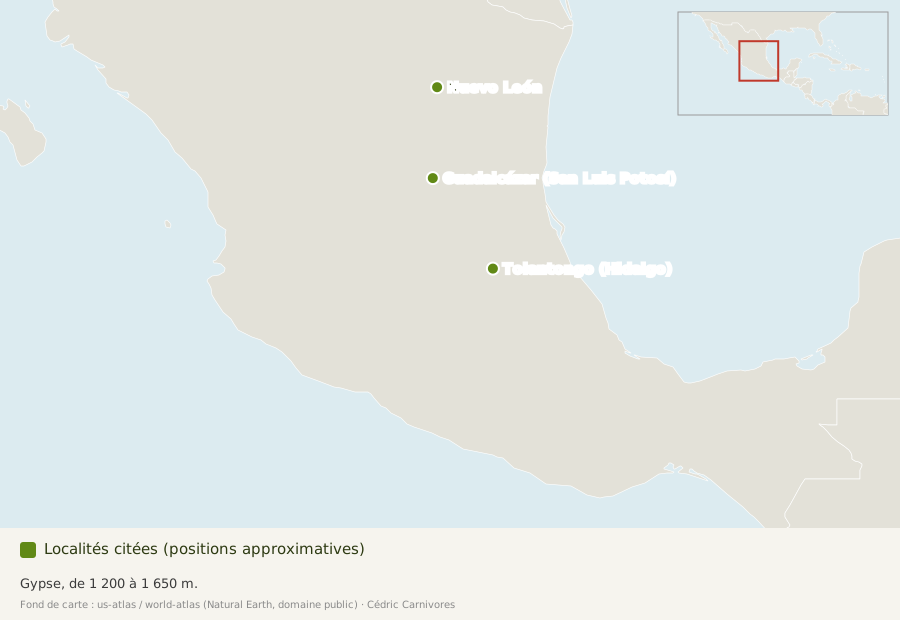
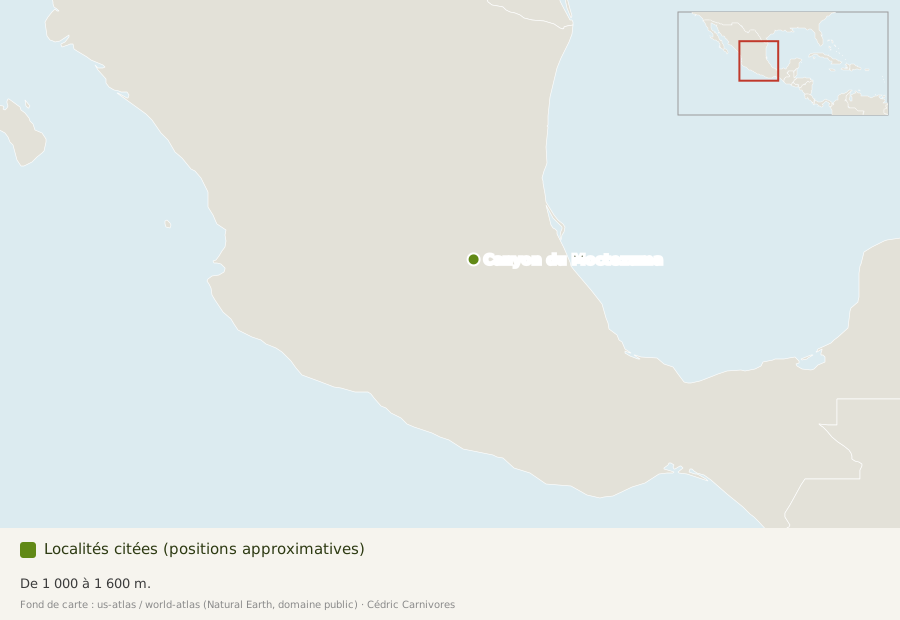
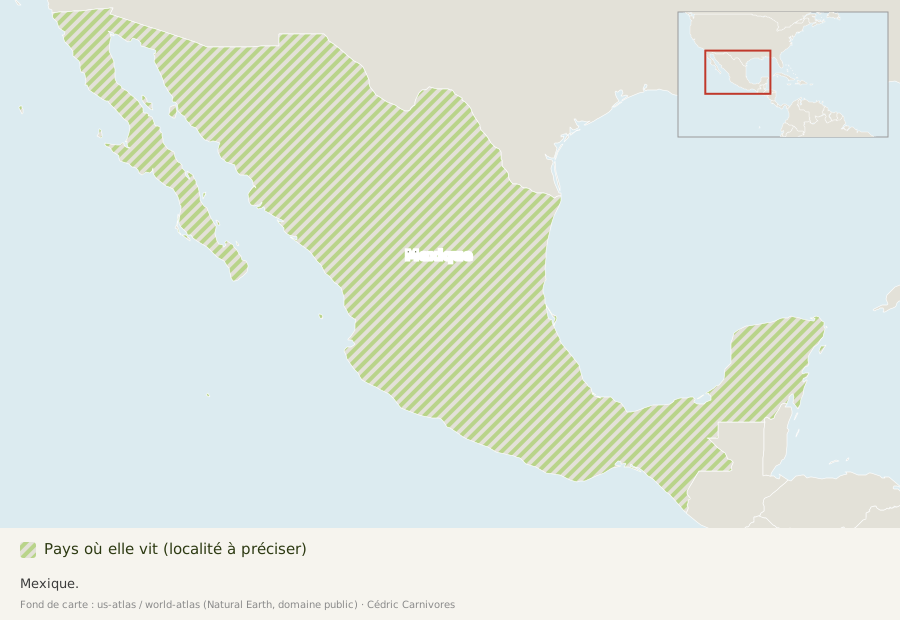
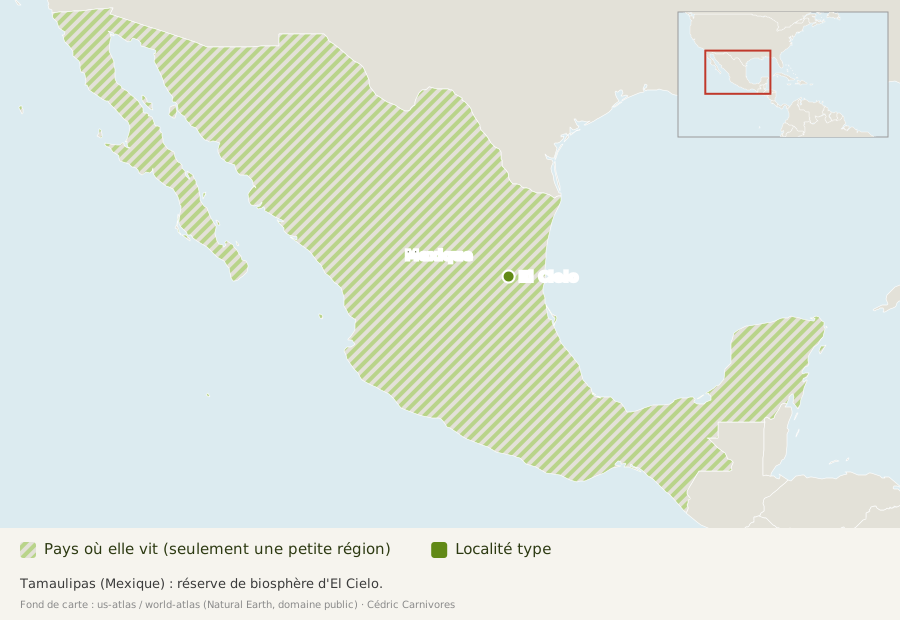
Mainly the Northern Hemisphere; a major centre of diversity in Mexico and Central America; a few species in South America
Habitat
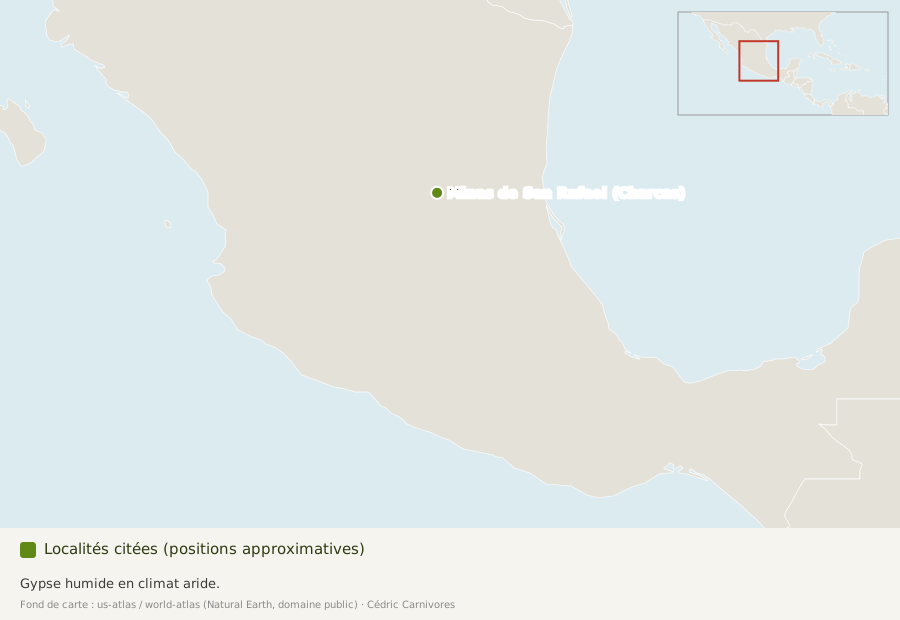
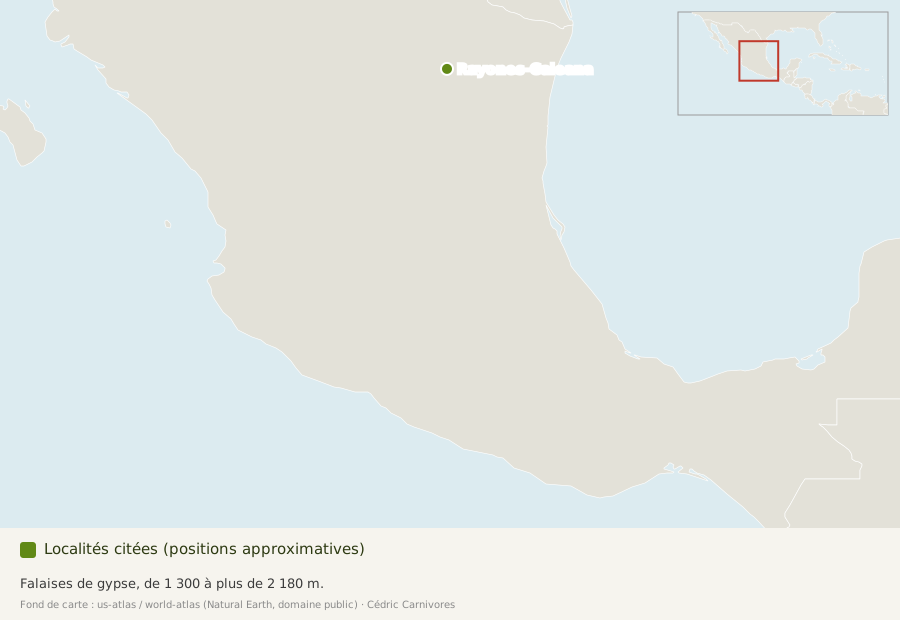
Poor, wet soils: fens, seeps, rock faces, even pure gypsum
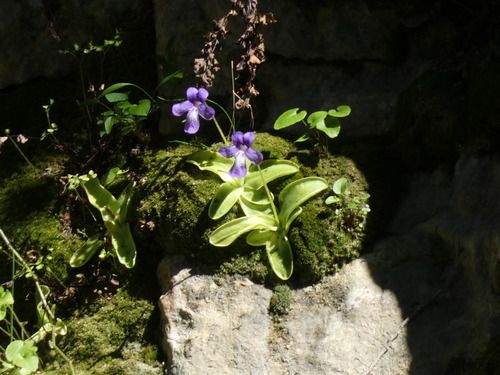
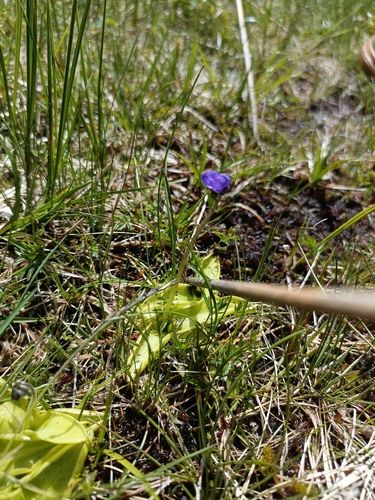
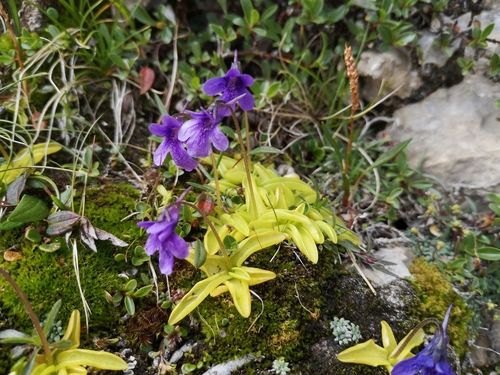
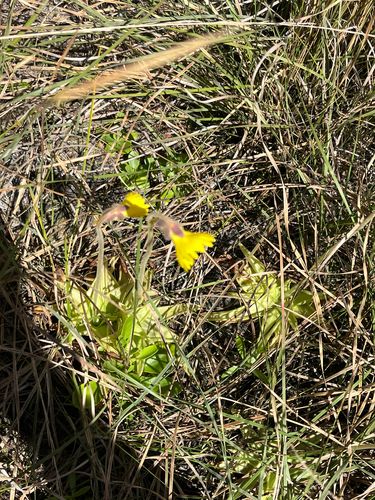
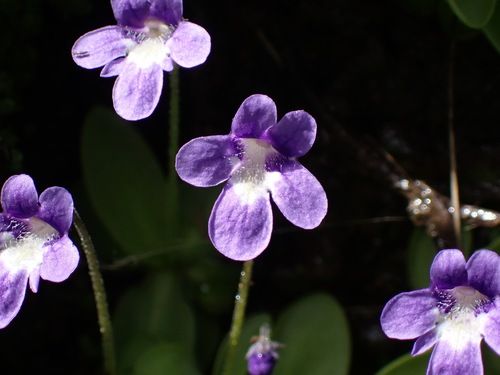
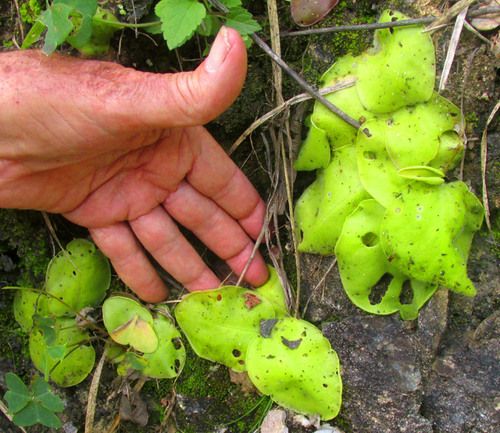
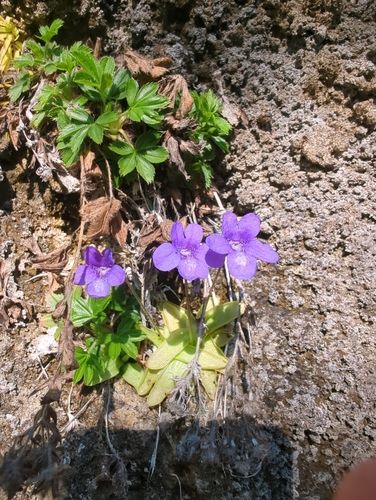
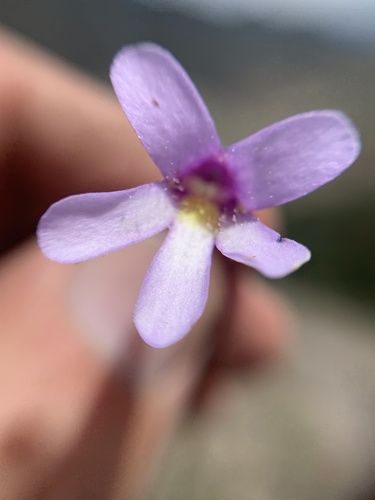
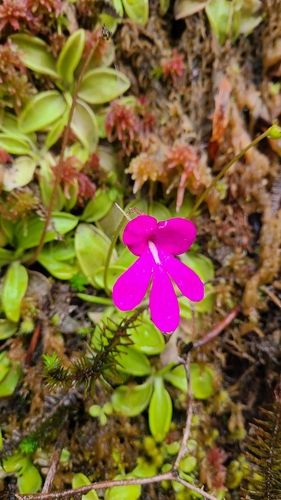
In the wild
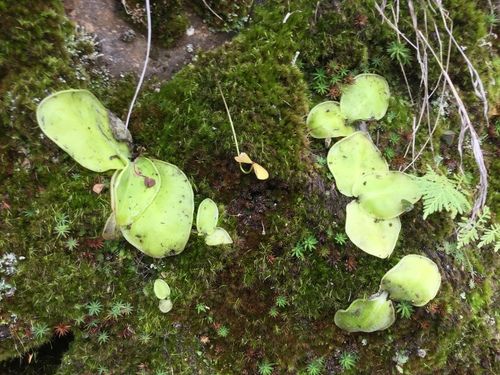
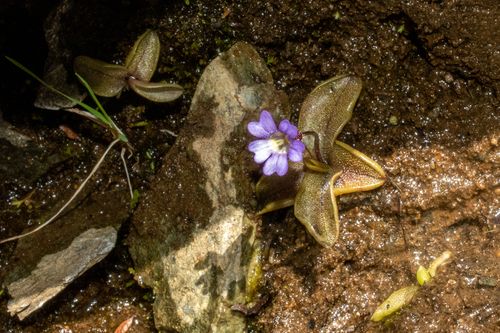
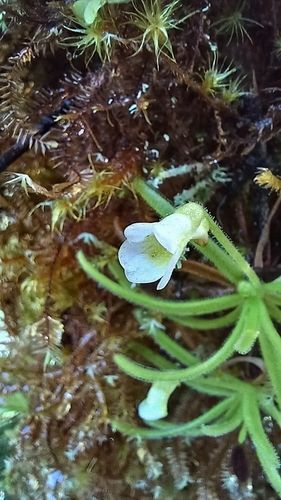
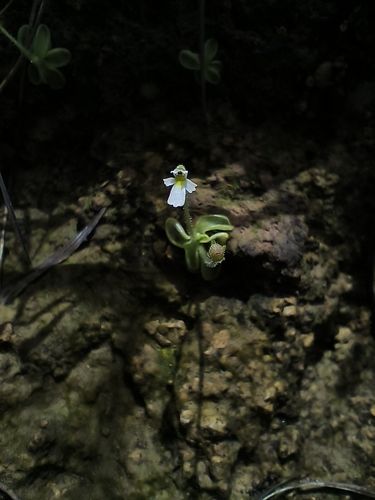
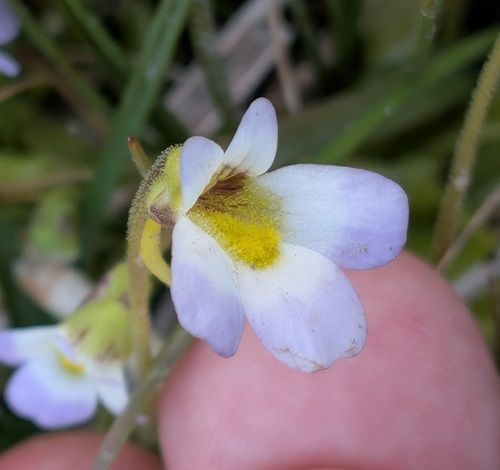
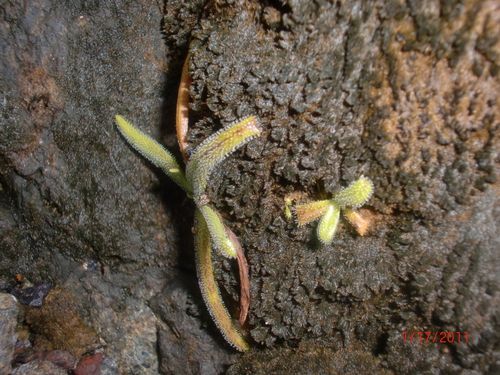
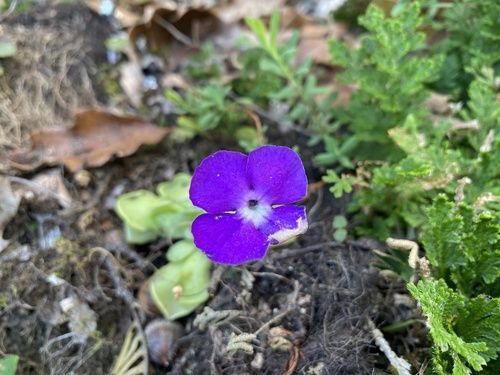
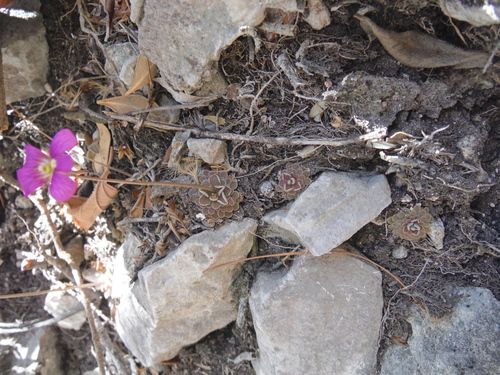
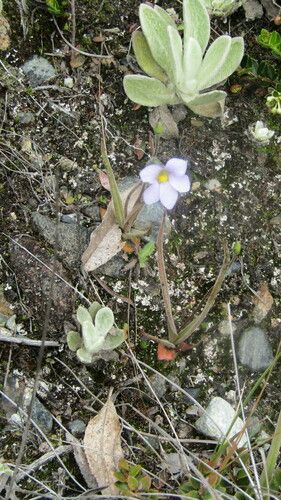
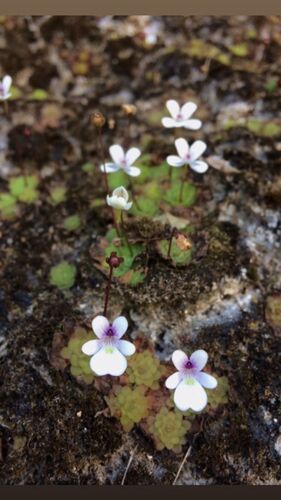
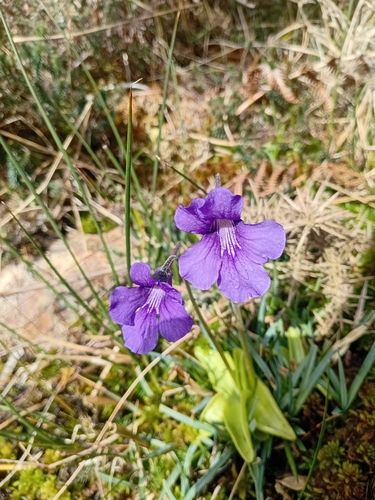
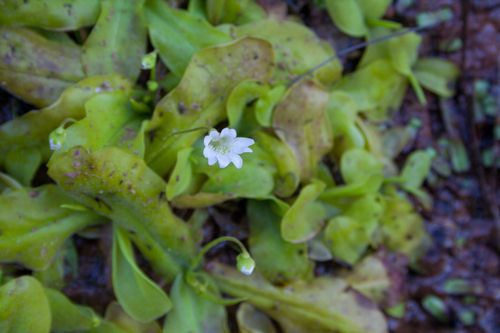
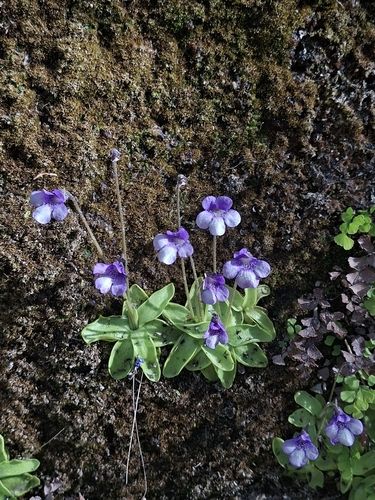
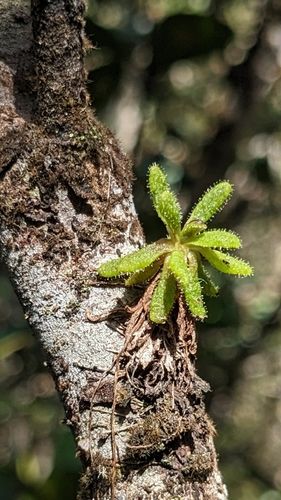
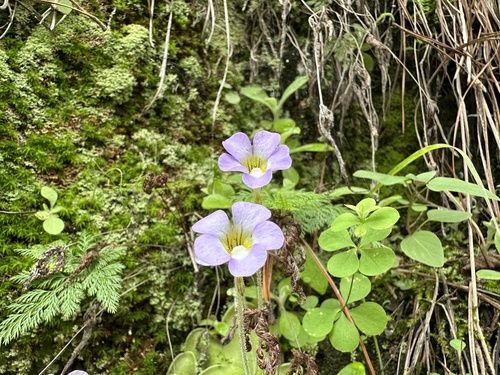
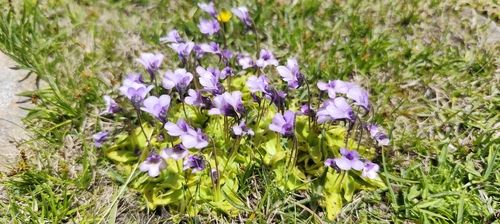
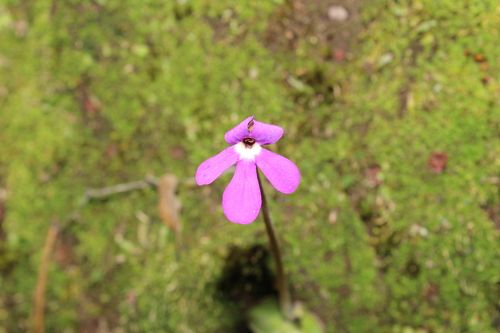
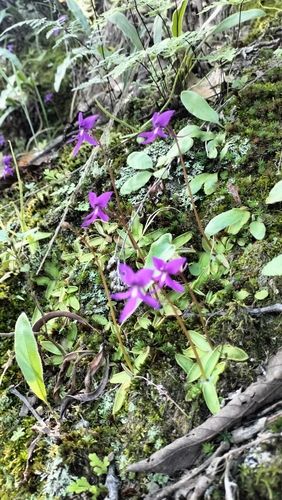
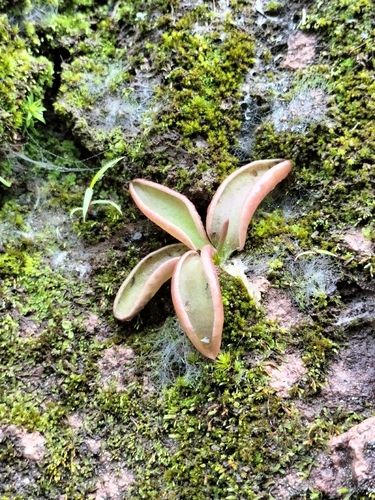
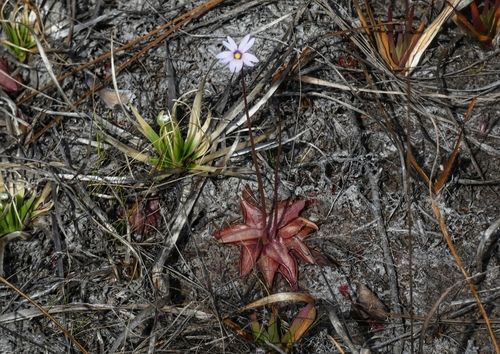
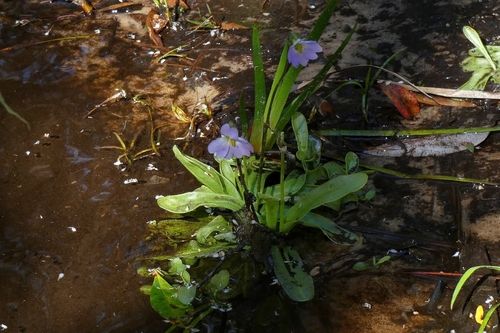
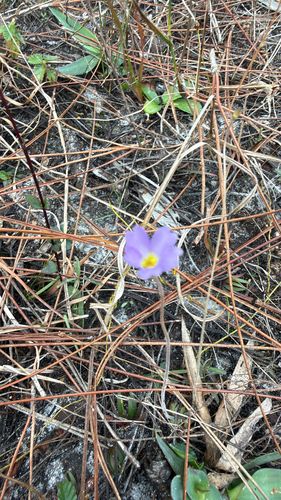
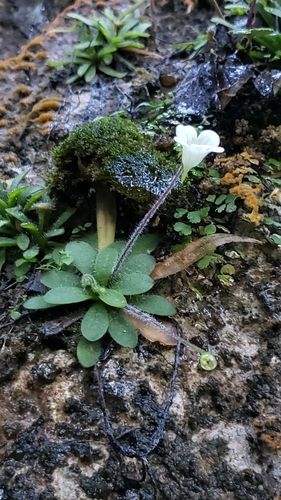
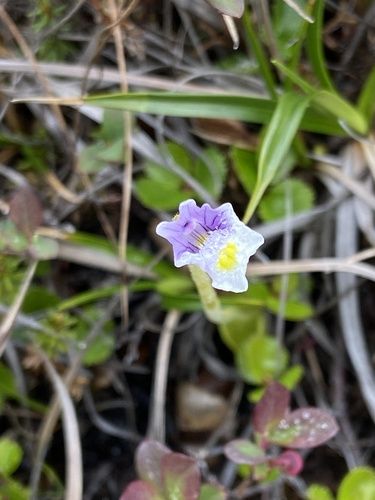
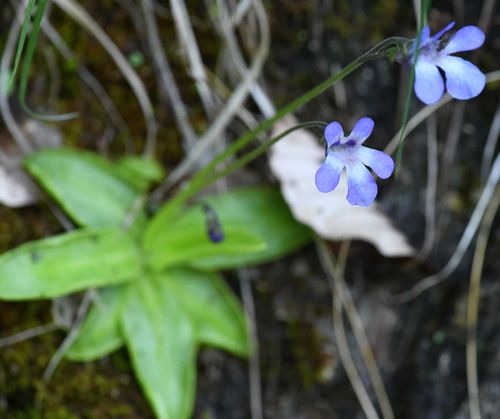
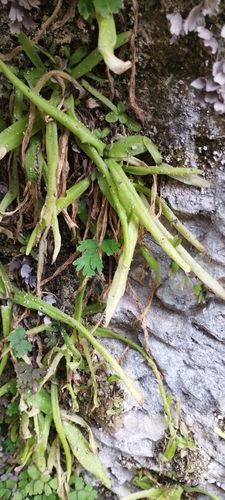
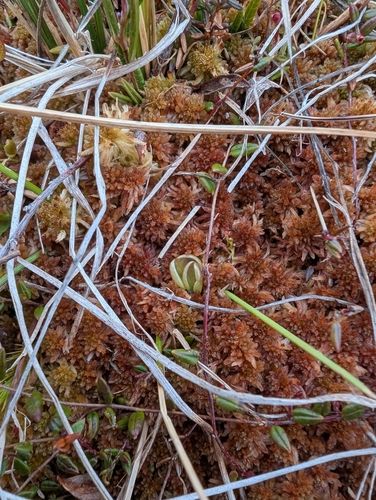
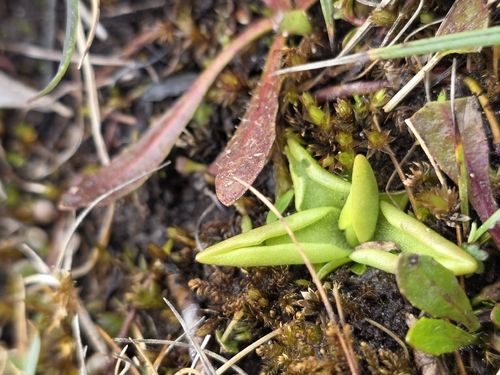
Erick Vélez Sánchez, CC BY
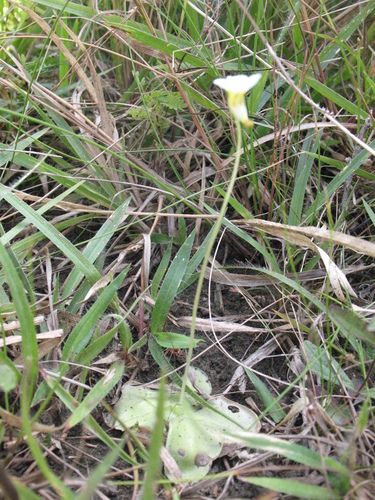
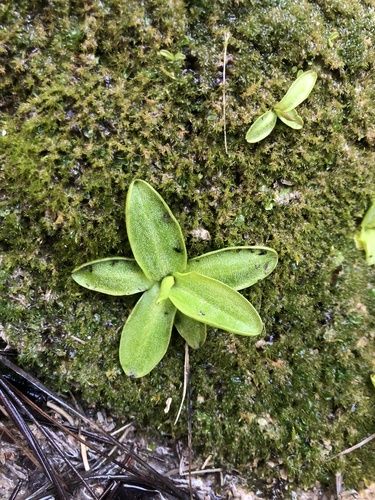
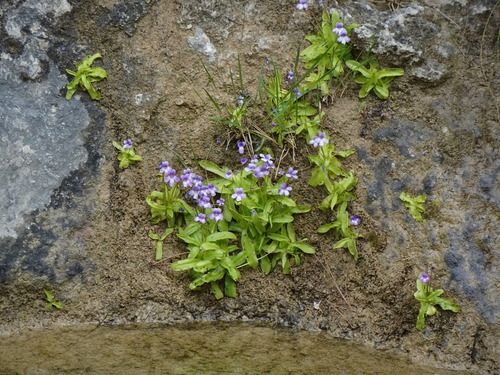
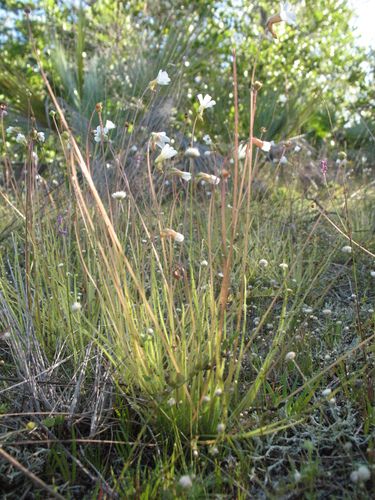
Yoannis Domínguez, CC BY
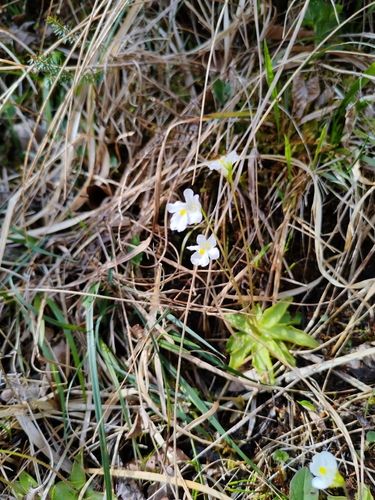
Ljaž, CC BY
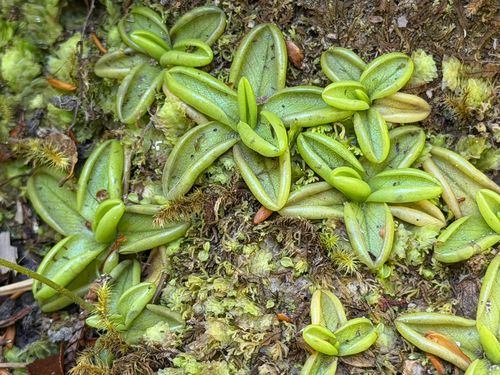
Cody Hinchliff, CC BY
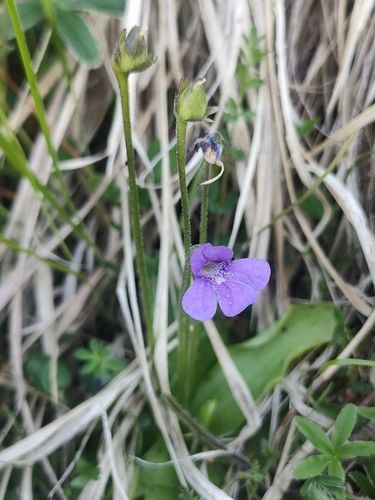
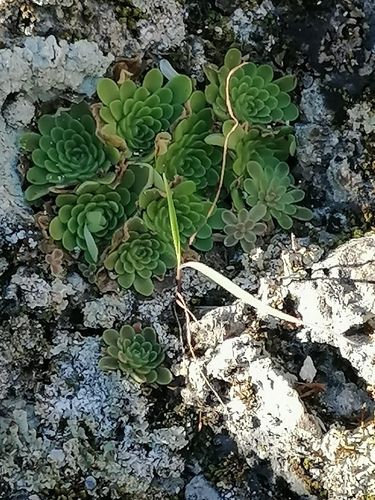
Gianmaria Bonari, CC BY
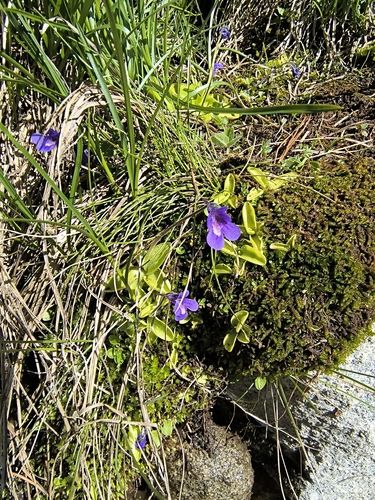
Jean Jacques Godon, CC BY
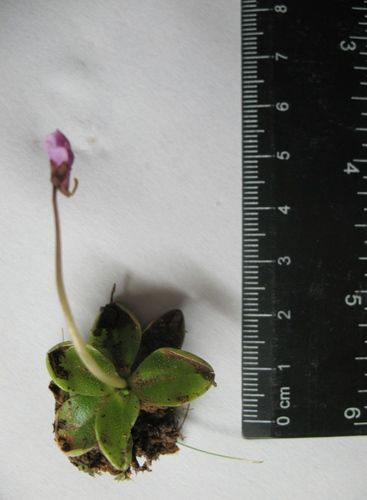
Yoannis Domínguez, CC BY
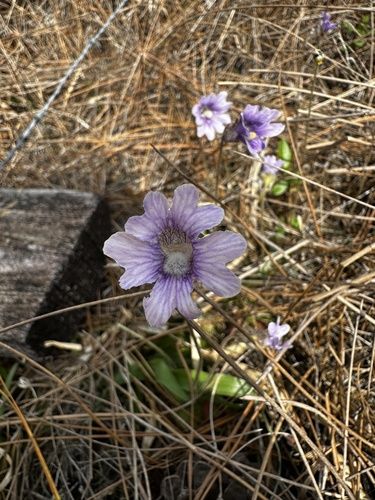
Ashwin Srinivasan, CC BY
Etymology
- Pinguicula: from the Latin pinguis, “fat”. The name comes from the Swiss naturalist Conrad Gesner, who wrote in 1561 that the plant was so called “because of its fat and tender leaves”.
- Butterwort in English and grassette in French say the same thing: leaves that seem coated with fat or butter.
History
- 1479: first known mention, in a work on medicinal plants.
- 1583: Clusius distinguishes a blue-flowered form (P. vulgaris) and a white-flowered one (P. alpina).
- 1753: Linnaeus describes several species; 32 were known by 1844.
- 1870s: Darwin studies them.
- 1966: Casper's monograph counts 46 species; the number has almost tripled since, mainly thanks to discoveries in Mexico.
Distribution
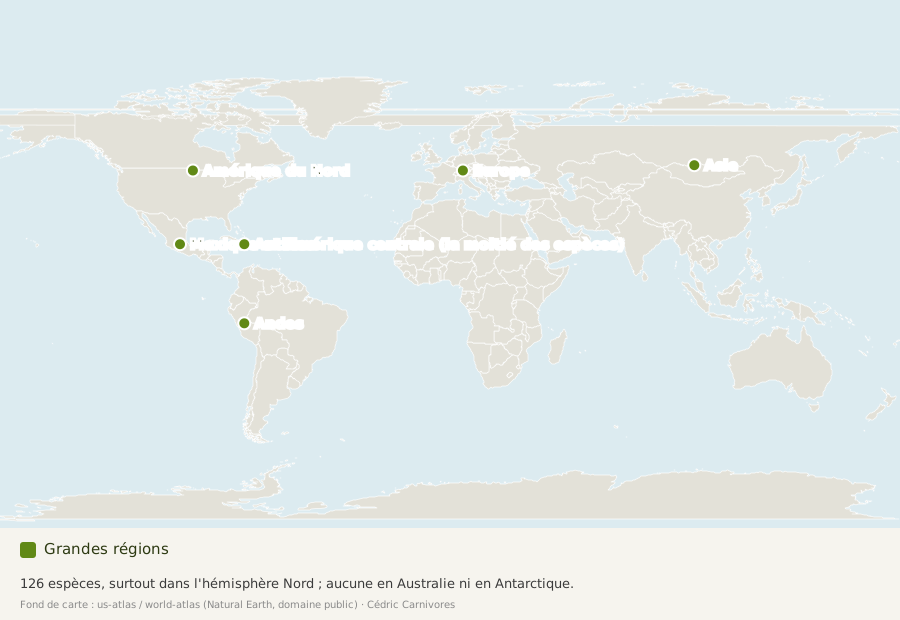
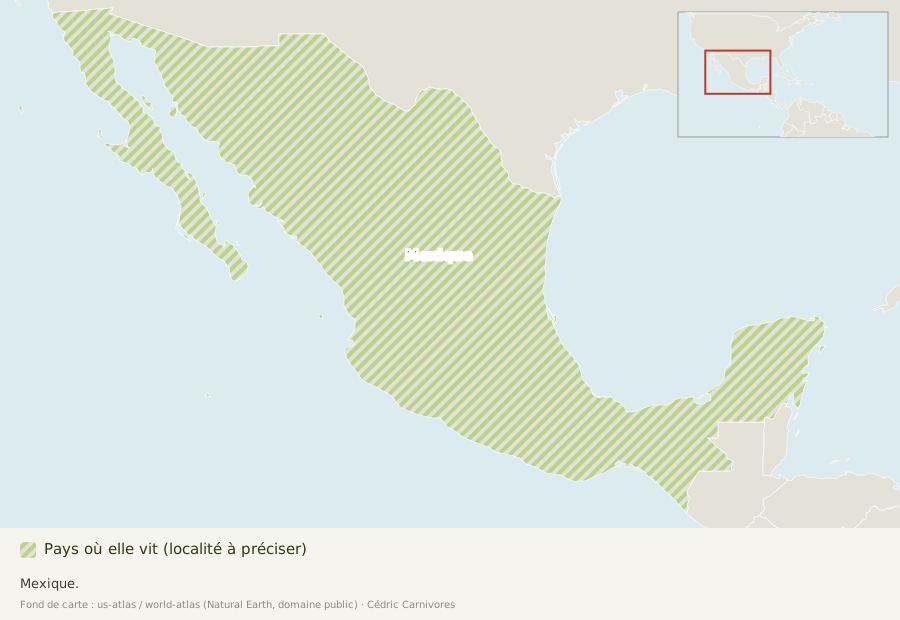
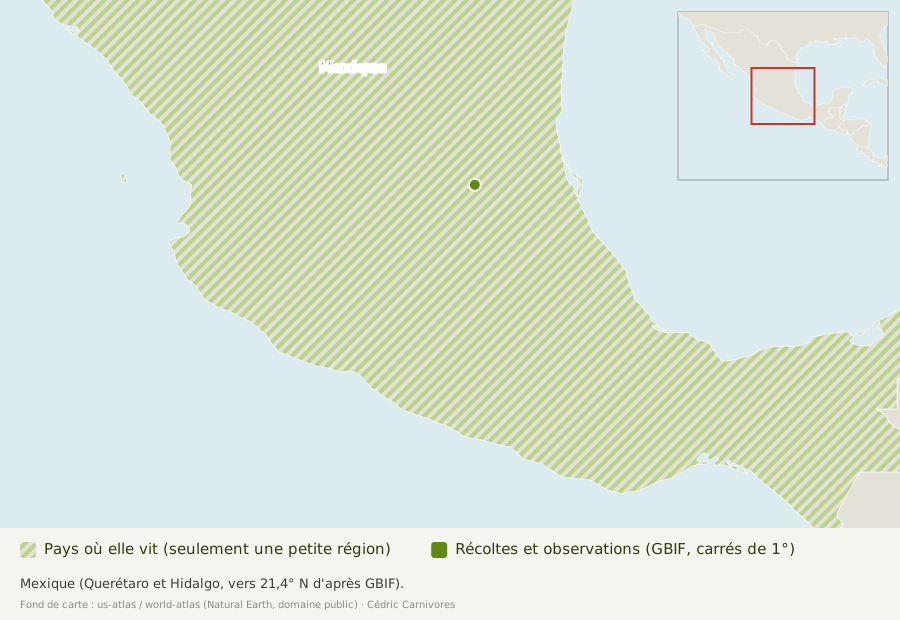
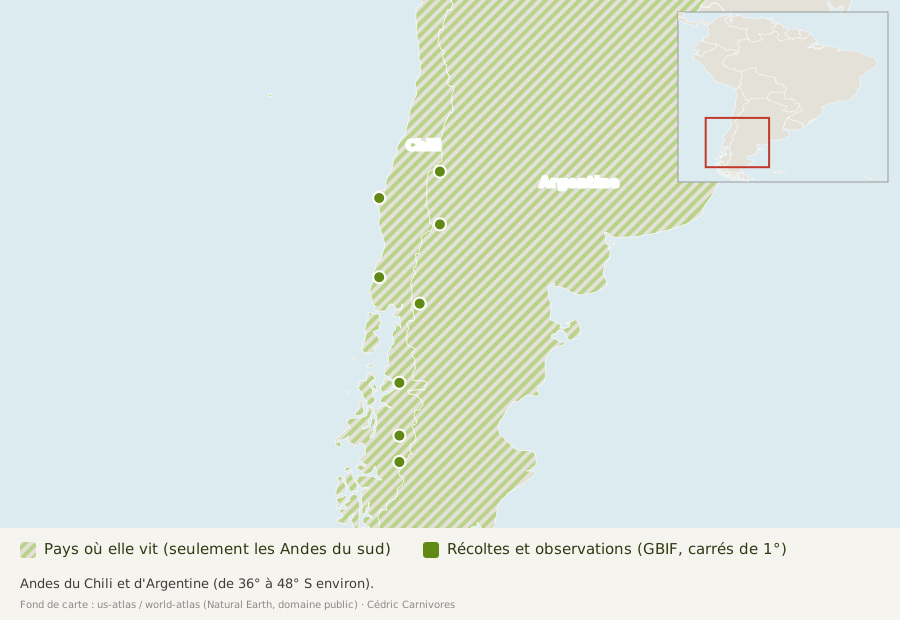
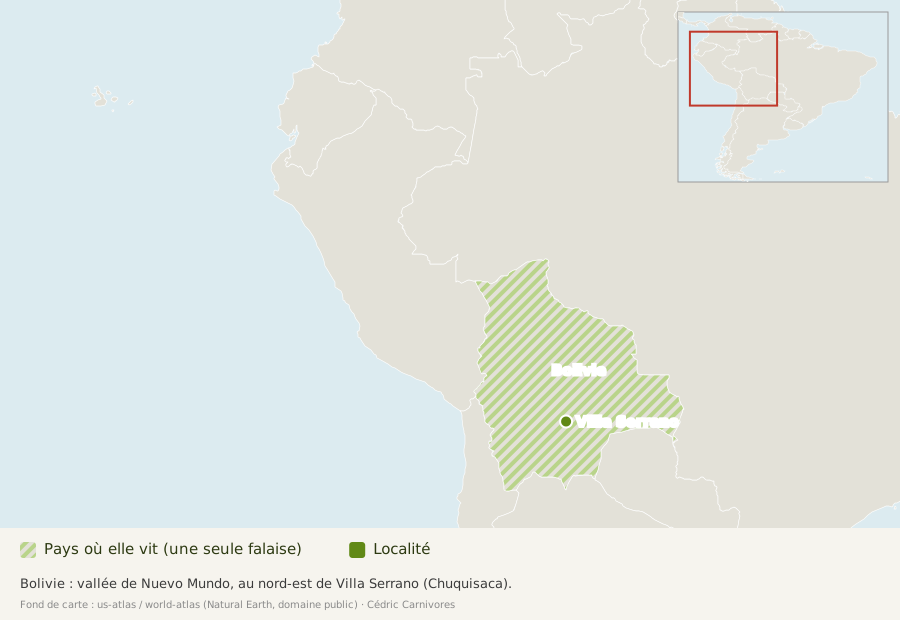
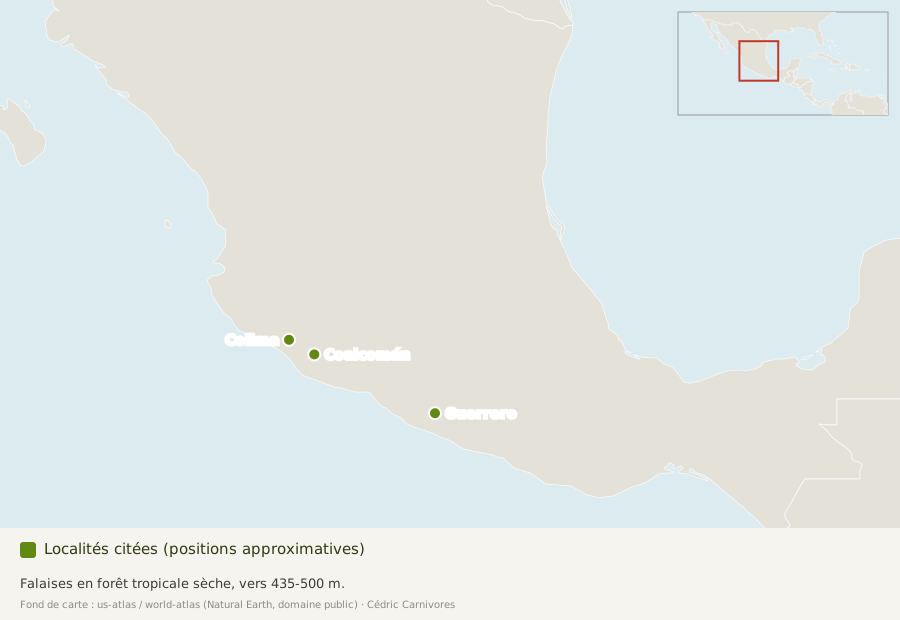
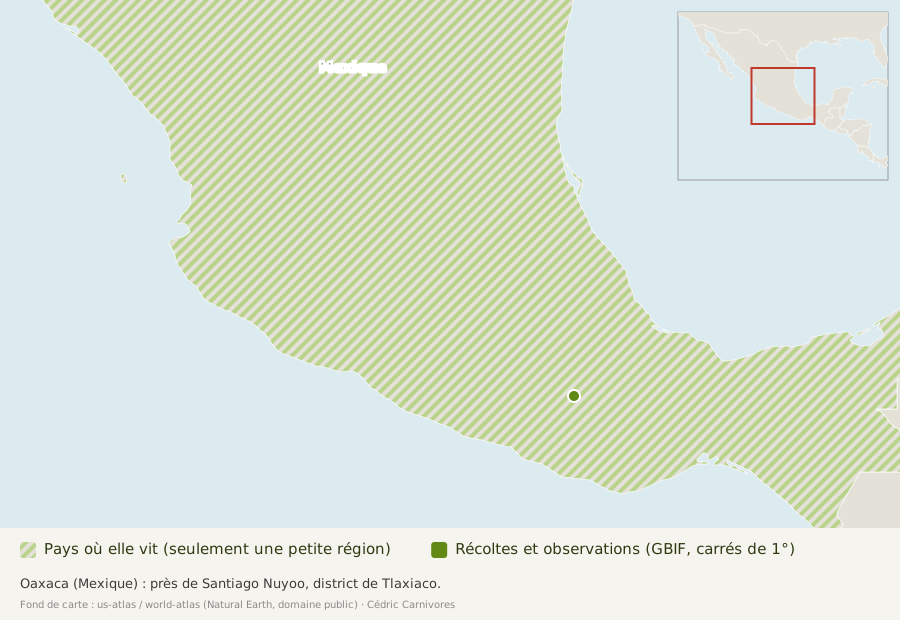
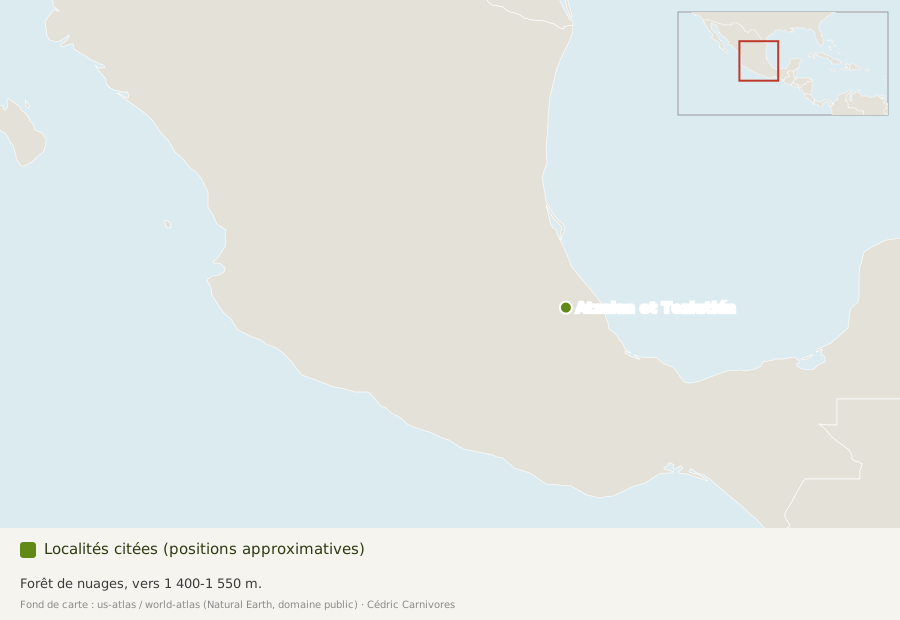
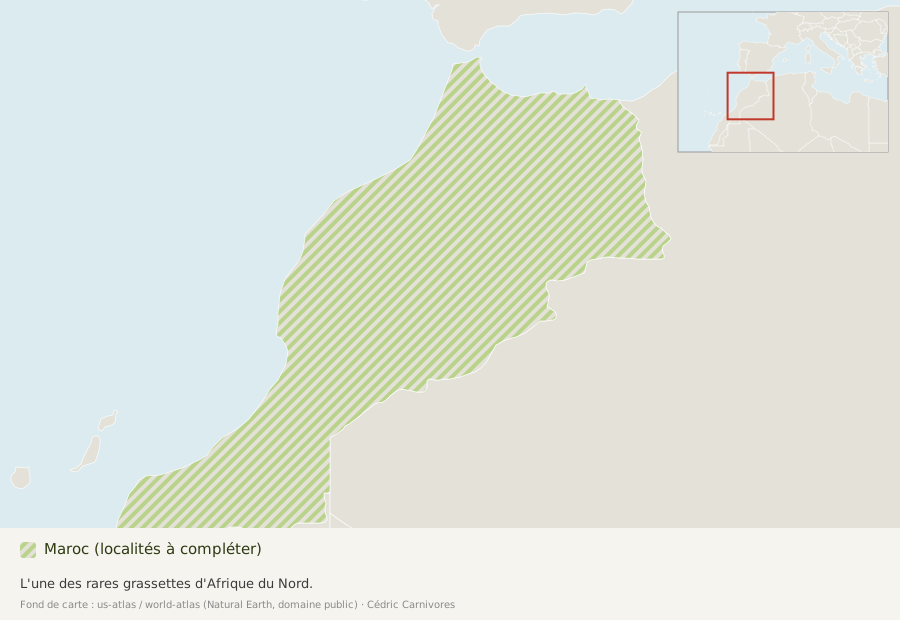
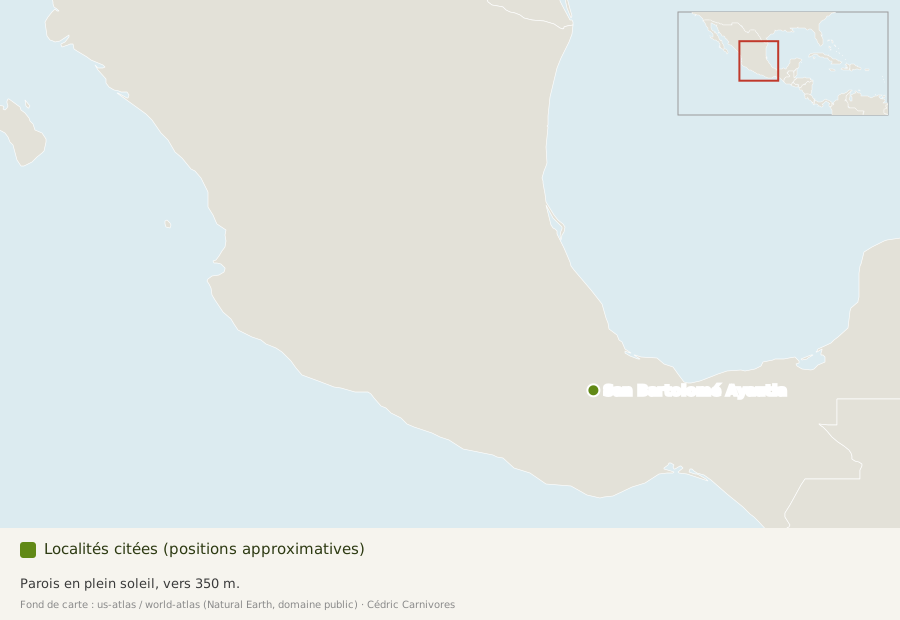
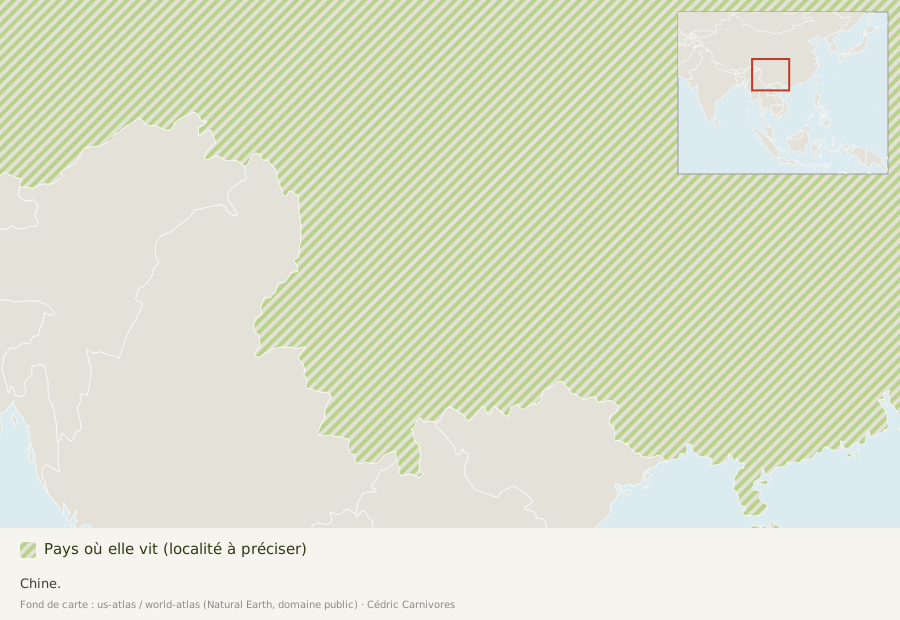
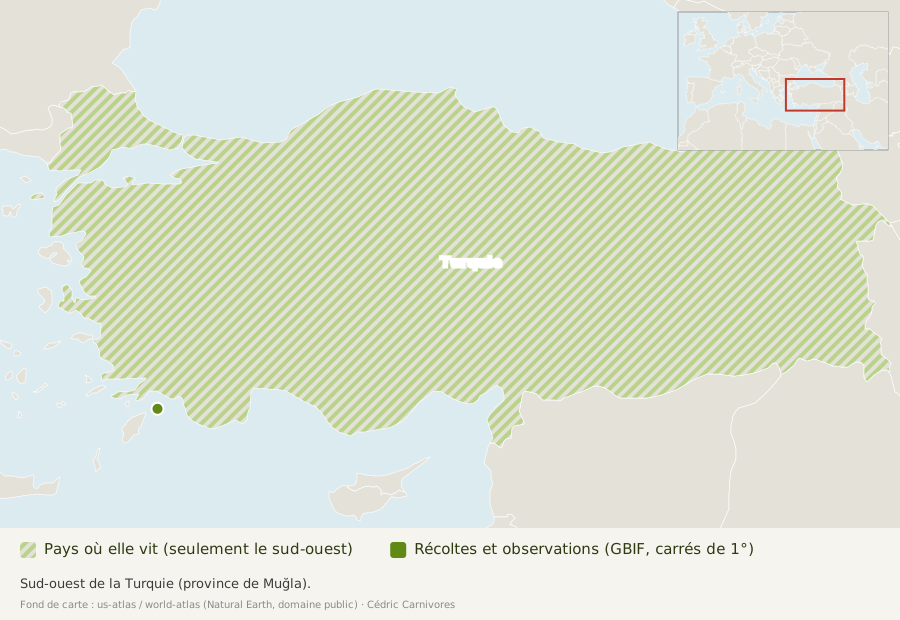
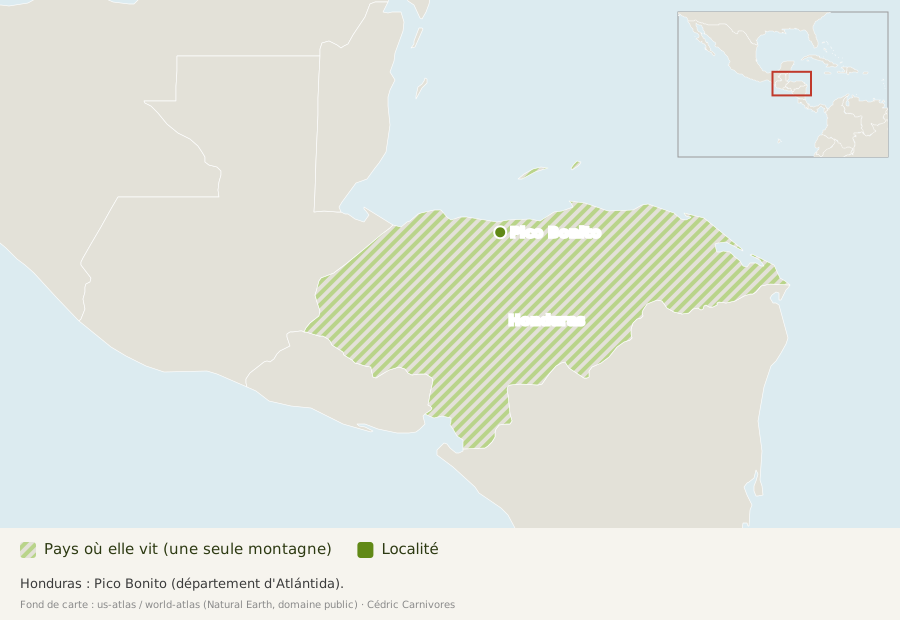
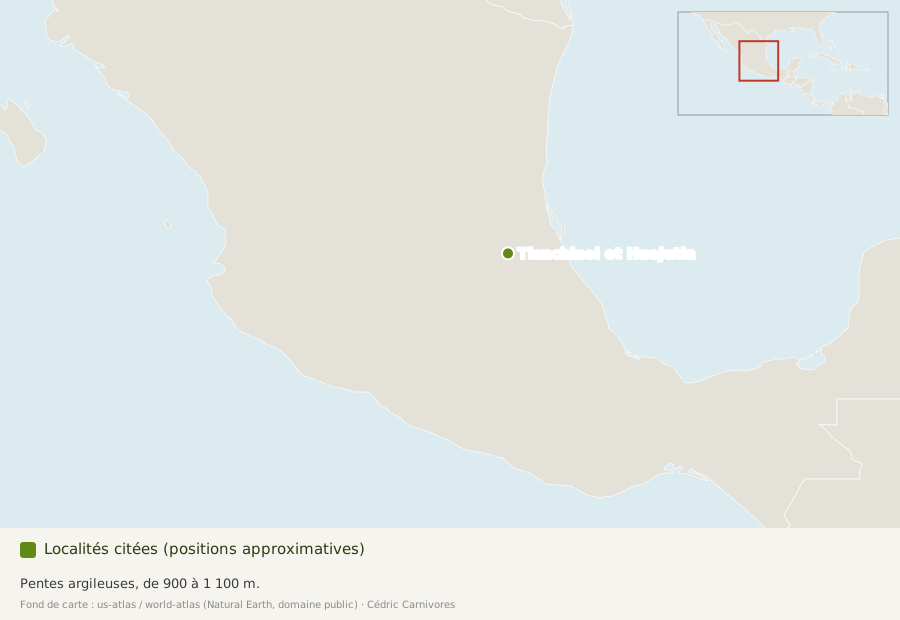
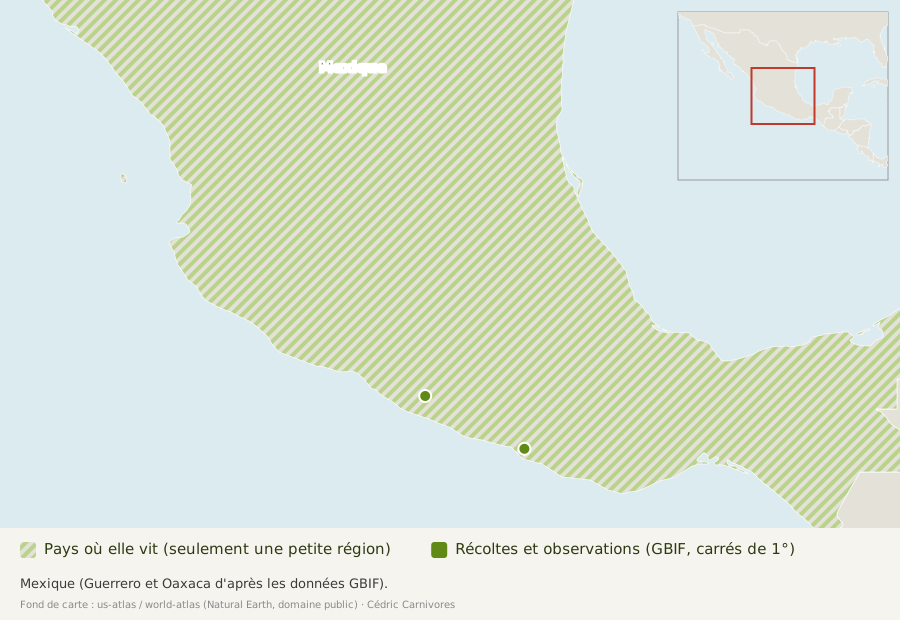
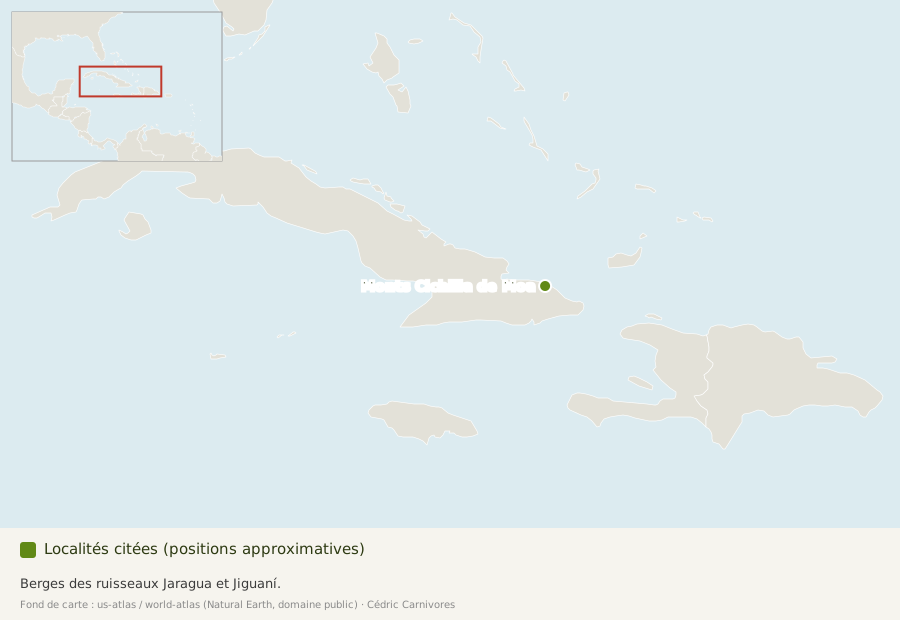
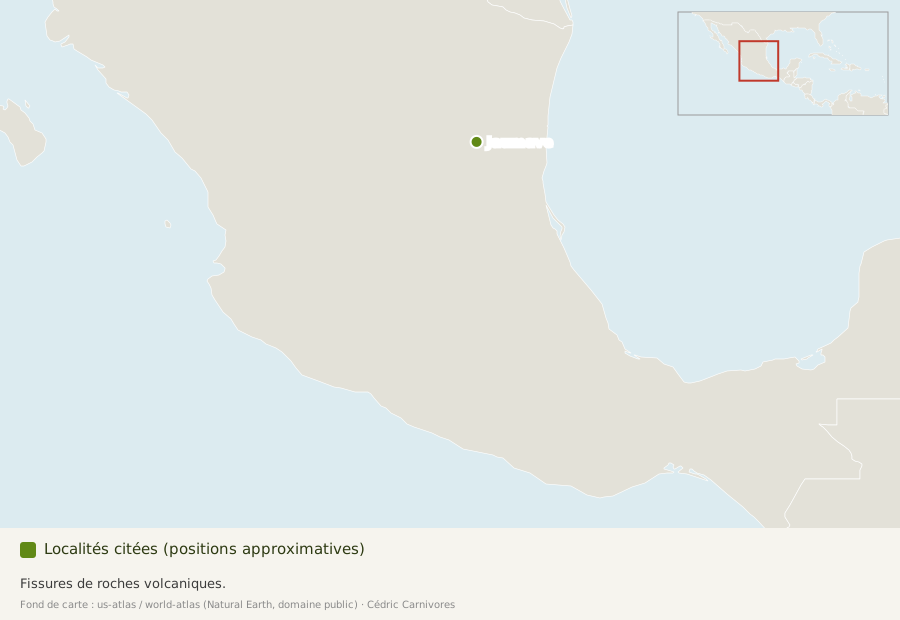
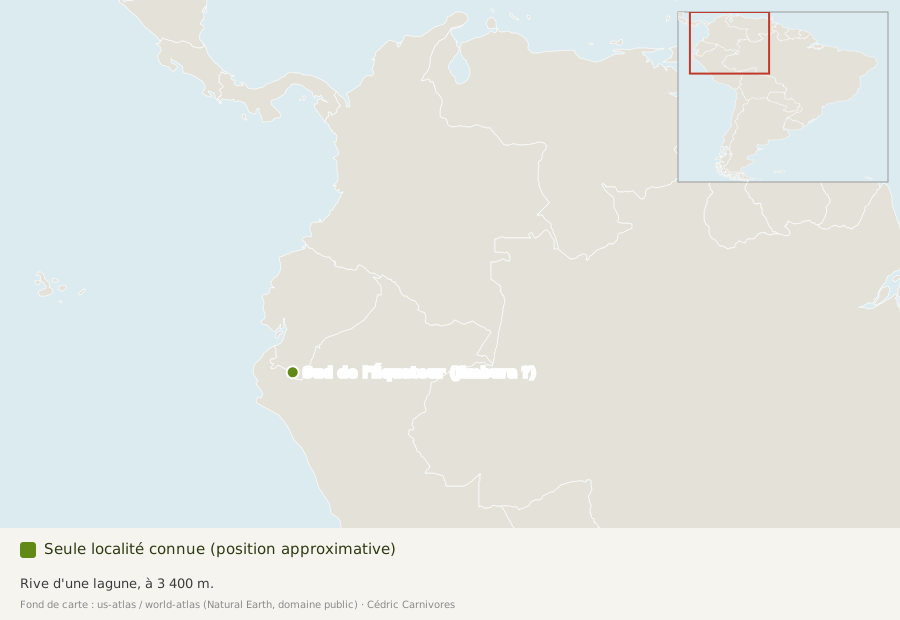
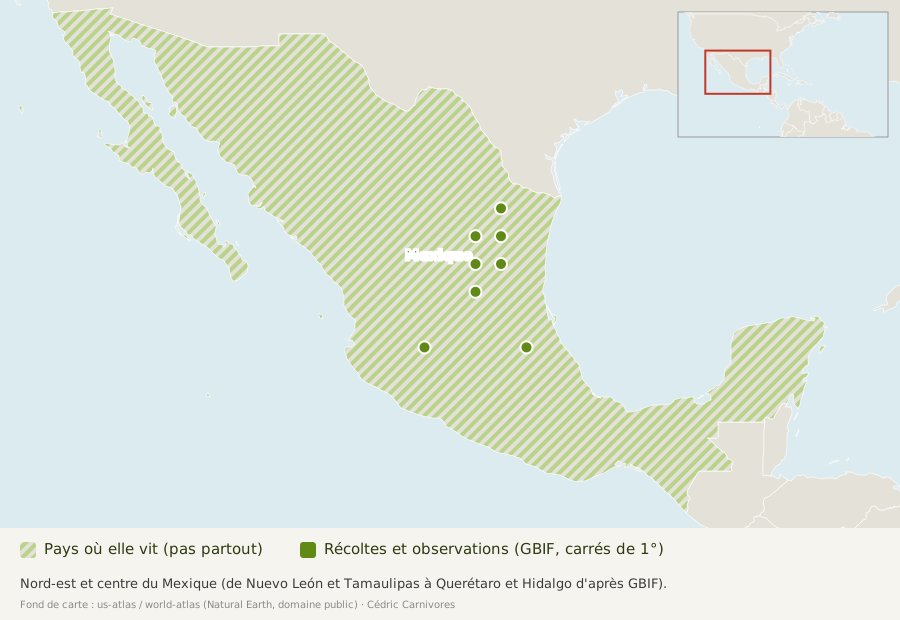
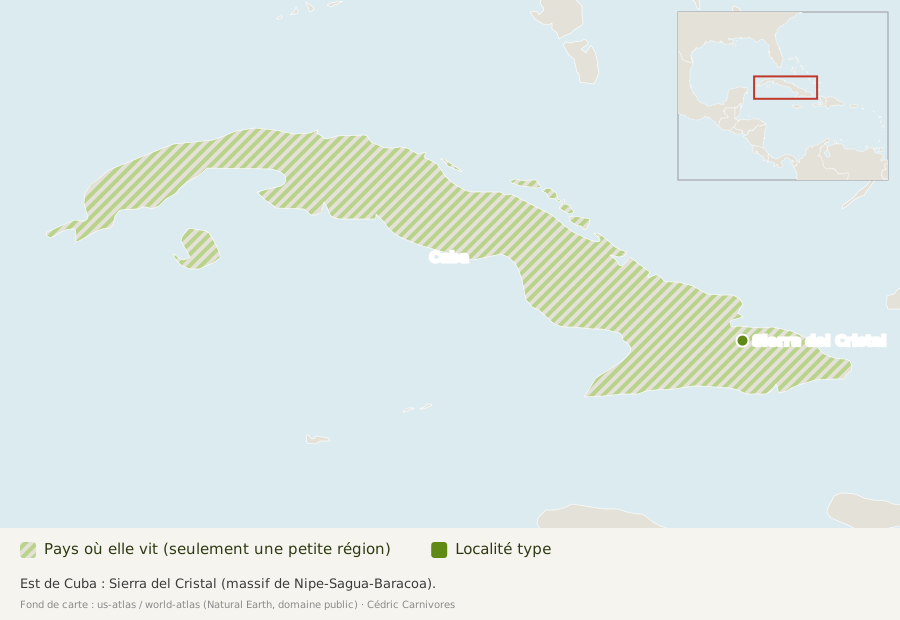
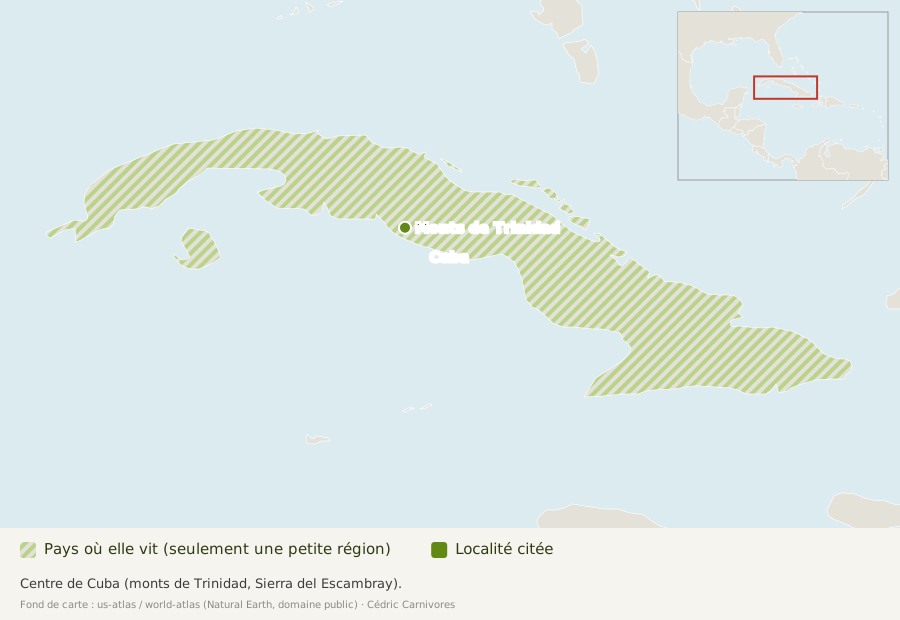
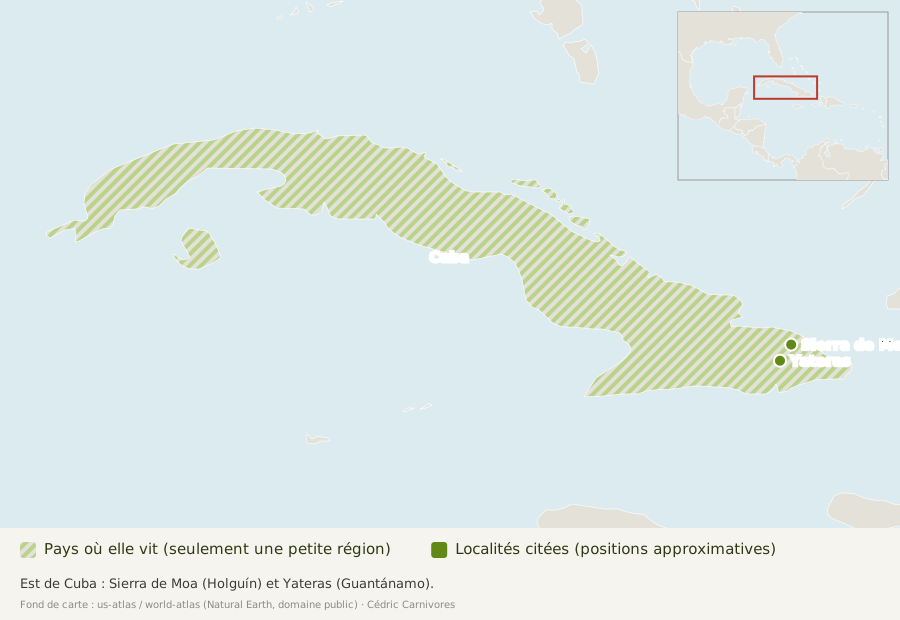
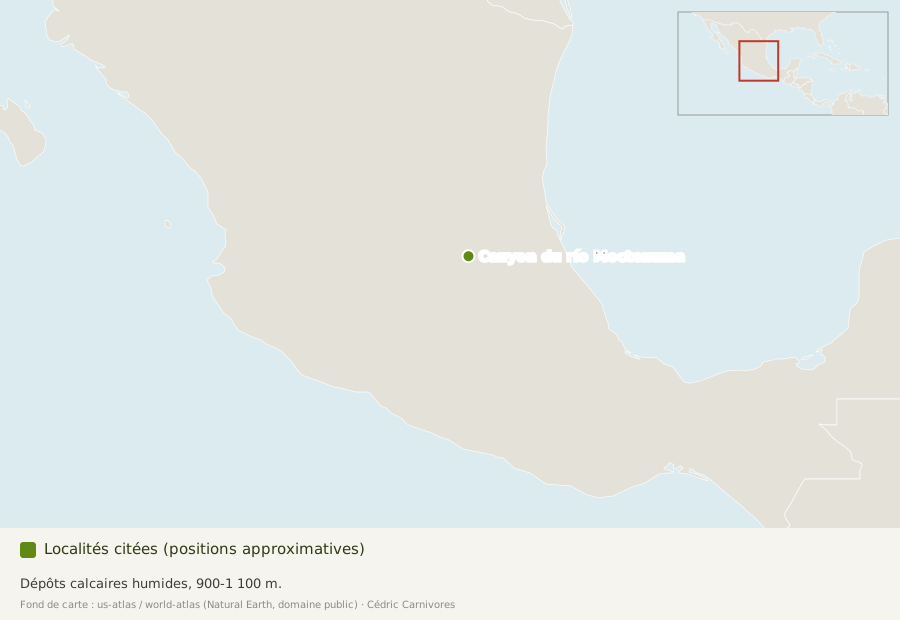
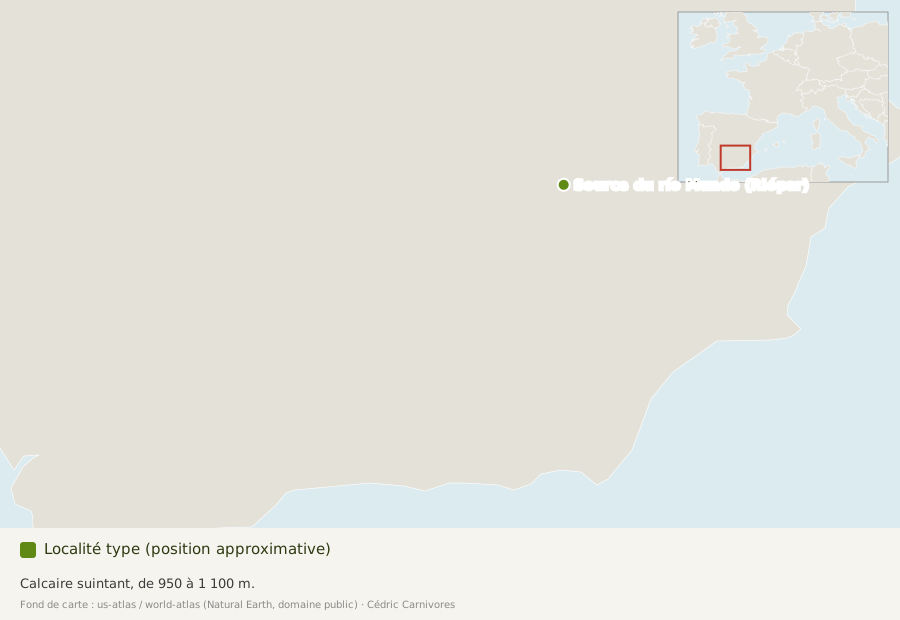
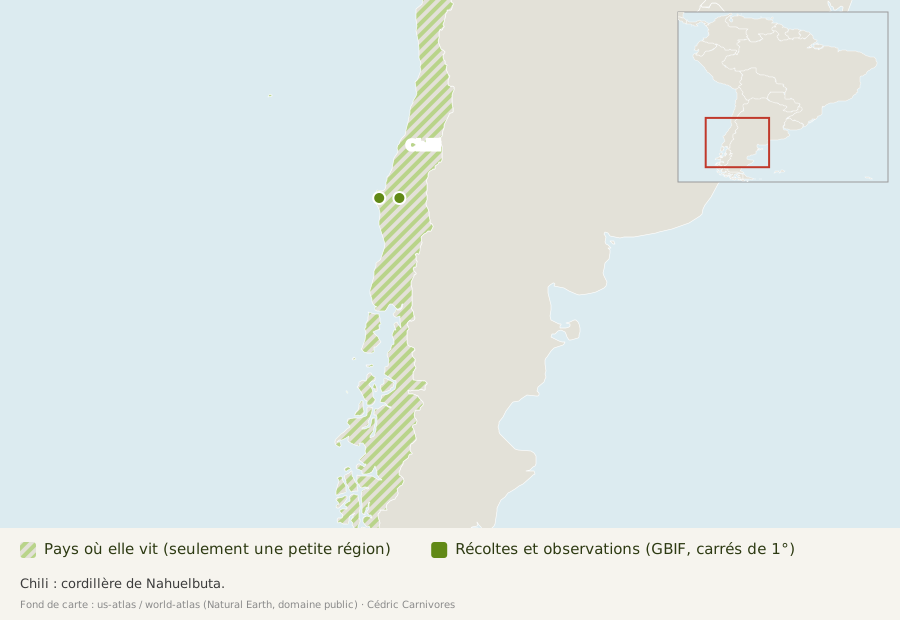
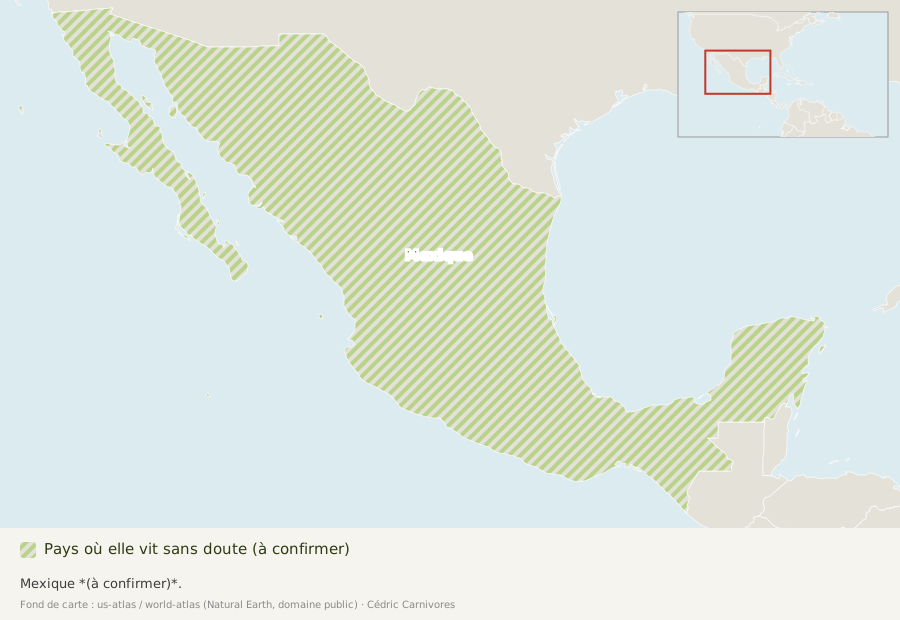
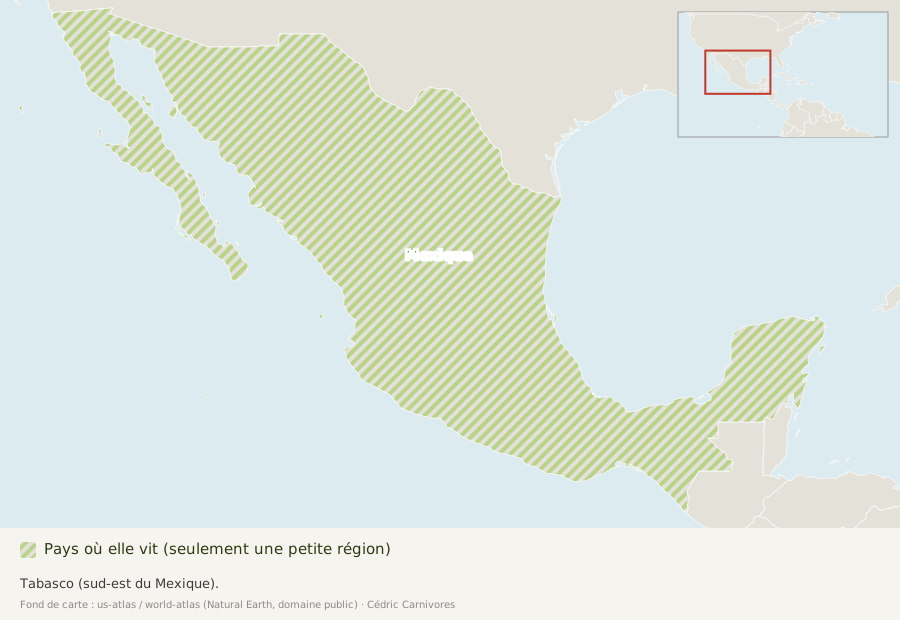
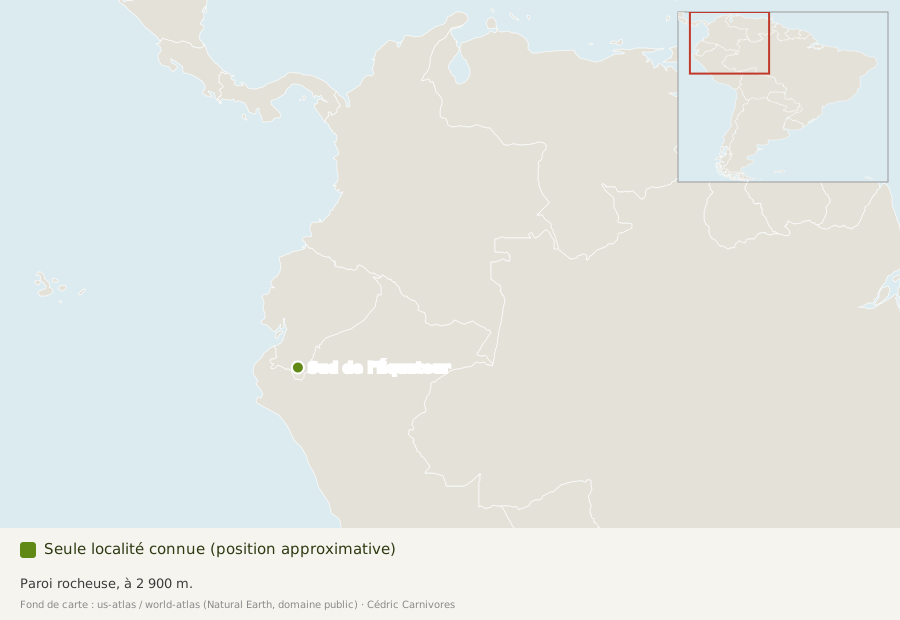
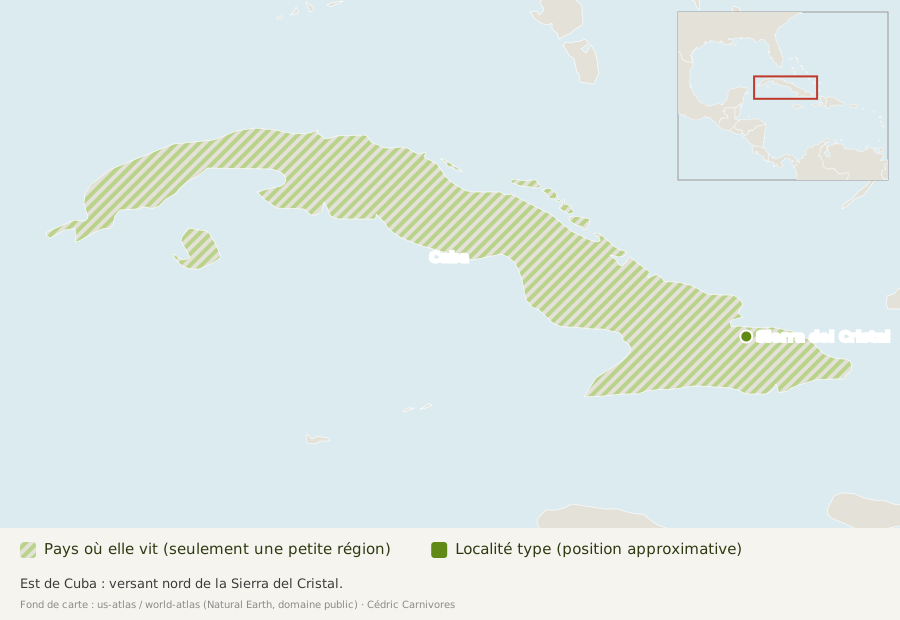
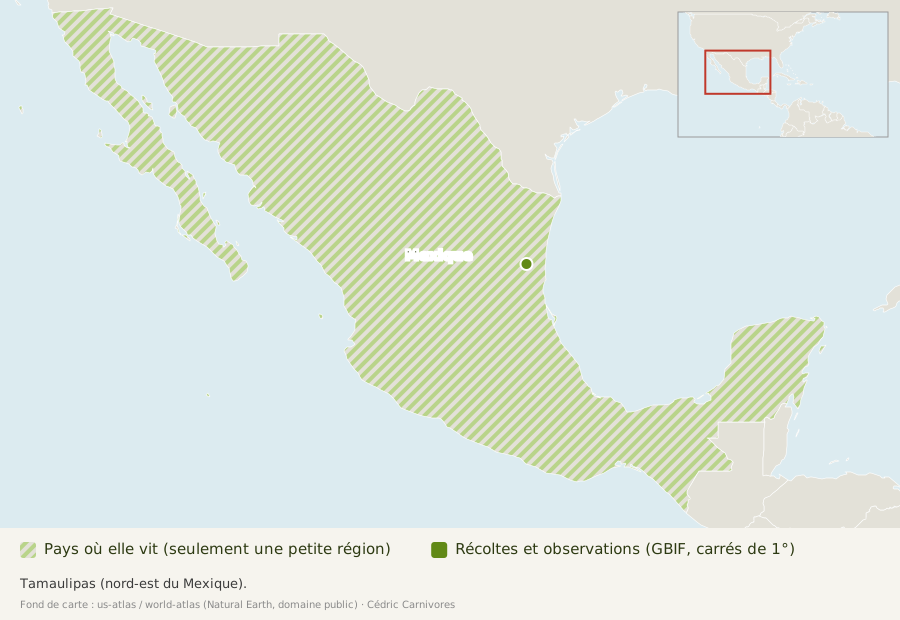
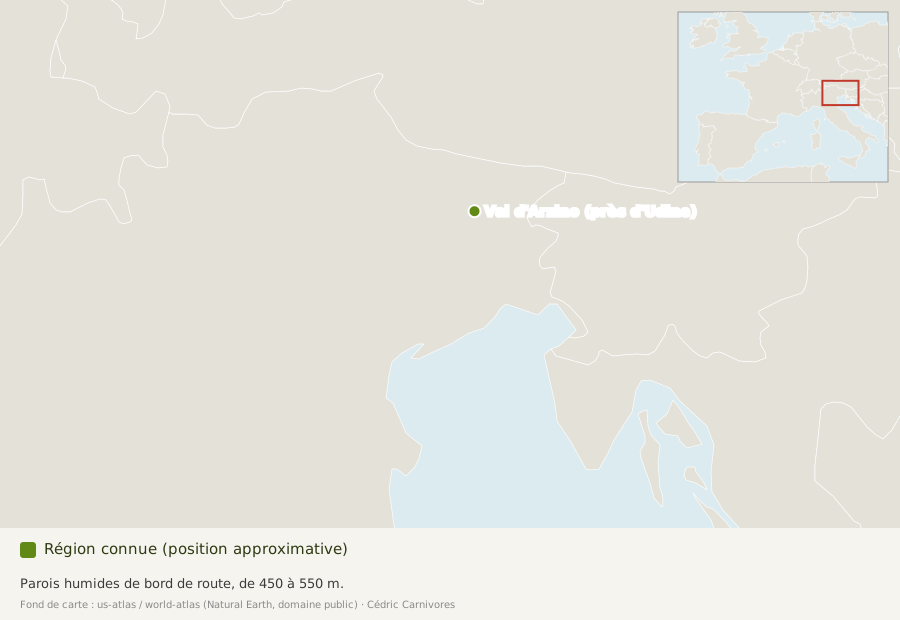
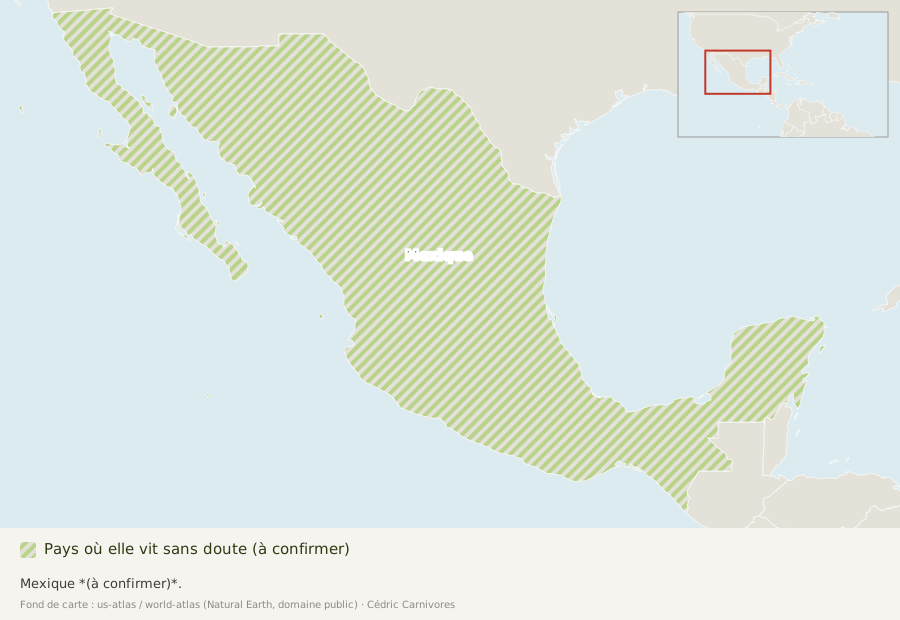
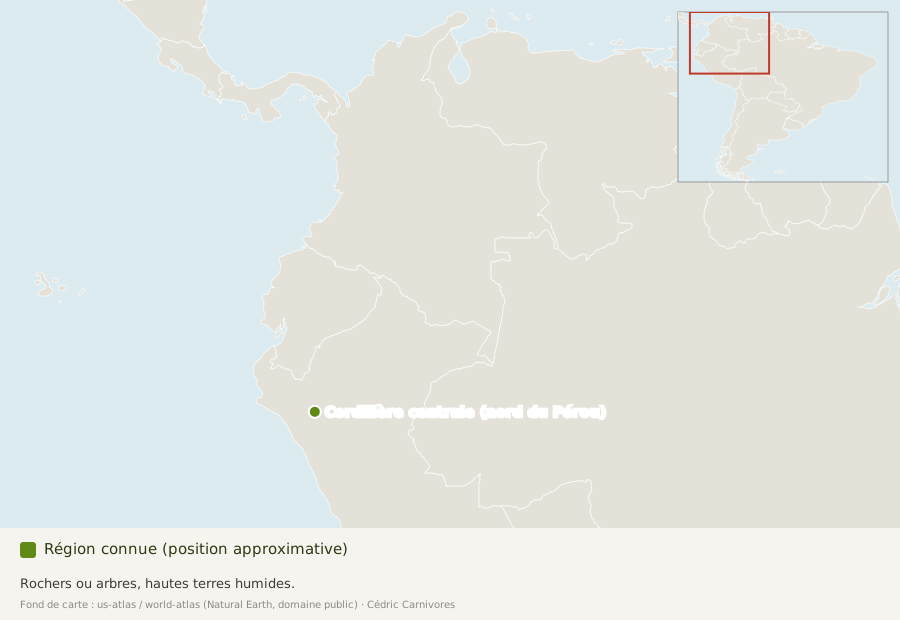
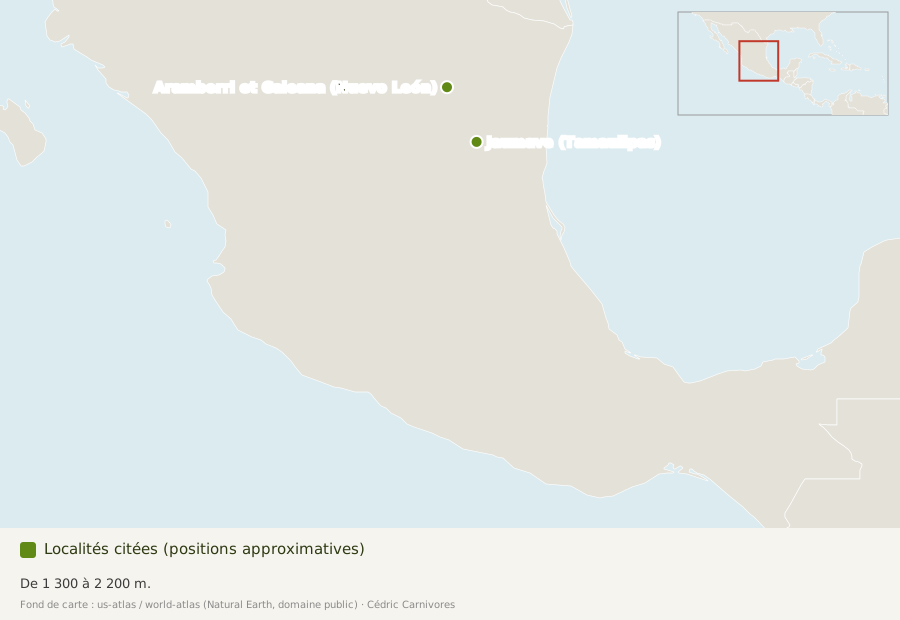
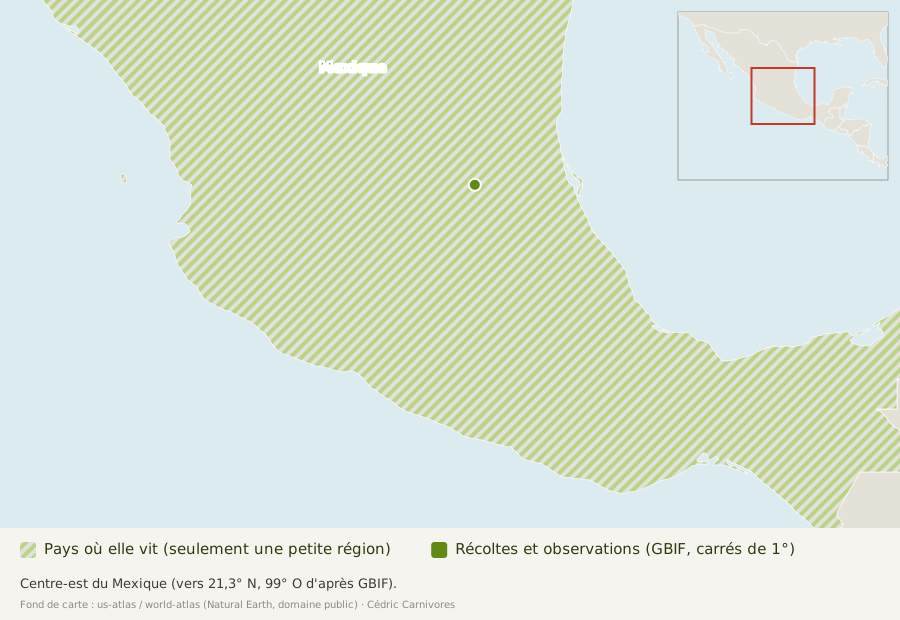
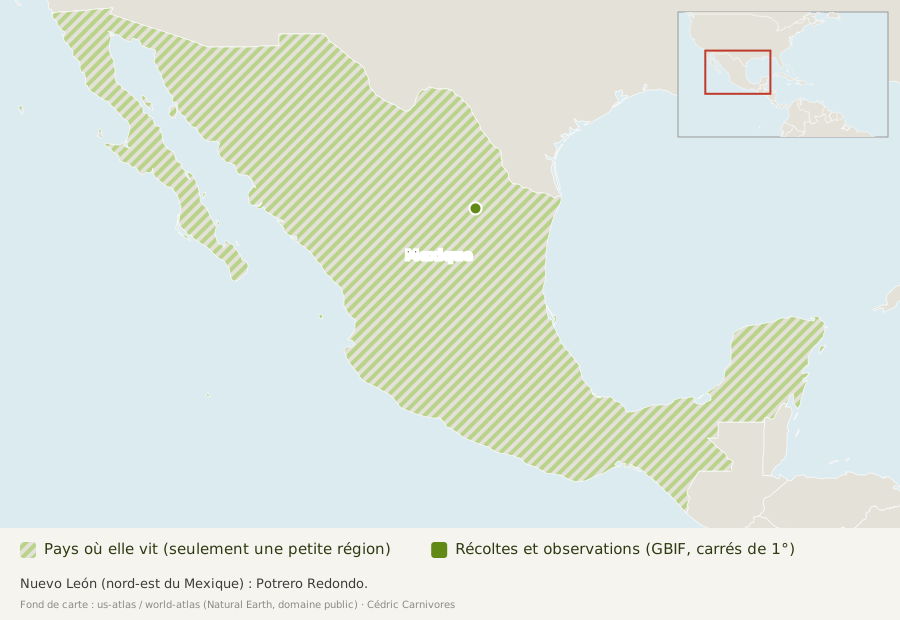
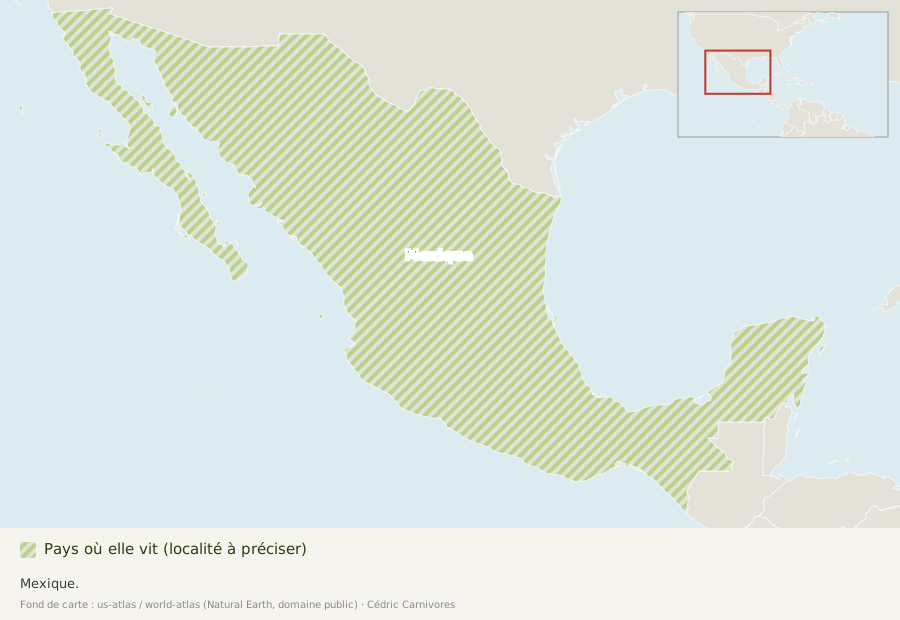
Mainly in the Northern Hemisphere: 13 species in Europe according to Wikipedia (more according to recent floras), 9 in North America. The largest centre of diversity is in the humid mountains of Mexico and Central America, home to about half the species. There are also some in the Andes and the West Indies. None in Australia or Antarctica. P. alpina and P. vulgaris have the largest ranges.
Habitat
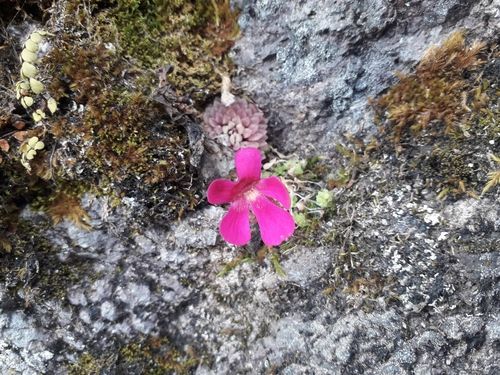
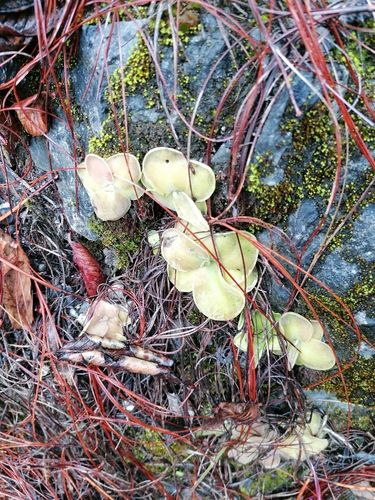
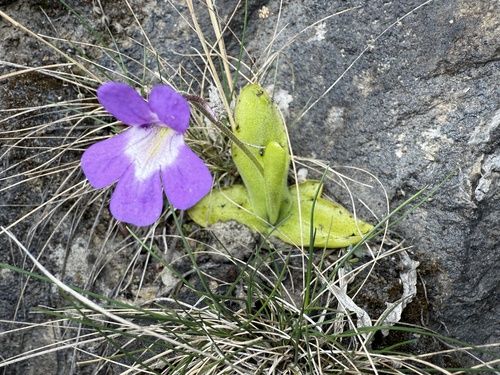
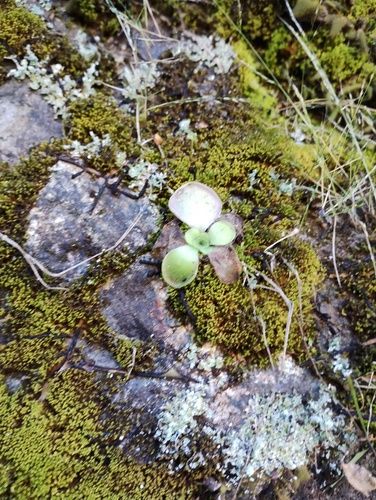
Soils poor in nutrients, often wet: fens, bogs, seeps, dripping limestone rock faces. Some grow on pure gypsum or vertical cliffs. Many like partial shade.
The three ways of life
| Form | Features | Examples |
|---|---|---|
| Temperate | spend the winter as a hibernaculum, a tight bud; the roots die, except in P. alpina | vulgaris, grandiflora, alpina, longifolia |
| Mediterranean and subtropical | rosette all year round or summer rest | lusitanica, crystallina |
| Tropical (Mexico) | many alternate a carnivorous summer rosette and a succulent, non-carnivorous winter rosette | moranensis, gypsicola, esseriana |
How they trap
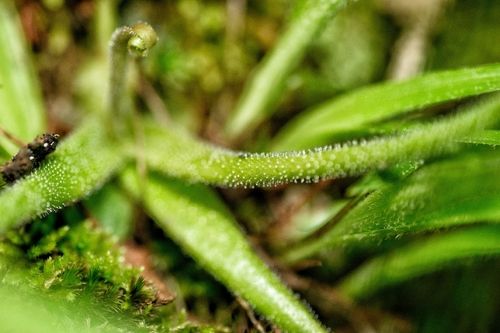
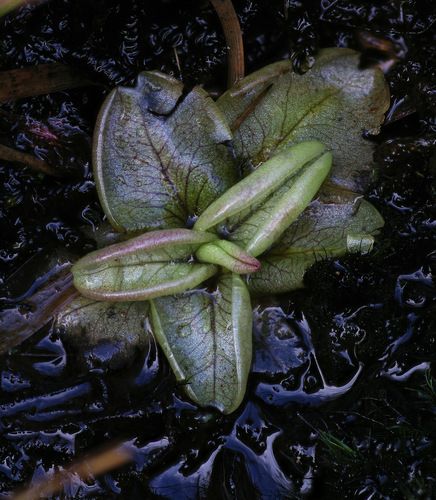
- The leaves, smooth and slightly fleshy, bear two kinds of glands:
- stalked glands that secrete a sticky mucilage: small insects get stuck there as on flypaper;
- sessile glands that release the enzymes (amylase, esterase, phosphatase, protease, ribonuclease).
- Some species roll the edge of the leaf over the prey.
- The juices are absorbed through small gaps in the cuticle, which also make the plant lose water: this is why most live in wet places.
- Each gland is used only once.
Flowers and seeds
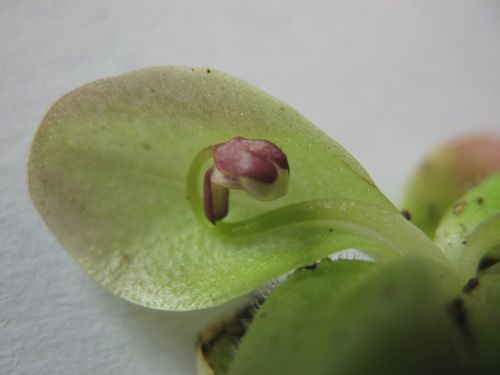
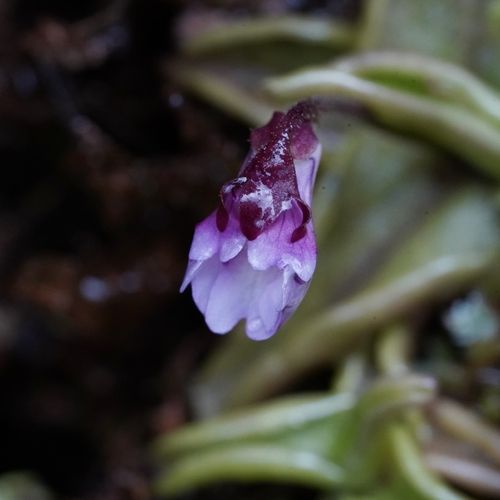
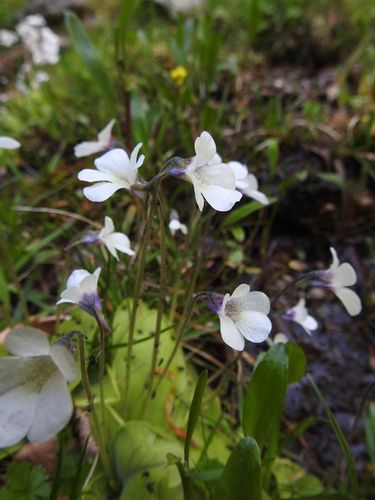
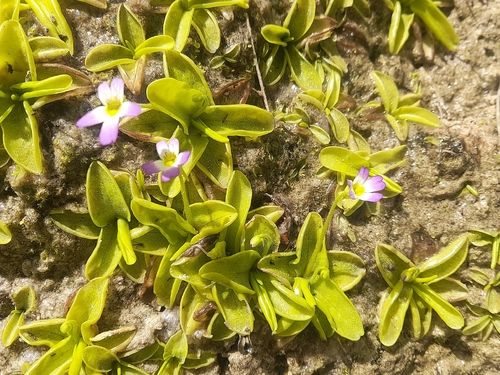
- Two-lipped flowers with a spur, held high above the leaves. Often blue, purple or white; red in P. laueana and P. caryophyllacea.
- The tiny seeds often float on water. They also multiply by offsets, stolons or plantlets on the leaf edges.
Uses: the butterwort that curdles milk
- Northern curdled milk: in Scandinavia, the leaves were used to curdle milk and make fermented milks such as Swedish filmjölk or Norwegian tjukkmjølk.
- Veterinary medicine: the leaves were placed on livestock wounds; Linnaeus had noted their antibacterial properties.
Threats and protection
Species with a tiny range are the most threatened, mainly by the destruction of their habitat. Several species of the wetlands of the United States are protected: P. ionantha has been “threatened” since 1993.
Relationships
With the bladderworts and Genlisea, they form the Lentibulariaceae family. Genetic studies from 2005 show that the old divisions of the genus do not reflect evolution well.
The butterworts of France
| Species | Where in France |
|---|---|
| P. vulgaris, common butterwort | mountains and fens across much of the country (not confirmed) |
| P. grandiflora, large-flowered butterwort | Pyrenees, Alps, Jura, Massif Central (not confirmed) |
| P. alpina, alpine butterwort | Alps, Pyrenees, Jura (not confirmed) |
| P. lusitanica, pale butterwort | western France (Atlantic coast) |
| P. longifolia, long-leaved butterwort | central Pyrenees |
| P. caussensis, Causses butterwort | Grands Causses (Tarn gorges) |
| P. leptoceras, slender-spurred butterwort | Southern Alps and Savoie |
| P. arvetii, Arvet-Touvet's butterwort | South-western Alps |
| P. corsica, Corsican butterwort | mountains of Corsica |
Sources
- Wikipedia (English), Pinguicula: etymology (Gesner 1561), classification, history, distribution, habitat, life forms, glands, enzymes, flowers, seeds, uses, threats.
- Species profiles in this encyclopedia: butterworts of France.
All the species (126)
Each profile presents the species in the wild: origin of the name, history, description, distribution map, habitat and sources. To search by name or by growing method: search for a species.

Share this article:


