Pinguicula primuliflora C. E. Wood & R. K. Godfrey
Species sheet, updated on 30/10/2026.
At a glance
| Scientific name | Pinguicula primuliflora Carroll E. Wood & Robert K. Godfrey, 1957 |
| Common names | Primrose butterwort; in French grassette du Sud, grassette primevère |
| Family | Lentibulariaceae (section Isoloba) |
| Distribution | South-eastern United States |
| Habitat | Acid, poor soils |
Photos in the wild
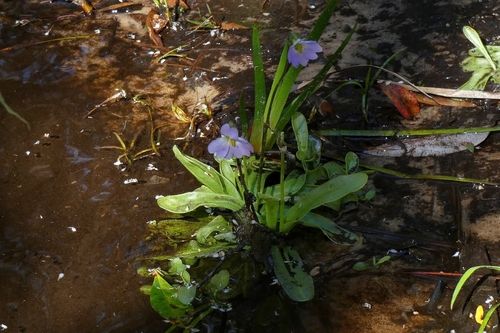
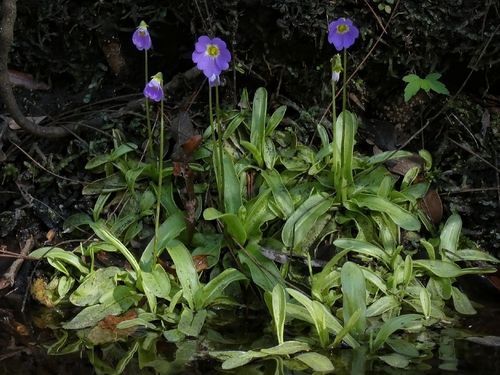
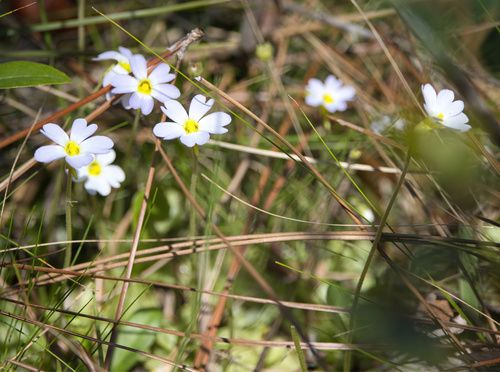
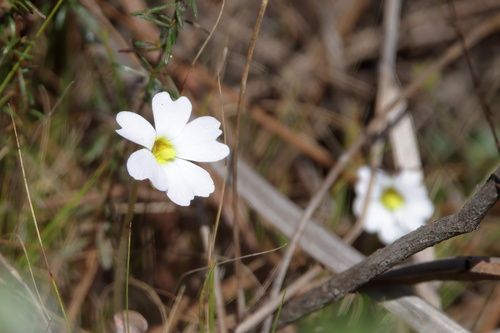
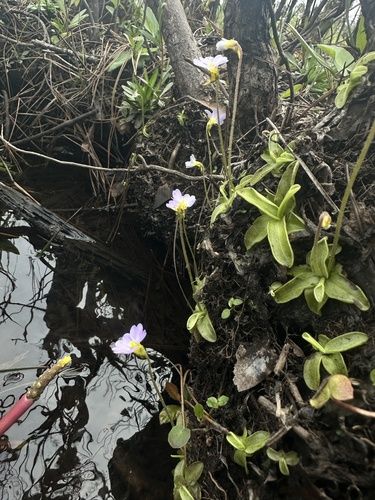
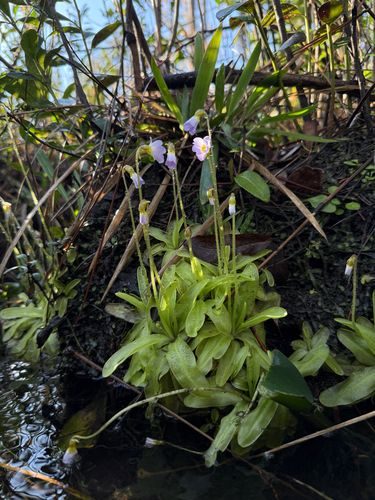
Etymology
- Pinguicula: see the genus sheet.
- primuliflora: “with primrose flowers”. Its common name comes from the fact that it is usually the first to flower in spring.
Description (how to recognise it)
- Green, sticky leaves, poorly developed roots.
- White flowers with five lobes in the typical form.
- It produces many offsets.
Distribution
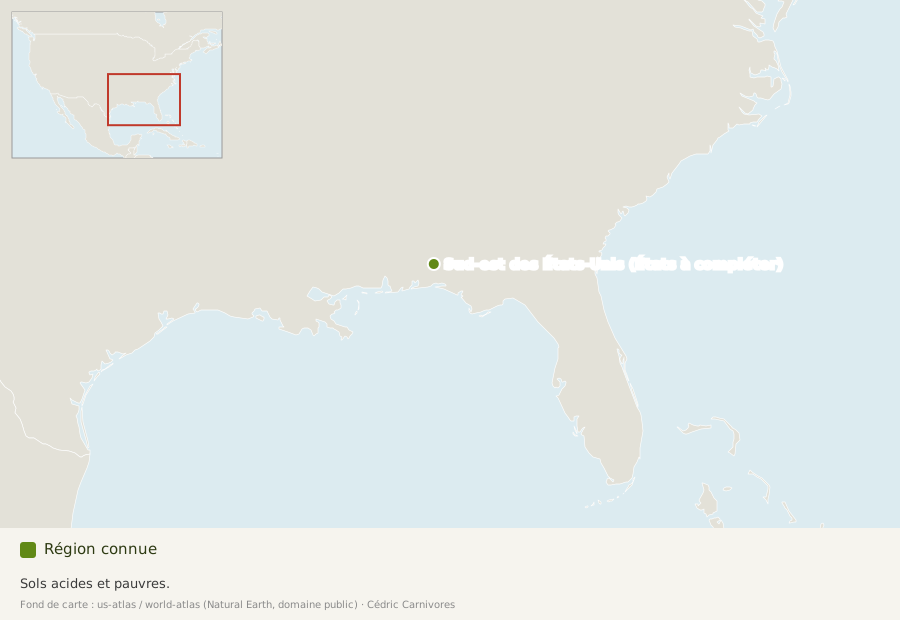
South-eastern United States. It tolerates brief frosts down to about −9 °C.
Did you know?
- It is often the first butterwort recommended to beginners.
In Florida
According to the Atlas of Florida Plants and the specimens in the University of South Florida herbarium.
- Status: endangered (Endangered) on the Florida state list.
- Herbarium: the University of South Florida herbarium holds 15 collections made between 1925 and 1993 in 5 counties of Florida: Bay, Holmes, Okaloosa, Santa Rosa and Walton.
- Habitats noted on the labels: shallow running water in spring-fed swampy woods, banks of spring-fed streams in magnolia and bay forests (bay swamps), among sphagnum mosses and the liverwort Pallavicinia; also hillside bogs in longleaf pine savannas. The Atlas classes it among the “obligate wetland” plants.
- Flowering in Florida: in March and April.
Sources
- Wikipedia (English), Pinguicula primuliflora: authors 1957, names, etymology, description, range, hardiness, cultivation.
- Atlas of Florida Plants (University of South Florida), Pinguicula primuliflora, and its herbarium specimens: status in Florida, counties, habitats, flowering.