Utricularia beaugleholei Gassin
Species sheet, updated on 30/10/2026.
At a glance
| Scientific name | Utricularia beaugleholei Robert Gassin, Muelleria 8: 37, 1993 |
| Family | Lentibulariaceae |
| Distribution | Southeastern Australia (South Australia, Victoria, New South Wales) |
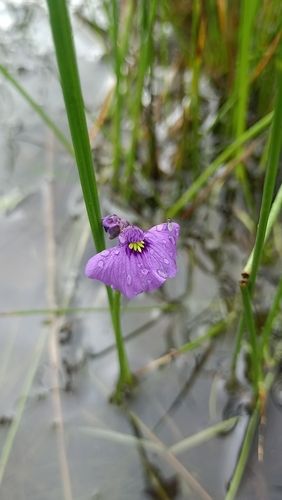
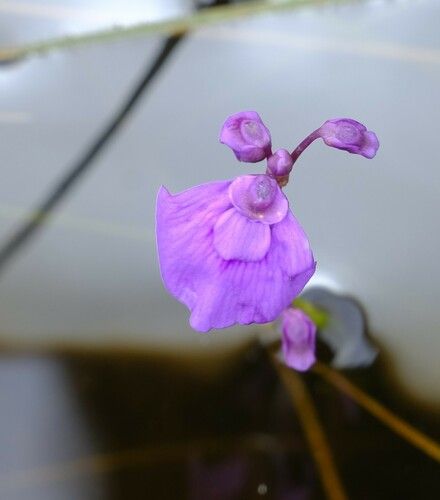
Photos in the wild
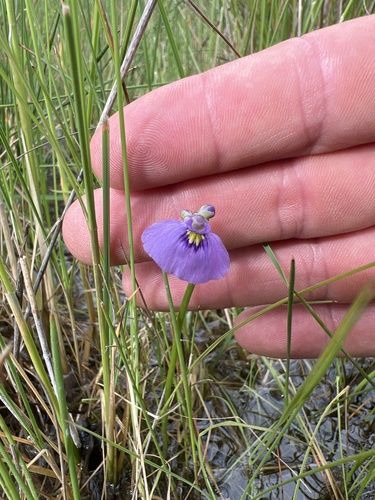
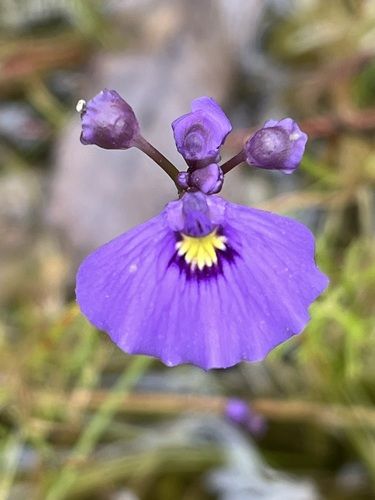
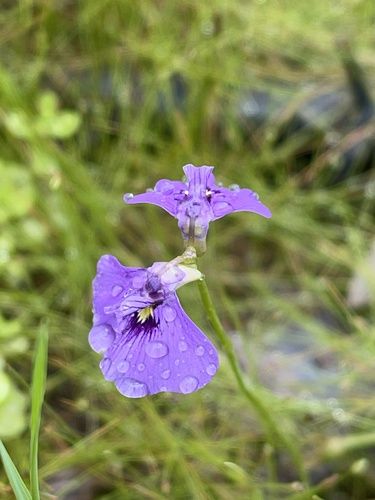
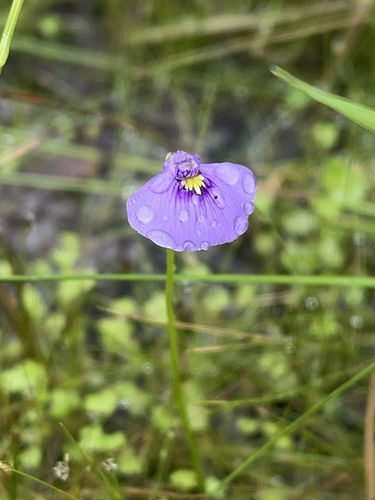
Etymology
- Utricularia: see the genus sheet.
- beaugleholei: in honour of Alexander Clifford Beauglehole, who had spotted a possible new species among his bladderwort collections.
Description (how to recognise it)
- According to Gassin (1993), who described it: from section Pleiochasia, long confused with U. dichotoma; very variable in size but constant in shape. Its upper lip is larger, bent back at 90° or more, and extends several millimetres beyond the palate, with a more clearly notched or two-lobed tip.
- Its palate is hairless except at the edges (hairy in U. dichotoma); the two species sometimes grow together while remaining easy to tell apart. The first known collection was made by F. Mueller in 1852.
Distribution
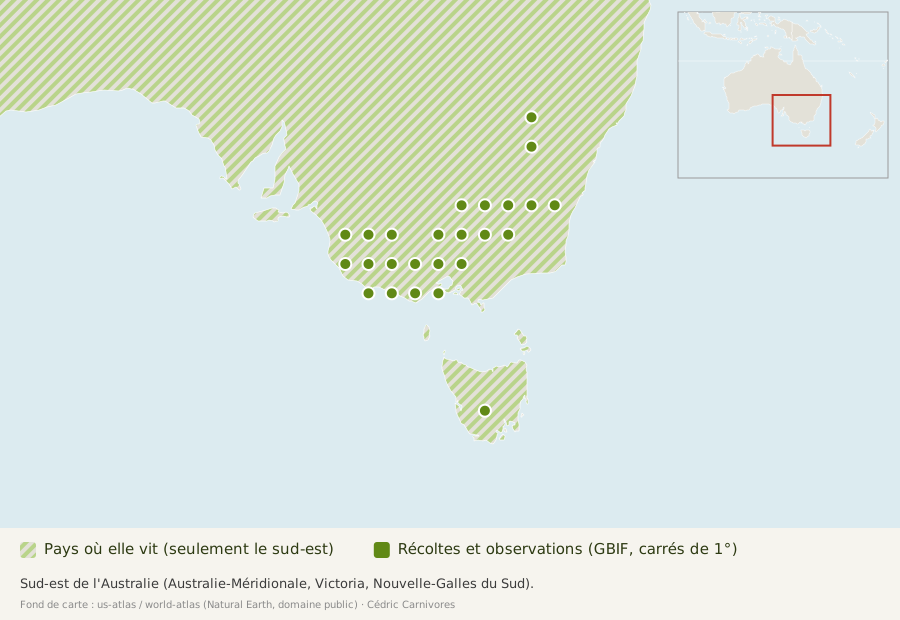
Endemic to Australia: from southeastern South Australia, across central and western Victoria, to New South Wales (southern tablelands and southwestern slopes).
Habitat
A terrestrial bladderwort. According to Gassin (1993): damp sandy and clay soils, often at the edge of marshes, but also in roadside ditches and seasonally flooded plains, generally in open grassland; scattered in southwestern Victoria (from the South Australian border to Port Phillip Bay), in the Murray valley and in neighbouring New South Wales; in flower from September to March.
Sources
- Wikipedia (English), Utricularia beaugleholei: author, year, range, etymology.
- Gassin, Muelleria 8(1), 1993 (archive.org): original description, range, habitat.
- GBIF, Utricularia beaugleholei: author, original publication, countries and localities of herbarium specimens and observations.