Utricularia foliosa L.
Species sheet, updated on 30/10/2026.
At a glance
| Scientific name | Utricularia foliosa Carl von Linné, Species Plantarum: 18, 1753 |
| Family | Lentibulariaceae |
| Distribution | The Americas (from the southeastern United States to Argentina) and Africa |
| Habitat | Lakes, marshes and ponds |
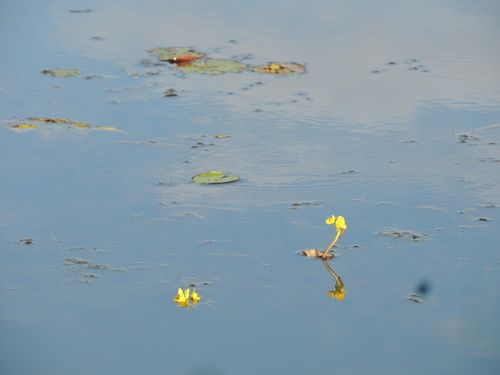
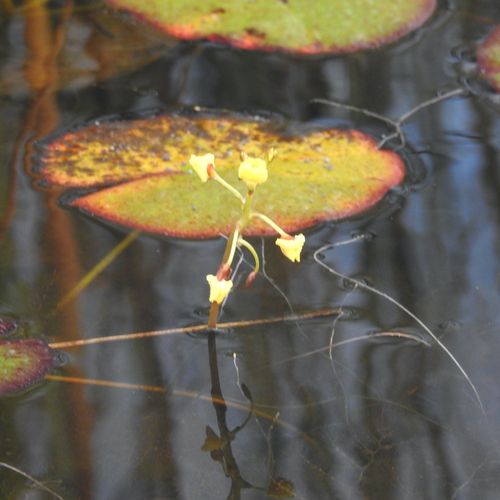
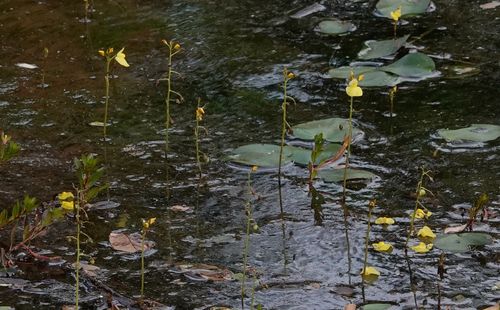
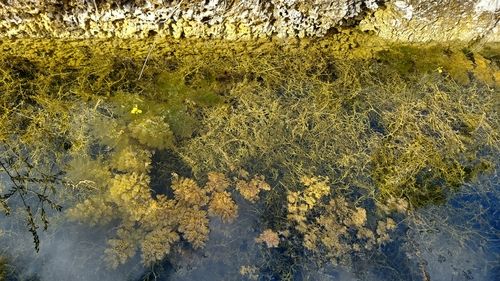
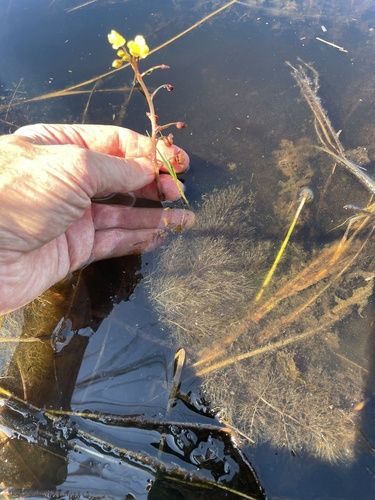
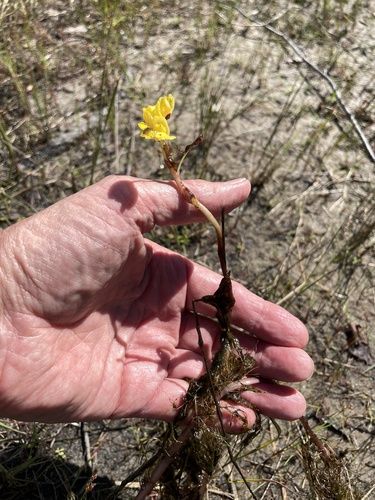
Photos in the wild
Etymology
- Utricularia: see the genus sheet.
- foliosa: from the Latin, “leafy”.
Description (how to recognise it)
- A large, free-floating aquatic bladderwort, probably perennial.
- Grows all year round, in large bodies of water.
- In Florida, it flowers all year round, especially in October and in March (herbarium specimens).
Distribution
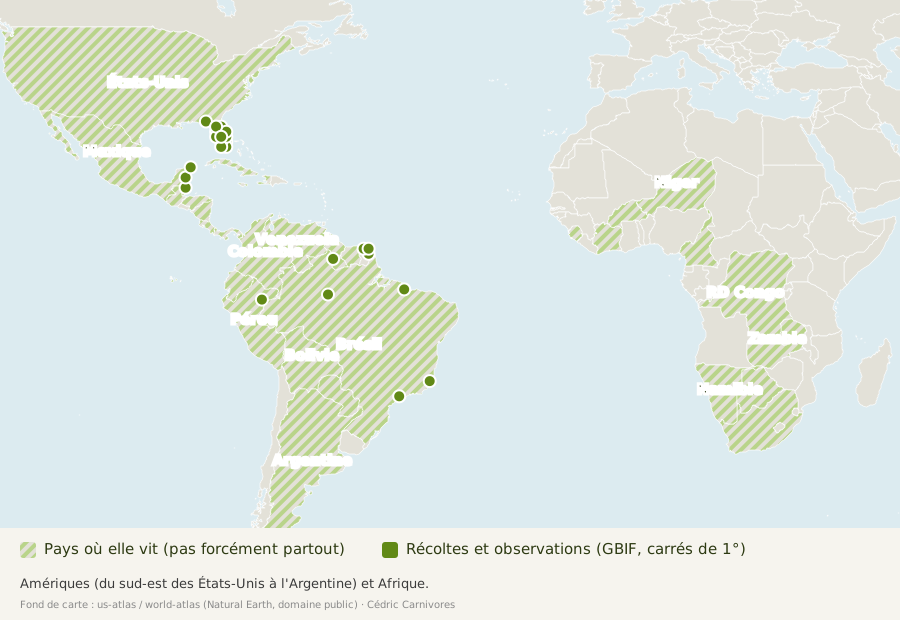
Africa and North and South America, in many countries (more than 5,000 records in GBIF). According to Kew's world plant checklist (WCVP), it is native to 65 regions of the world (see the map and the Kew source). According to the Flora do Brasil (the official list of Brazilian plants), it grows in Brazil in these states: Acre, Alagoas, Amazonas, Amapá, Bahia, Ceará, Federal District, Espírito Santo, Goiás, Maranhão, Minas Gerais, Mato Grosso do Sul, Mato Grosso, Pará, Paraíba, Pernambuco, Piauí, Paraná, Rio de Janeiro, Rio Grande do Norte, Rondônia, Roraima, Rio Grande do Sul, Santa Catarina, Sergipe, São Paulo and Tocantins. Major biomes: Amazon, Caatinga, Cerrado, Atlantic Forest, Pampa and Pantanal. In Florida, the University of South Florida herbarium holds 72 collections made between 1929 and 2017 in 31 Florida counties: Brevard, Broward, Charlotte, Citrus, Collier, DeSoto, Flagler, Gilchrist, Glades, Hendry, Hernando, Highlands, Hillsborough, Lake, Lee, Leon, Levy, Marion, Martin, Miami-Dade, Monroe, Okeechobee, Orange, Osceola, Pasco, Pinellas, Polk, Sarasota, Seminole, Sumter and Volusia.
Habitat
Lakes, marshes and ponds. According to the Flora do Brasil: an aquatic plant, in human-modified habitats and aquatic vegetation. In Florida, according to herbarium labels: pools (cypress ponds, even at the edge of a golf course), swamps, streams, clear-water canals and ditches up to 1 m deep, flooded dwarf cypress on marl. The Atlas lists it among “obligate wetland” plants.
Threats and protection
Its habitats suffer from drainage and conversion into urban or farming areas. Despite its vast range, it has been little studied.
Did you know?
Its English name is “leafy bladderwort”; in French, utriculaire feuillue.
Sources
- Wikipedia (English), Utricularia foliosa: author, year, range, habitat, threats, English name.
- Kew, World Checklist of Vascular Plants (via GBIF): natural distribution.
- Flora e Funga do Brasil, official list (via GBIF): states, biomes, endemism, way of life and vegetation types in Brazil.
- Atlas of Florida Plants (University of South Florida), Utricularia foliosa, and its herbarium specimens: status in Florida, counties, habitats, flowering.
- GBIF, Utricularia foliosa: author, original publication, countries and localities of herbarium specimens and observations.