Utricularia juncea Vahl
Species sheet, updated on 30/10/2026.
At a glance
| Scientific name | Utricularia juncea Martin Vahl, Enumeratio Plantarum 1: 202, 1804 |
| Family | Lentibulariaceae |
| Distribution | The Americas (from the United States to Brazil) |
| Habitat | Marshes and pools with shallow water, mainly at low altitude |
Photos in the wild
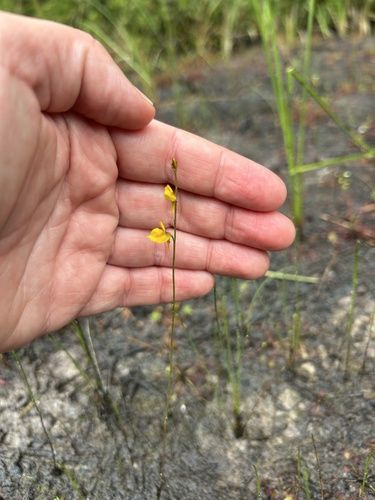
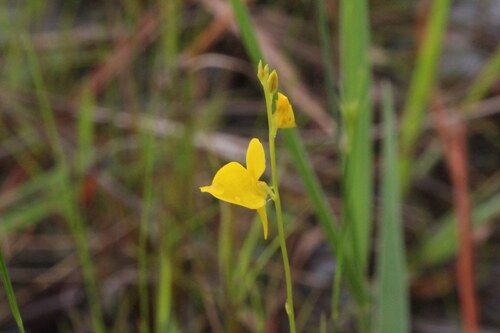
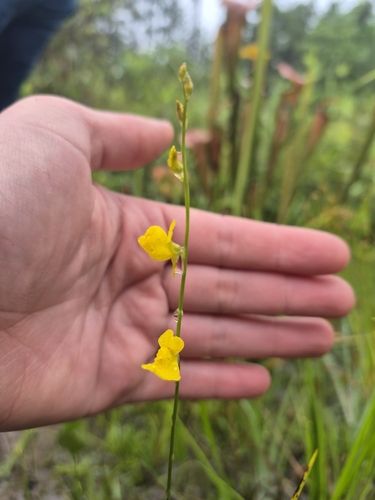
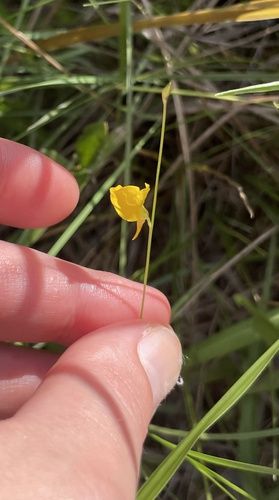
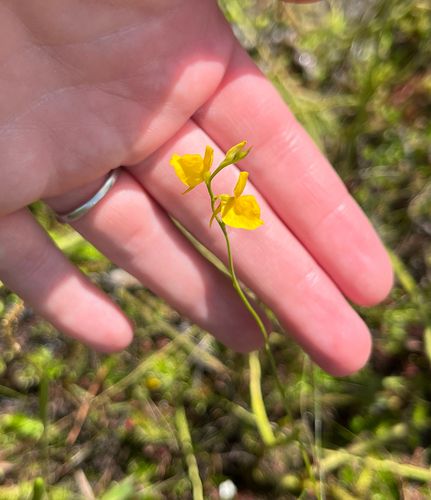
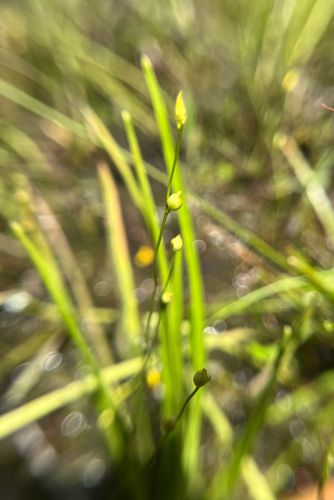
Etymology
- Utricularia: see the genus sheet.
- juncea: from the Latin, “rush-like”.
Description (how to recognise it)
- Small to medium-sized terrestrial bladderwort, probably perennial.
- A species with many synonyms (including several names by Barnhart and Rafinesque).
Distribution
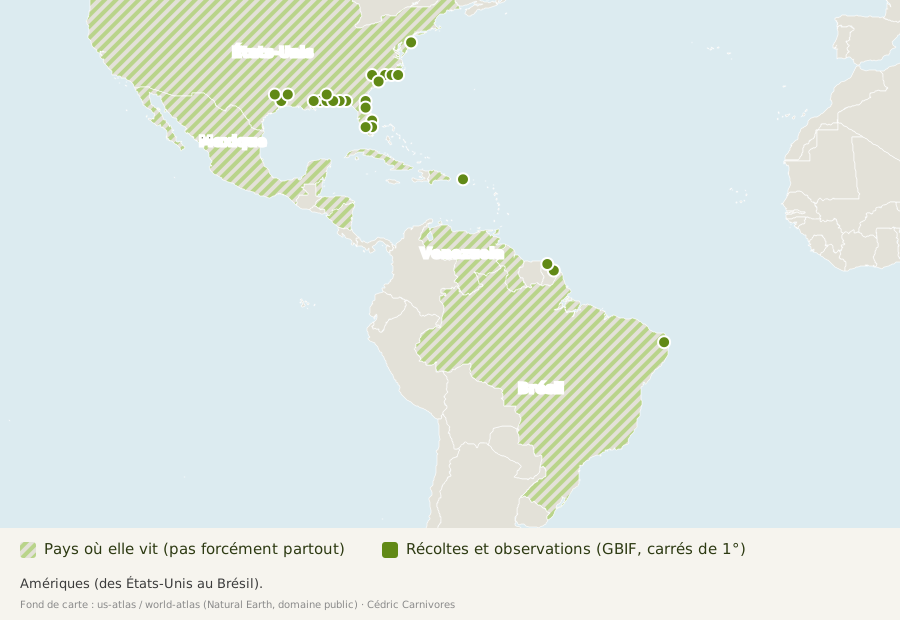
The Americas: mainly the eastern United States (nearly 2,000 records in GBIF), the West Indies, Central America and northern South America as far as Brazil. According to Kew's world list of plants (WCVP), it is native to 31 regions of the world (see the map and the Kew source). According to the Flora do Brasil (the official list of Brazilian plants), it grows in these Brazilian states: Alagoas, Amapá, Bahia, Ceará, Paraíba, Pernambuco, Rio Grande do Norte, Roraima, Sergipe and São Paulo. Major biomes: Amazon, Caatinga and Atlantic Forest.
Habitat
Marshes and pools, in shallow water, mainly at low altitude. According to the Flora do Brasil: terrestrial plant, in open grasslands, gallery forests, semi-deciduous seasonal forest, restinga (vegetation on coastal sands) and aquatic vegetation.
Did you know?
Its English name is “southern bladderwort”.
Sources
- Wikipedia (English), Utricularia juncea: author, year, range, habitat, synonyms, English name.
- Kew, World Checklist of Vascular Plants (via GBIF): natural distribution.
- Flora e Funga do Brasil, official list (via GBIF): states, biomes, endemism, life form and vegetation types in Brazil.
- GBIF, Utricularia juncea: author, original publication, countries and localities of herbarium specimens and observations.