Utricularia laxa A. St.-Hil. & Girard
Species sheet, updated on 30/10/2026.
At a glance
| Scientific name | Utricularia laxa Augustin Saint-Hilaire & Frédéric de Girard, Comptes rendus de l'Académie des sciences 7: 870, 1838 |
| Family | Lentibulariaceae |
| Distribution | Argentina, Brazil, Paraguay, Uruguay |
| Habitat | Wet grasslands and pond edges, up to 1,100 m |
Photos in the wild
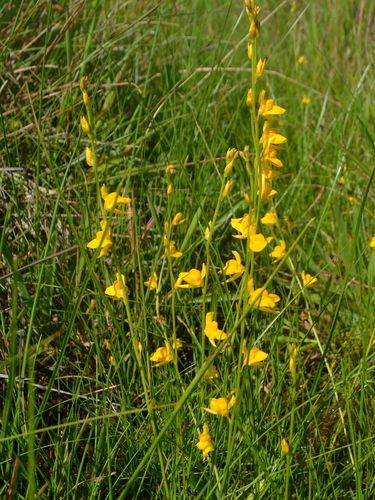
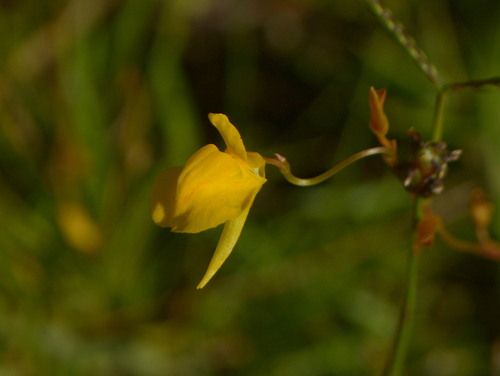
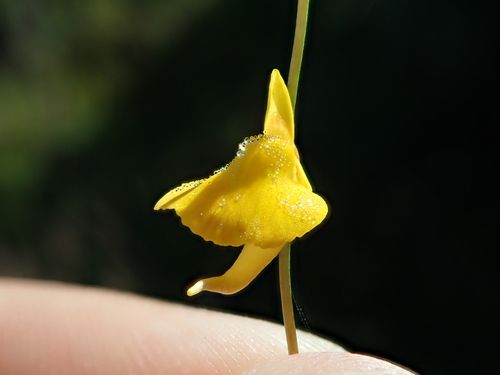
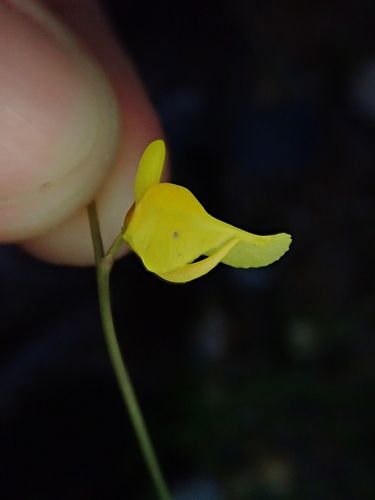
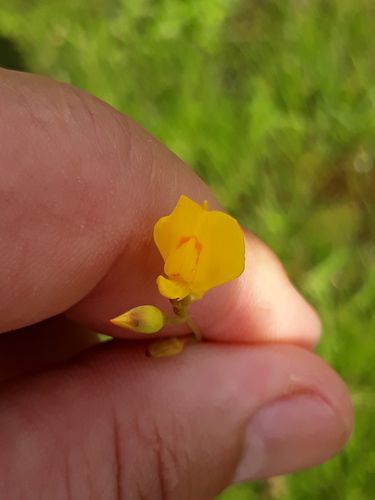
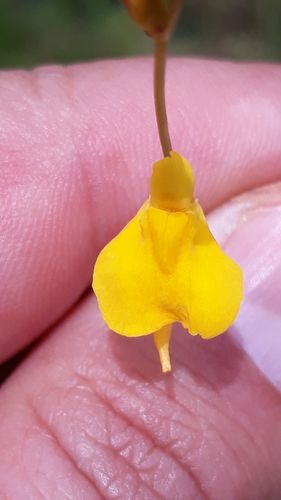
Etymology
- Utricularia: see the genus sheet.
- laxa: from the Latin, “loose”, not dense.
Description (how to recognise it)
- Small to medium-sized annual terrestrial bladderwort.
- According to Benjamin (1847): leaves oblong and spoon-shaped; scape with scales; corolla yellow, upper lip narrow, lower lip round and notched; spur thick, upturned, conical and pointed.
Distribution
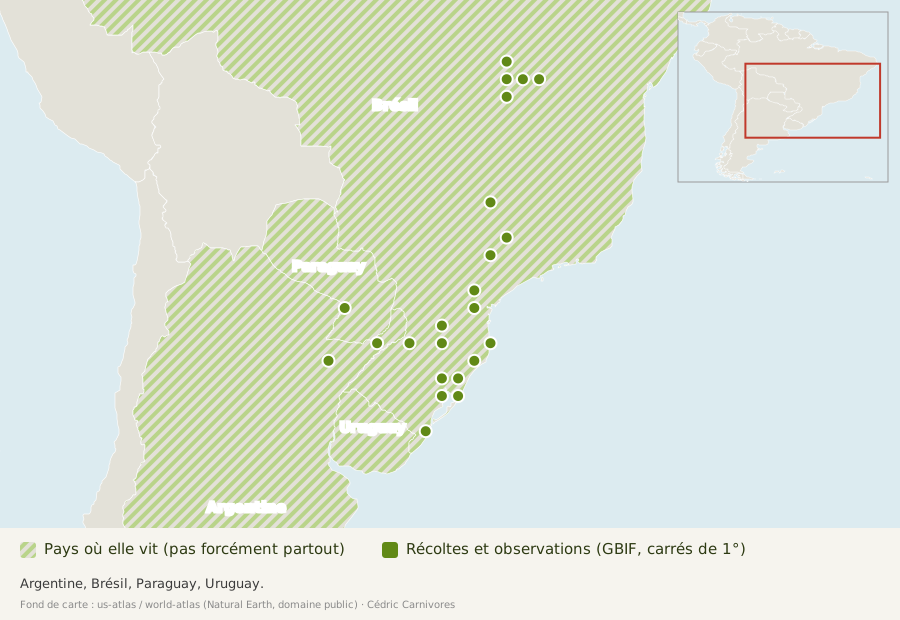
South America: Argentina, Brazil, Paraguay and Uruguay. According to Kew's world list of plants (WCVP), it is native to the following regions: Northeast Argentina, Northeast Brazil, Southeast Brazil, South Brazil, West-Central Brazil, Paraguay and Uruguay. According to the Flora do Brasil (the official list of Brazilian plants), it grows in these Brazilian states: Goiás, Minas Gerais, Paraná, Rio Grande do Sul, Santa Catarina, São Paulo and Tocantins. Major biomes: Cerrado and Atlantic Forest.
Habitat
Wet grasslands and pond edges, from sea level to 1,100 m. According to the Flora do Brasil: terrestrial plant, in open grasslands, cerrado (savanna) and rainforest. Benjamin (1847) cites Saint-Hilaire's collection from a marsh on the island of Santa Catarina, in flower in May.
Sources
- Wikipedia (English), Utricularia laxa: authors, year, range, habitat, altitude.
- Kew, World Checklist of Vascular Plants (via GBIF): natural distribution.
- Flora e Funga do Brasil, official list (via GBIF): states, biomes, endemism, life form and vegetation types in Brazil.
- Benjamin, Flora Brasiliensis X: Lentibulariae, 1847 (archive.org): description, localities and habitats (translated from Latin).
- GBIF, Utricularia laxa: author, original publication, countries and localities of herbarium specimens and observations.