Utricularia simulans Pilg.
Species sheet, updated on 30/10/2026.
At a glance
| Scientific name | Utricularia simulans Robert Pilger, Notizblatt des Königlichen Botanischen Gartens Berlin 6: 189, 1914 |
| Family | Lentibulariaceae |
| Distribution | Tropical Africa and the Americas (from Florida to Brazil) |
| Habitat | Wet sandy soils of open savannas, up to 1 575 m |
Photos in the wild
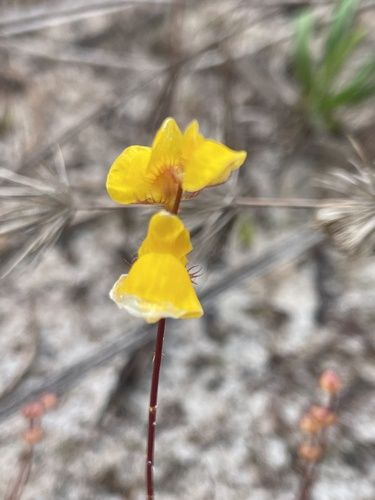
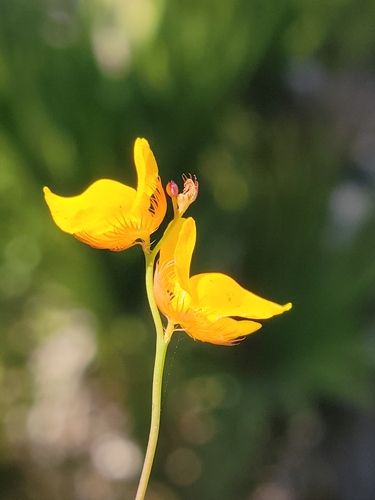
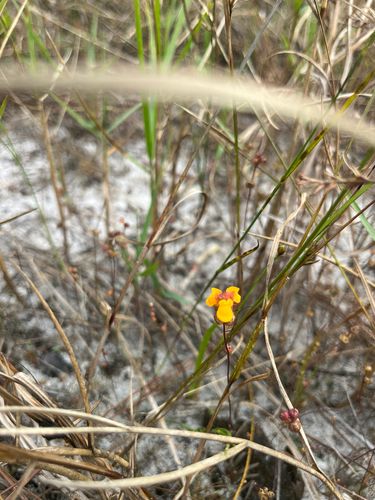
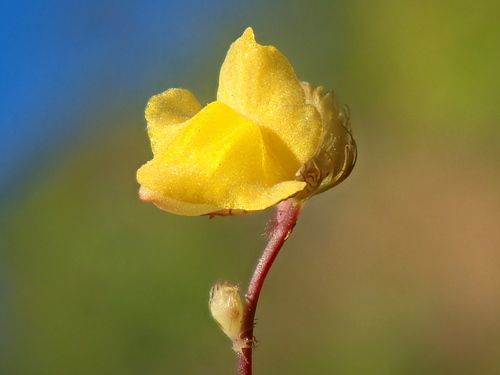
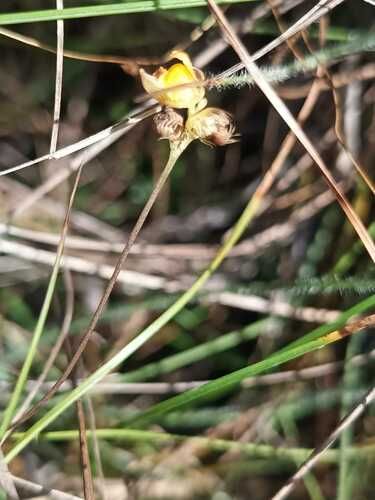
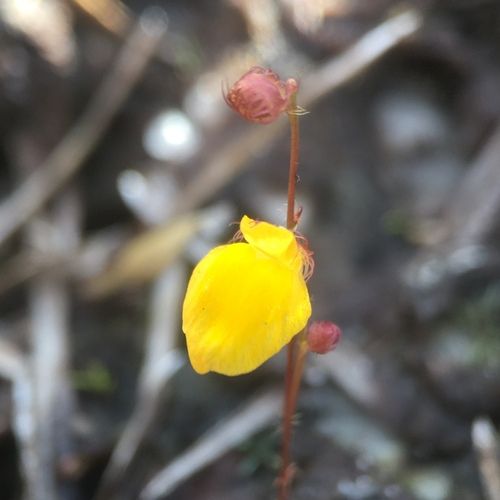
Etymology
- Utricularia: see the genus sheet.
- simulans: from the Latin, “imitating”.
Description (how to recognise it)
- A small to medium-sized terrestrial bladderwort, probably perennial.
- Easy to recognise by its deeply fringed bracts, bracteoles and sepals, the bracts bearing auricles; corolla yellow with an entire lower lip; in Bahia, it is found over a wide altitude range, in veredas, campos rupestres and restinga.
- In Florida, it flowers from August to November (herbarium specimens).
Distribution
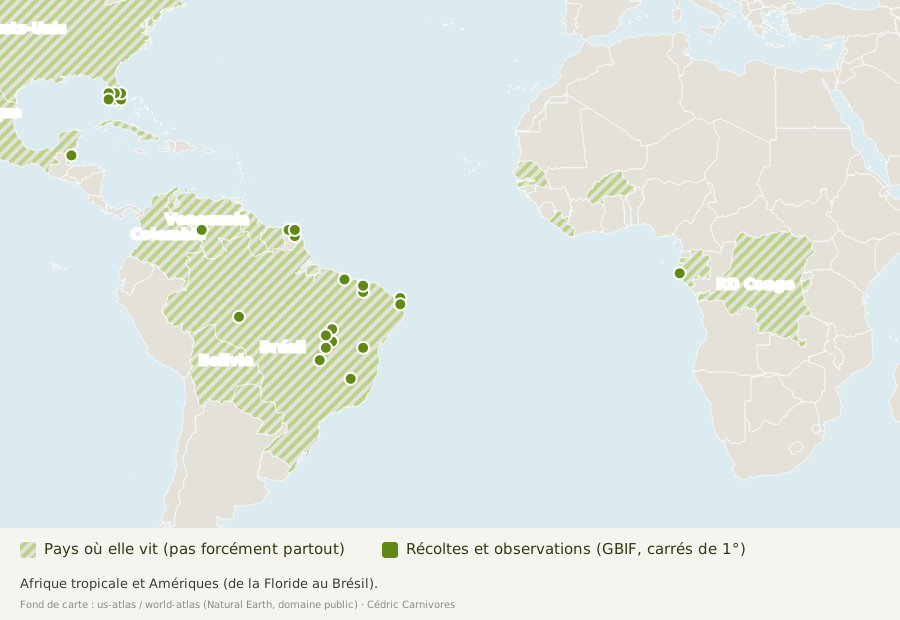
Tropical Africa and the Americas (more than 1 200 records in GBIF, mostly in Brazil, the southeastern United States, Venezuela and the Guianas). According to Kew's world plant list (WCVP), it is native to 28 regions of the world (see the map and the Kew source). According to the Flora do Brasil (official list of the plants of Brazil), it grows in Brazil in these states: Alagoas, Amazonas, Amapá, Bahia, Ceará, Federal District, Goiás, Maranhão, Minas Gerais, Mato Grosso do Sul, Mato Grosso, Pará, Paraíba, Pernambuco, Piauí, Rio Grande do Norte, Rondônia, Roraima, São Paulo and Tocantins. Major biomes: Amazon, Caatinga, Cerrado and Atlantic Forest. In Florida, the University of South Florida herbarium holds 16 collections made between 1959 and 2017 in 10 counties of Florida: Charlotte, Collier, Highlands, Hillsborough, Lee, Okeechobee, Osceola, Pasco, Pinellas and Sarasota.
Habitat
Wet sandy soils of open savannas, from sea level to 1 575 m. According to the Flora do Brasil: a terrestrial plant, in man-made habitats, campinarana (Amazonian white-sand savanna), open grasslands, campos rupestres (rocky mountain grasslands), cerrado (savanna), seasonal semi-deciduous forest, restinga (coastal sand vegetation) and Amazonian savanna. In Florida, according to herbarium labels: wet limestone and marl prairies, pine savannas on limestone rock, flooded slash pine savannas, bare sand of ditches and clearings, terraces of small lakes, with sundews and clubmosses. The Atlas classes it among the “obligate wetland” plants.
Did you know?
Its English name is “fringed bladderwort” (in French utriculaire frangée).
Sources
- Wikipedia (English), Utricularia simulans: author, year, range, habitat, altitude, English name.
- Kew, World Checklist of Vascular Plants (via GBIF): natural distribution.
- Flora e Funga do Brasil, official list (via GBIF): states, biomes, endemism, life form and vegetation types in Brazil.
- “Diversity and distribution of Lentibulariaceae in Bahia state, Brazil” (Plazi text, public domain, via GBIF): description, possible confusions, habitats in Bahia.
- Atlas of Florida Plants (University of South Florida), Utricularia simulans, and its herbarium specimens: status in Florida, counties, habitats, flowering.
- GBIF, Utricularia simulans: author, original publication, countries and localities of herbarium specimens and observations.