
 Français
 Español
 Deutsch
 Italiano

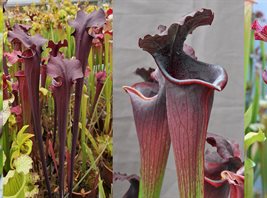
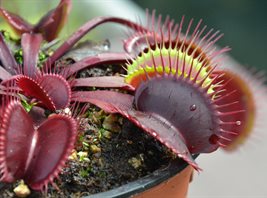


Sarracenia in summer: sun, water and heat


Sarracenia in summer
The hunting season
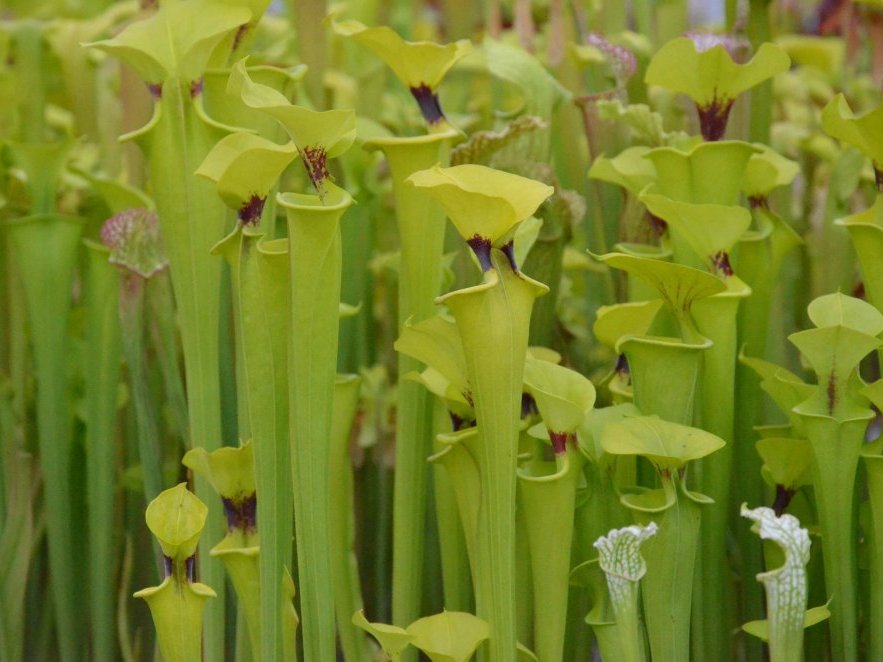
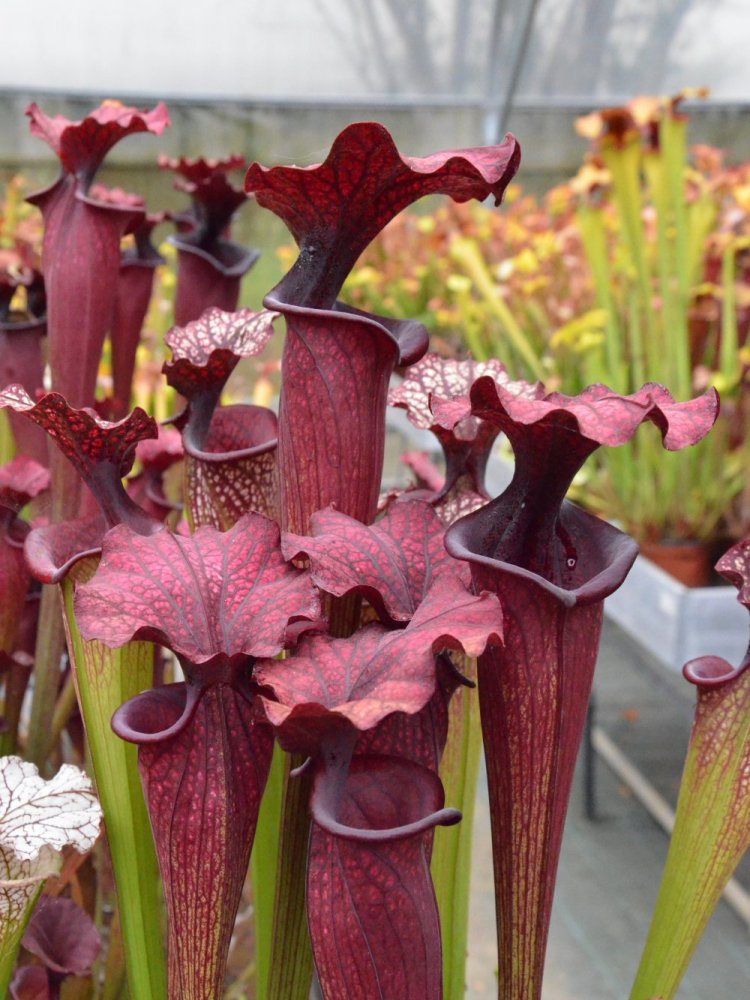
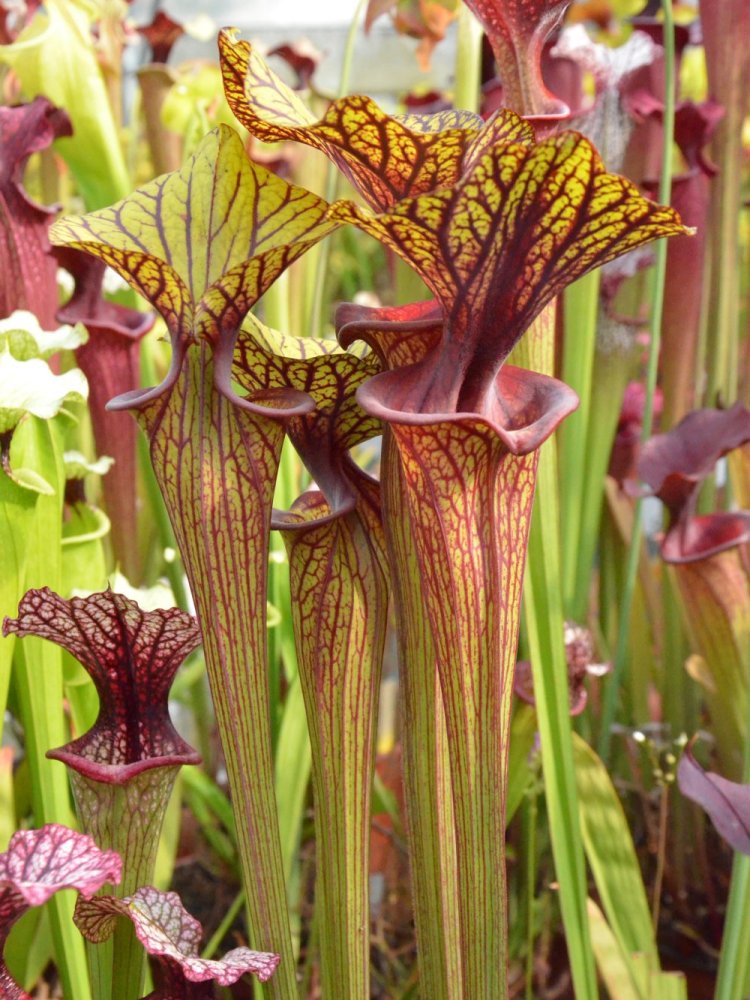
In summer, Sarracenia unfold their pitchers and catch prey after prey. All they need is sun and plenty of pure water.
This article comes from “Les sarracenia en images”, the book Cédric wrote from his experience at the nursery, and from our growing guide. All photos are ours.
Plenty of water, always pure
During the growing season, watering is generous: keep the substrate soaked, with 2 to 5 cm of water under the pots at all times. Use only low-lime water: rainwater, reverse-osmosis water or demineralised water without additives. Never tap water or mineral water, which are too rich in mineral salts.
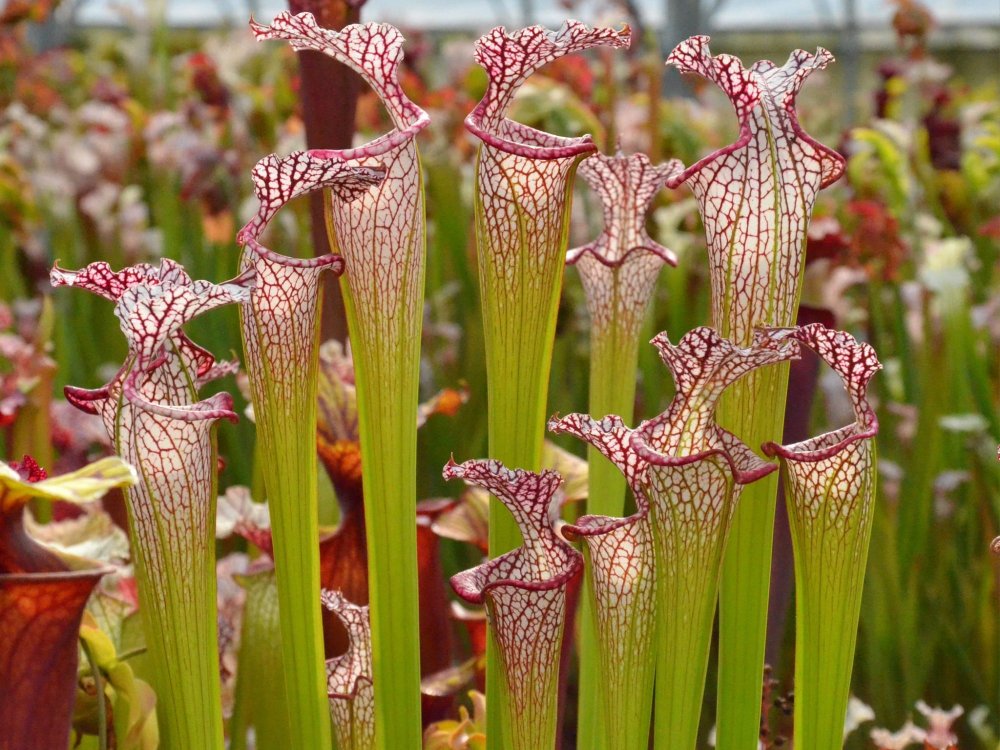
Full sun
Full sun gives well-developed, well-coloured plants. Sarracenia withstand up to 45 °C, provided their roots stay in water and the air circulates.
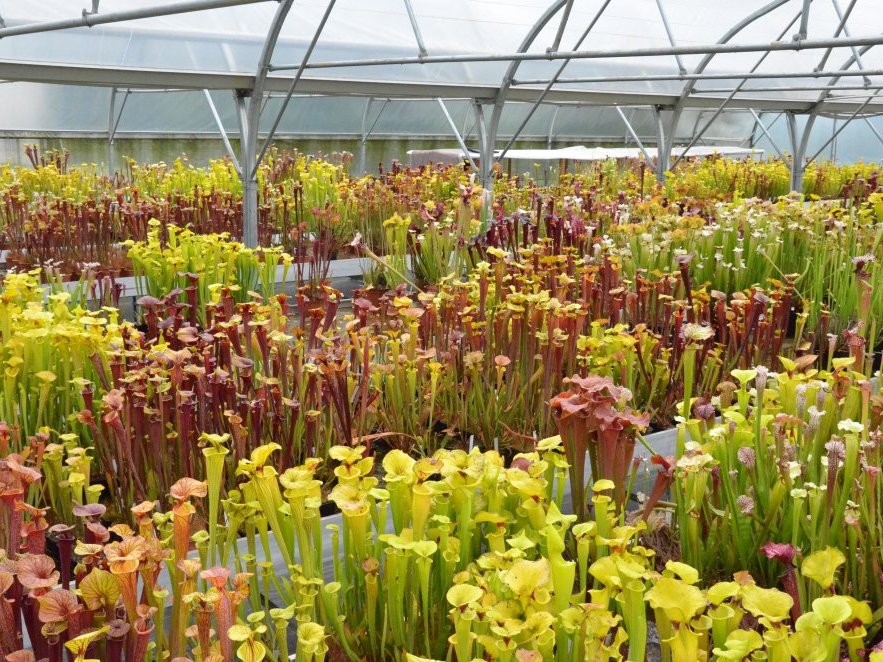
In a greenhouse: light shading and plenty of air
In a greenhouse, a shade cloth of 20% at most, depending on the exposure, prevents scorching in high summer. Open wide or ventilate to avoid heat stress. Outdoors, there is no need to worry about air humidity.
Beware of small black pots
In the sun, a small black pot gets very hot. Cédric has seen pots warp: imagine the temperature of the peat! An overheated substrate encourages pythium, which attacks the roots. Choose large pots (20 L or more): they stay cool and need less watering.
Little maintenance
No big clean-up in summer: just cut the leaves that start to dry, and stake those that lean over. Watch for mealybugs or thrips, especially under glass (Diseases and pests). And no fertiliser: the catches are enough.
In S. oreophila, phyllodes often appear from midsummer: this is normal. In August, S. leucophylla and S. alata prepare their finest pitchers. Next in the series: Sarracenia in autumn.
A question about your Sarracenia?
✉ Contact us© 2026 Cédric Carnivores - Carnivorous plant nursery since 2012
Share this article:


Similar posts

Sarracenia in winter: rest, frost and the big clean-up
Rest from October to March, watering, frost hardiness down to -20 °C, greenhouse ventilation and the end-of-winter clean-up: Sarracenia in winter.

Fertiliser for Nepenthes and Heliamphora: our advice
Yes, Nepenthes and Heliamphora need fertiliser, but not just any way: Osmocote, Liquid Ocean, doses and the right moments.