Français
 Español
 Deutsch
 Italiano
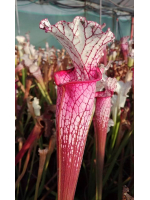
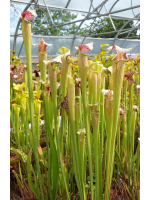
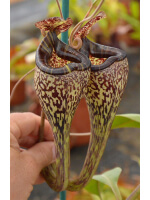
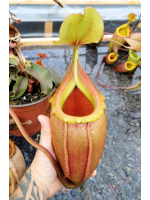
About the nursery


Cédric Carnivores: The Art of Collector Carnivorous Plants
A life of passion and resilience, built with our own hands
My name is Cédric Azaïs, founder of the Cédric Carnivores nursery. If our nursery is now cited as a key reference in Europe for lovers of collector carnivorous plants, it is the result of total commitment. My path is not that of an investor but of a passionate, self-taught grower who built his dream by hard work, with respect for the plant and authenticity at the heart of every project.
| Experience | Specialities | The estate | Location |
|---|---|---|---|
| Since 1996 (30 years of know-how) |
Drosera, Sarracenia, Nepenthes & Venus flytraps |
6 hectares High-tech greenhouses |
Castelnau-sur-Gupie (Lot-et-Garonne, France) |
The birth of an expertise: a craft done by hand
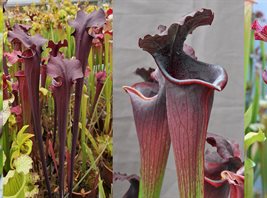
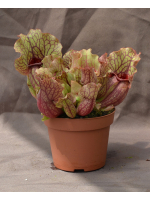
The Cédric Carnivores adventure took root in 1996. Fascinated by complex trapping mechanisms and the biology of these plants, I started my collection with iconic genera such as Drosera (sticky-leaved plants) and Sarracenia (pitcher plants). Very quickly, a gardening hobby became a rigorous botanical quest. For more than two decades I explored each species as a self-taught grower, learning to master repotting, hybridisation and acclimatisation of the rarest plants.
Hard work is an essential part of our DNA. Until 2023 for my wife and 2025 for myself, we both held two jobs. Every structure in the nursery, every square metre of greenhouse and every irrigation system was built with our own hands during weekends and holidays. Building it ourselves was not only an economic choice but a wish to create a production tool perfectly suited to the physiological needs of collector carnivorous plants. That sacrifice and determination show today in the vigour and health of the plants we ship all over Europe.
2018: Rebirth after disaster
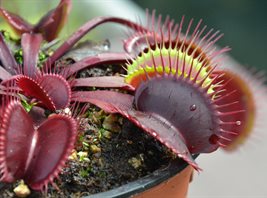
"In May 2018, the force of nature turned against us. A devastating flood swept through our greenhouses in Marcellus, carrying away our facilities and our family home. Years of genetic selection of Dionaea muscipula and Sarracenia hybrids almost disappeared under the water."
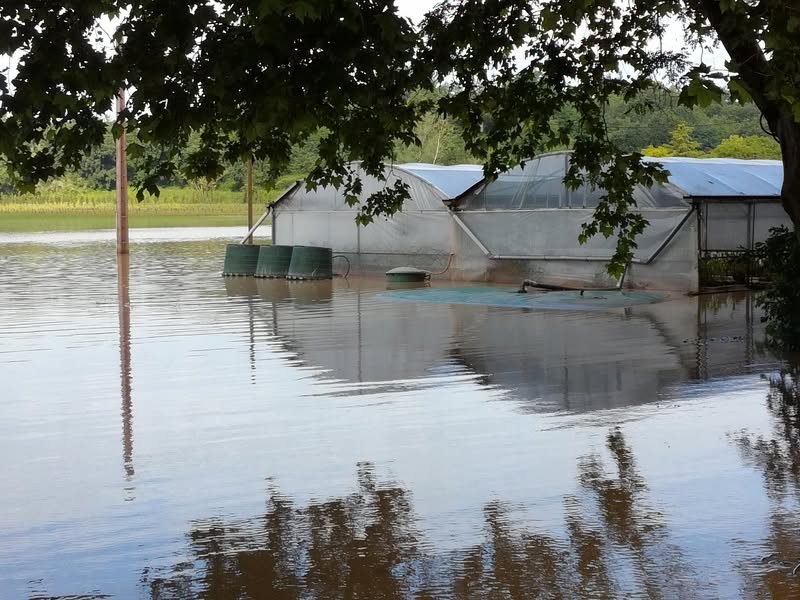
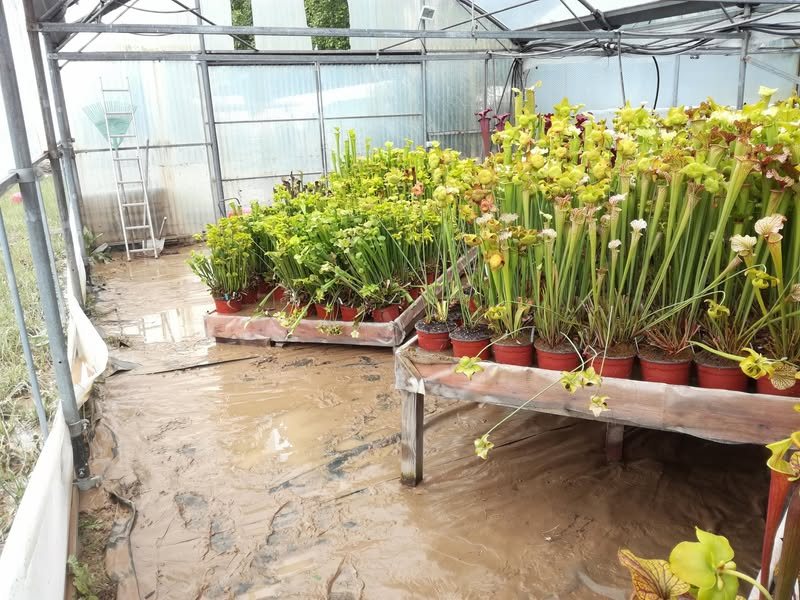
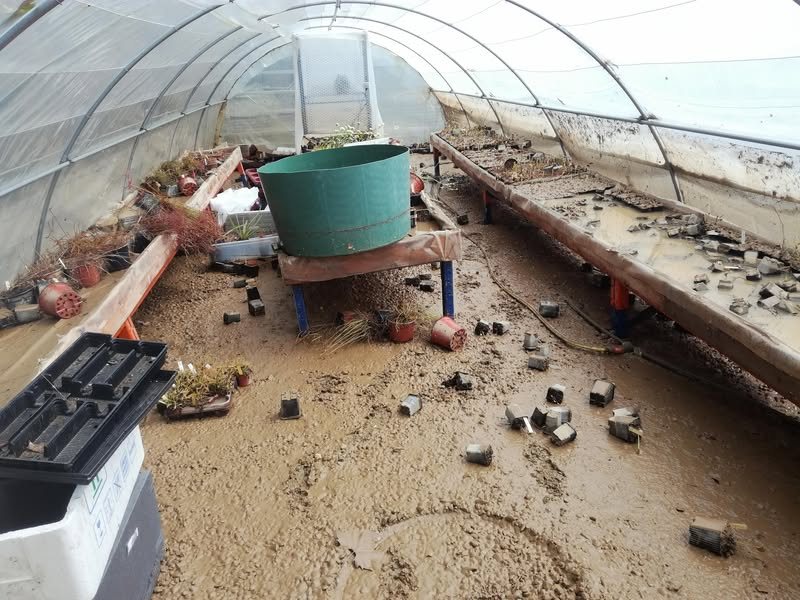
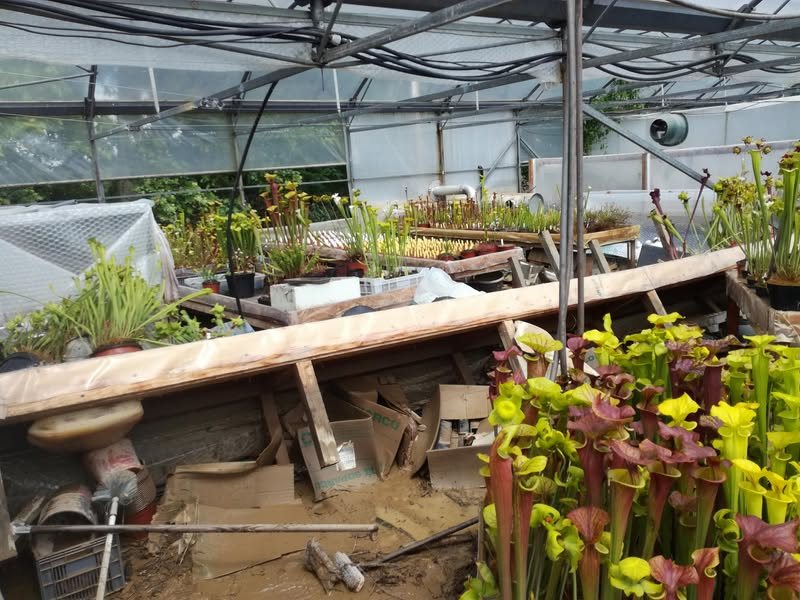
Resilience is at the heart of a nursery grower's job. Instead of giving up, this ordeal strengthened our wish to create a larger and safer botanical sanctuary. We chose rebirth by moving to a new site, able to host an even richer plant diversity and to offer growers a complete immersion in the world of plant traps.
Horticultural excellence in Castelnau-sur-Gupie
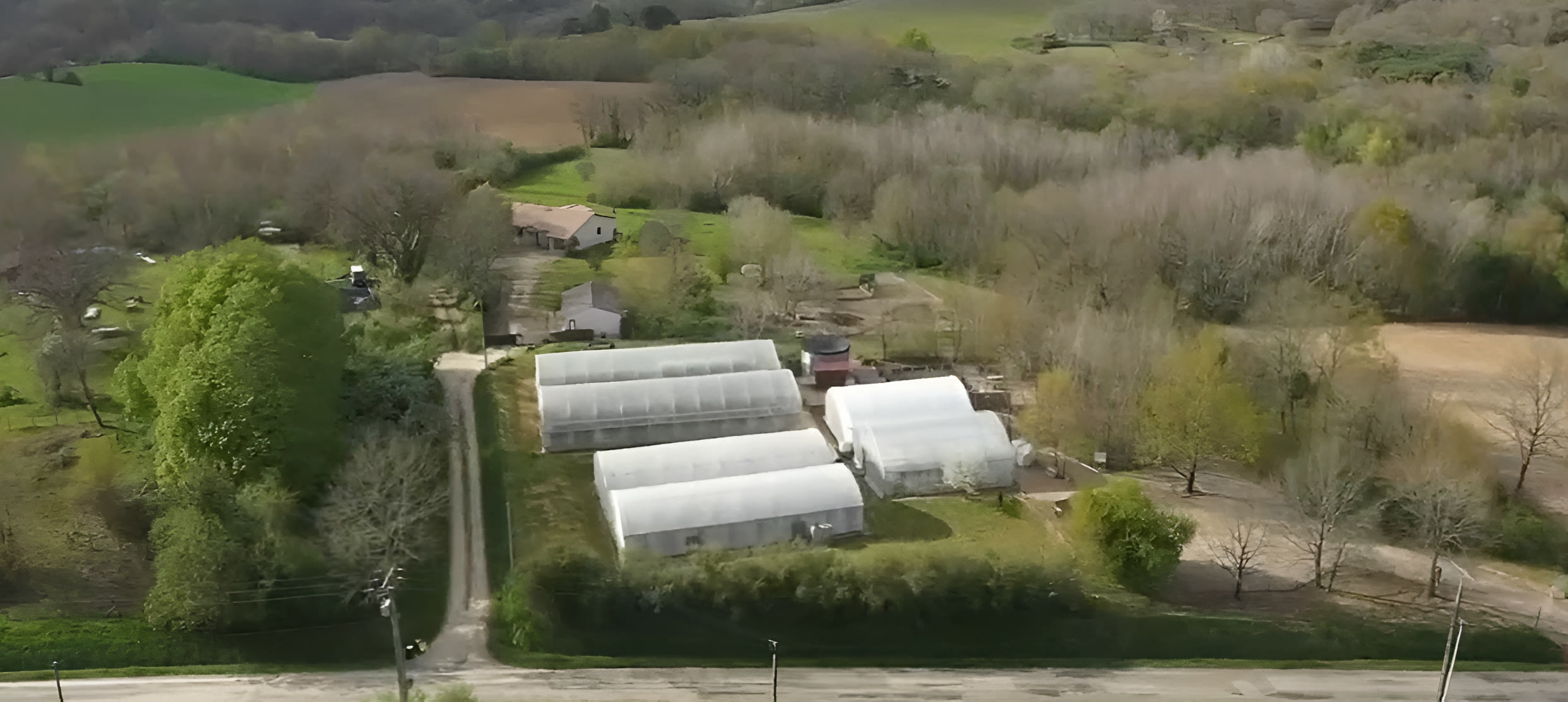
Since 2020, our 6-hectare estate in Lot-et-Garonne has become a destination of choice for buying carnivorous plants online and on site. Our facilities reflect our technical expertise:
- State-of-the-art tropical greenhouses: with automated climate control (humidity, temperature, misting) for growing lowland and highland Nepenthes.
- High-performance temperate greenhouses: optimised for the winter rest essential to temperate Venus flytraps, Sarracenia and Drosera.
- Learning and relaxation area: a space dedicated to sharing knowledge, with videos explaining enzymatic digestion and how passive and active traps work.
- Outdoor bog gardens and ponds: a landscaped park showing how hardy carnivorous plants fit into a garden or pond.
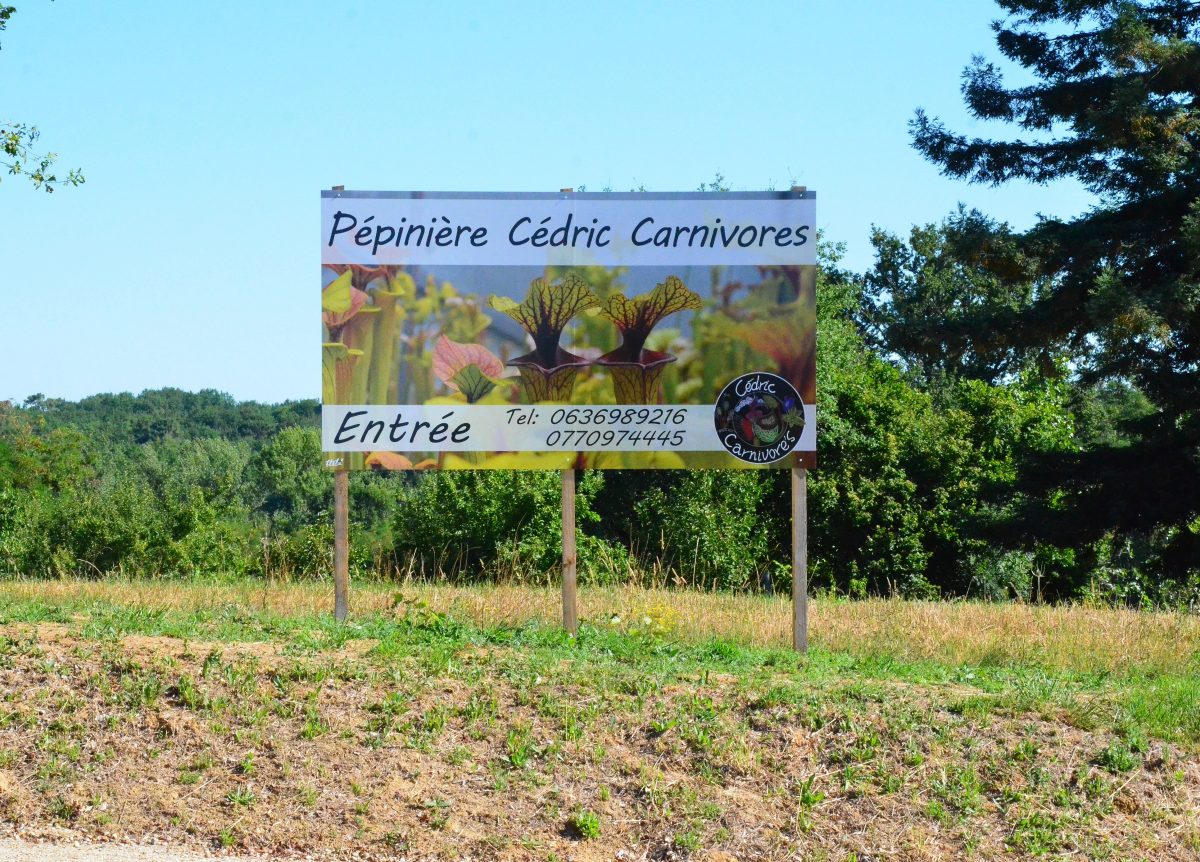
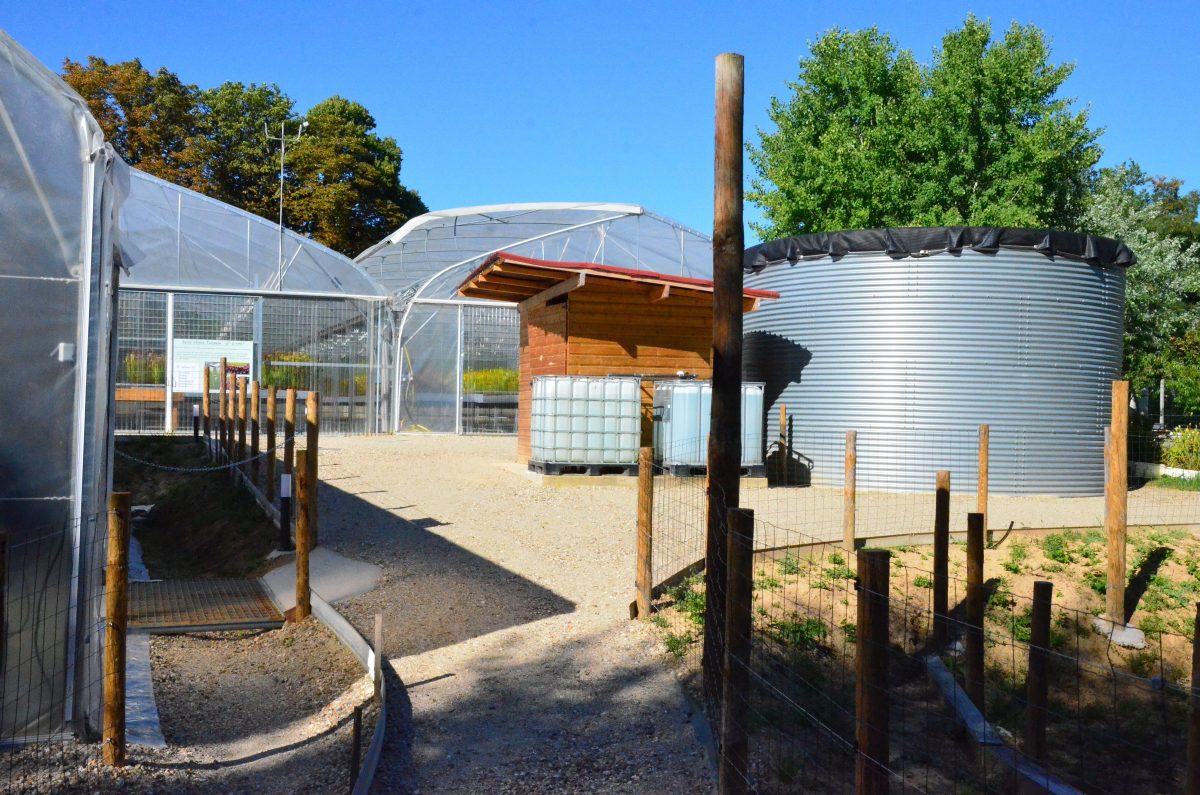
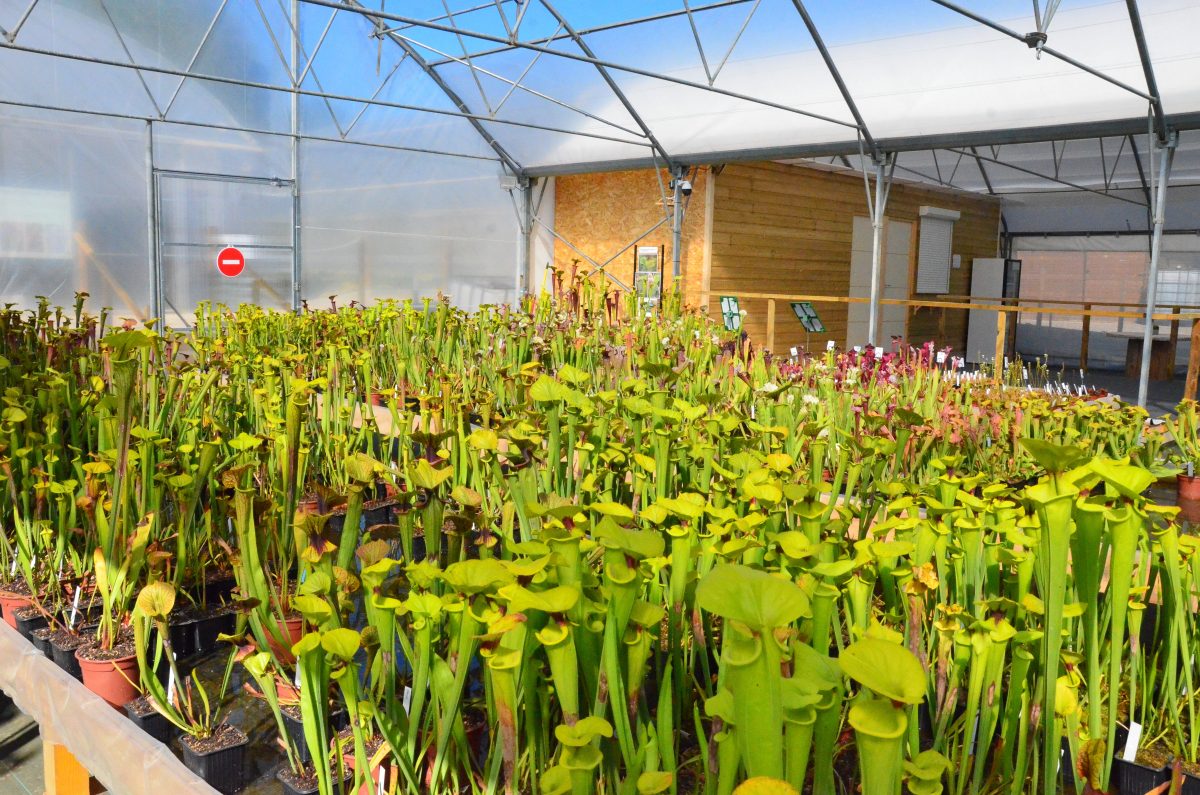
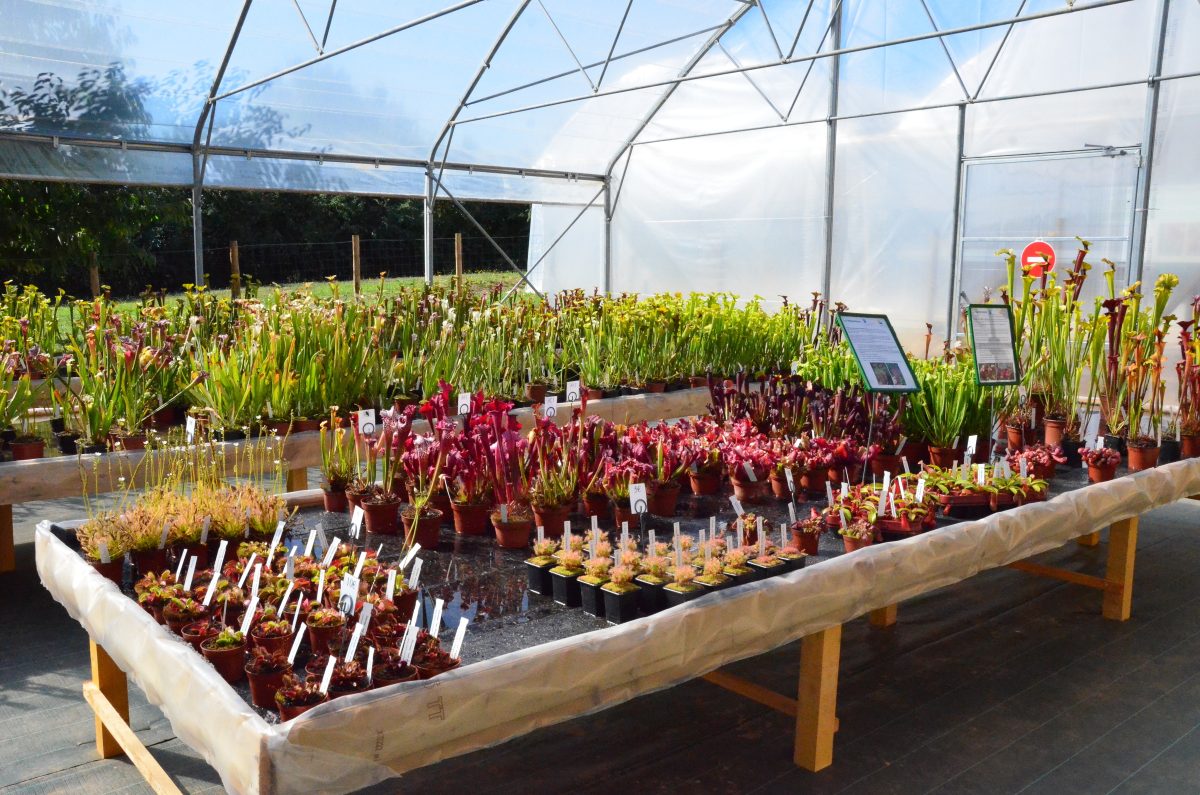
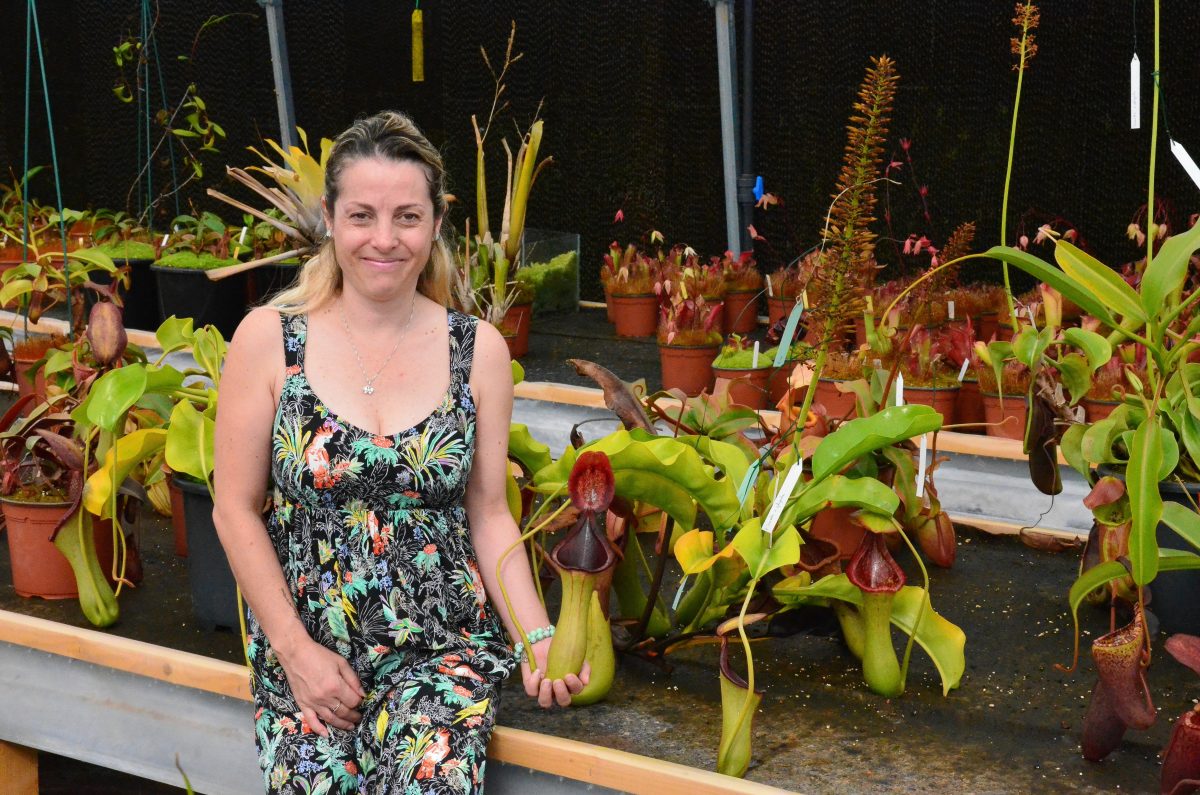
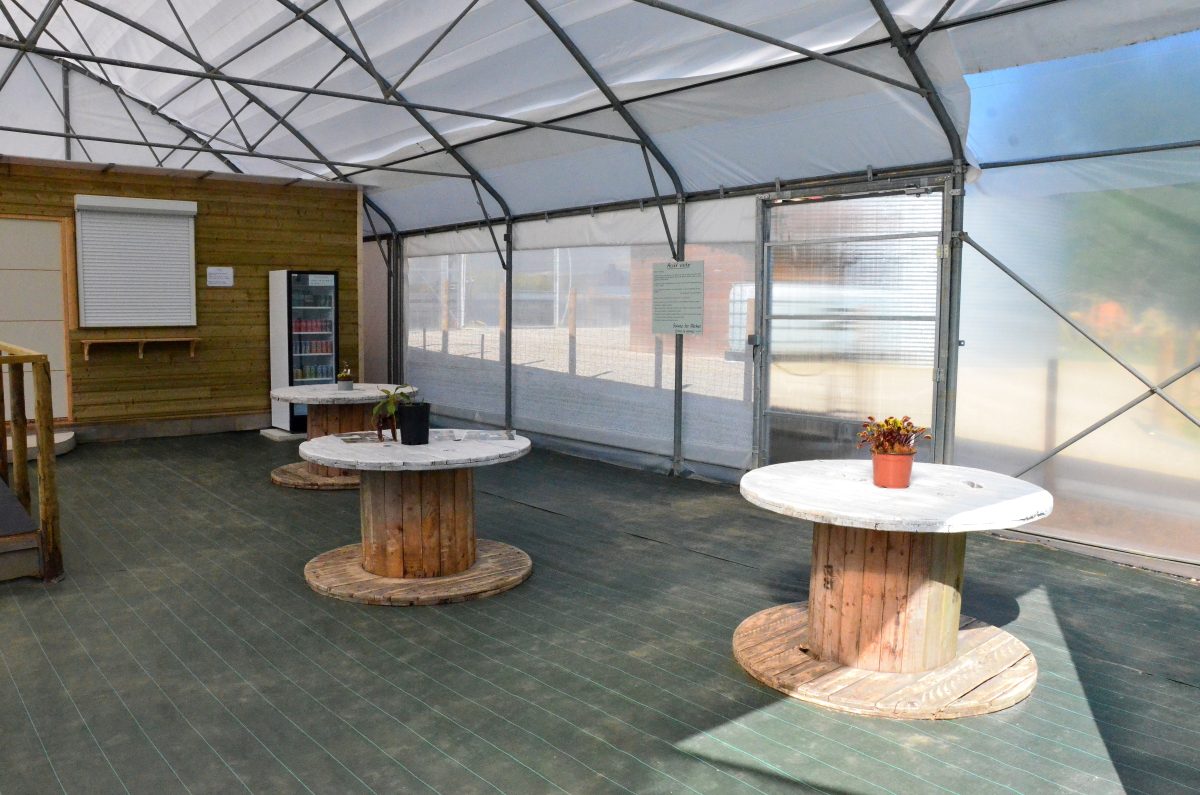
Our nursery does not just produce; it preserves rare clones and species threatened in their native habitats. As carnivorous plant specialists, we attach great importance to substrate quality (good blond peat, Chilean sphagnum, perlite) and to the use of reverse-osmosis water, to guarantee vigorous plants ready to thrive at your home.
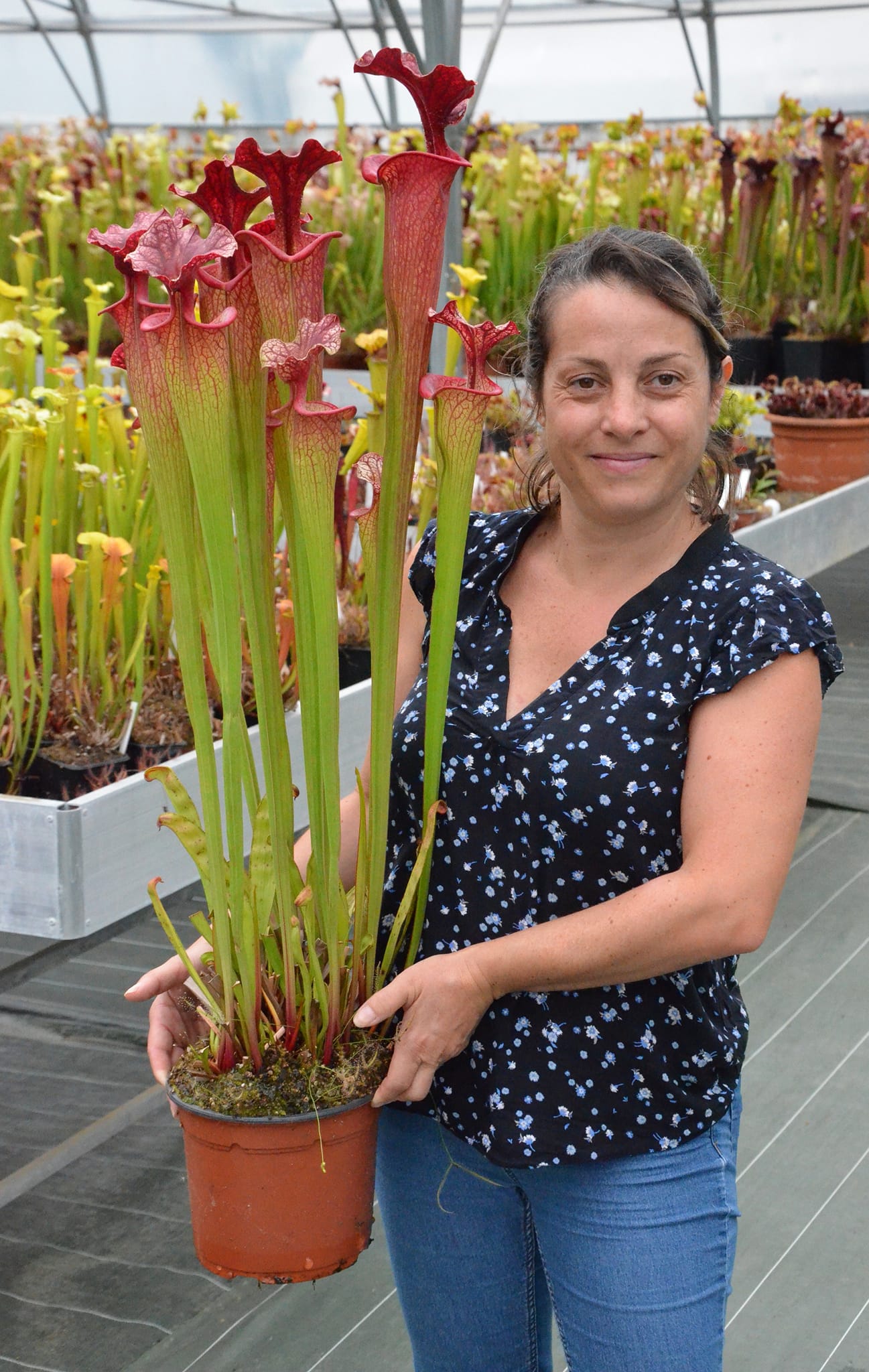
Expert guide: succeeding with carnivorous plants
Which water to use?
Watering is the number one success factor. Use only rainwater, demineralised water (without additives) or reverse-osmosis water. The lime and mineral salts in tap water irreparably burn the roots of your carnivorous plants within a few weeks.
☀️ Light and exposure
Most genera, such as Dionaea muscipula (Venus flytrap) and Sarracenia, absolutely need direct sun to colour their traps. For Nepenthes, bright but filtered light is better to avoid scorching the pitchers.
Which substrate to choose?
Never use ordinary potting compost! The ideal mix is 70% pure blond sphagnum peat and 30% lightening material (perlite, quartz sand). This reproduces the acidic, nutrient-poor environment of natural bogs.
❄️ Is a winter rest compulsory?
Yes, for temperate species! Venus flytraps and Sarracenia must have a winter rest between 0°C and 10°C from October to March. Without this dormancy, the plant wears itself out and dies prematurely.
As seen on TV
Reports in French.
Where to find us
SCEA Cédric Carnivores
1913 route de Monségur
Lieu-dit Trépeau
47180 Castelnau-sur-Gupie, France
Show the map
See the nursery from the sky
The maps are provided by Google Maps and only load if you open them. Open in Google Maps (directions)
Support passionate, high-quality horticulture
By choosing Cédric Carnivores, you choose plants produced in France, grown with respect and shipped by experts.
Discover the online shop© 2026 Cédric Carnivores - Specialist grower of collector carnivorous plants in France
Share this article: