Français
 Español
 Deutsch
 Italiano



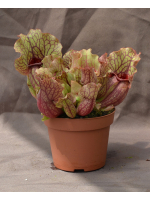
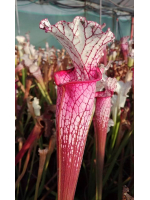
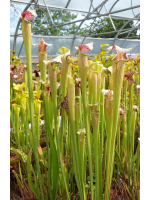
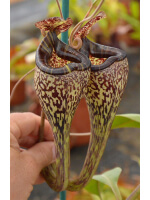
Growing guide: tropical and subtropical sundews


Tropical Sundews
With no winter dormancy, they grow all year round and do well indoors: lots of light, steady warmth, pure water and humidity. Interactive guide based on the growing sheets and photographs of Cédric Azais (Cédric Carnivores).
A Year with a Tropical Sundew
No dormancy: the plant grows all year. What changes through the months is mainly the natural light available.
Water Level & Saucer
Plant Status
📋 Grower's Tasks
Steady Warmth All Year
Ideal: 20 to 30°C, no night-time drop needed
☀️ Light: Factor No. 1
- • Ideal: 12 to 16 h of bright, indirect light a day.
- • Where: east-facing window, or a few metres from a south-facing window.
- • Best: a terrarium with grow lights.
- • Lack of light: pale green plant, stretched leaves with no mucilage.
💨 Humidity: 60 to 80%
A terrarium or small indoor greenhouse is the simplest solution. Misters help, but hand misting alone rarely keeps humidity high over time.
🧭 Subtropicals in Winter
D. capensis and D. aliciae simply slow down between 5 and 12°C in a bright conservatory, without forming a true winter bud.
Soil, Water & Humidity Workshop
An acidic, poor soil: fertiliser-free blond peat, lightened with perlite or quartz sand for good drainage.
🧮 Mix Calculator
Mix Proportions
🪴 Repotting
- Tropical sundews grow fast and can become cramped.
- Repot as needed, usually once a year.
- Choose a slightly larger pot.
🍽️ Feeding
Indoors you can occasionally give small insects (flies) or fish-food pellets. It is not essential, but it can speed up growth.
🚿 Water Quality Tester
Use pure water only. Test your water source:
Interactive Anatomy of a Sundew
Click the 4 glowing dots or the buttons to see how a sundew works.
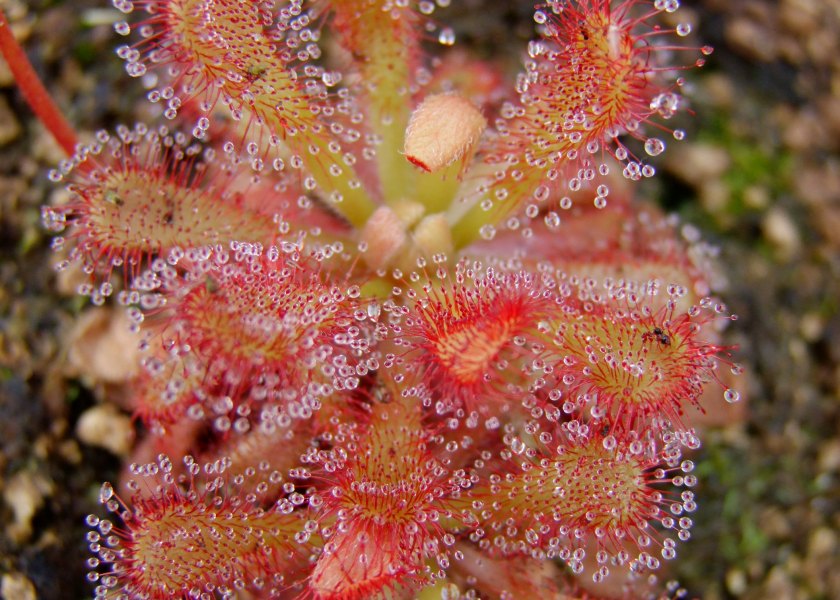
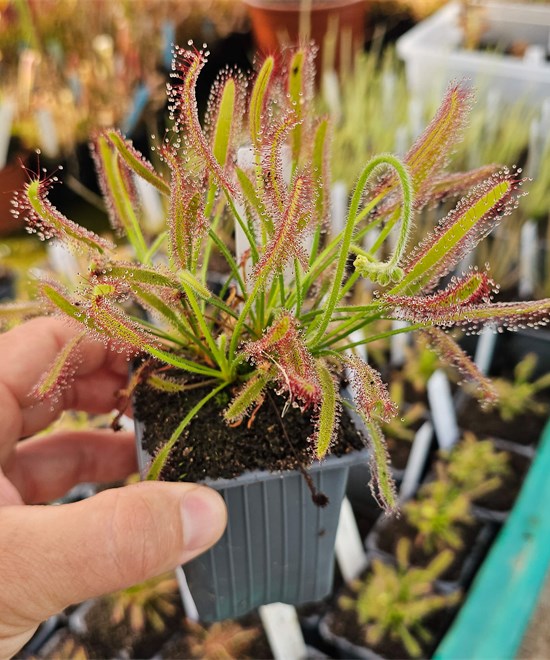
Photo: sundews grown at the nursery. In good light, the leaves turn red.
© Photograph: Azais Cédric
🌍 From the Tropics to the Subtropics
- • South Africa (Cape region): D. capensis grows in the marshes and wet seeps of the fynbos; D. slackii and D. regia also come from South Africa.
- • Rainforests of far north Queensland (Australia): D. adelae, D. prolifera and D. schizandra, in very small areas.
- • Australia and New Zealand: D. binata, the forked sundew.
- • All our plants are nursery-grown.
Nursery Species
To start with: D. capensis (the easiest), D. aliciae or D. spatulata, sturdy and forgiving.
Propagating Tropical Sundews
Vigorous plants that are easy to propagate: seeds, division or regrowth from the roots.
Seeds
Very easy with D. capensis.
- The seeds germinate readily, sometimes even in neighbouring pots.
- Sow on a blond peat + perlite or sand mix kept saturated with pure water.
- Keep in bright light and high humidity.
Division & Repotting
At the yearly repotting.
- Repot as needed, usually once a year.
- Clumps can be split into several plants.
- Slightly larger pot, fertiliser-free mix.
Roots and Cuttings
Depending on the species.
- Some sundews, such as D. binata and D. regia, regrow and are easily propagated from their roots.
- For the others, leaf cuttings laid flat on dead sphagnum remain the most effective way to propagate them.
- After a missed watering, put 2 cm of demineralised water back in the saucer and wait 3 to 4 weeks in the sun: some species regrow from their roots.
💡 Light Above All
🚿 Watering Reminder
Interactive Diagnosis
Choose the season, then the symptom you see:
Getting Started
“If you are new to tropical sundews, species such as Drosera capensis, D. aliciae or D. spatulata are excellent choices: they are sturdy and forgiving.”
Recommended products


Share this article: