
 Français
 Español
 Deutsch
 Italiano



Sarracenia: 6 myths to forget


6 myths about Sarracenia
And what experience says
Sarracenia are now found in almost every garden centre, yet they are still poorly understood. Here are six myths, disproved by more than 30 years of growing.
This article comes from “Les sarracenia en images”, the book Cédric wrote from his experience at the nursery, and from our growing guide. All photos are ours.
1. “It is a houseplant”
No: it is a true outdoor plant. It needs full sun all day and a cold winter rest. It belongs in the garden, on a terrace or a balcony, alongside our most common plants.
2. “It is fragile”
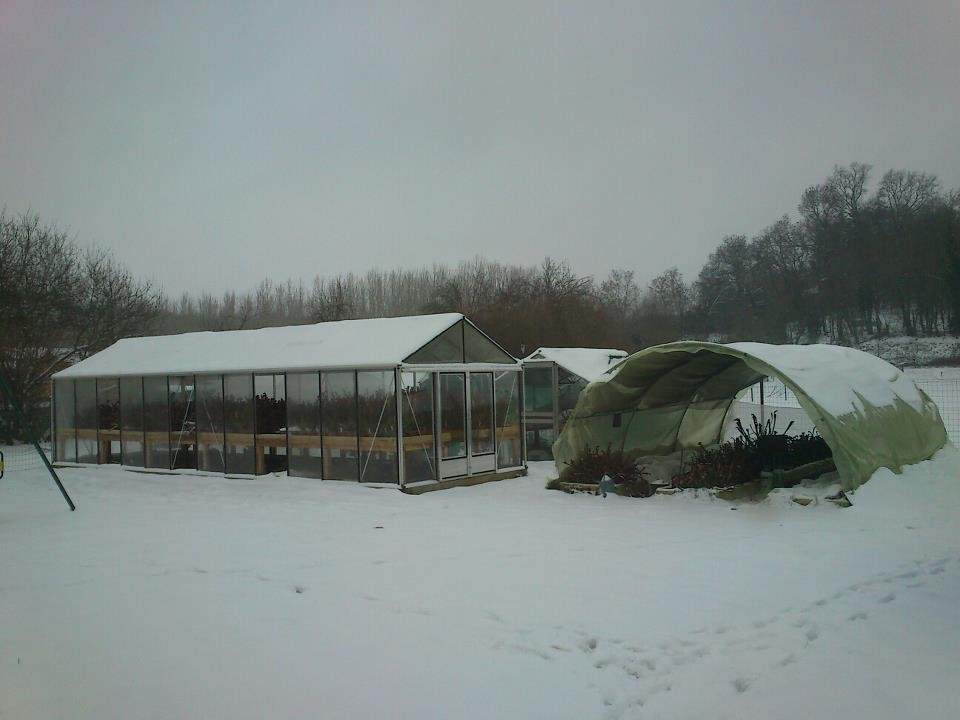
Sarracenia are much tougher than people think: from -8 °C to below -12 °C in a pot depending on its size, -20 °C in a bog garden, and 45 °C in summer. In summer 2026, our plants even went through 50 °C in the greenhouses without harm: as long as the substrate stands in water, heat is no problem at all. When they die in winter, it is almost always from thirst, when the substrate stays frozen for several days, not from the cold itself.
3. “It needs feeding”
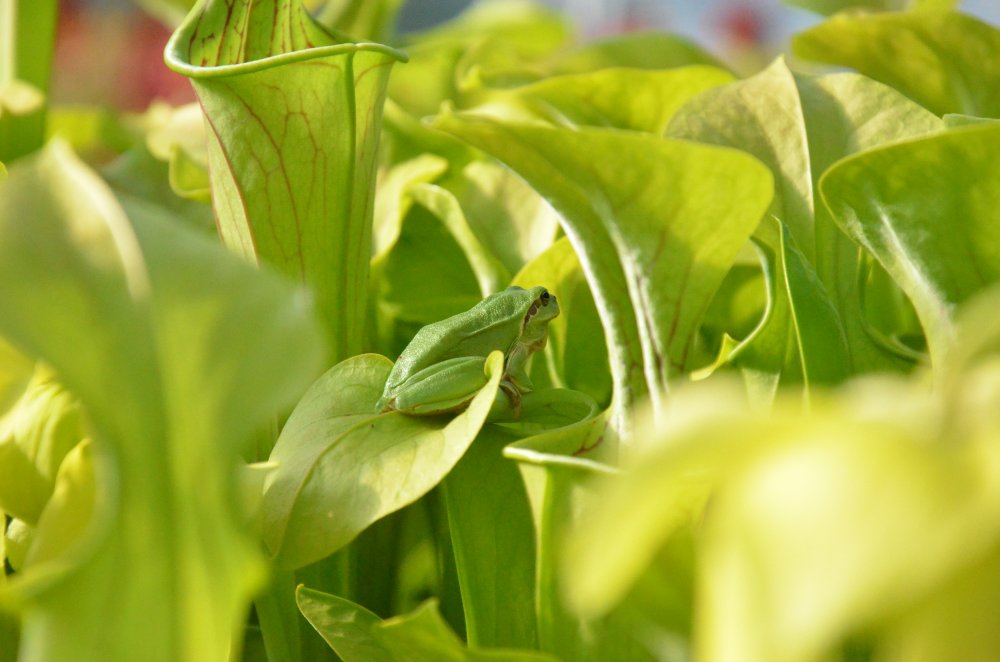
No need: outdoors, it catches flies, wasps, hornets and moths by itself. And never put fertiliser in the substrate of an adult plant.
4. “A terrarium is better”
Cédric advises against it for temperate plants during the growing season: they are outdoor plants, and they give their best outside.
5. “Its leaves are turning black, it is dying”
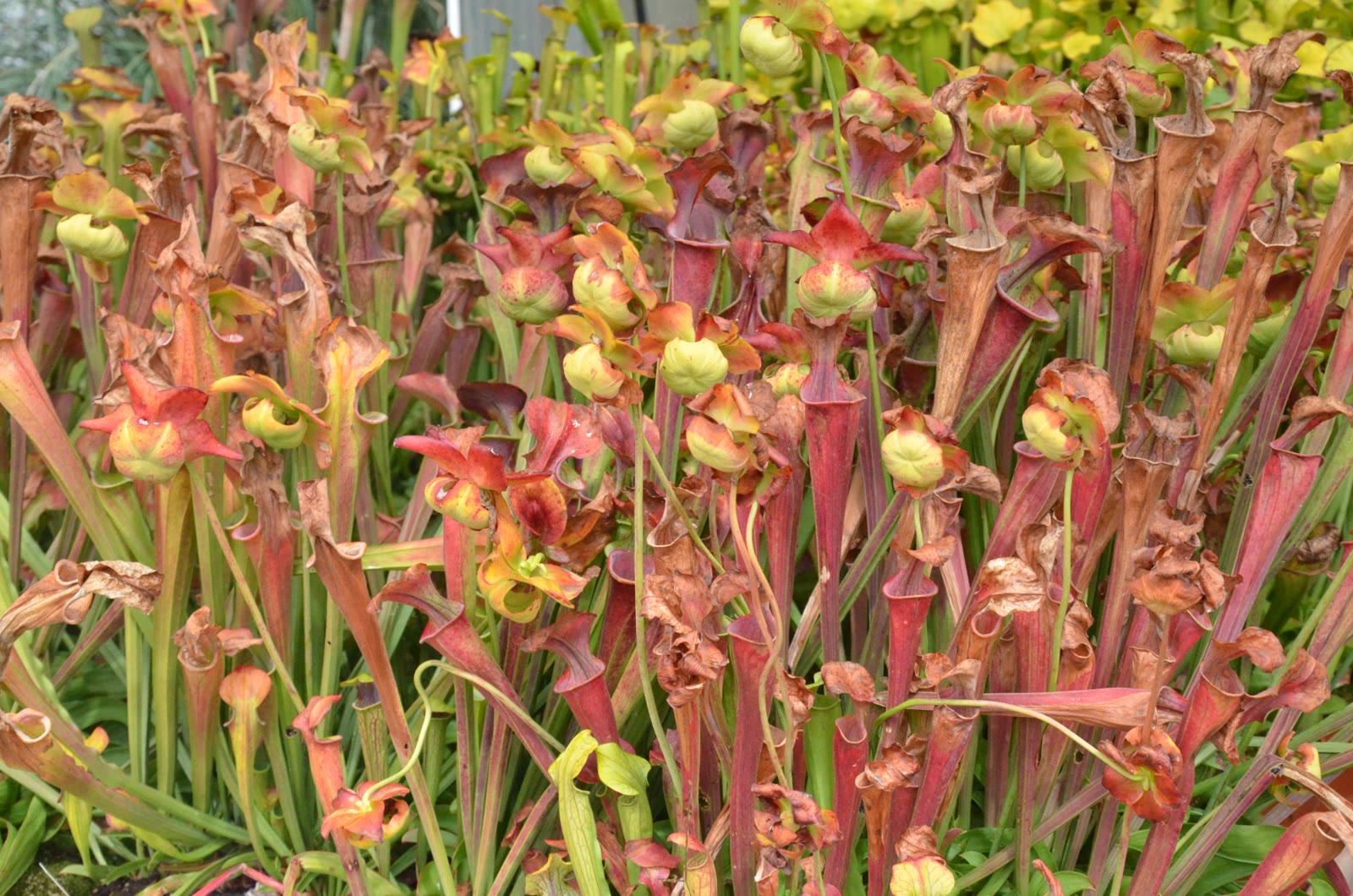
Pitchers turning brown in autumn are normal: the plant is going into its rest and will grow back from the rhizome in spring. A pitcher full of prey can also turn black within days, with no consequence for the plant.
6. “Tap water will do”
Definitely not: it is too rich in lime and mineral salts, like mineral water. Use rainwater, reverse-osmosis water or demineralised water.
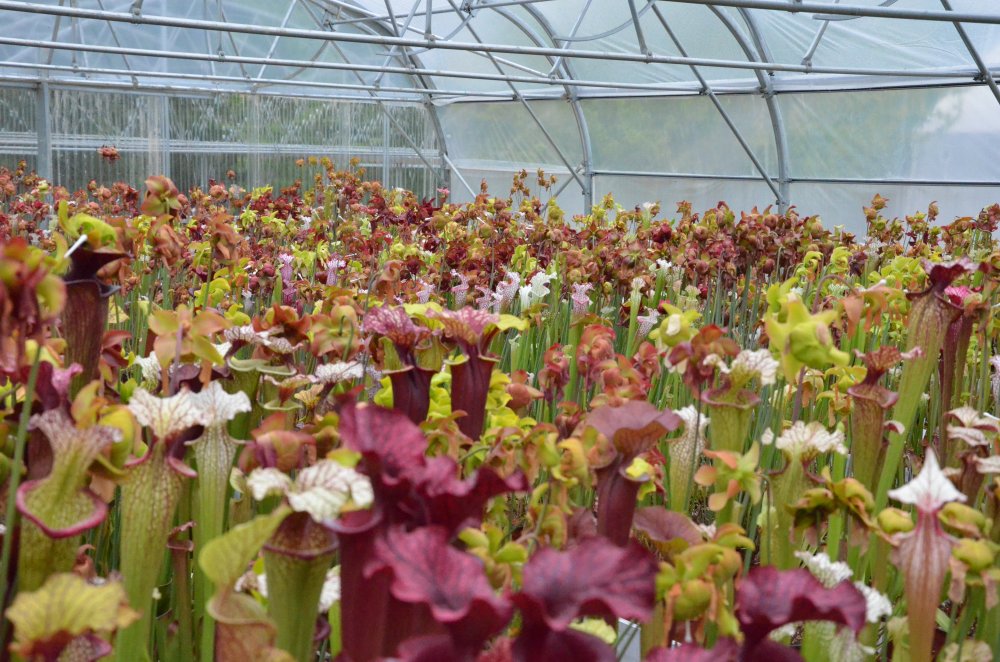
To get off to a good start: our Sarracenia growing guide, where to grow them and our collection.
A question about your Sarracenia?
✉ Contact us© 2026 Cédric Carnivores - Carnivorous plant nursery since 2012
Share this article:


