
 Français
 Español
 Deutsch
 Italiano

The Art & Cost of Packaging: Why Your Plants Travel First Class


The Art & Cost of Packaging
Why your plants travel first class
Shipping fragile living plants takes special expertise. We take you behind the scenes and show you what it really costs.
When you adopt a plant from Cédric Carnivores, preparing the parcel is a crucial step. Unlike an inert product, a collector's plant is a unique living thing, shaped by months of growing in the greenhouse. For it to come through the knocks of transport undamaged, packaging becomes a real craft. This page is all about explaining: we show you the technical challenges of each plant genus and break down every cent of the packaging cost, in full transparency.
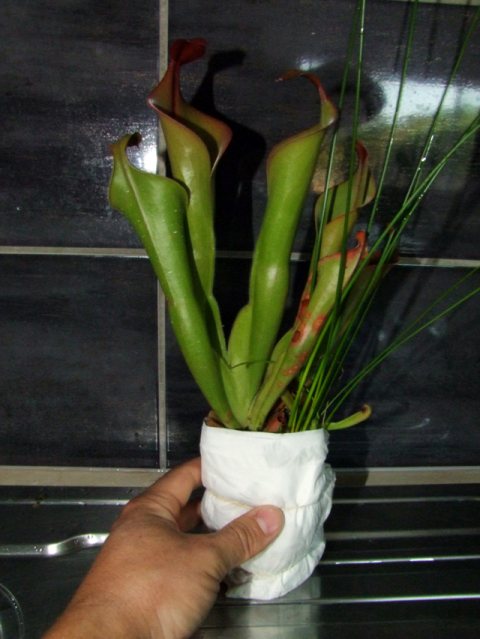
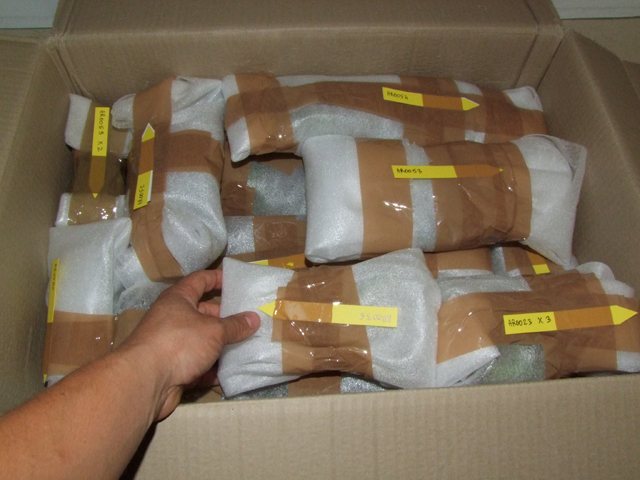
Every Genus Is Different
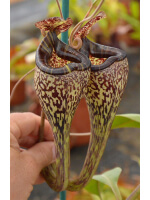
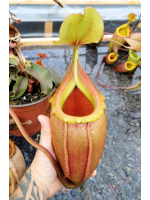
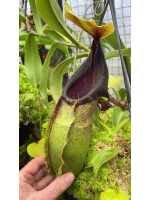
Nepenthes & PitchersNepenthes are protected as much as possible so the growing point does not break, the humidity is kept and they are shielded from heat and cold. |
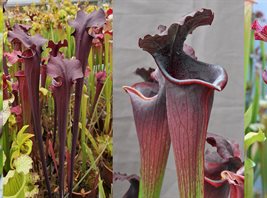
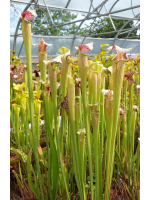
Large SarraceniaTheir long upright leaves bend very easily. We wrap them in a double layer of soft cardboard before placing them in the shipping box. |
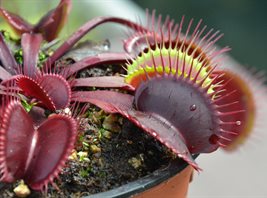
Drosera & DewSo that the sticky mucilage does not rub off on the cardboard, we shield the leaves inside a double pot. Bare-root plants travel in plastic bags. |
The Real Breakdown of a Packaging Cost
Estimated detail of the physical and technical components needed to secure a standard parcel (1 to 3 plants). Updated: 2026
| Protective item | Materials and purpose | Time or cost | Average price |
|---|---|---|---|
| Outer box | Double- or triple-wall corrugated cardboard box (high crush resistance). | Material purchase | 1,30 – 1,90 € |
| Padding supplies | Recycled kraft paper, pot sealing film, reinforced tape. | Consumables | 0,80 – 1,20 € |
| Thermal protection | Horticultural heat pack (40 to 72 h) + insulating film (depending on winter weather). | Seasonal | 1,60 – 2,40 € |
| Skilled labour | Cleaning dry pitchers, double soft cardboard around tall Sarracenia, securing the root ball, packing by hand (10–15 min per parcel). | Human time | Valued |
Our Protection Protocol
|
1
|
Locking the substrate in place
The peat and sphagnum are held at the base of the pot by paper or damp moss, then firmly wrapped in film. Even if the parcel is handled roughly or turned upside down by the carrier, the substrate stays put and the roots stay protected. |
|
2
|
Protective shell
Each plant is surrounded by a rigid sleeve of thick kraft paper or a cardboard tube. This shell absorbs direct side impacts caused by other parcels falling in the sorting centres. |
|
3
|
Secure padding
Empty spaces inside the main box are filled with highly compressible materials to stop the plants from moving, while making sure we use the least polluting solutions possible. |
Our environmental commitment
Because protecting nature is at the heart of our passion, we constantly look for ways to make our packaging as low-impact as possible. We favour plain unbleached cardboard, recyclable paper padding and reusing materials whenever the plant's safety allows. Technical plastic films are kept strictly for sealing root balls, which is essential to keep the roots moist during the journey.
Frequently asked questions
Thin standard boxes quickly soften with the natural moisture given off by the plants, or get crushed under the weight of automated sorting. Reinforced packaging protects your investment against delivery mishaps.
The price covers the carrier's shipping rate (calculated from the weight of the parcel), the purchase of high-quality horticultural materials, and the technical time spent packing your plants one by one.
Share this article:





Similar posts
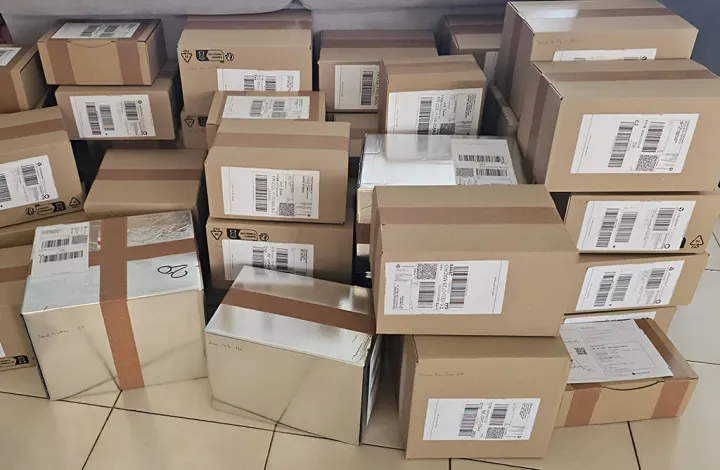
Shipping: everything you need to know (France & worldwide)
At Cédric Carnivores, we ship your orders with the greatest care. Whether you are in mainland France or the other side of the world, we are committed to…
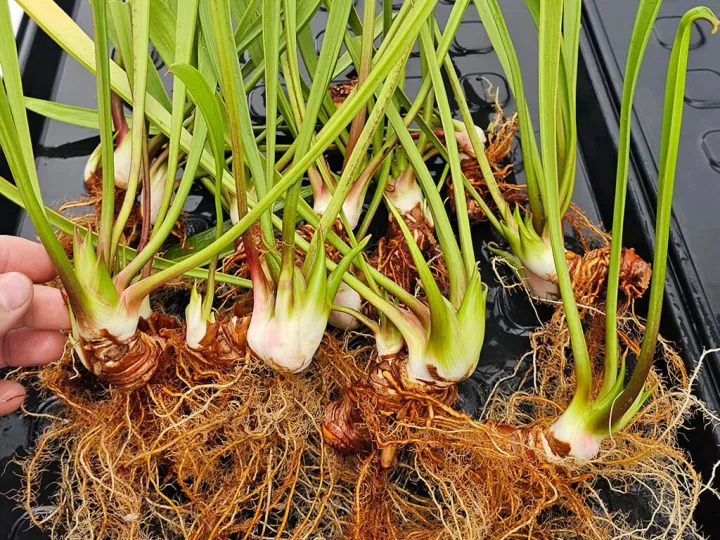
How we pack our plants
Discover Cédric Carnivores' packing know-how: safe bare-root (mini root ball) method, winter thermal protection and hygiene standards for your Sarracenia…