
 Français
 Español
 Deutsch
 Italiano


- Out-of-Stock
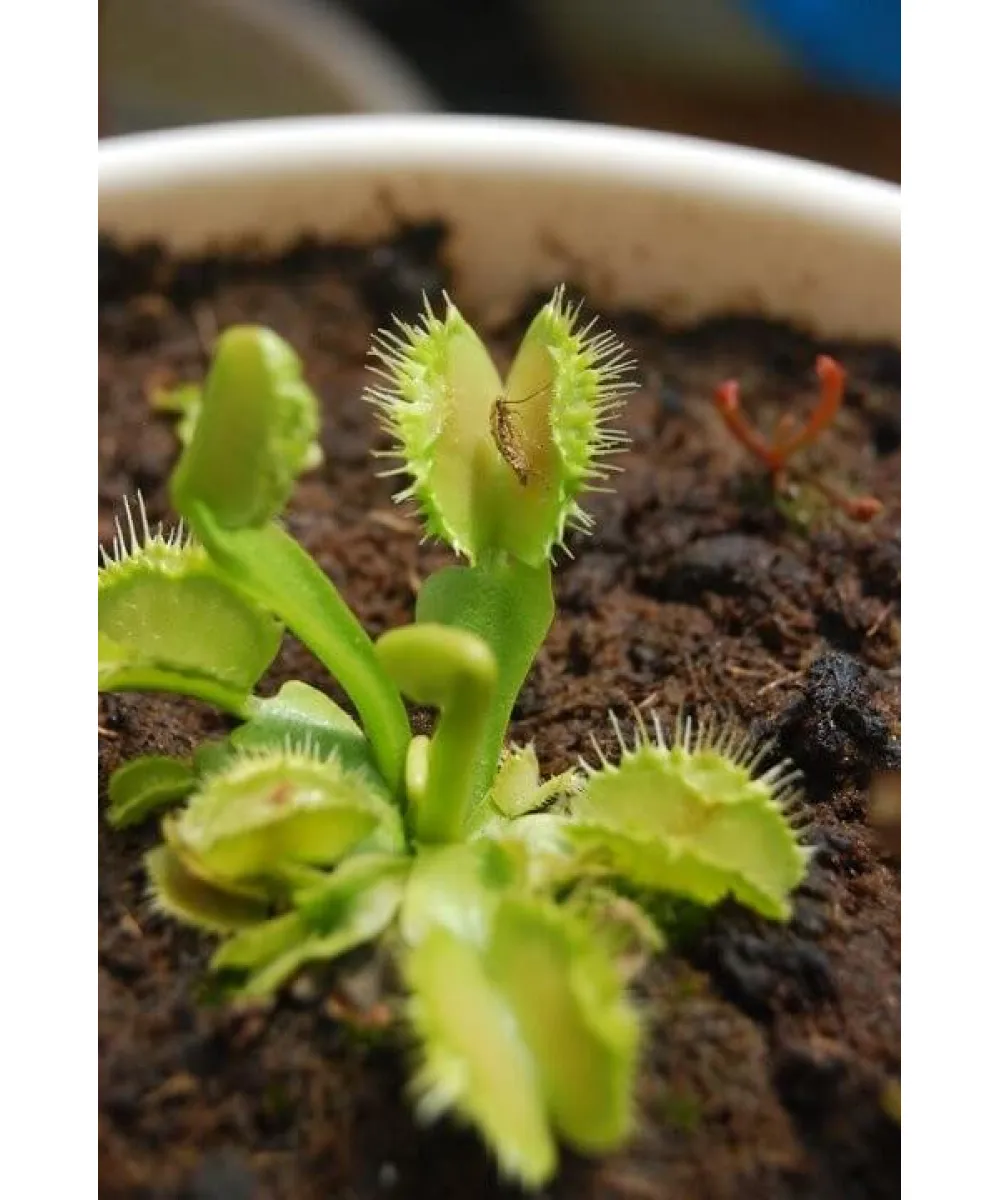

Photo of the mature mother plant: you receive a plant of the same clone, in the size you choose.

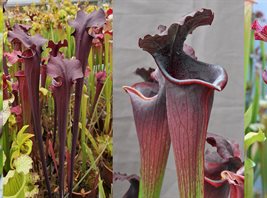
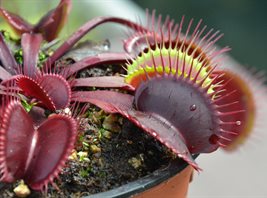
Photo of the mature mother plant: you receive a plant of the same clone, in the size you choose.


Delivery policy

Minimum order: €18
Dionaea 'Biohazard' is part of our Dionaea selection.
Selected by Mr Christian Klein. Clone not 100% stable, possible to return to stage type after several months for some plants. The base of teeth is very soothing and irregular that gives a very strange, it reminds me a hairbrush. Traps are erected in the summer, color varies according to the exhibition inside the traps can vary from very dark green or red.
It is the famous snapping carnivorous plant: full sun, lime-free water and a cold winter rest.
➜ Complete Venus flytrap growing guide
➜ Learn more about this species: Dionaea muscipula, in our encyclopedia
Data sheet
These plants share its growing conditions: you can plant them in the same container or bog garden.
Sarracenia purpurea subsp. venosa is part of our Sarracenia purpurea selection. It is a hardy outdoor carnivorous plant: full sun, feet in rainwater and a cold winter rest.
Drosera x hybrida is part of our Temperate Drosera selection. It is a hardy full-sun sundew that spends the winter outdoors as a hibernaculum.
Three vigorous hybrid Sarracenia, including a Cédric Carnivores creation: enough to start a collection in the garden. Full sun, rainwater or demineralised water, and winter outdoors in the cold.
Sarracenia leucophylla -- Red/pink tube, Perdido, AL (PW)(L49b,MK) is part of our Sarracenia leucophylla selection. It is a hardy outdoor carnivorous plant: full sun, feet in rainwater and a cold winter rest.
Dionaea 'SL 15', piranha teeth is part of our Dionaea selection. It is the famous snapping carnivorous plant: full sun, lime-free water and a cold winter rest.
Dionaea fused tooth giant '46' is part of our Dionaea selection. It is the famous snapping carnivorous plant: full sun, lime-free water and a cold winter rest.
Dionaea "Trev's Red Dentate", a carnivorous plant grown at the Cédric Carnivores nursery since 2012. Full sun: outdoors or behind a very bright window, at least 4 hours of direct sun.
D. muscipula kim jong II, a carnivorous plant grown at the Cédric Carnivores nursery since 2012. Full sun: outdoors or behind a very bright window, at least 4 hours of direct sun.
A question about this product or how to grow it? Ask it: the nursery answers, and the answer helps other growers too.
No questions yet: be the first to ask one!
Do you have this plant?
Share a photo of it from your My collection page: it will join our customers’ gallery.


