
 Français
 Español
 Deutsch
 Italiano
Our Nepenthes hybrids: from flower to seedling


Our Nepenthes hybrids
From flower to seedling
Crossing Nepenthes takes time, patience and a few second thoughts. Here is how we got there.
Males and females
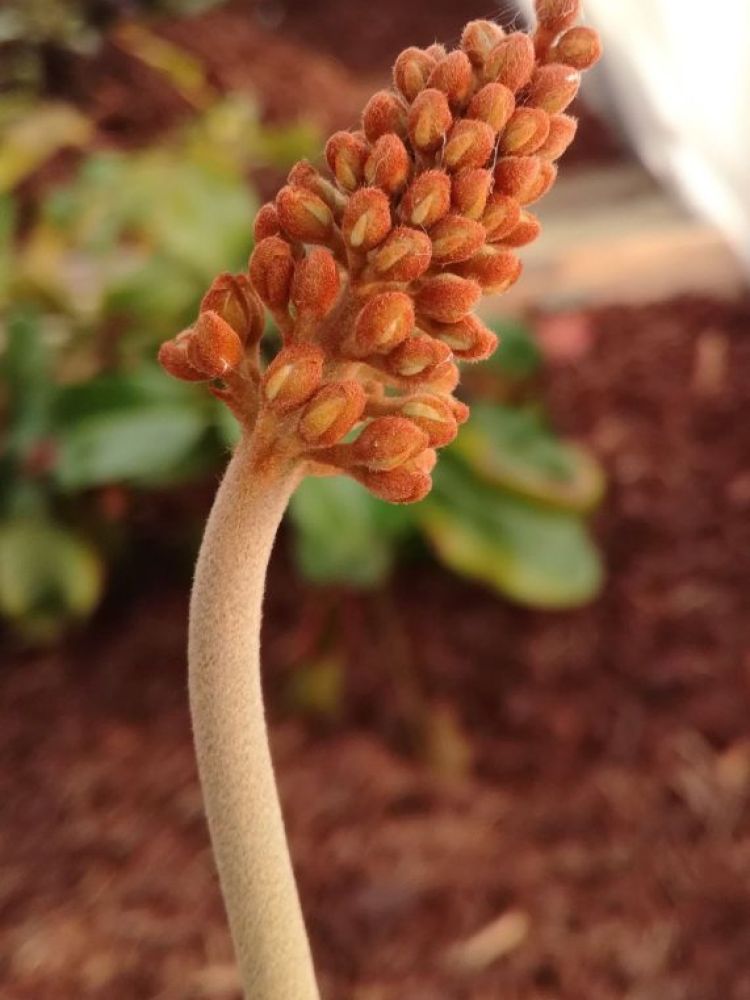
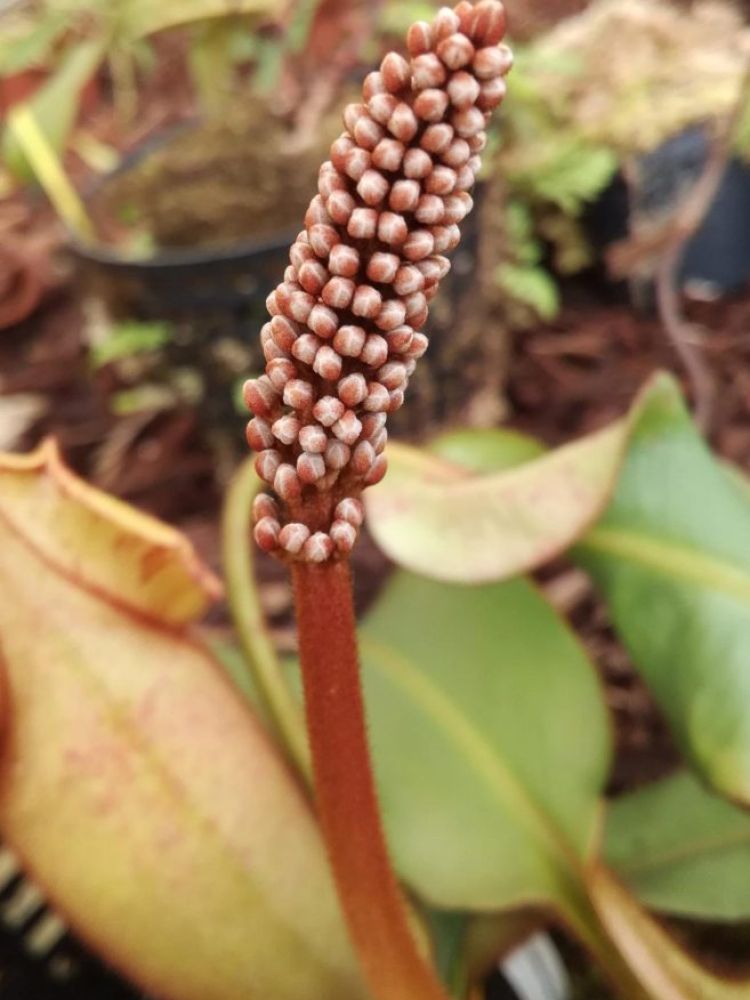
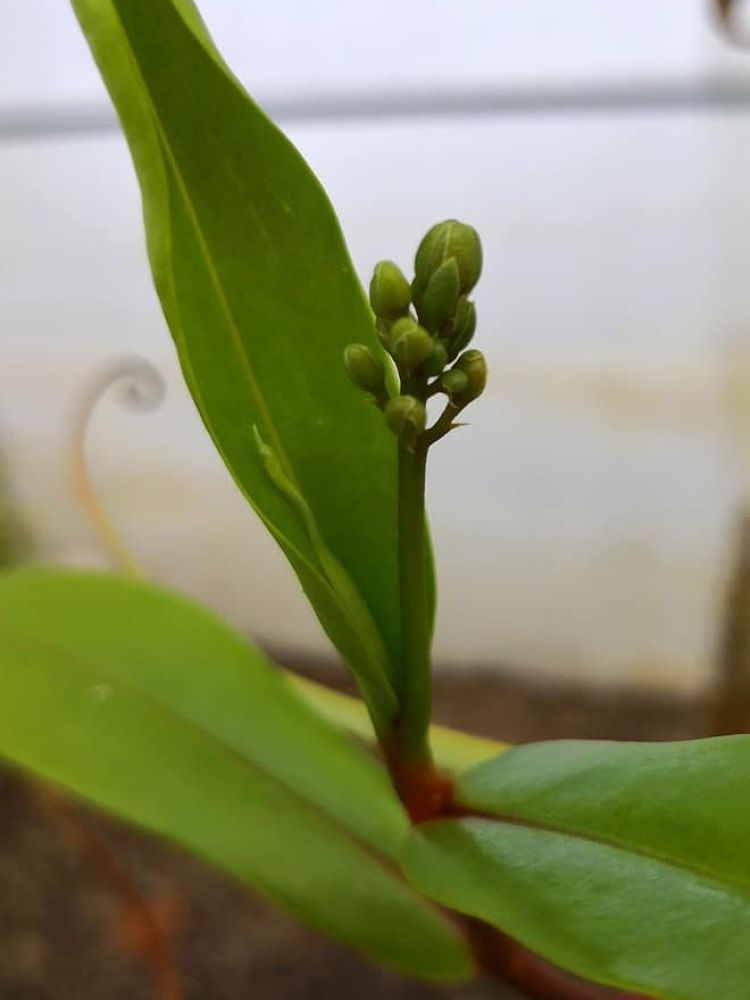
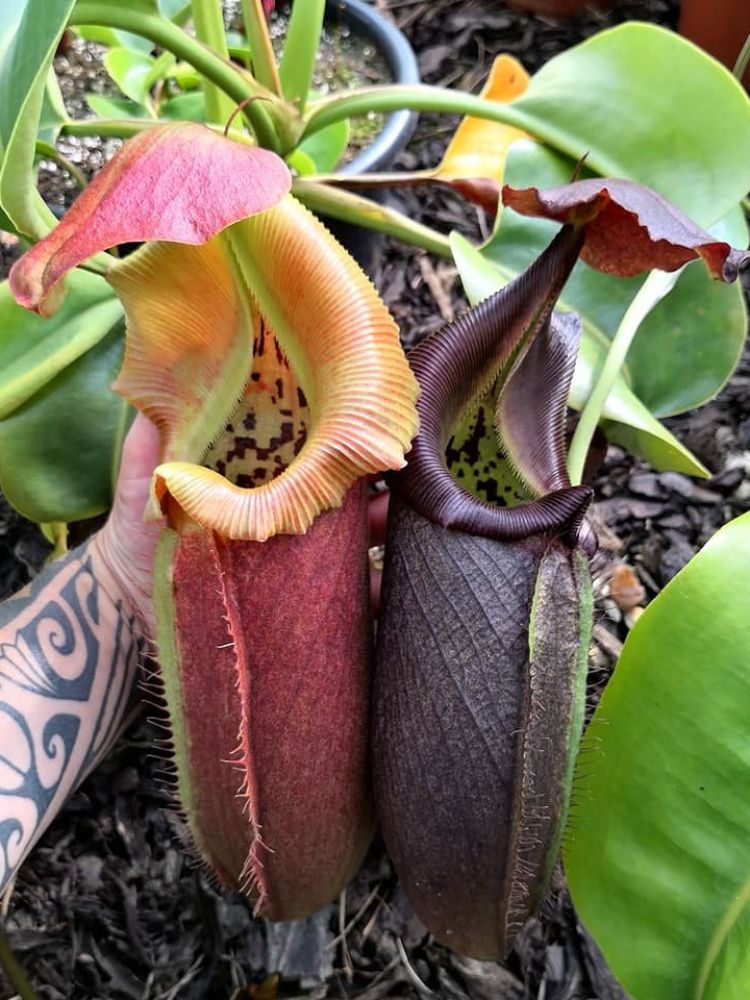
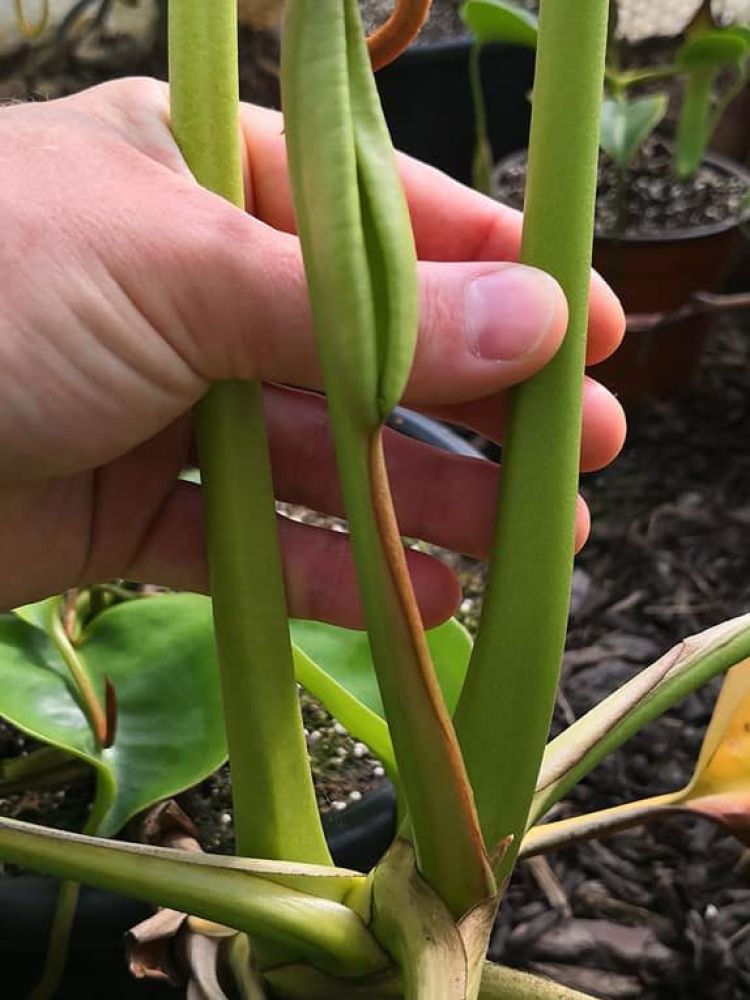
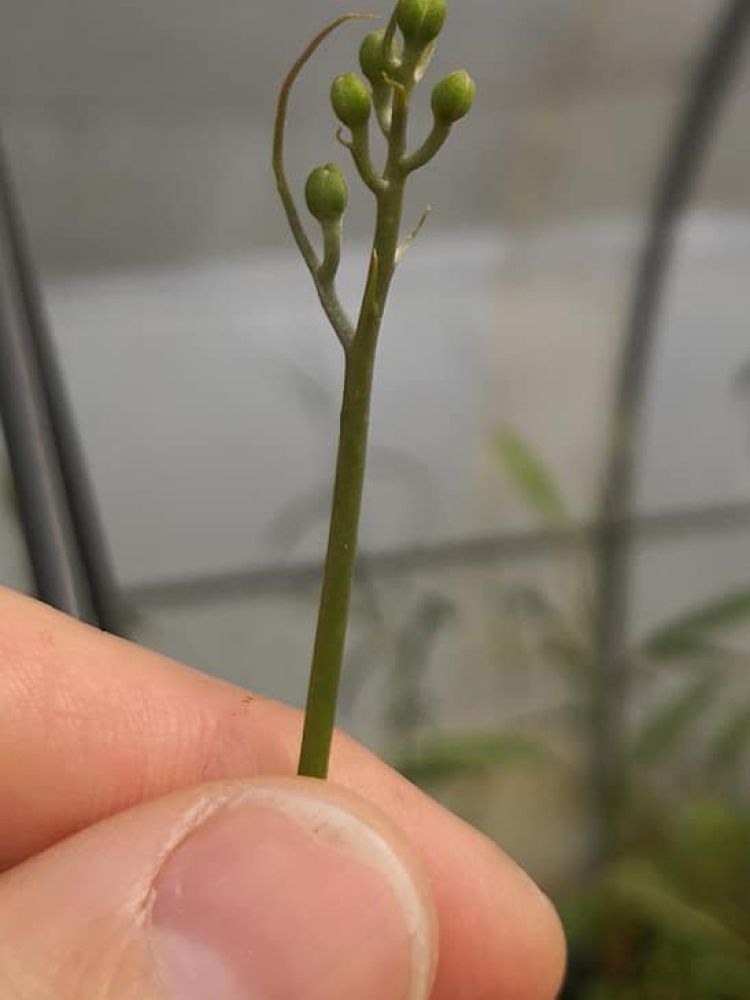
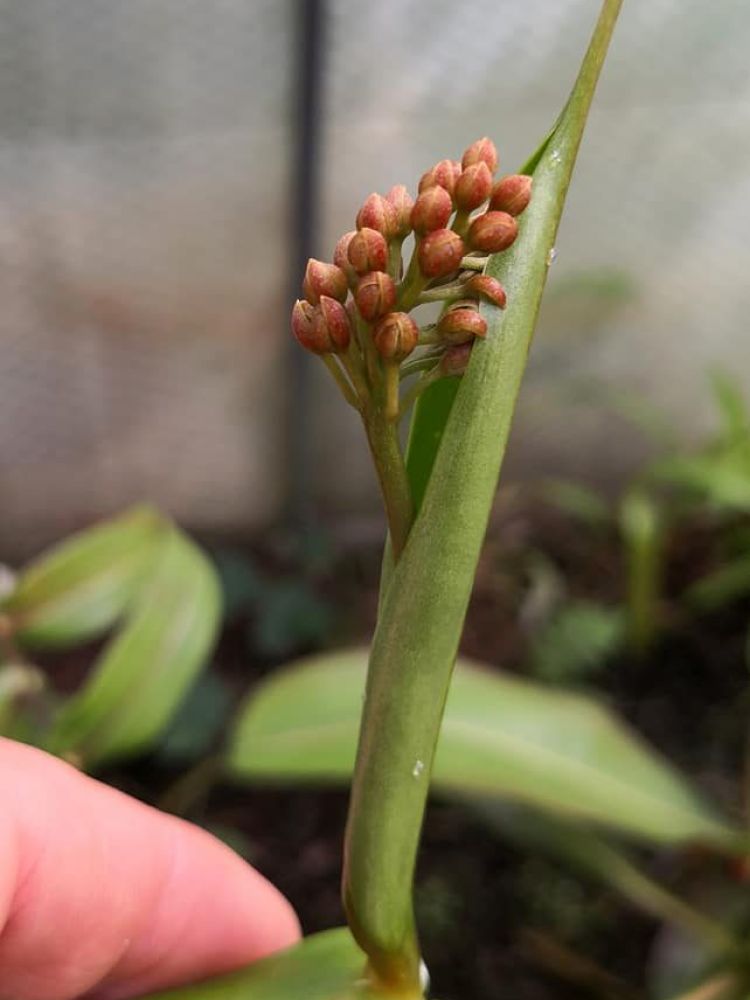
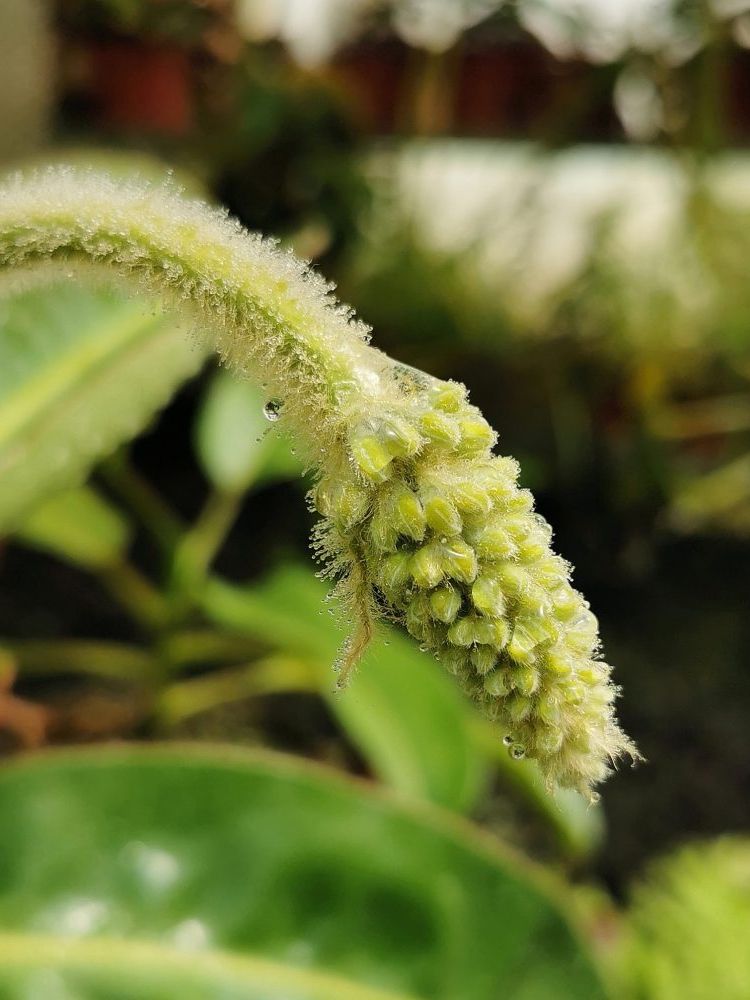
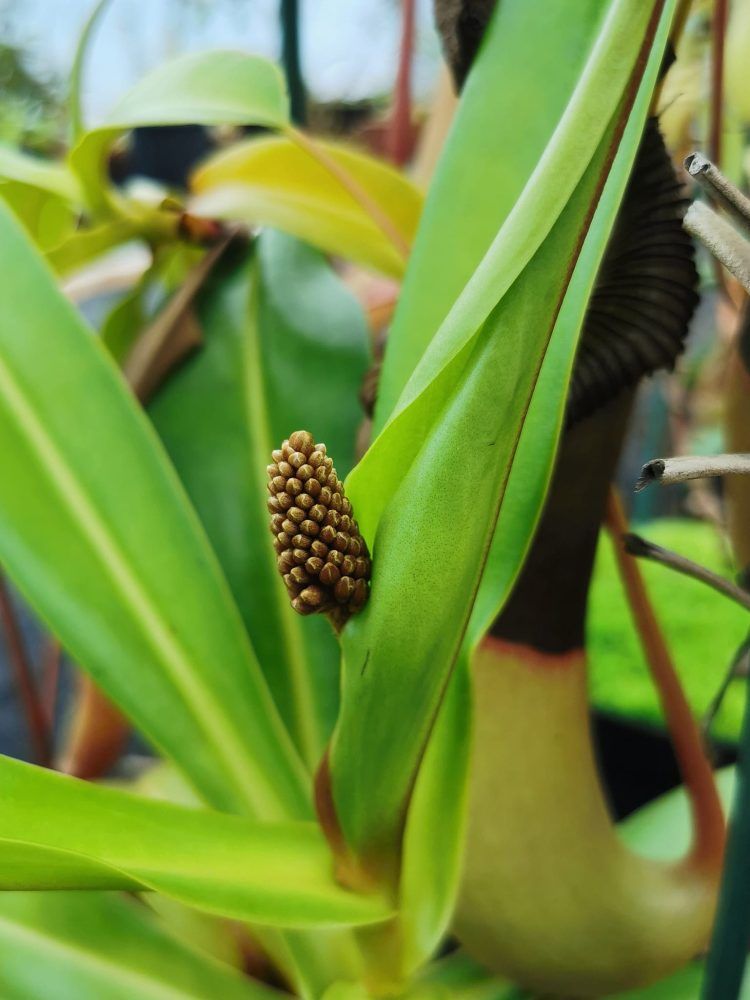
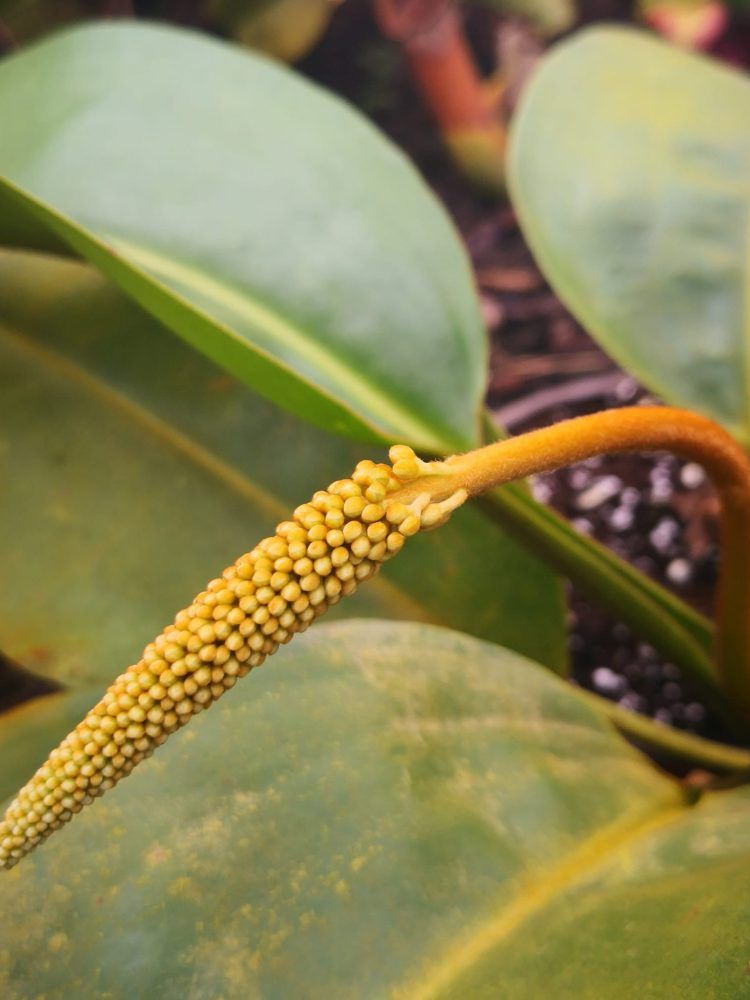
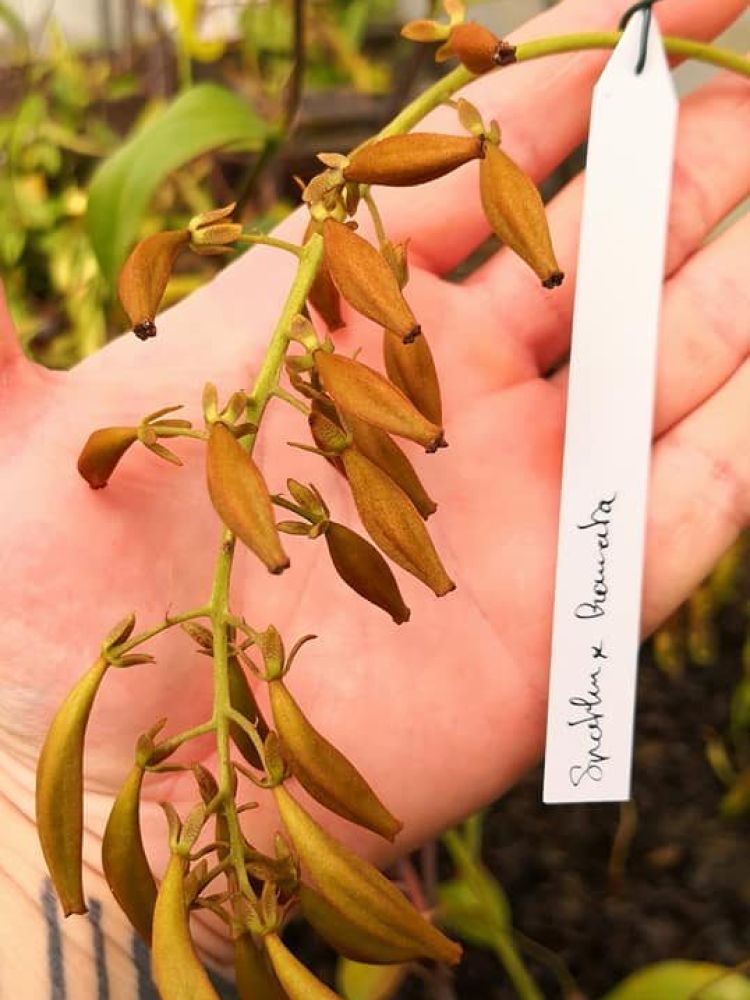
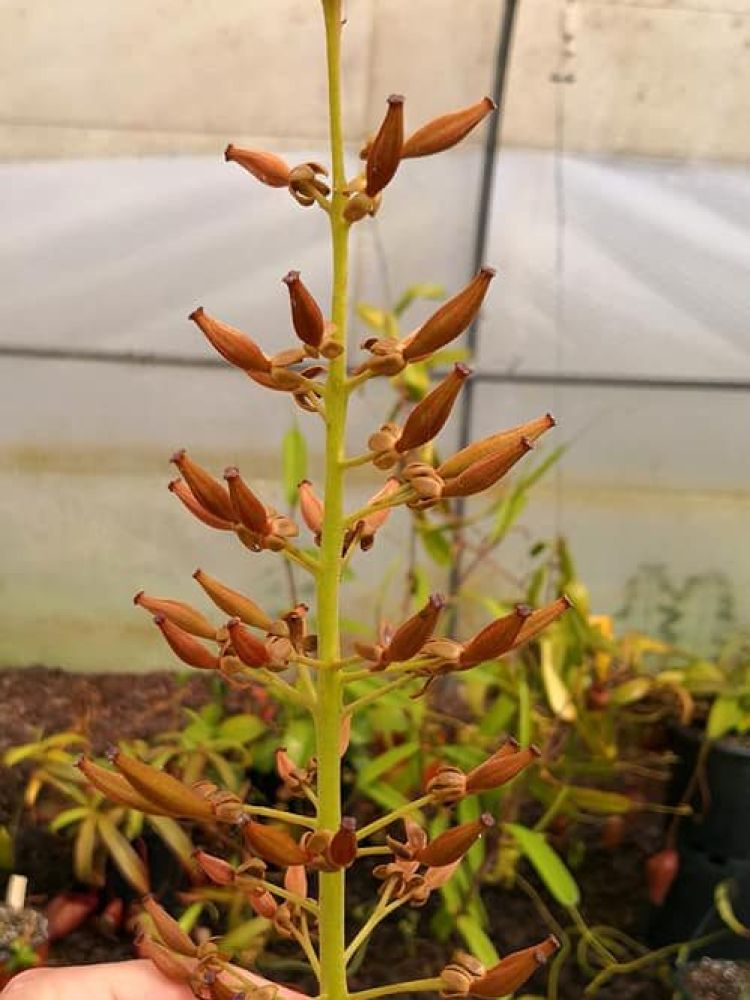
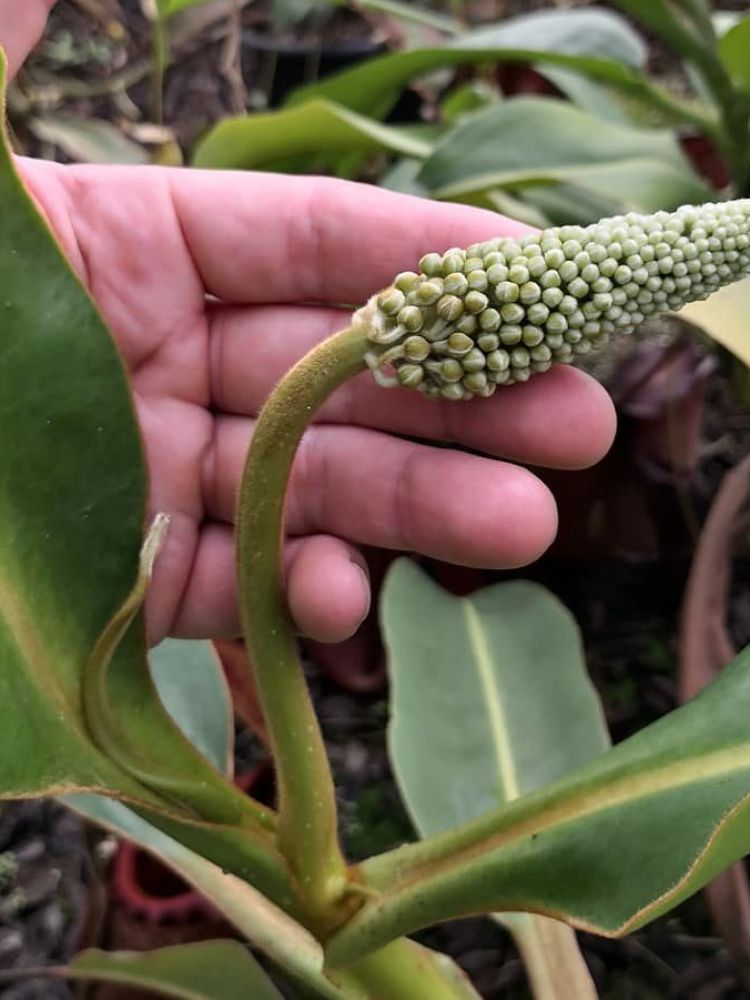
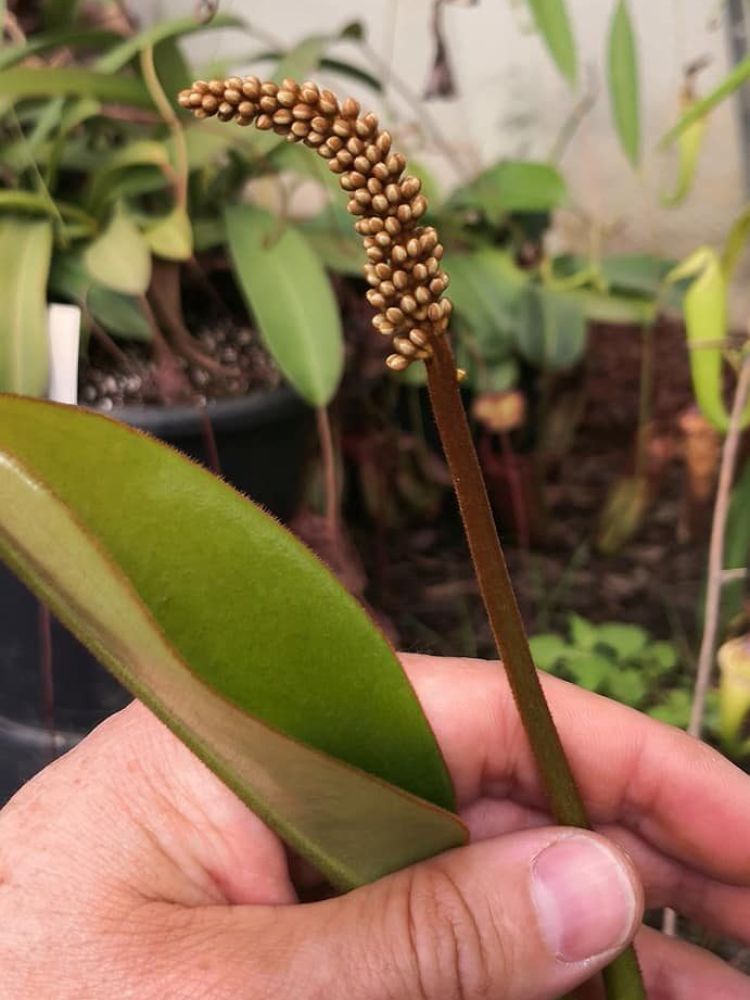
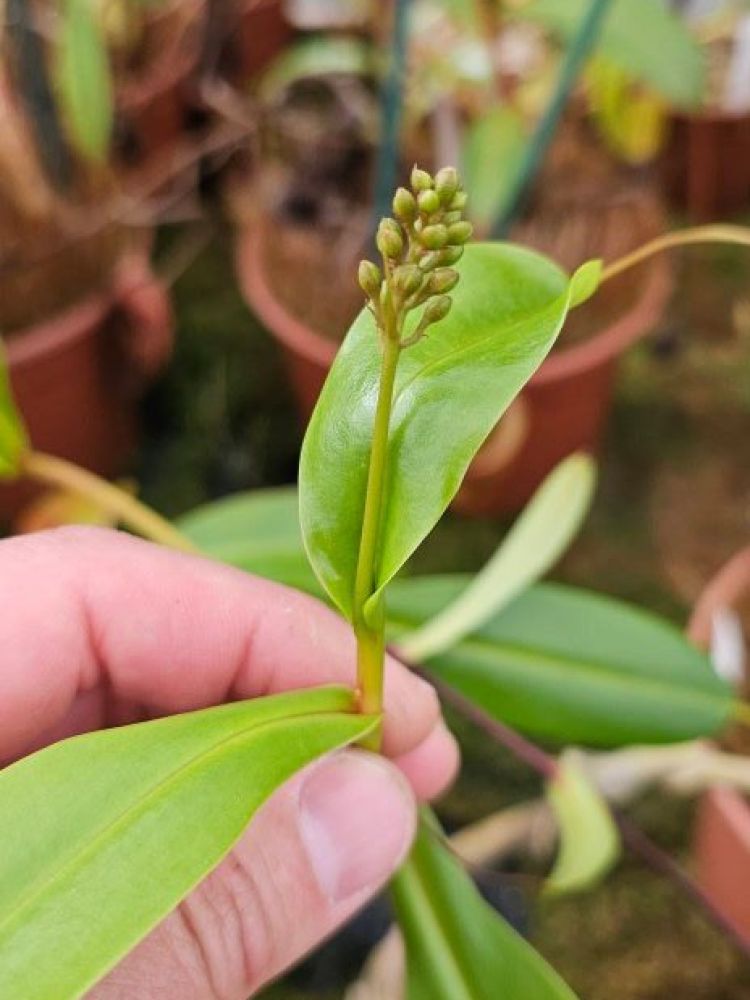
In Nepenthes, each plant is either male or female. To get seeds, you therefore need a female in flower and pollen from a male at the right time. Every new female flowering is a small celebration: N. glabrata, truncata x mira, dubia, spathulata x jacquelineae, peltata, or Nepenthes 'Sabre' in 2023. In N. robcantleyi, the flower stalks are exceptionally thick compared with other Nepenthes.
A curiosity: here, the flower spikes, male and female alike, attract only flies.
Understanding pollination
In our hobby, it takes time and a willingness to question yourself to master certain steps. For me, Nepenthes pollination was hard to understand, because I stubbornly wanted to grow them in conditions identical to their natural habitat.
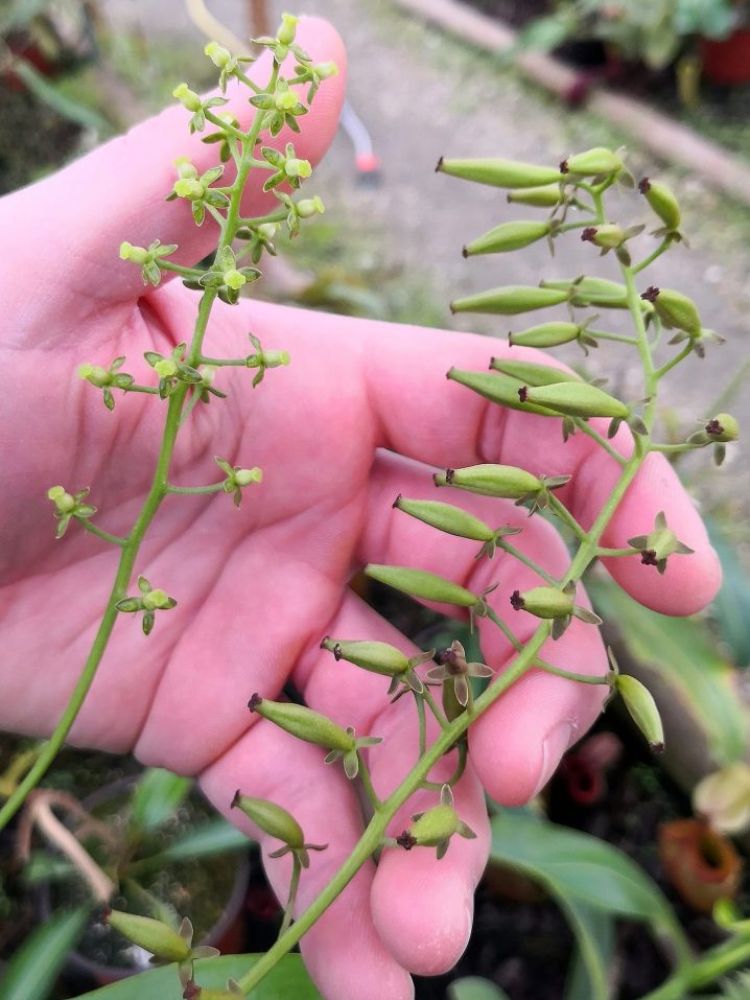
Today, every pollination produces seeds, viable or not: the plants' genetics can also play tricks and give sterile seeds. In 2021, my female N. vogelii took well with three different pollens.
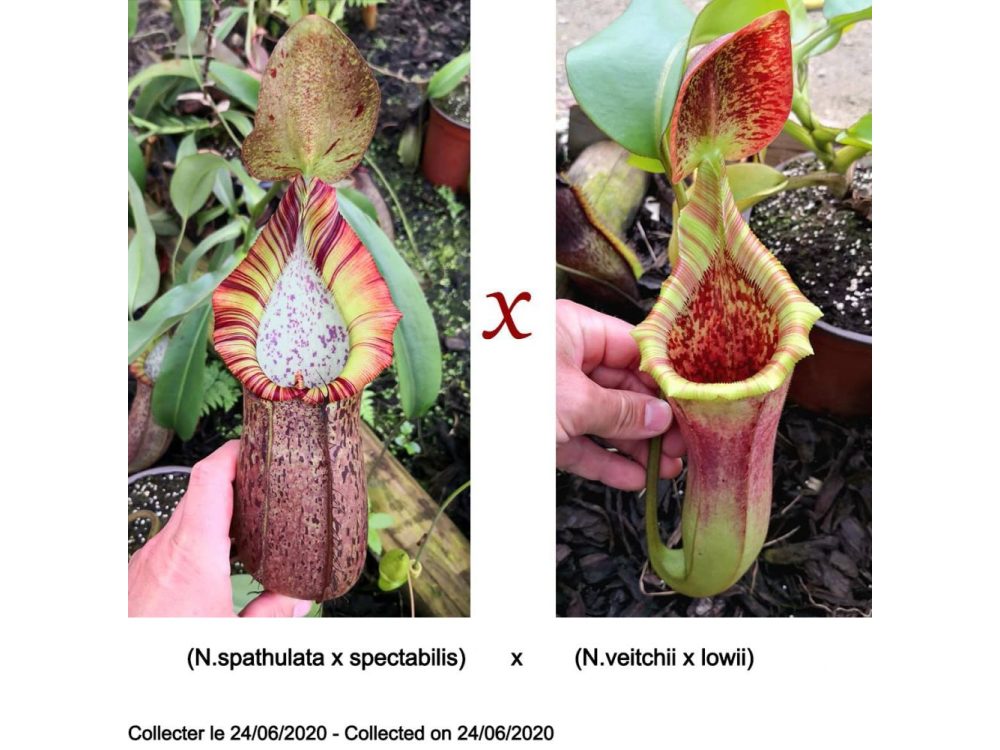
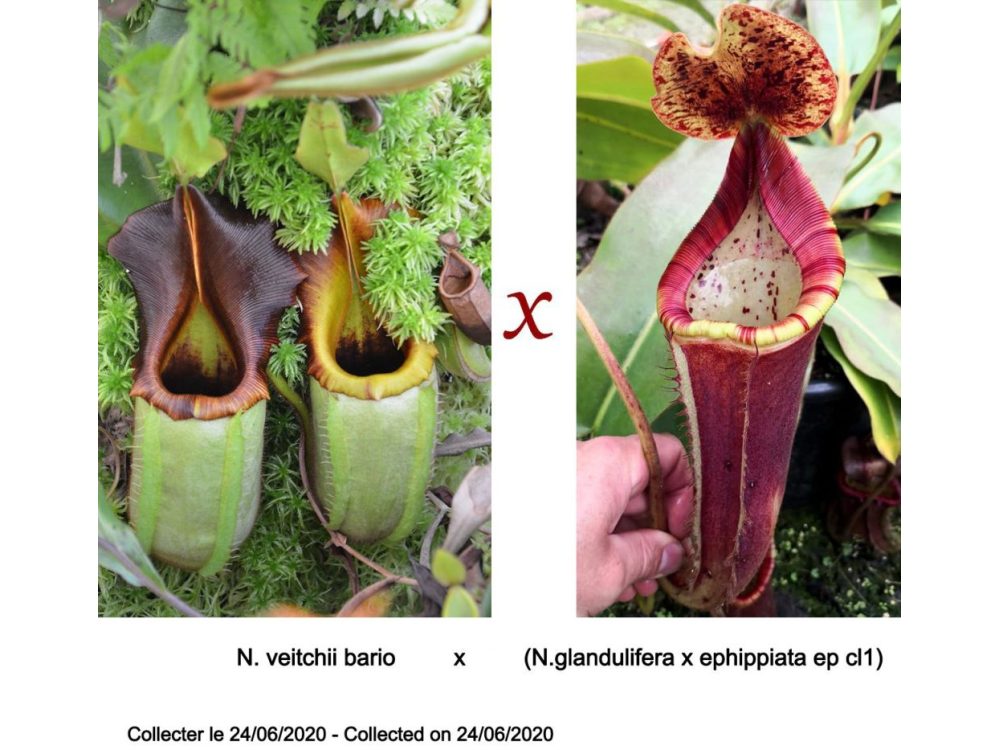
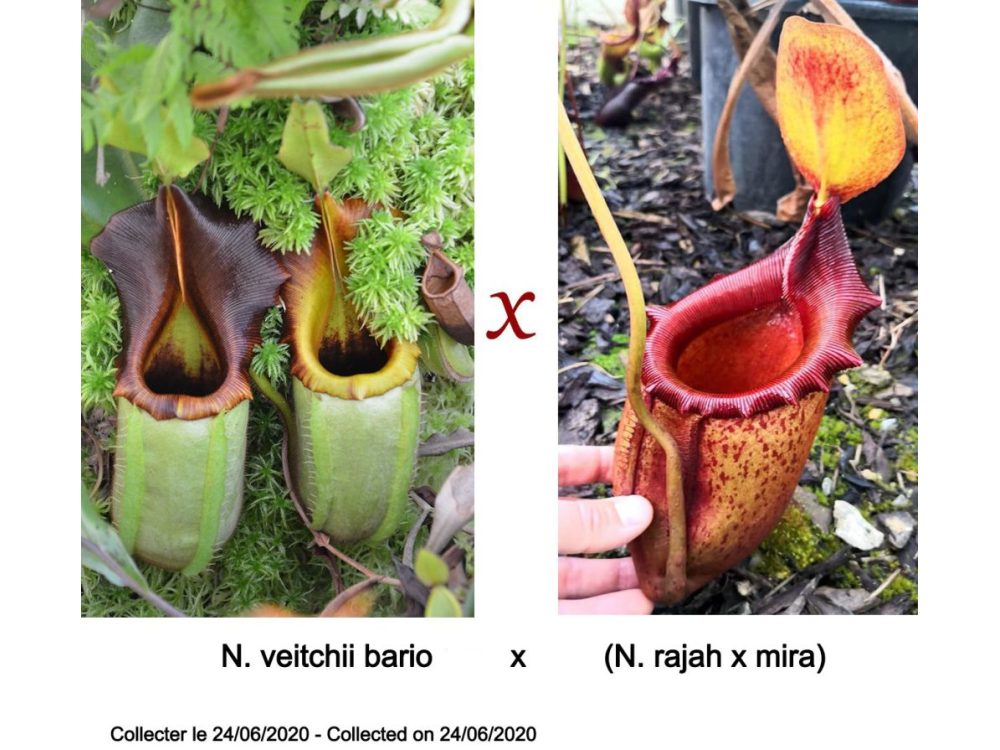
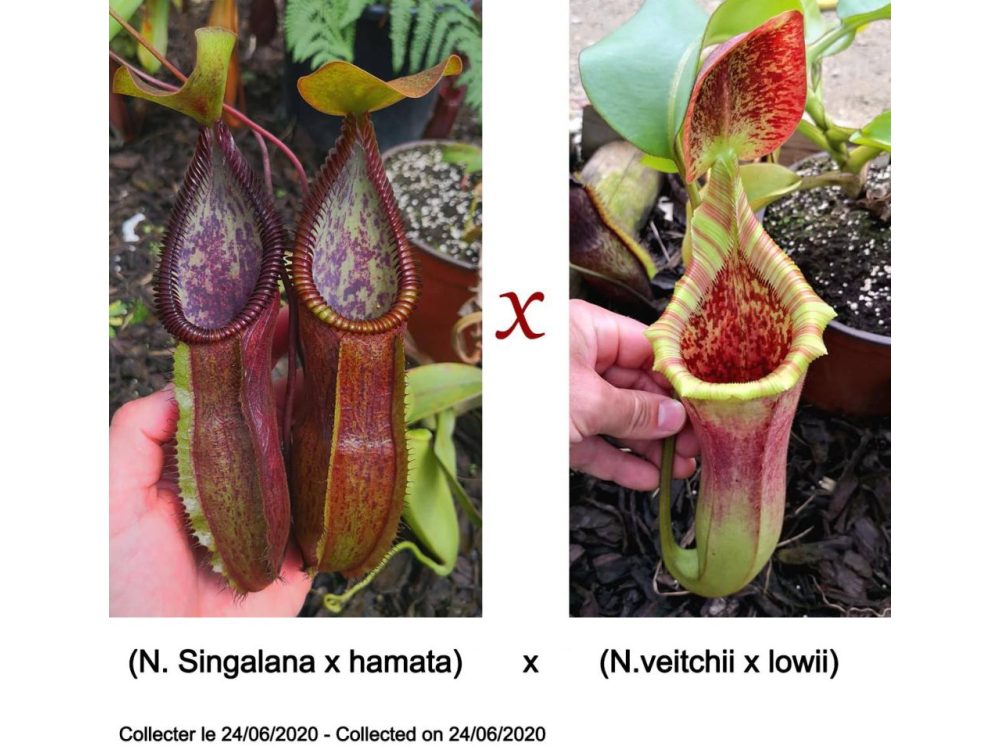
In June 2020, I harvested four new crosses, offered as seeds straight away.
Sowing and germinating
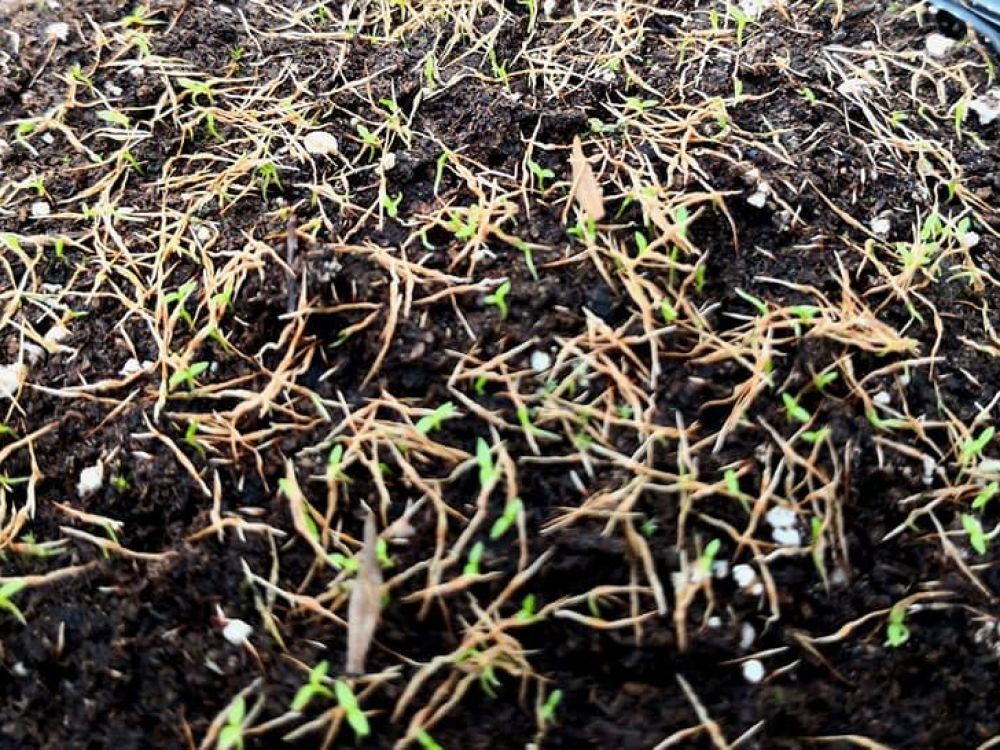
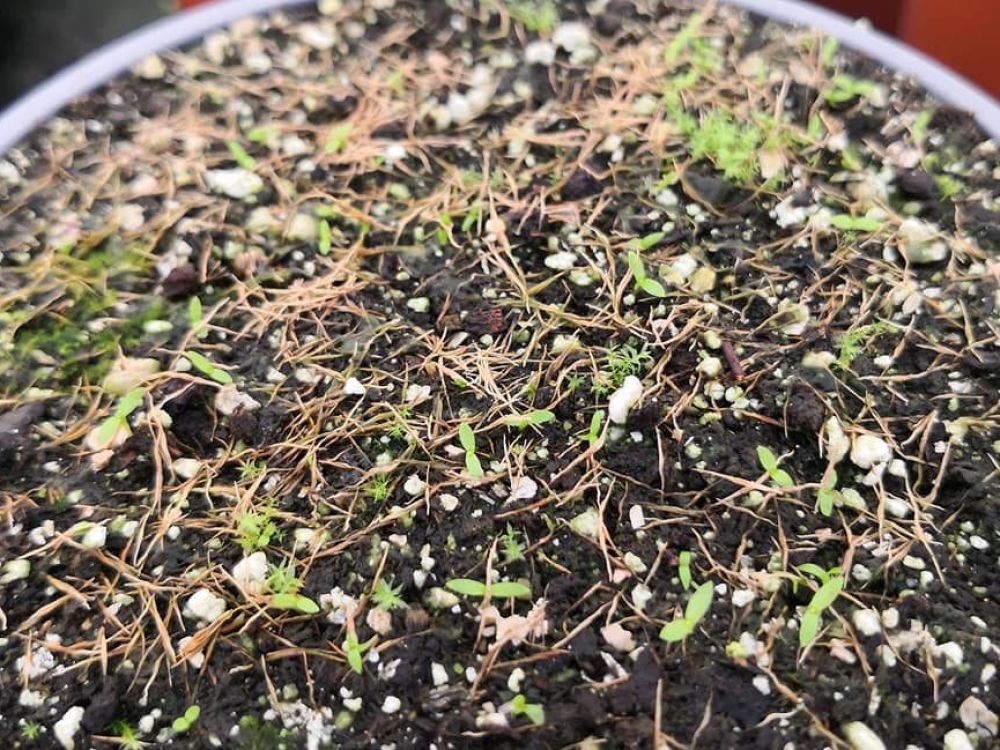
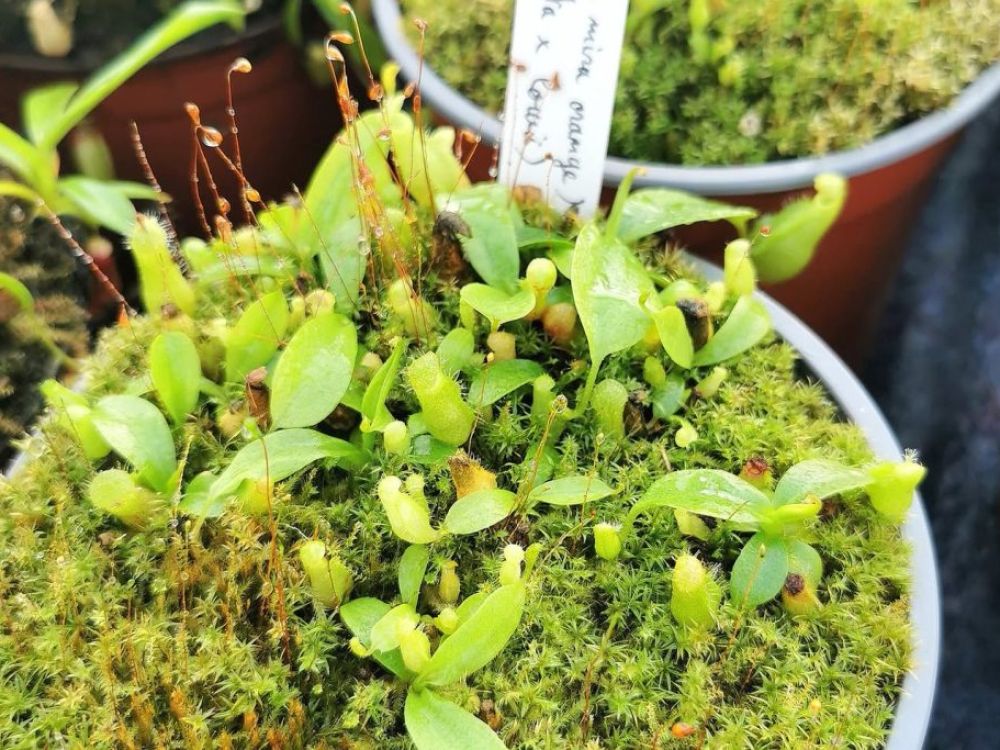
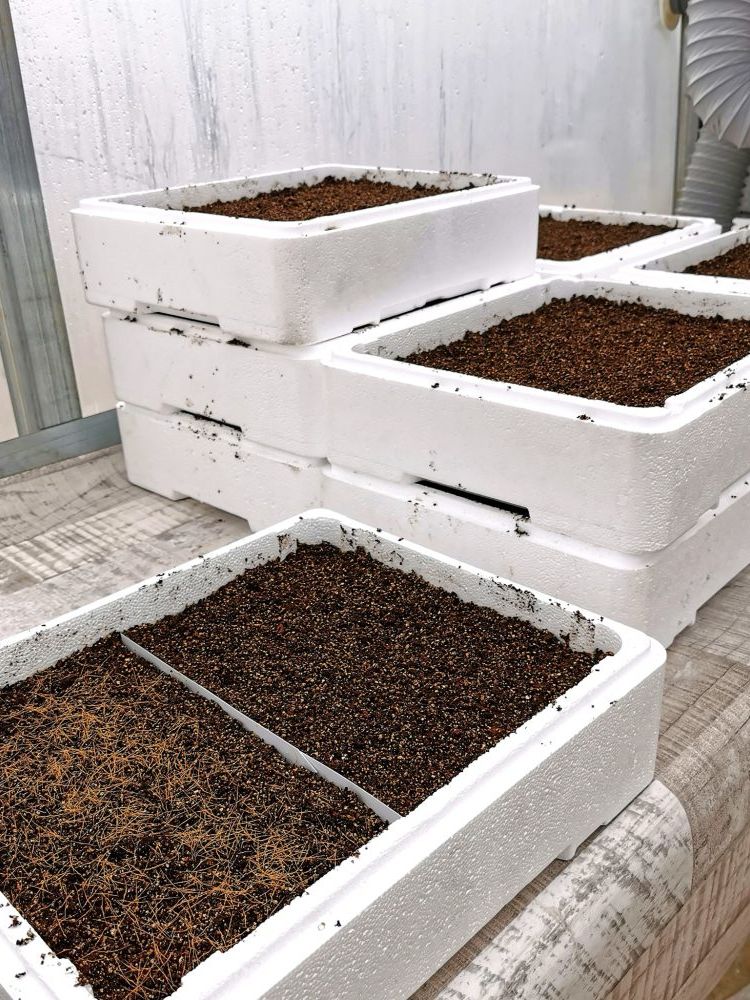
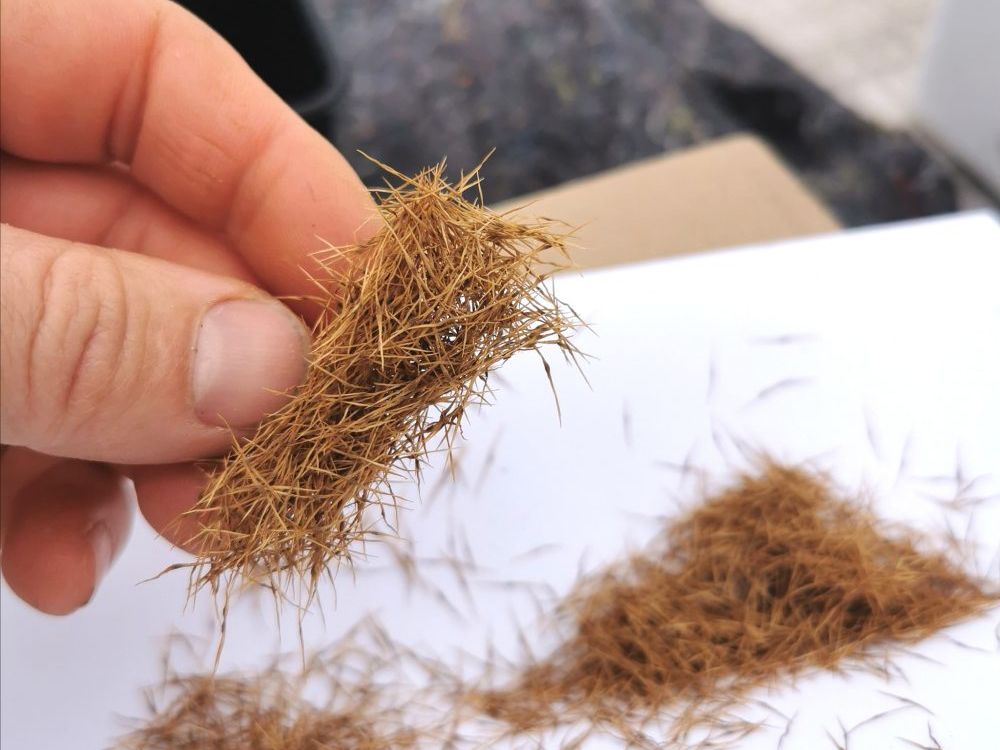
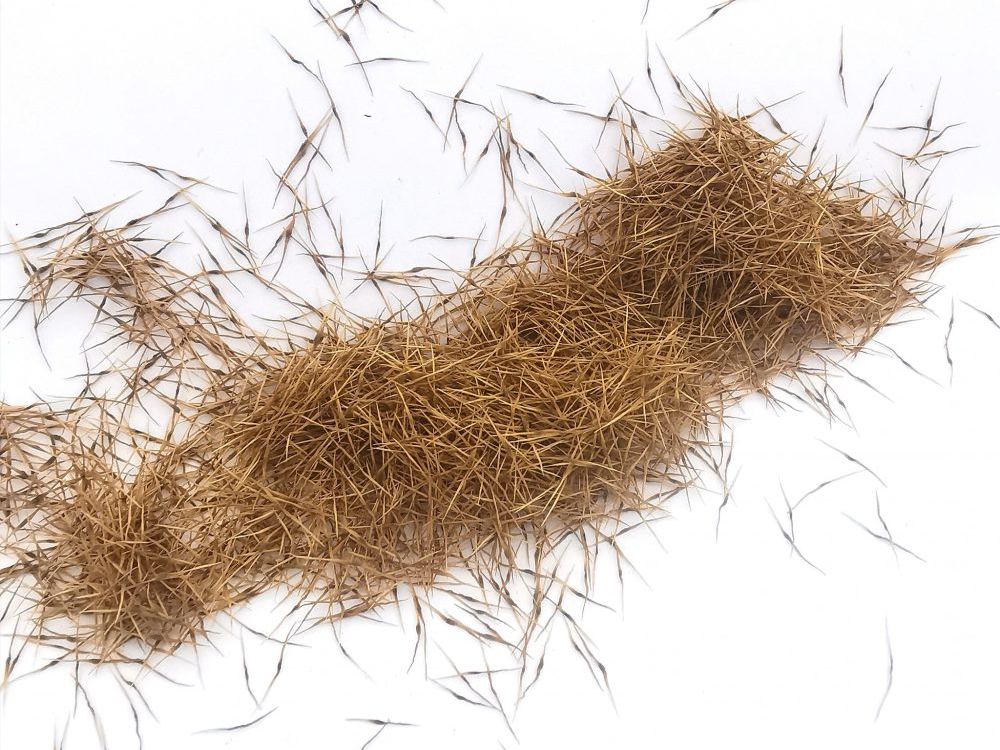
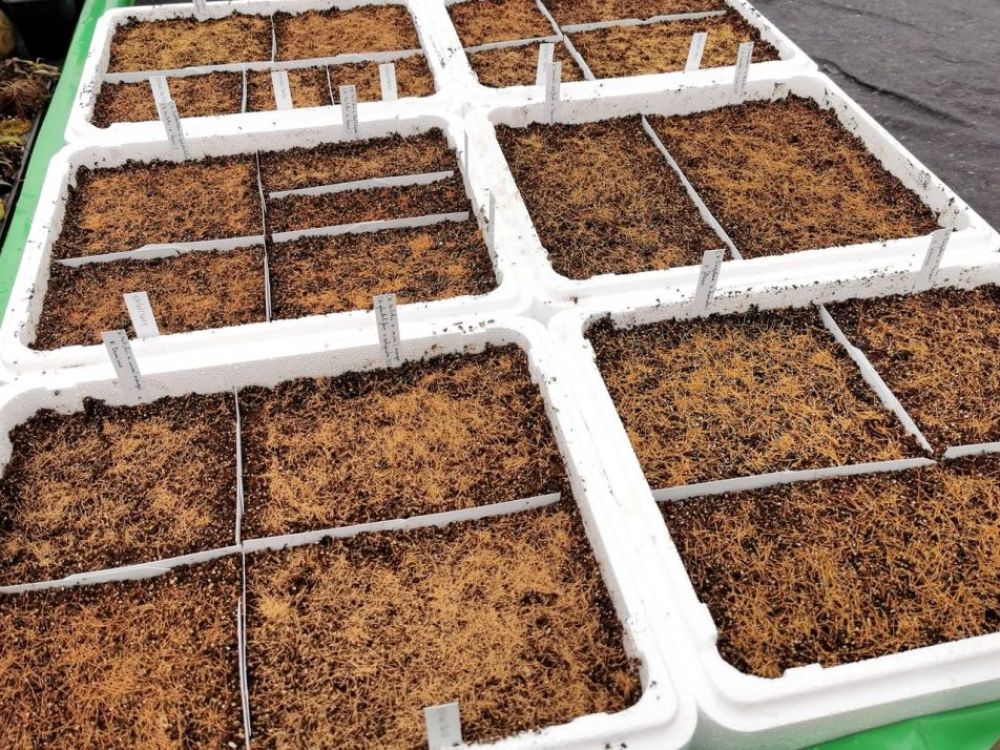
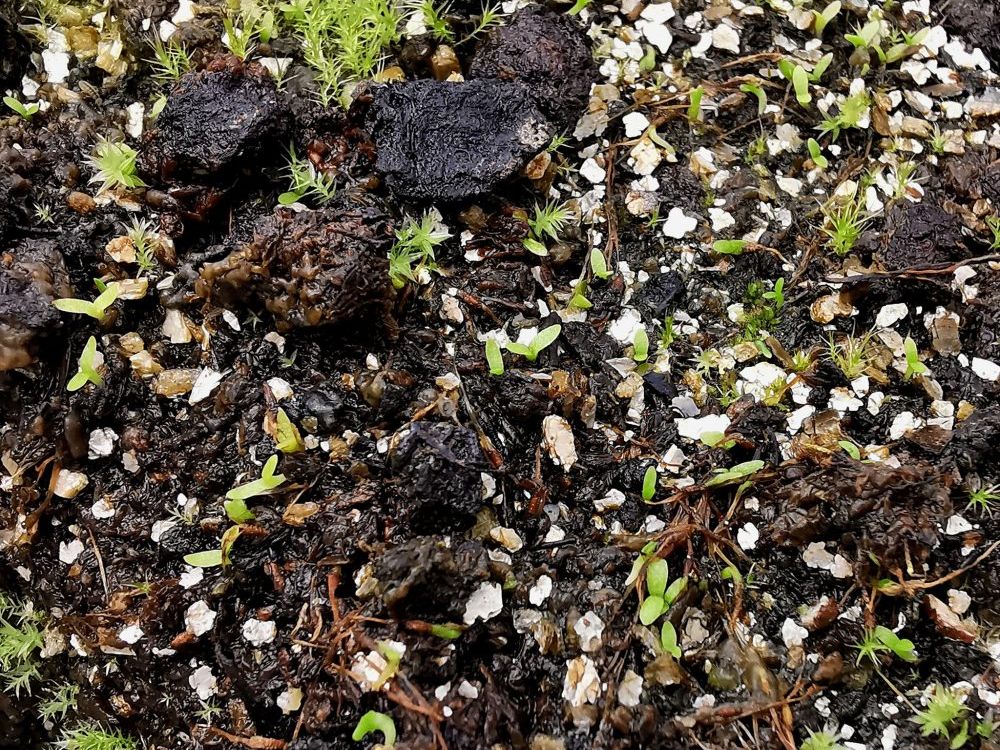
Nepenthes seeds stay able to germinate for a long time: in 2019, a sowing came up from seeds more than two years old, sown in September. For sowing, I built dedicated terrariums: the first one, made especially for Nepenthes seedlings, was finished in January 2021, and I sowed seeds from my own crosses in it, "made in France".
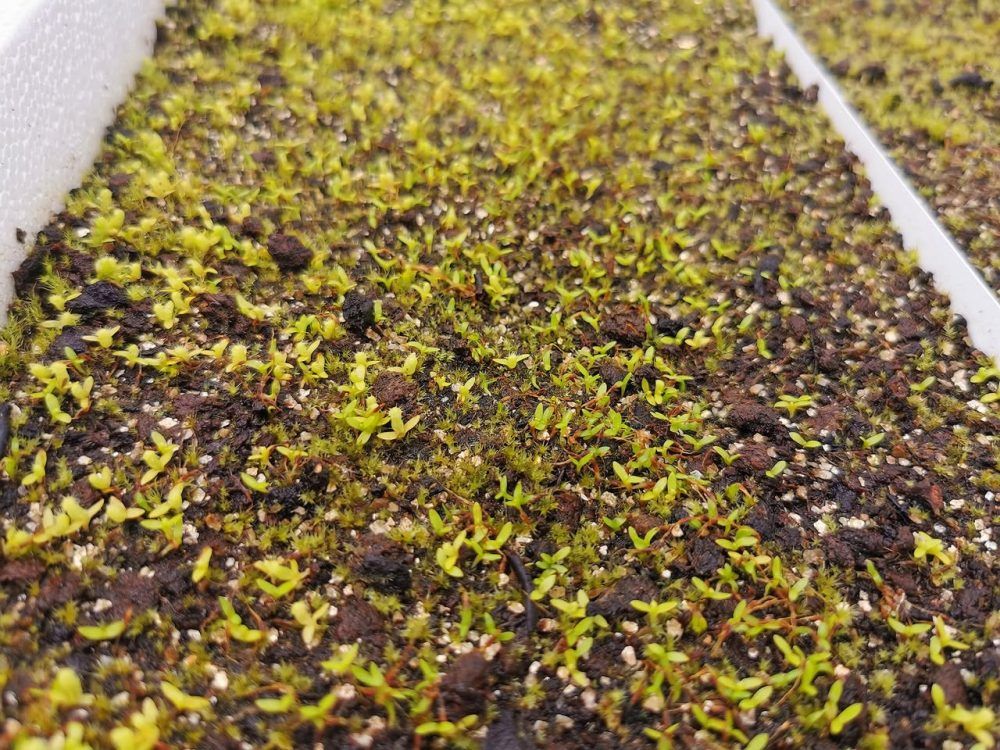
In May 2021, crossing Nepenthes became my new passion: pollination and germination were mastered, and all that remained was to improve the growth rate. Some crosses germinate particularly well, such as (veitchii x mira) yellow x flava in 2021. And N. bokorensis is really fast: my sowing of bokorensis x burbidgeae, made on 2 July 2023, had already germinated a month later.
Growing the young plants on
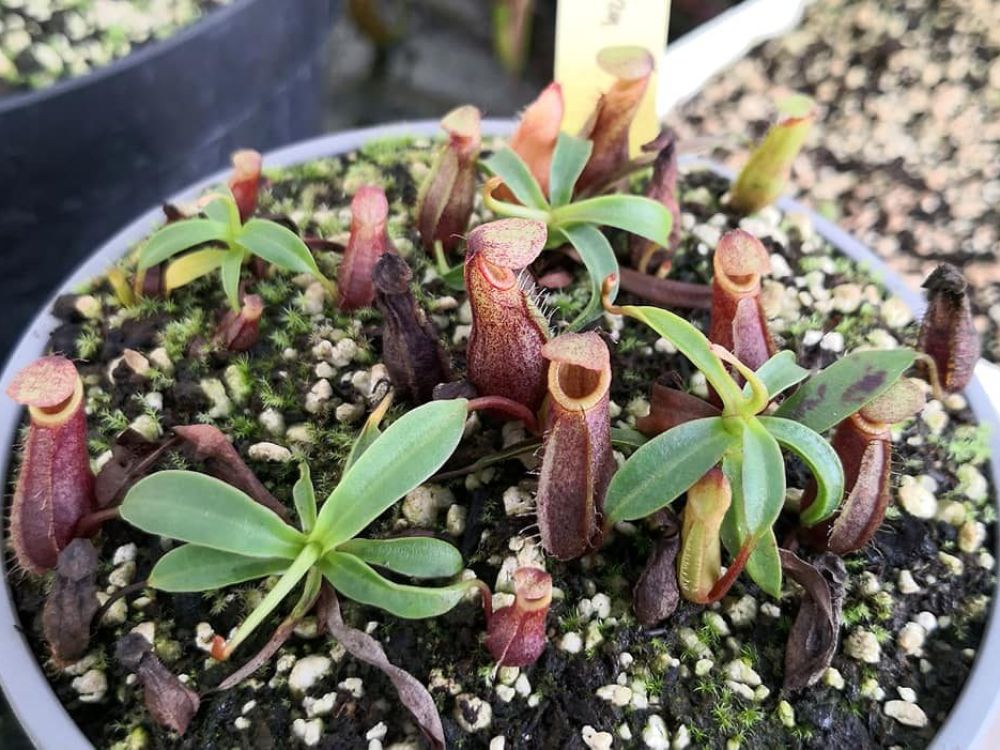
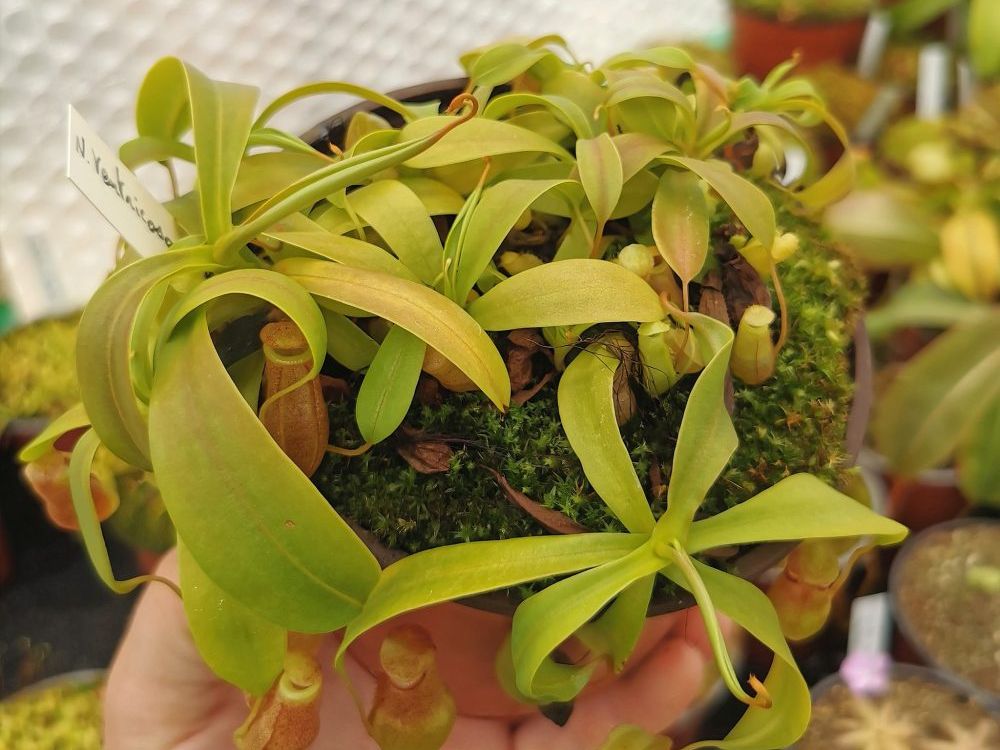
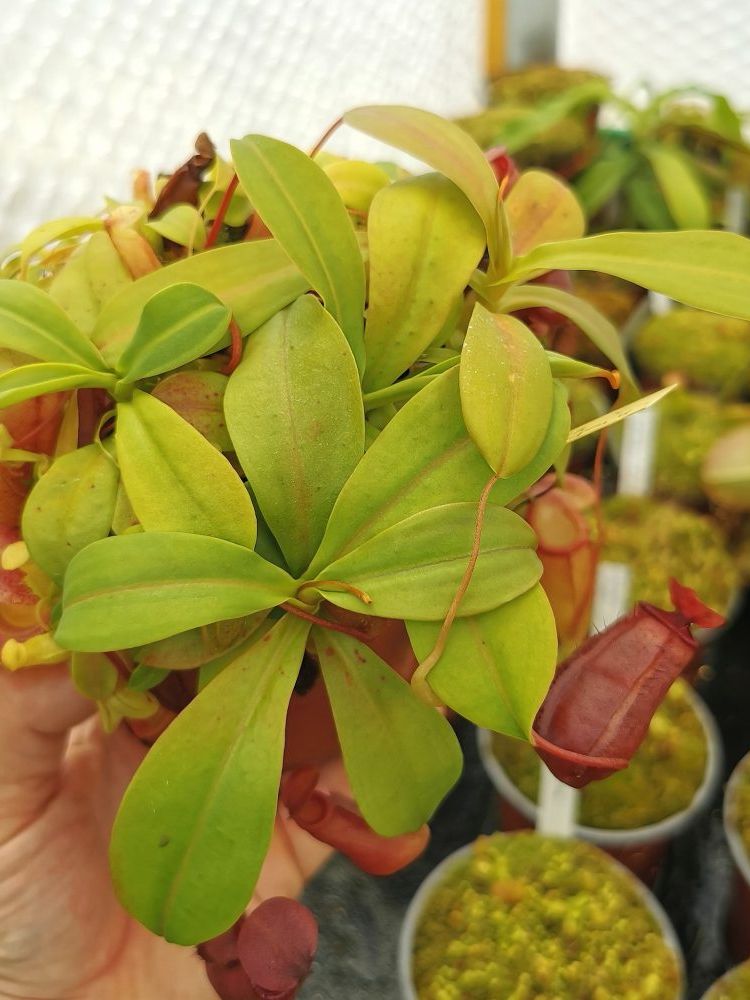
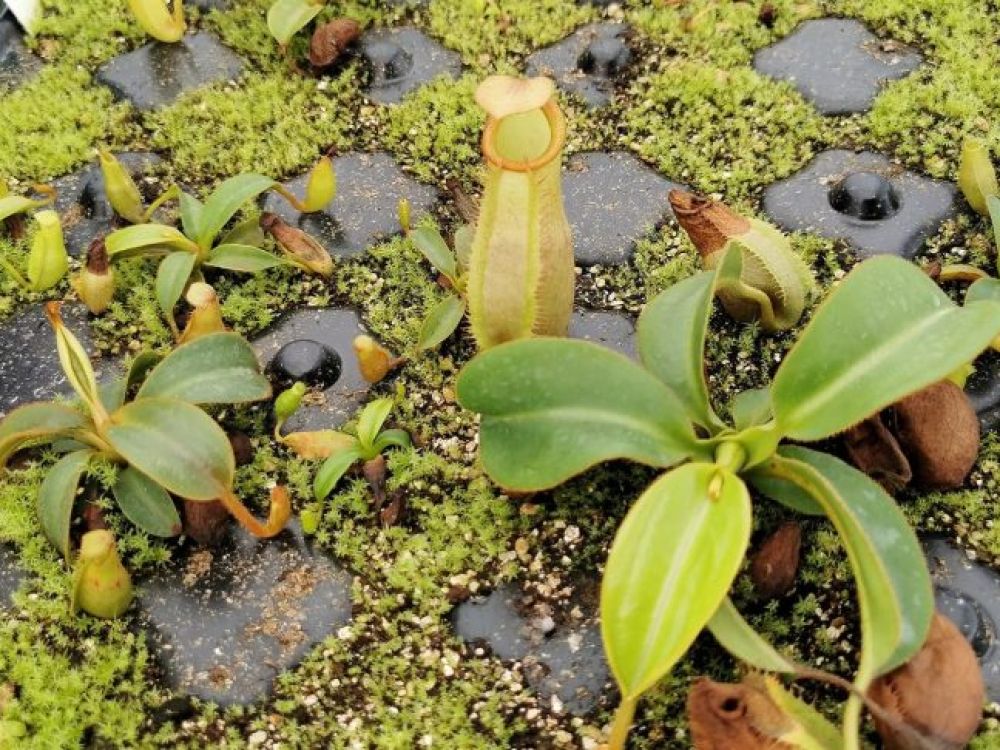
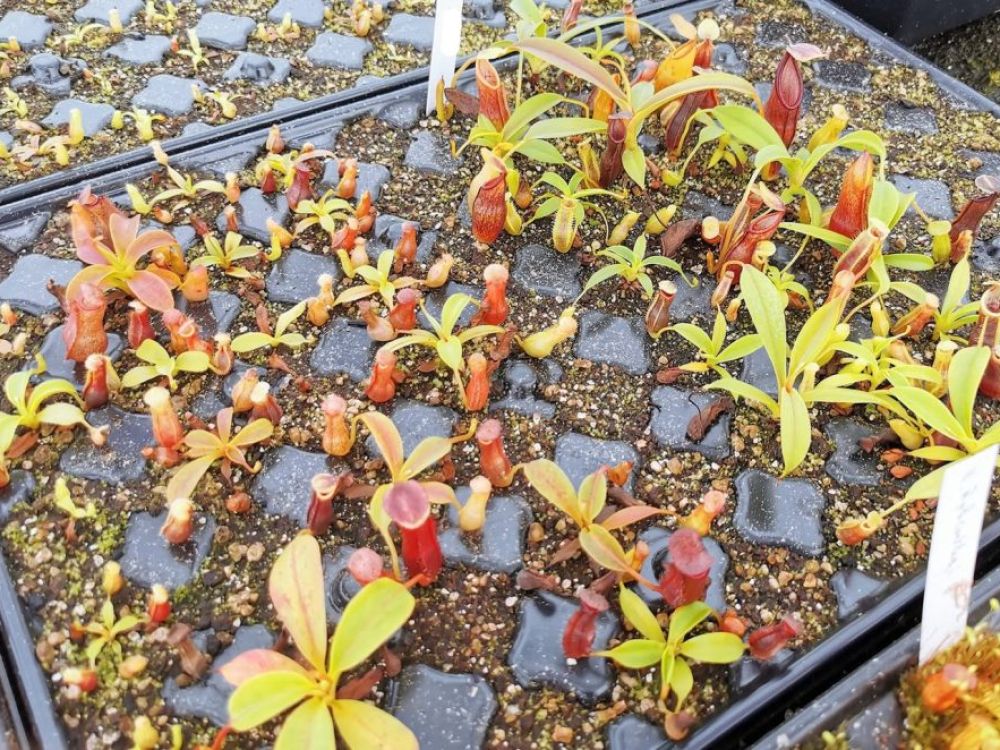
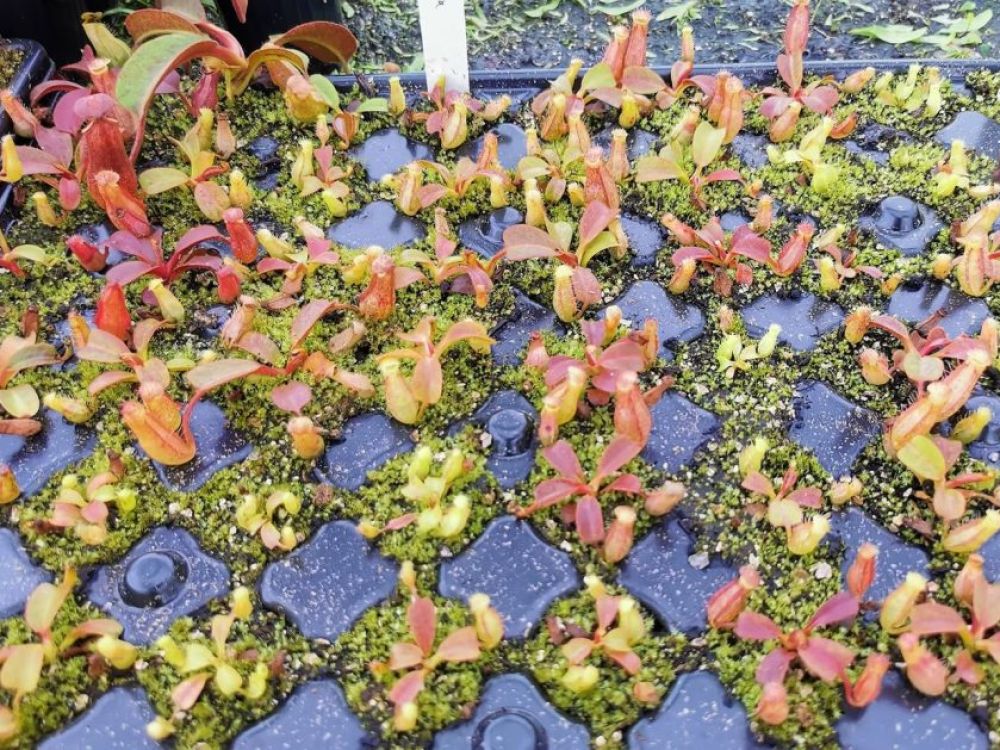
Then comes pricking out. In January 2023, I pricked out two-year-old seedlings that had never received any fertiliser, and others, pricked out in August, fed with Liquid Ocean. A raised bed was set aside for them. By June 2023, the work was starting to pay off: some crosses had grown really well since pricking out.
It takes patience: in March 2022, I repotted and selected my "made in Cédric" Nepenthes, grown from seeds sown about four years earlier. A small moment of pride.
Jamban x inermis, my common thread
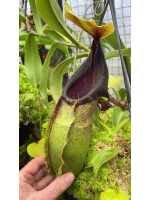
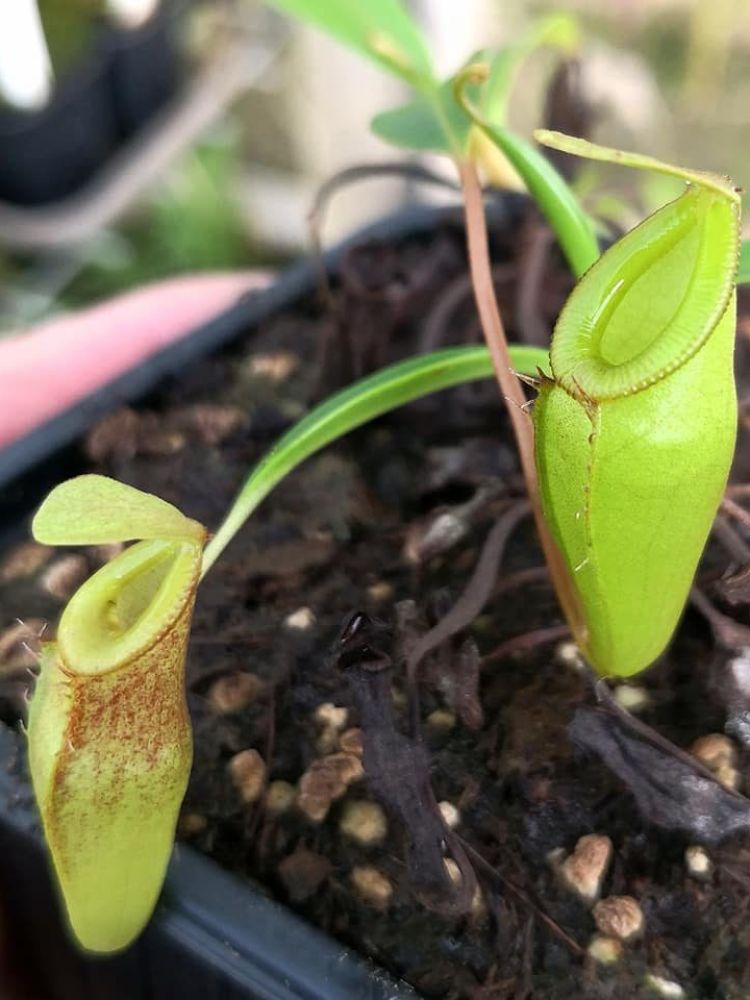
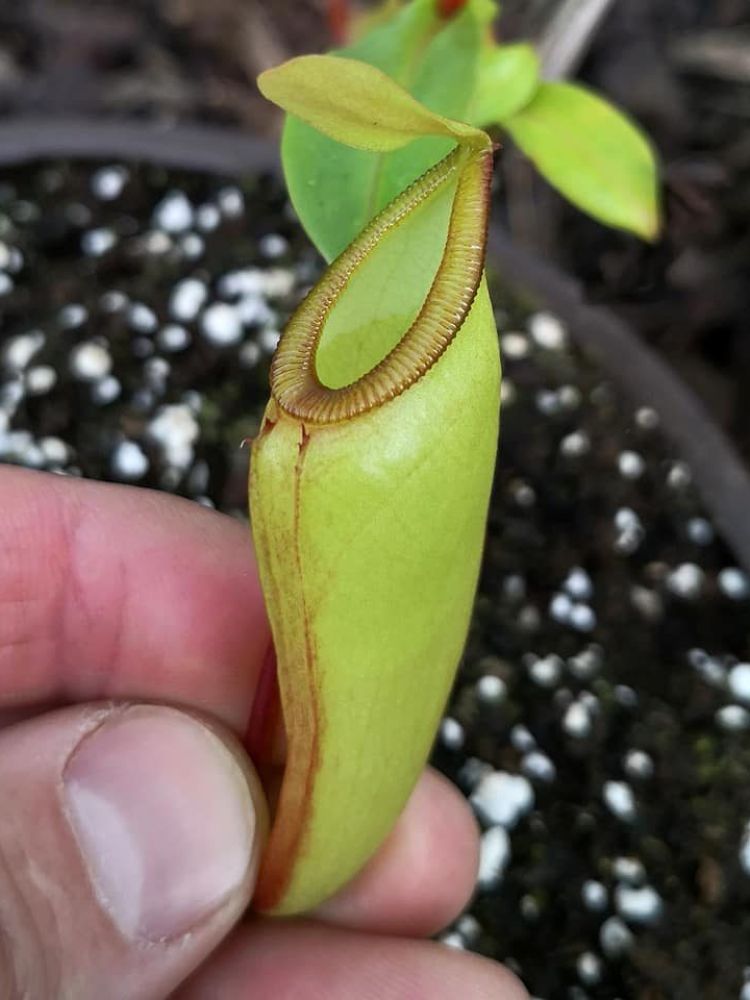
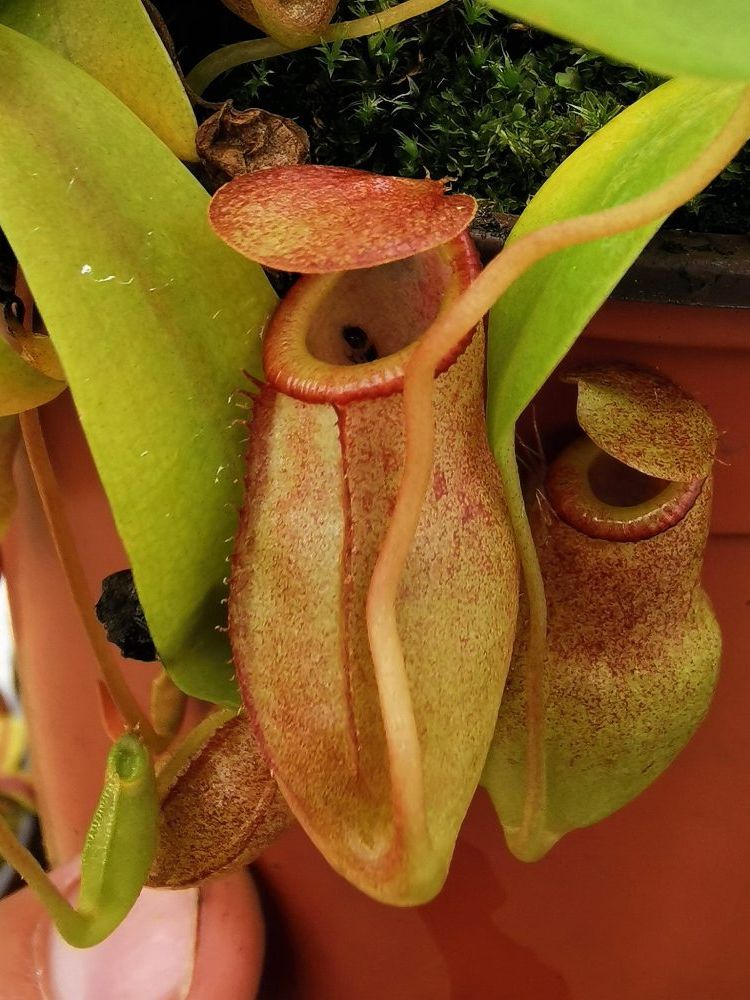
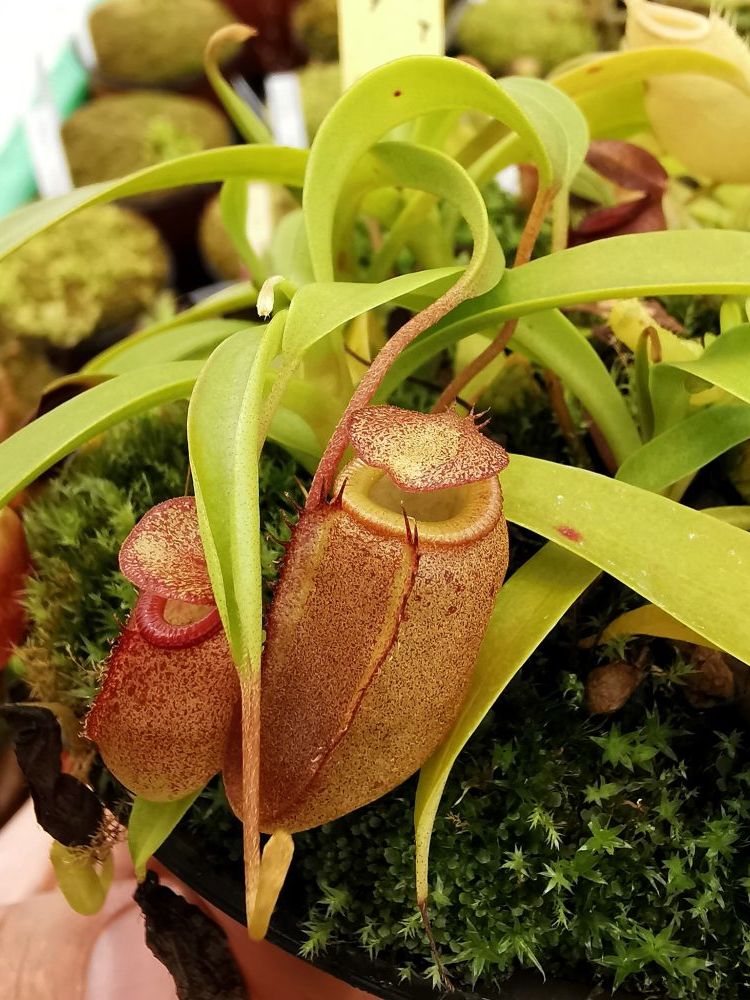
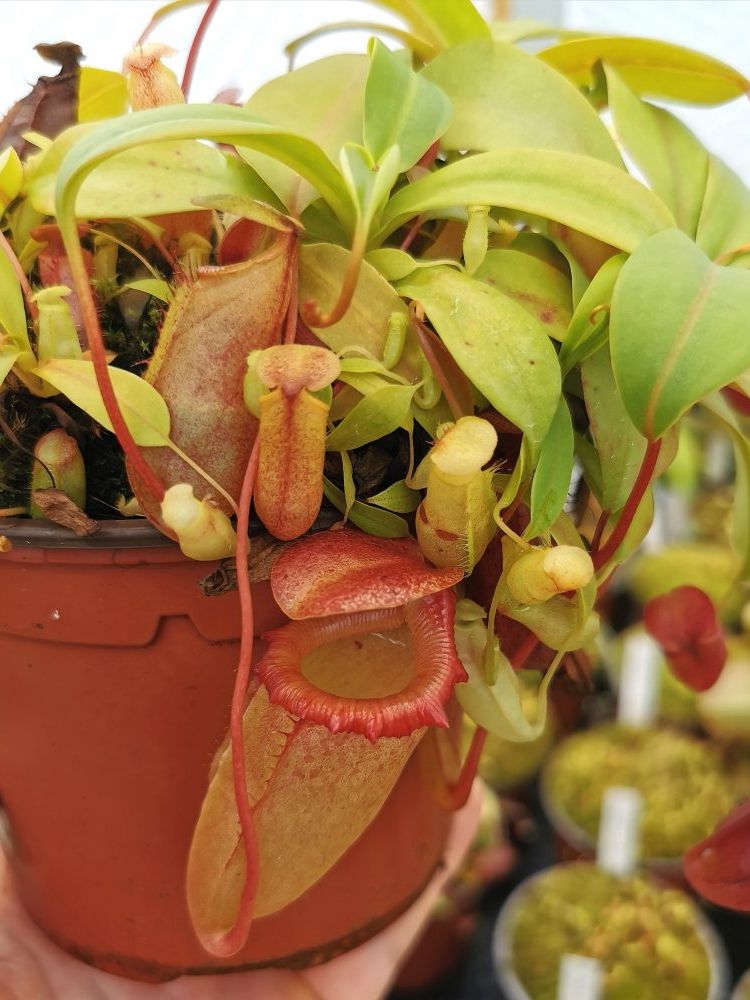
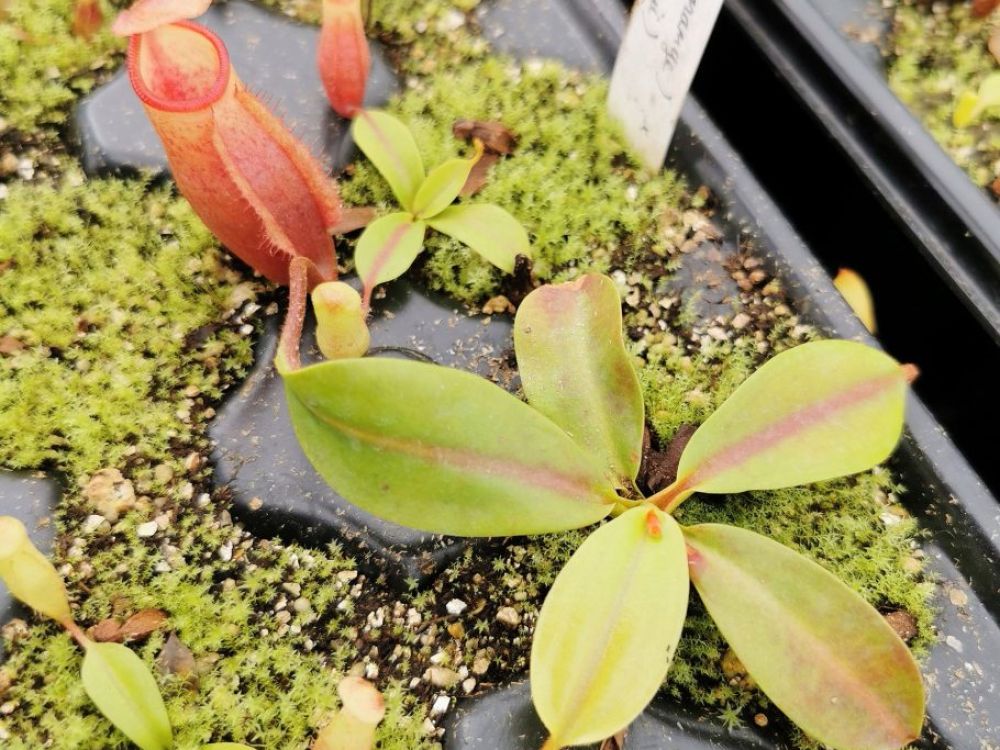
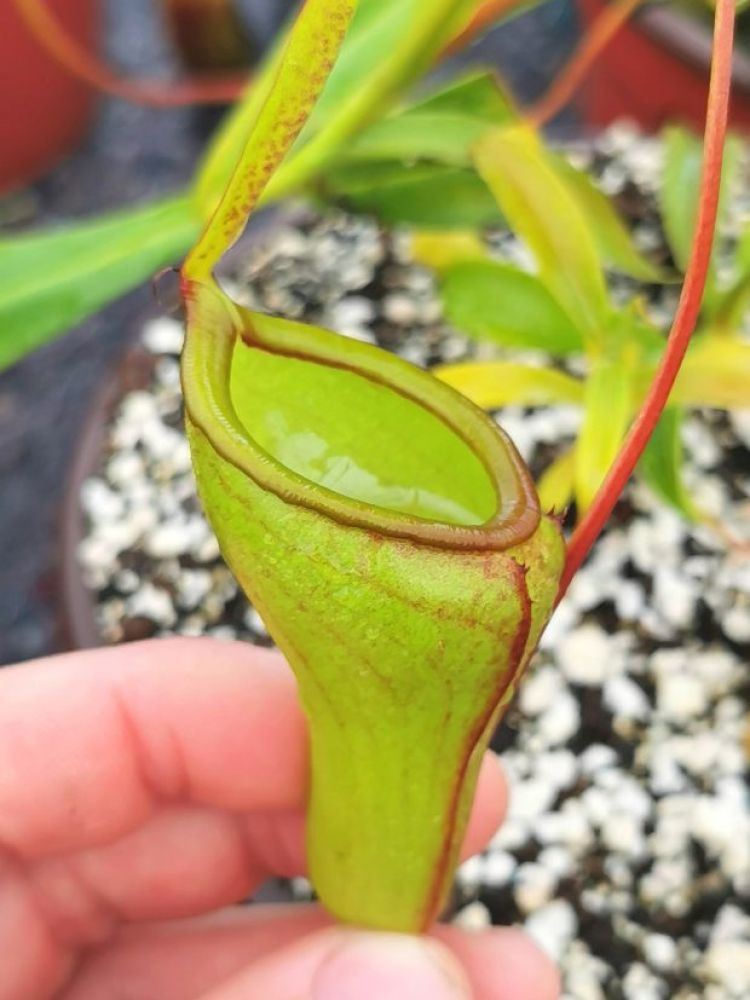
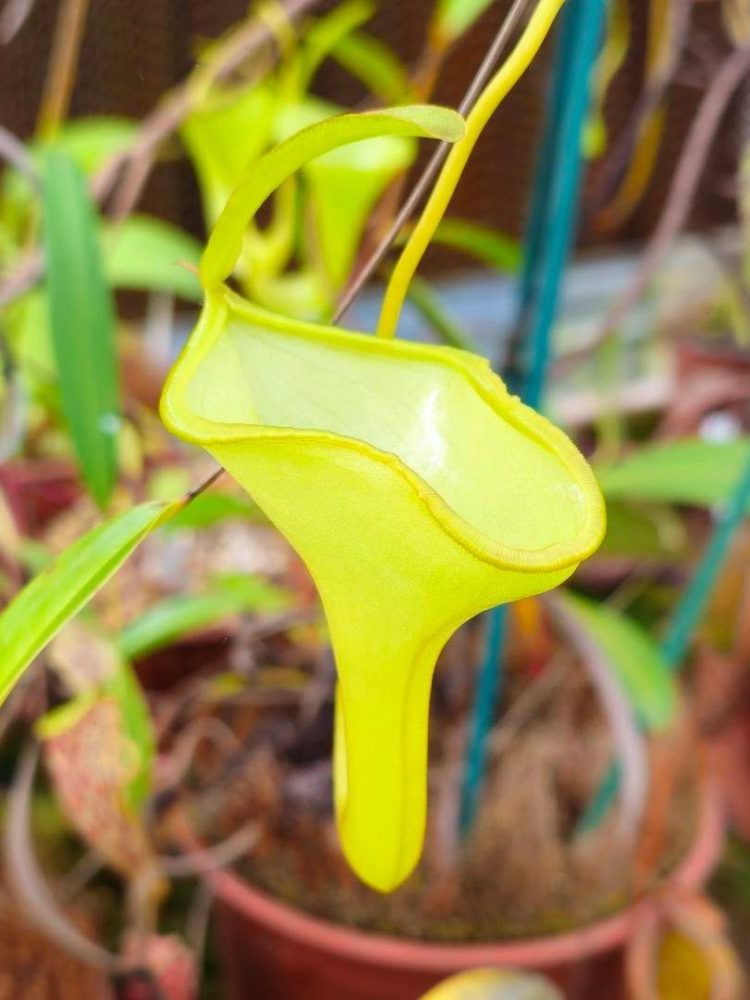
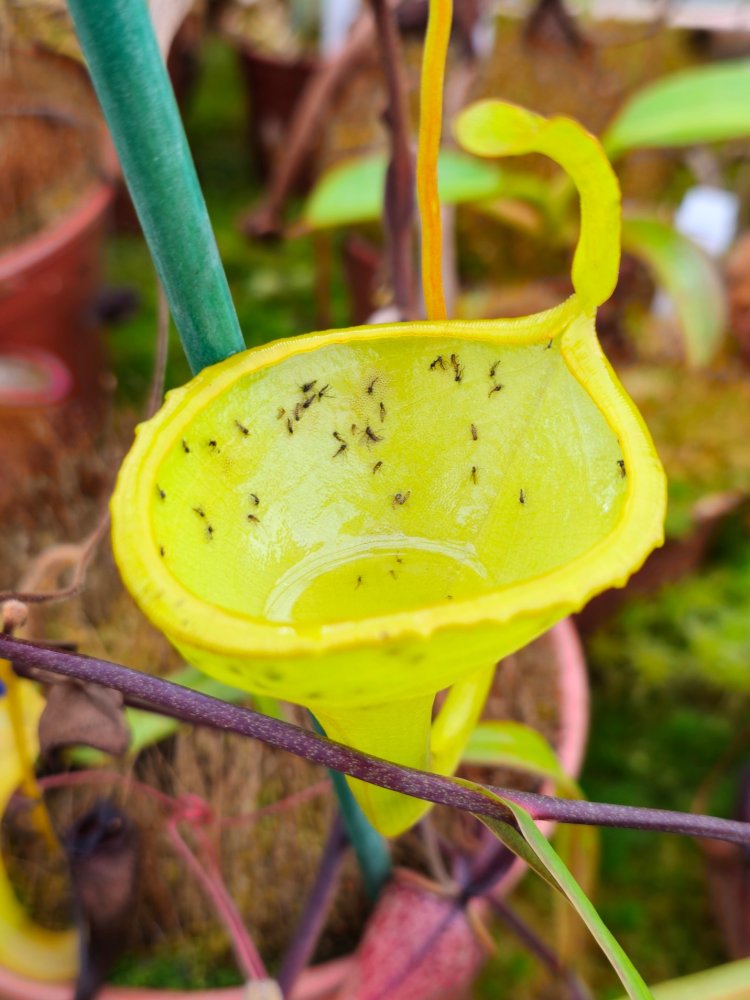
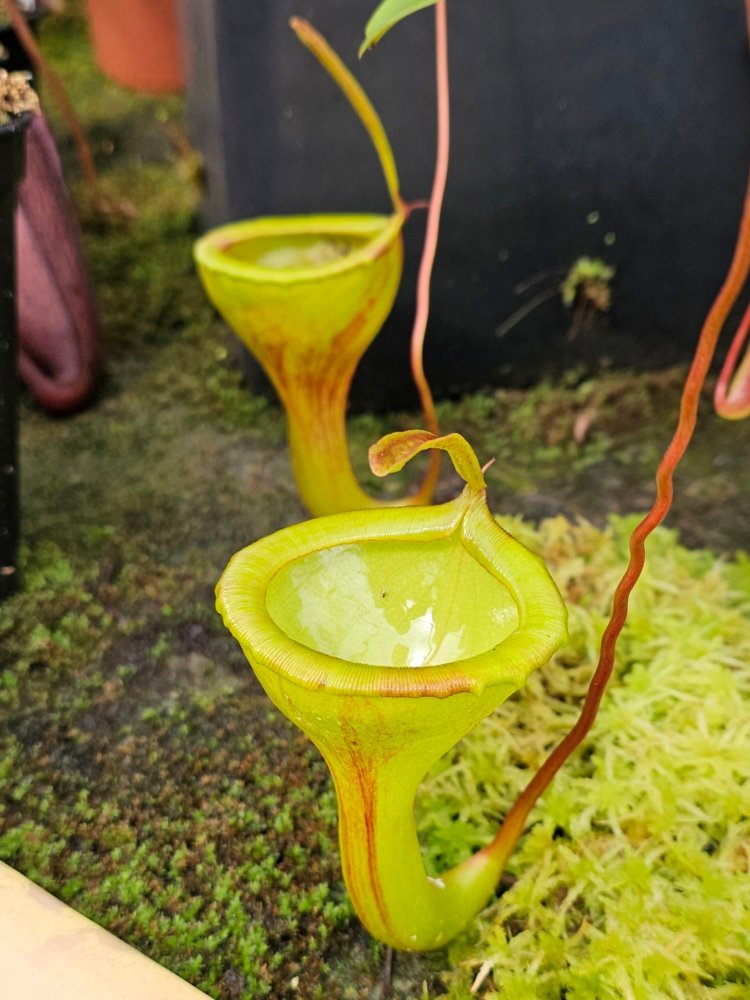
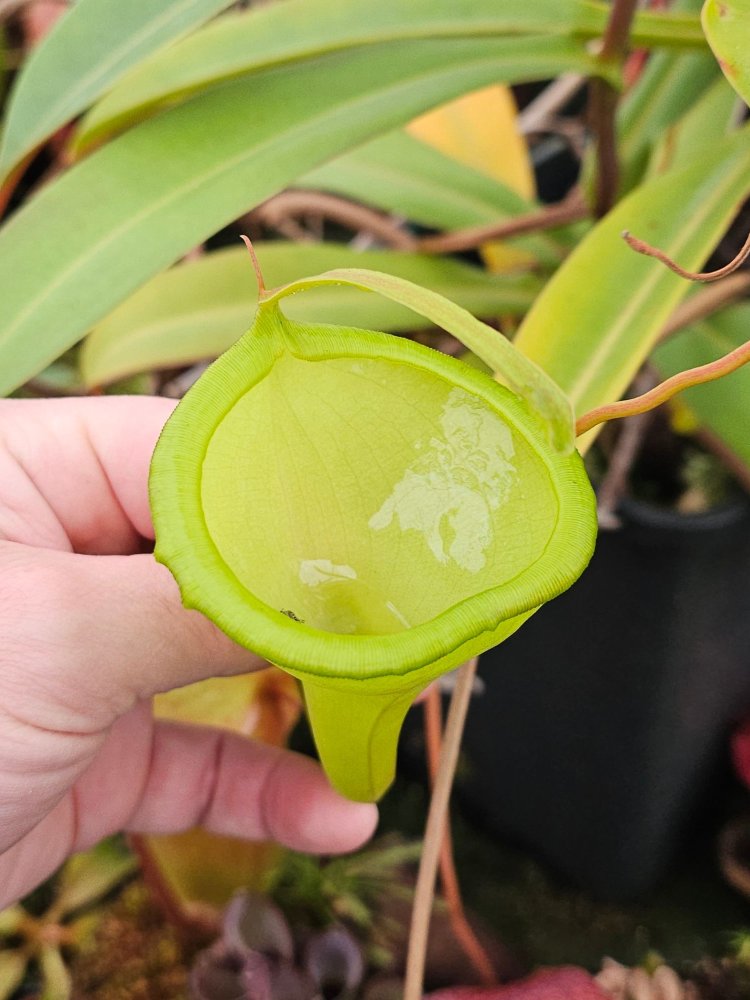
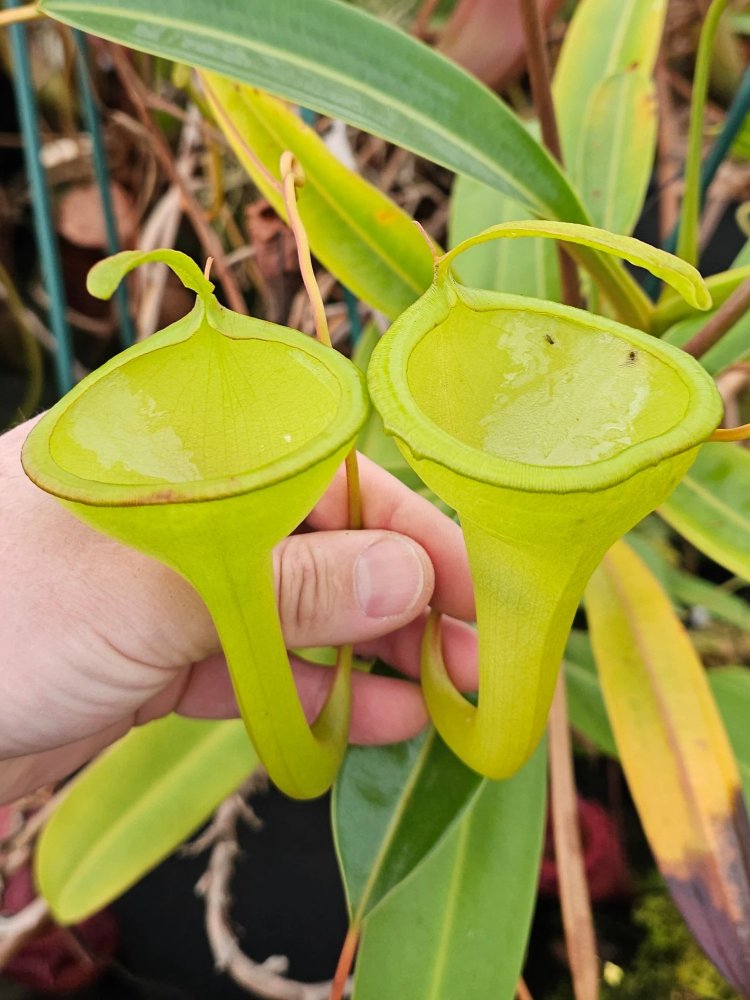
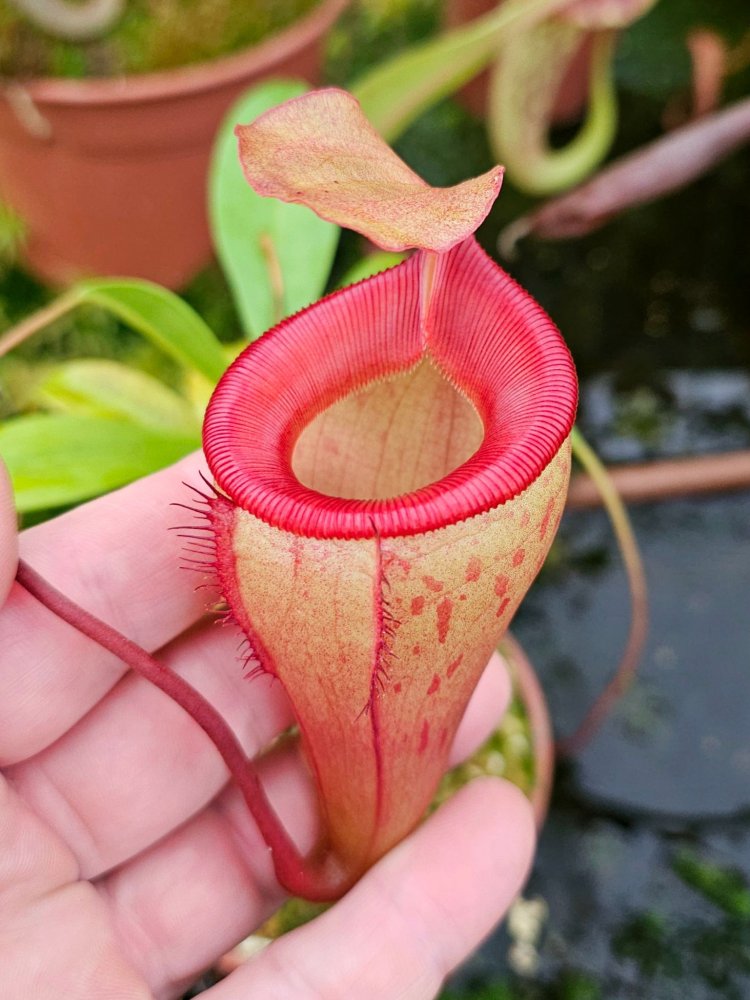
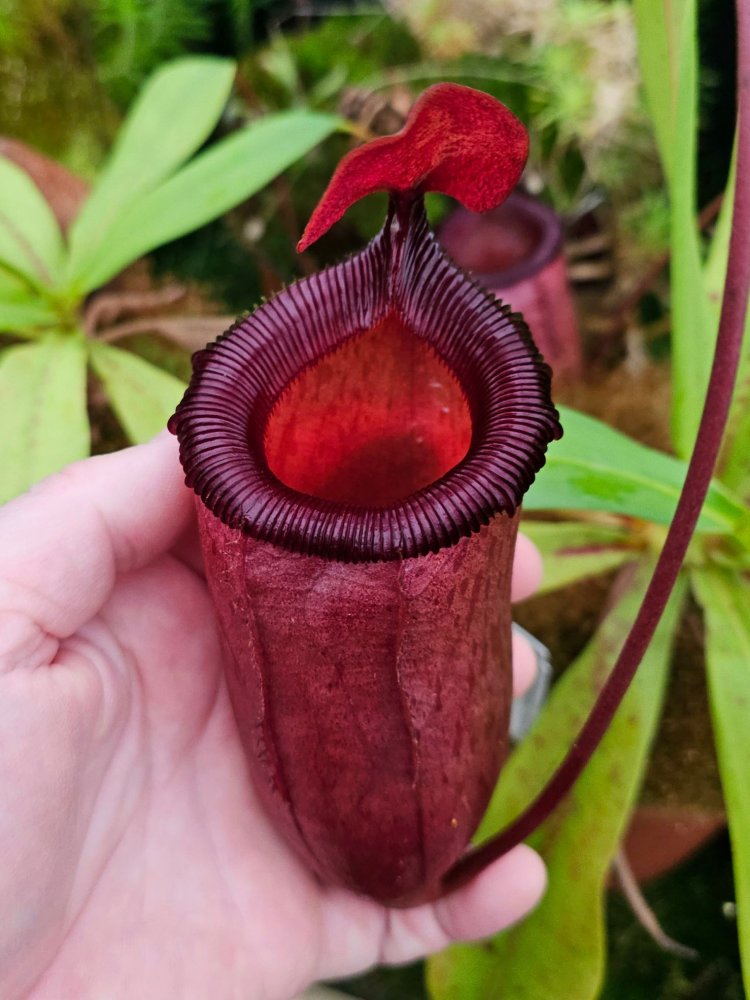
Among my crosses, there is one I have followed from the very start: N. jamban x inermis. In June 2021, it made its first intermediate pitcher, and I could not wait to see its upper pitchers. In April 2025, good news: it is a female. And in March 2026, the result exceeded all my expectations: a perfect shape, a real botanical gem. I am very proud of this hybrid.
A plant like this deserves an exceptional name. Any ideas? Write to us!
Find out more
Our seeds from crosses: Nepenthes seeds. For growing: our Nepenthes growing guide. And for Sarracenia: our Sarracenia cultivars and pollinating Sarracenia step by step.
An idea for a name for our jamban x inermis?
✉ Write to us© 2026 Cédric Carnivores - Carnivorous plant nursery since 2012
Share this article:





Similar posts

Our open days: from the first ones to Carnivora
Since the 2000s, our open days have brought enthusiasts together. In 2026 they became Carnivora: programme, prize draws and photos.

Cédric's book: “Les sarracenia en images”
30 years of growing Sarracenia told in photos: what Cédric's upcoming book contains, and the blog articles already drawn from it.