
 Français
 Español
 Deutsch
 Italiano

On the trail of Drosophyllum in Andalusia


On the trail of Drosophyllum
Andalusia, August 2026
A discovery I had been waiting for for years: Drosophyllum lusitanicum in the wild. And what a wild place!
The story of Cédric's trip to Andalusia in August 2026 to discover Drosophyllum. To protect the plants, we give no precise location.
A plant like no other
The habitat of Drosophyllum is completely different from what we are used to with plants from boggy, acidic, waterlogged places. It is one of the few carnivorous plants of dry soils. It only grows in Portugal, south-west Spain and northern Morocco.
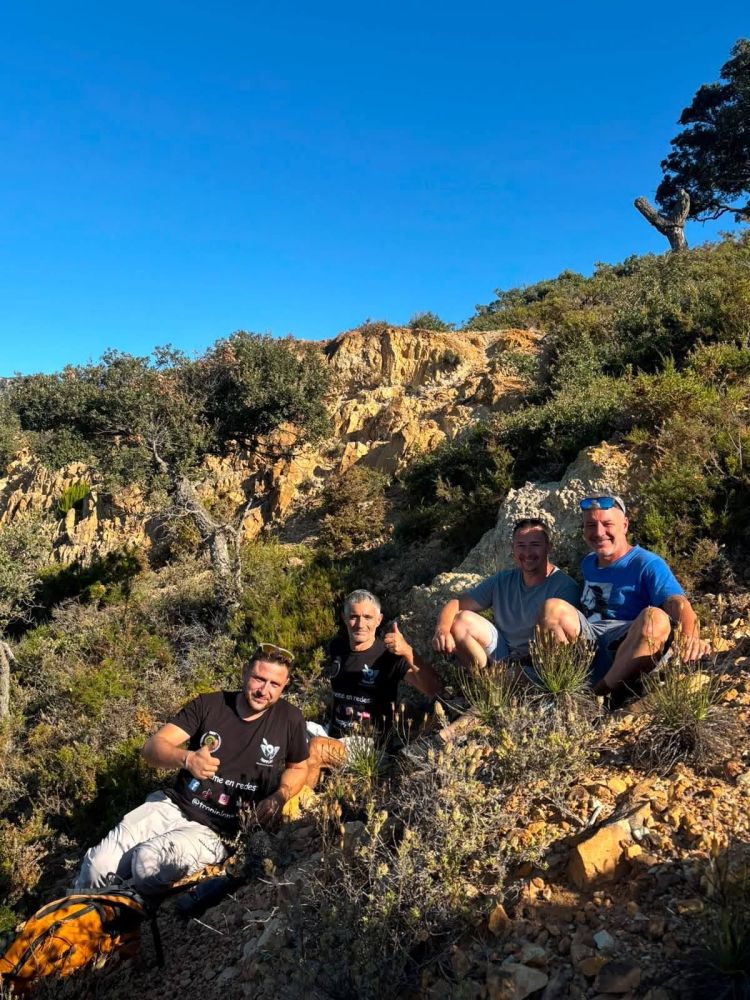
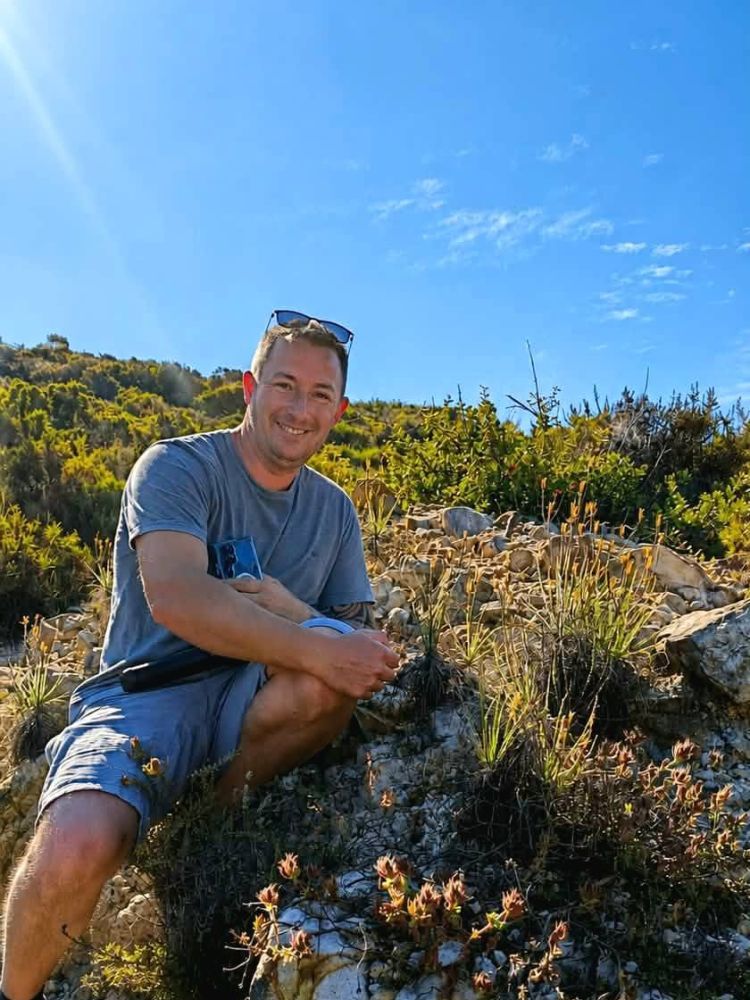
I owe this chance to a handful of Spanish enthusiasts, Enrique, Javi and Enzo, who showed me a few very secret sites. Now that I have seen this habitat for real, I can tell you that this plant is extremely rare, and I mean it!
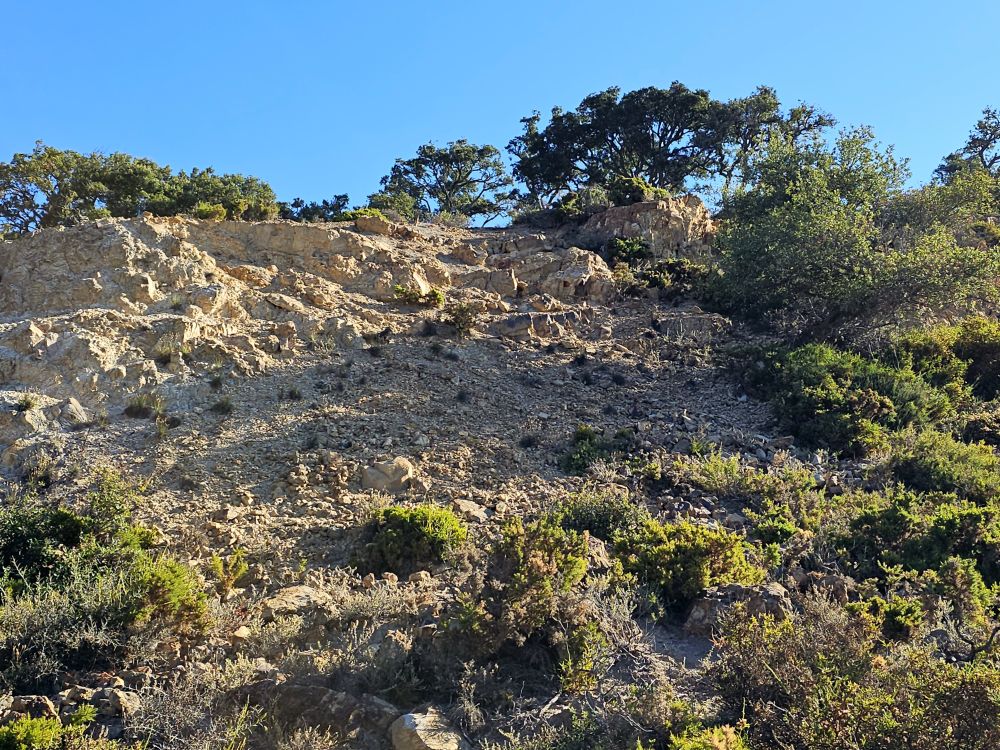
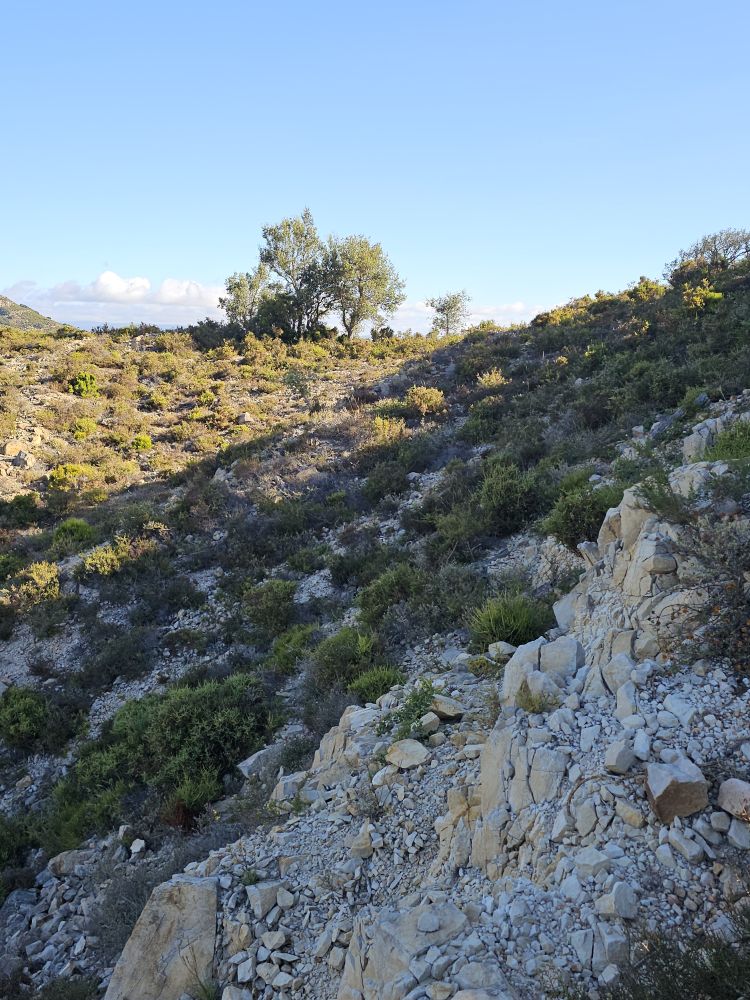
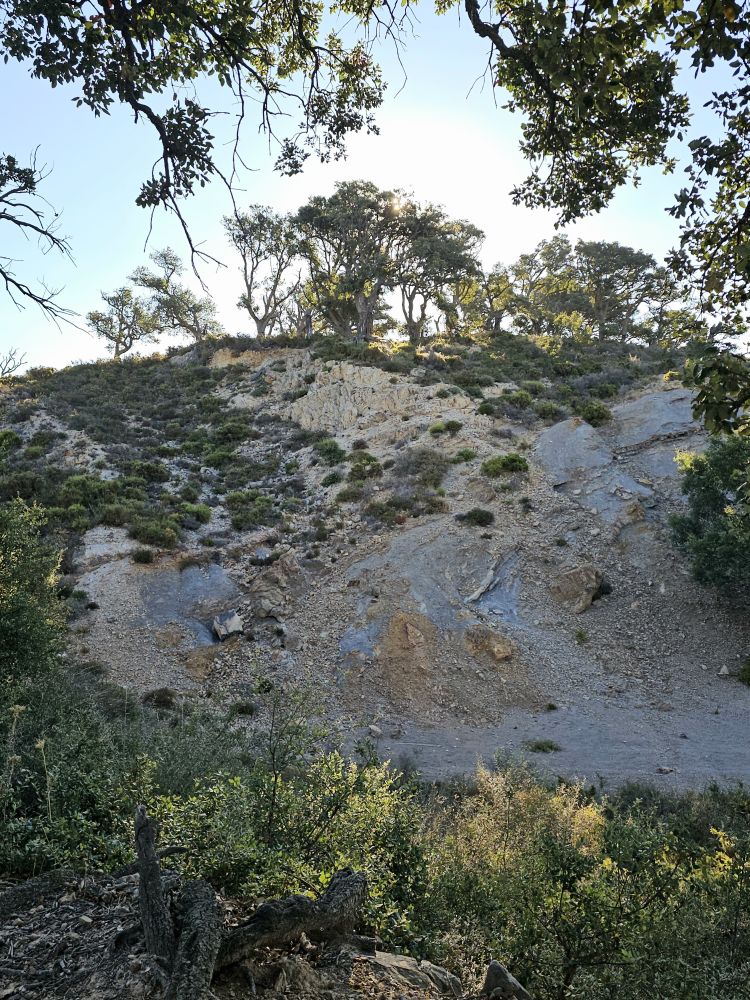
The soil: pure silica
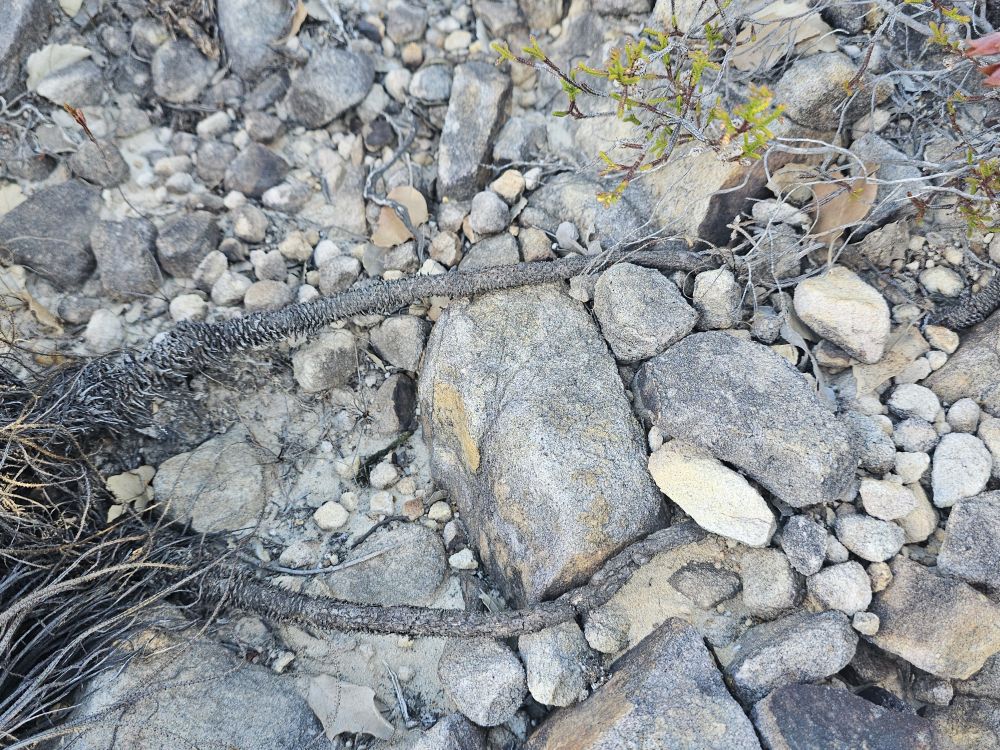
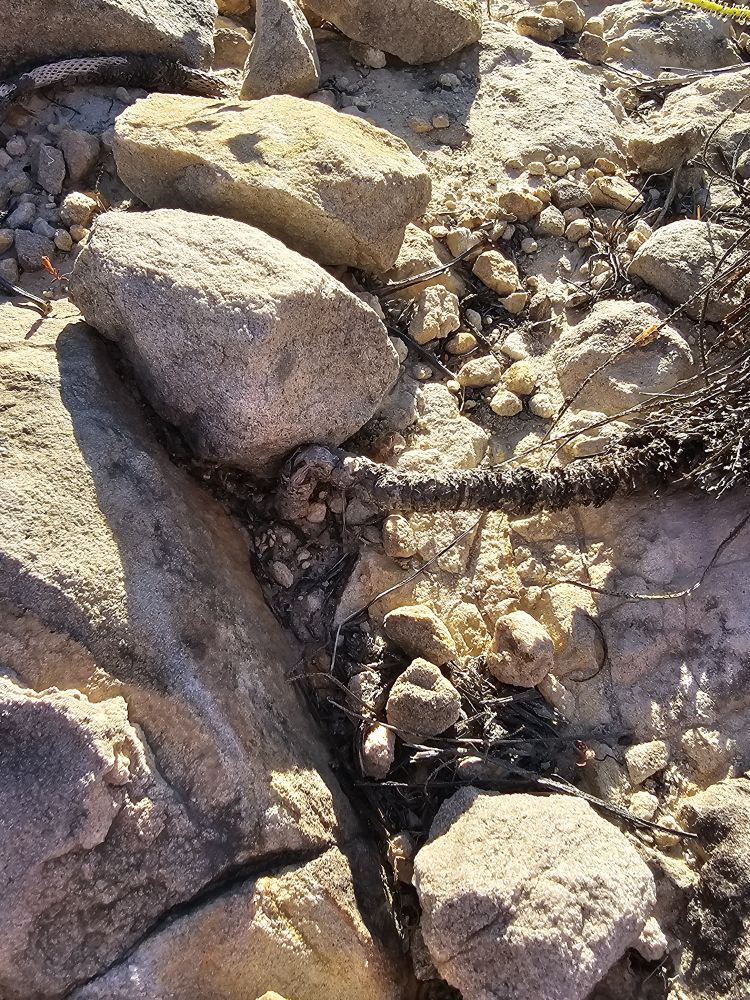
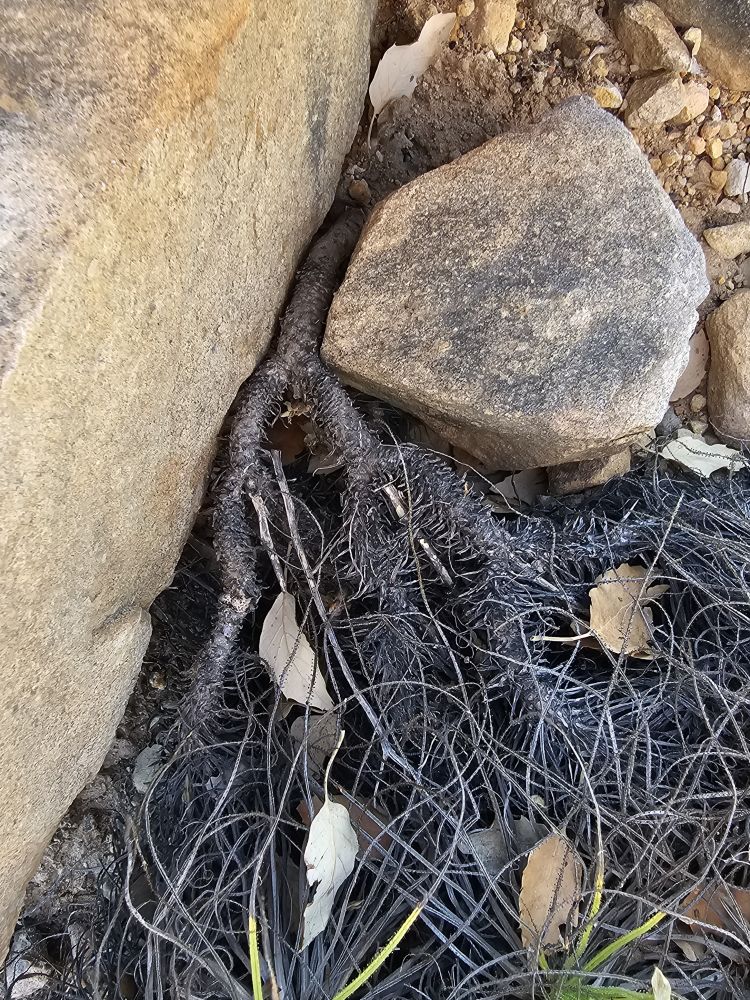
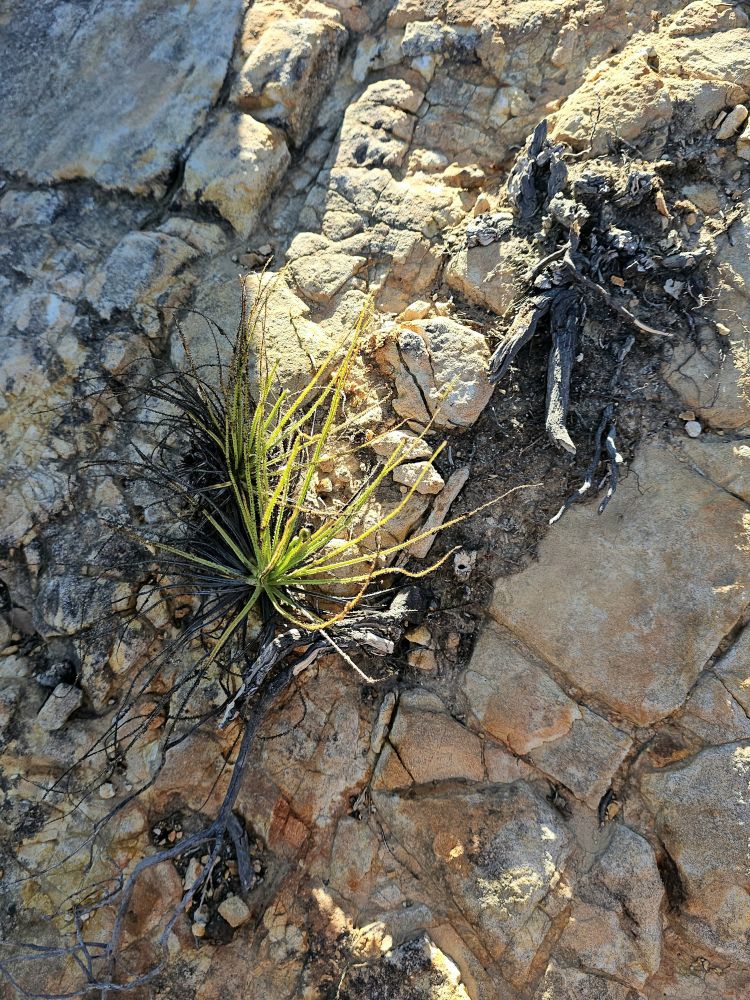
It grows in pure silica, at several stages of weathering: from hard rock to grains as fine as dust. The soil is bone-dry on the surface, but insulating enough to keep moisture and coolness deeper down.
The habitat: heather and scrub
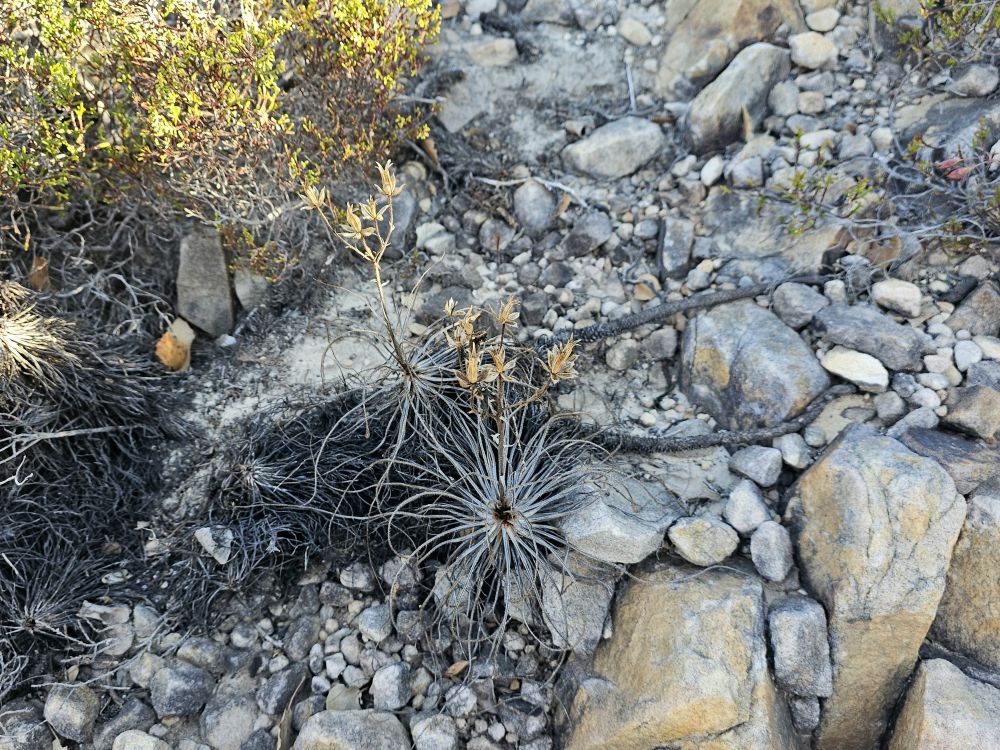
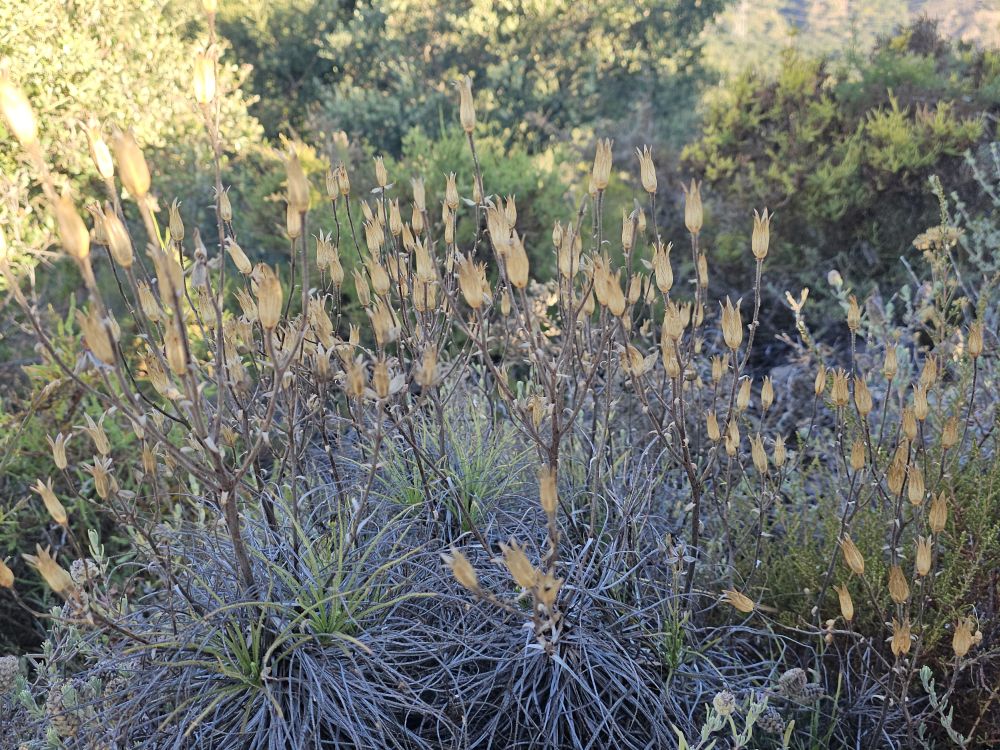
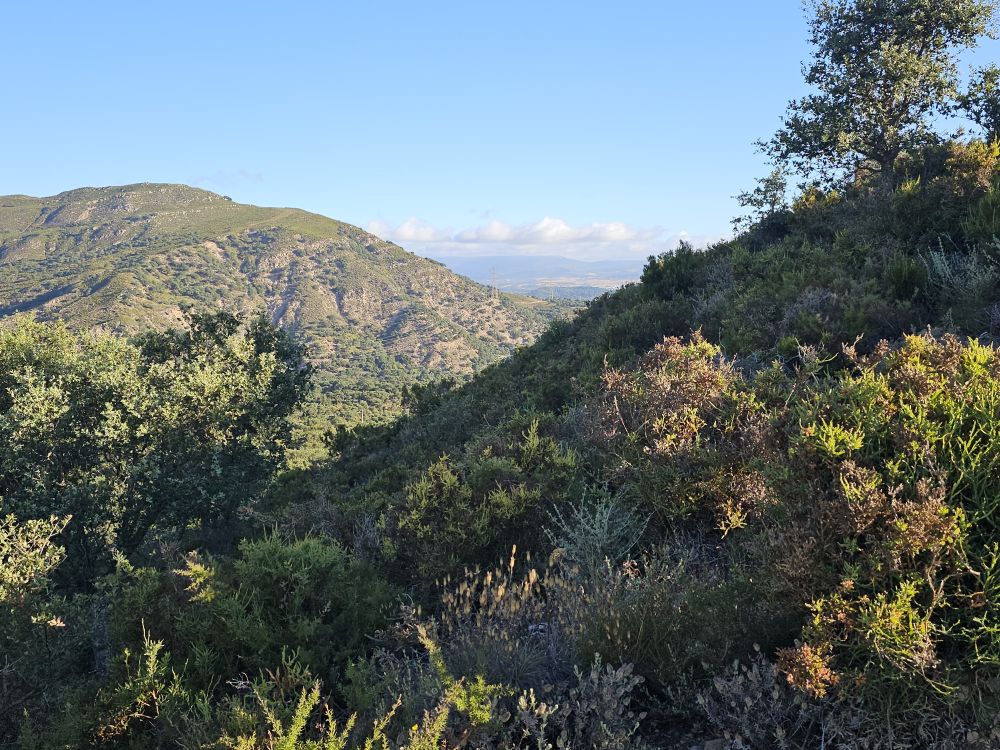
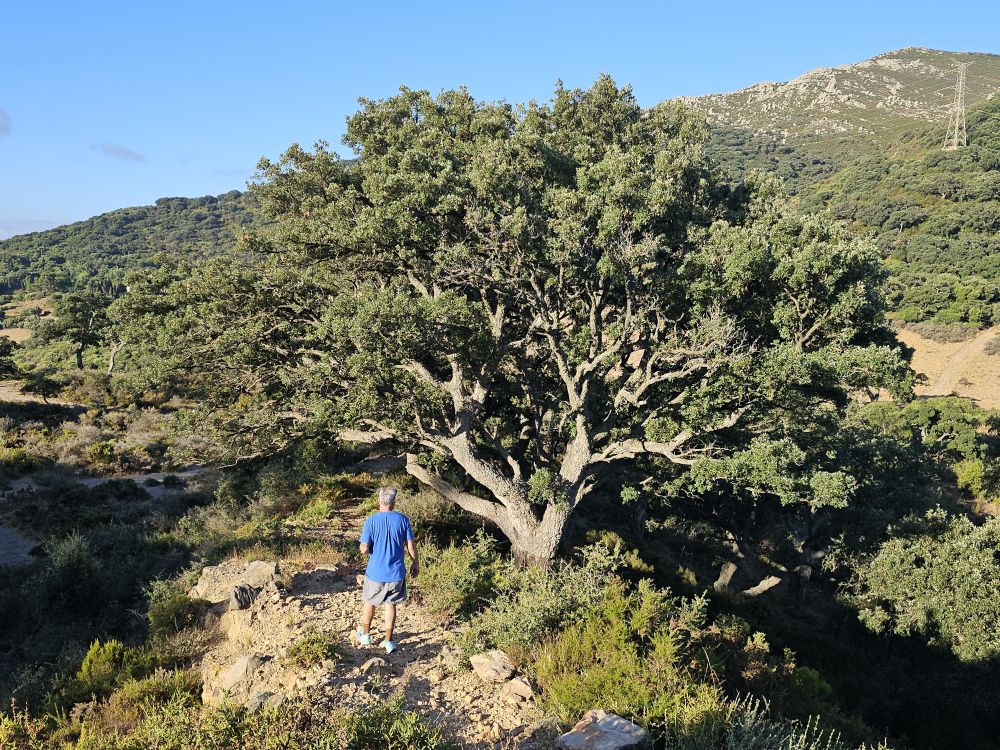
The habitat is mainly made up of heather and Mediterranean scrub plants… rather prickly ones! Drosophyllum is always found in open patches, free of any other vegetation that could shade it, as you can see in the photos.
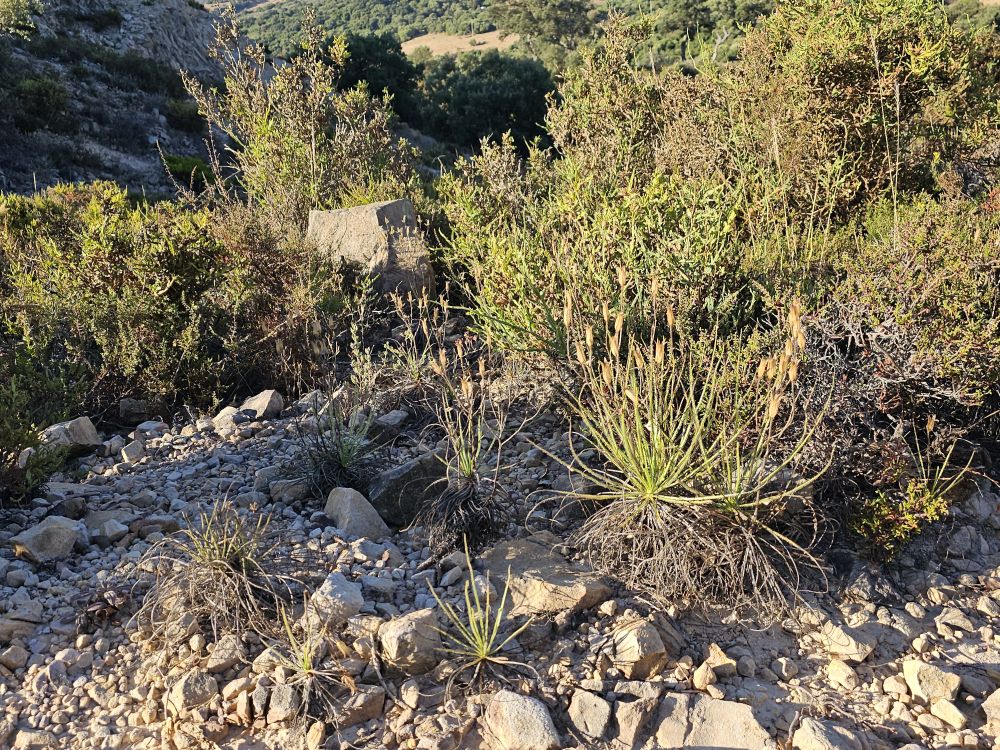
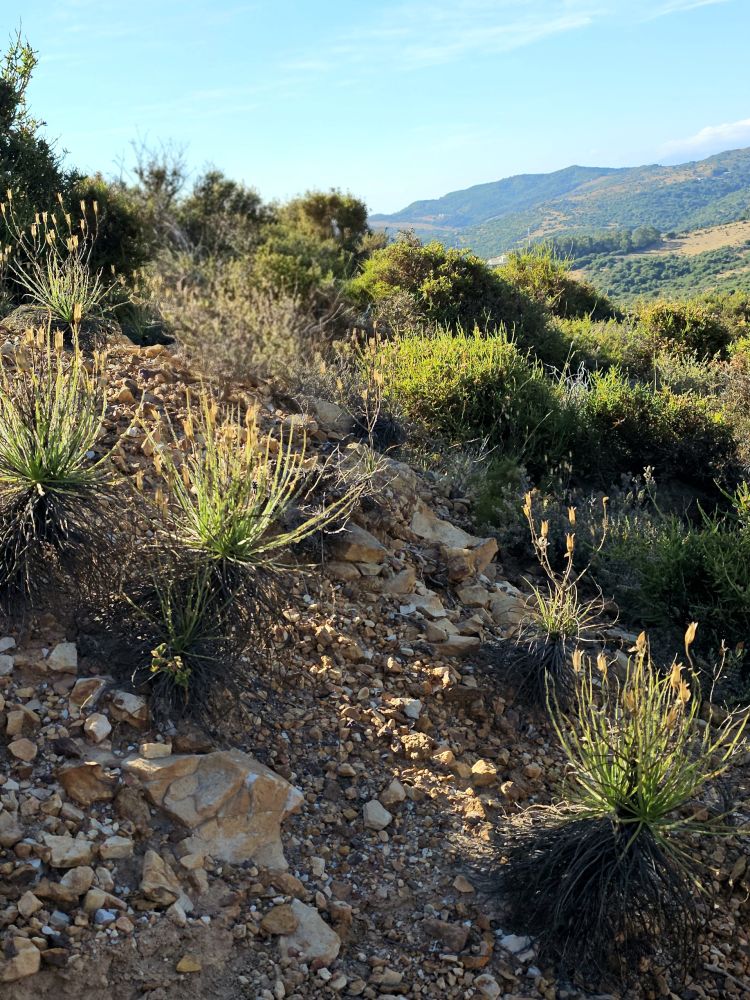
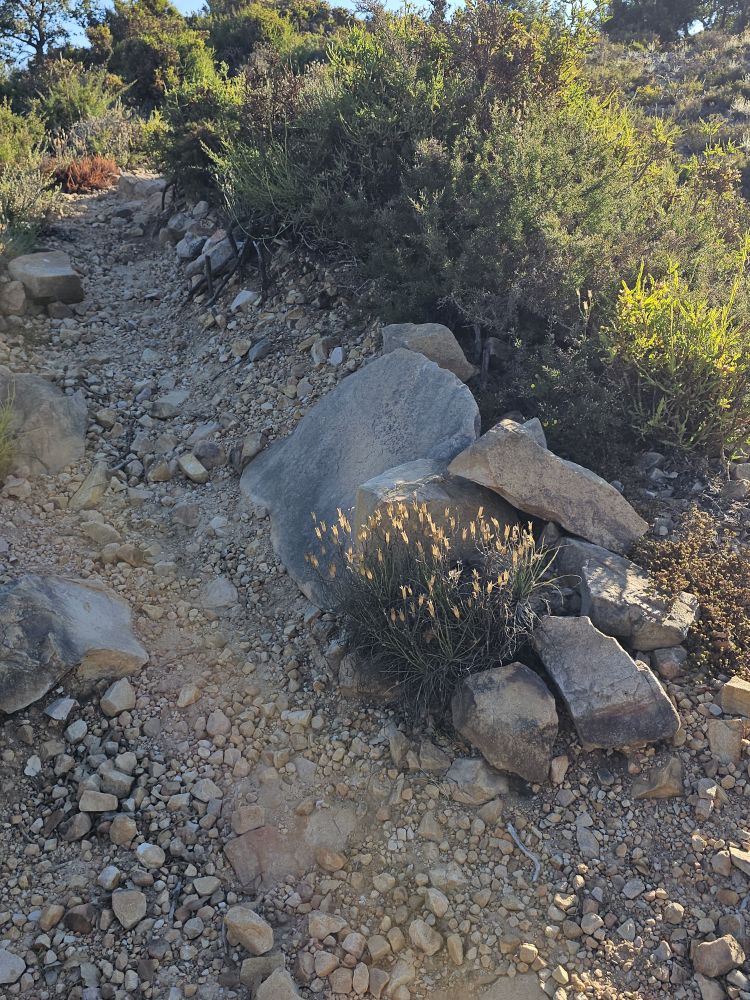
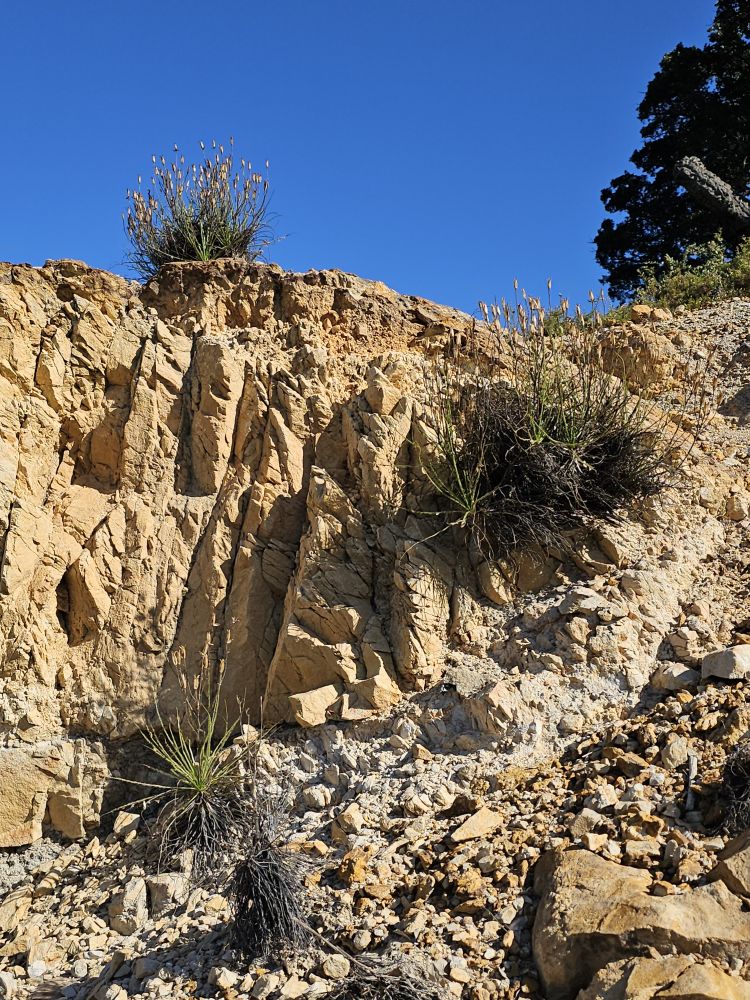
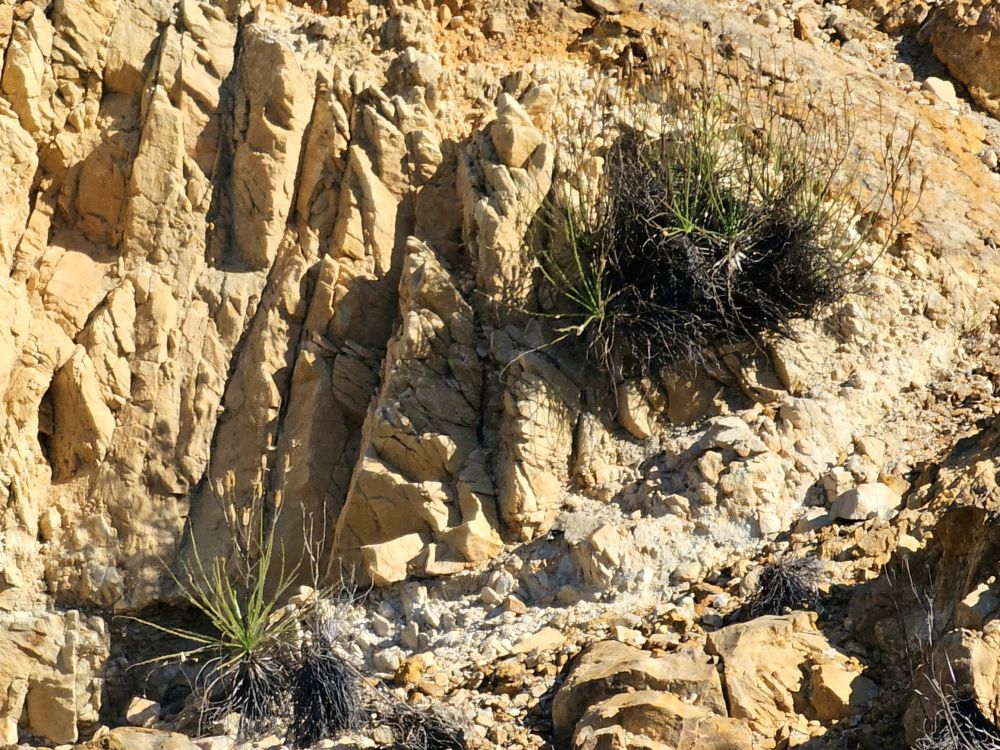
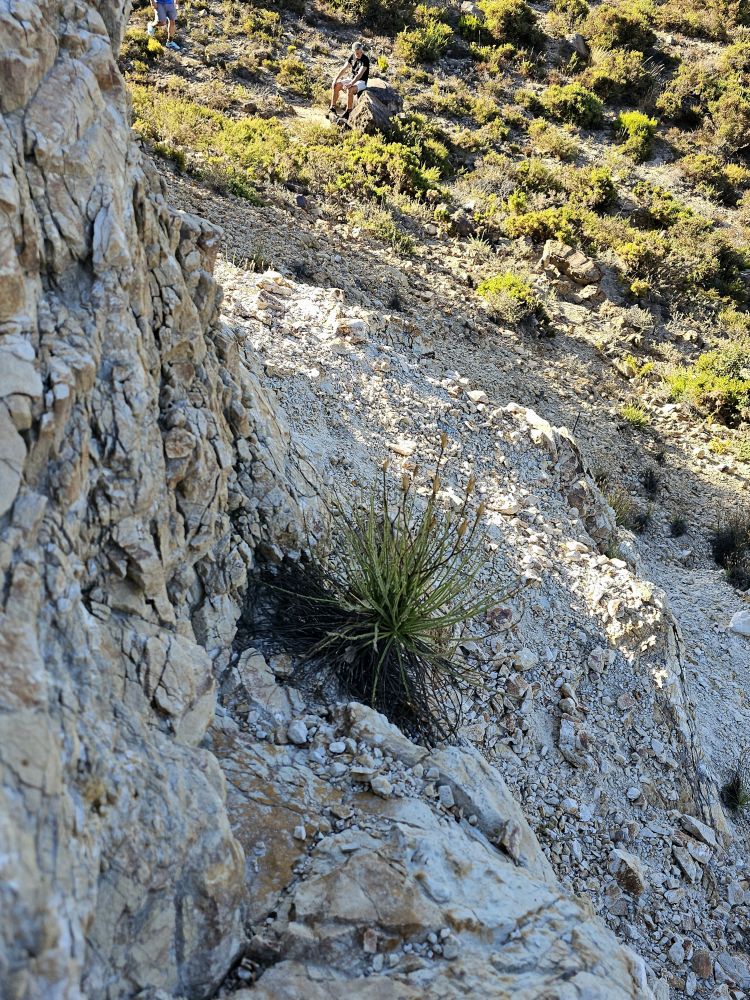
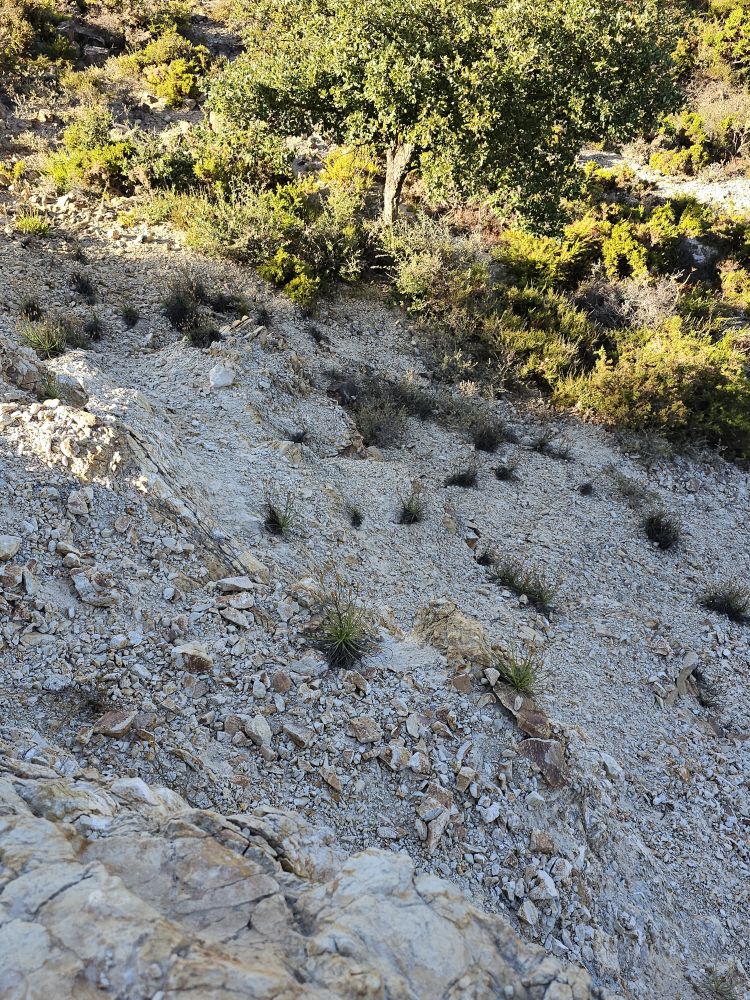
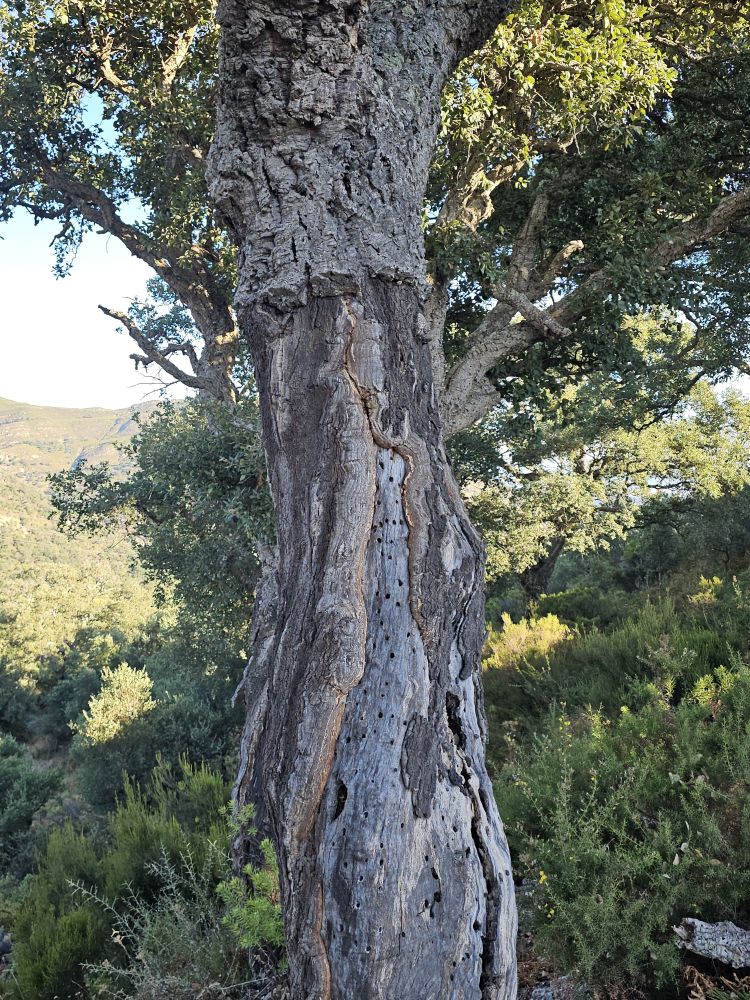
The climate: sun, wind and mist
The area faces south / south-west, at about 200 m above sea level, with strong winds. Here the plants are often bathed in coastal mist and capture its moisture. In the end, it is almost a subtropical climate!
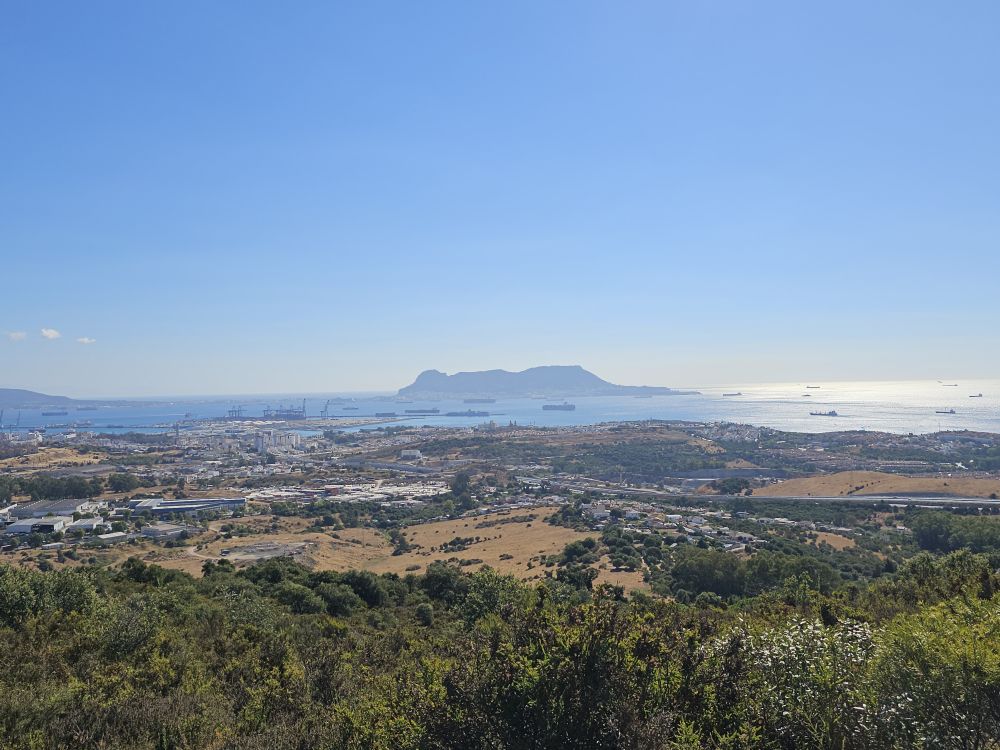
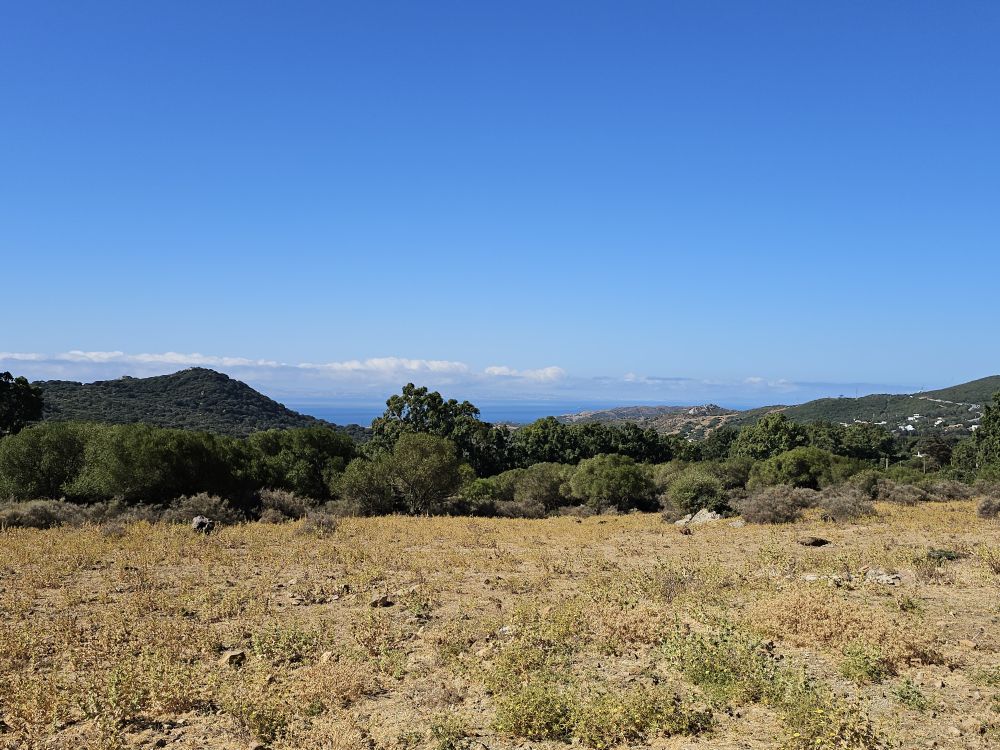
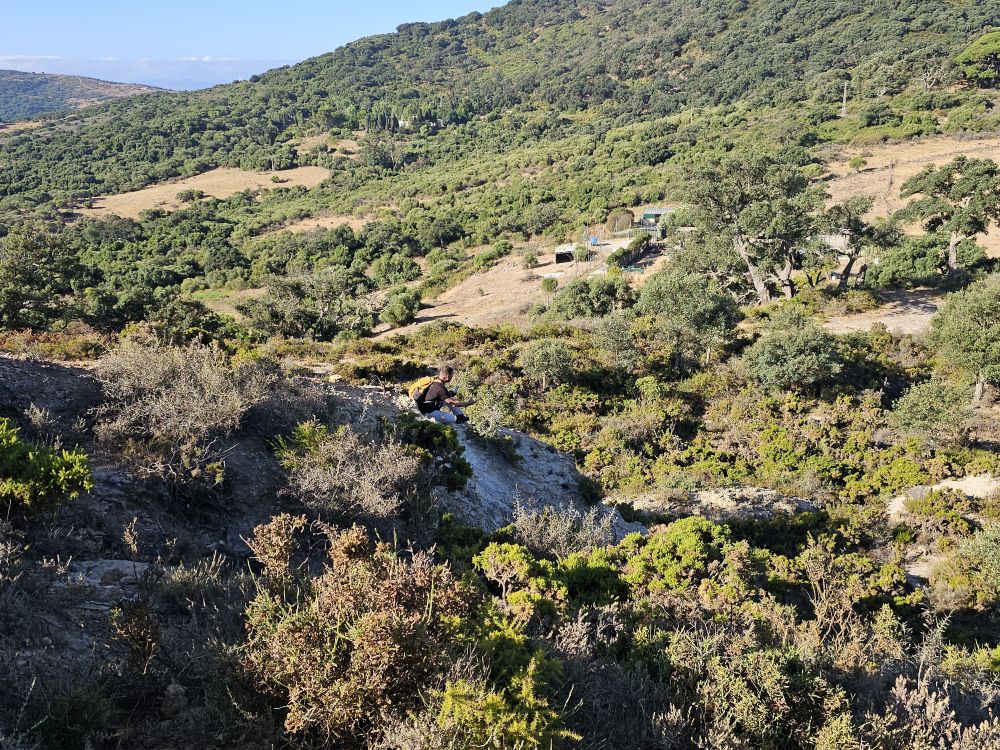

In August: thousands of seeds
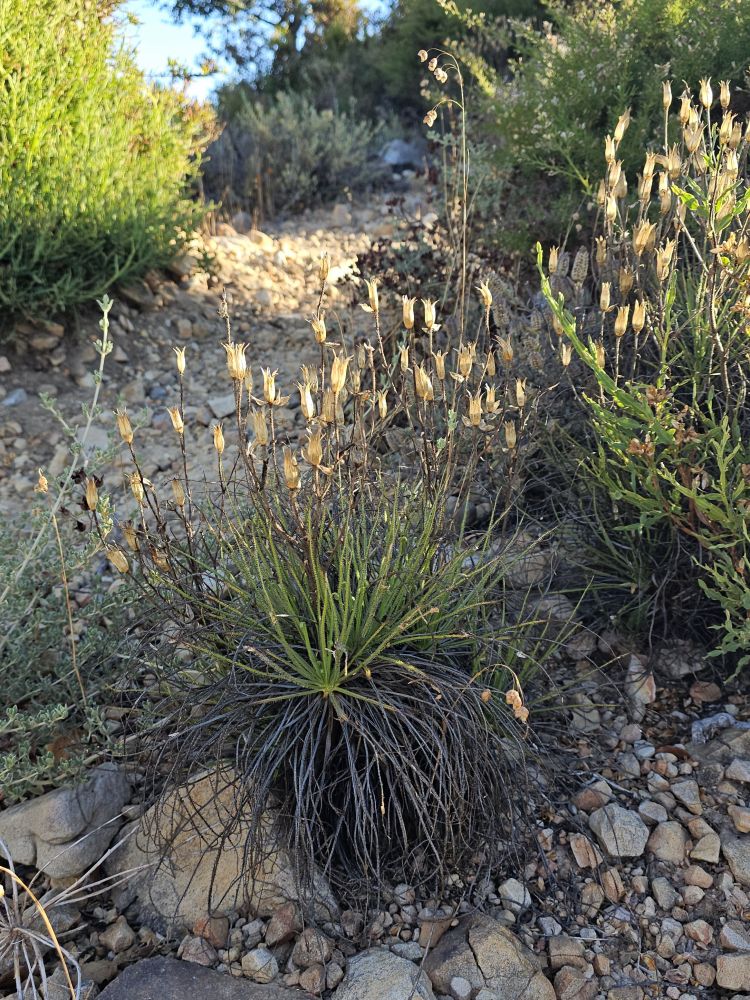
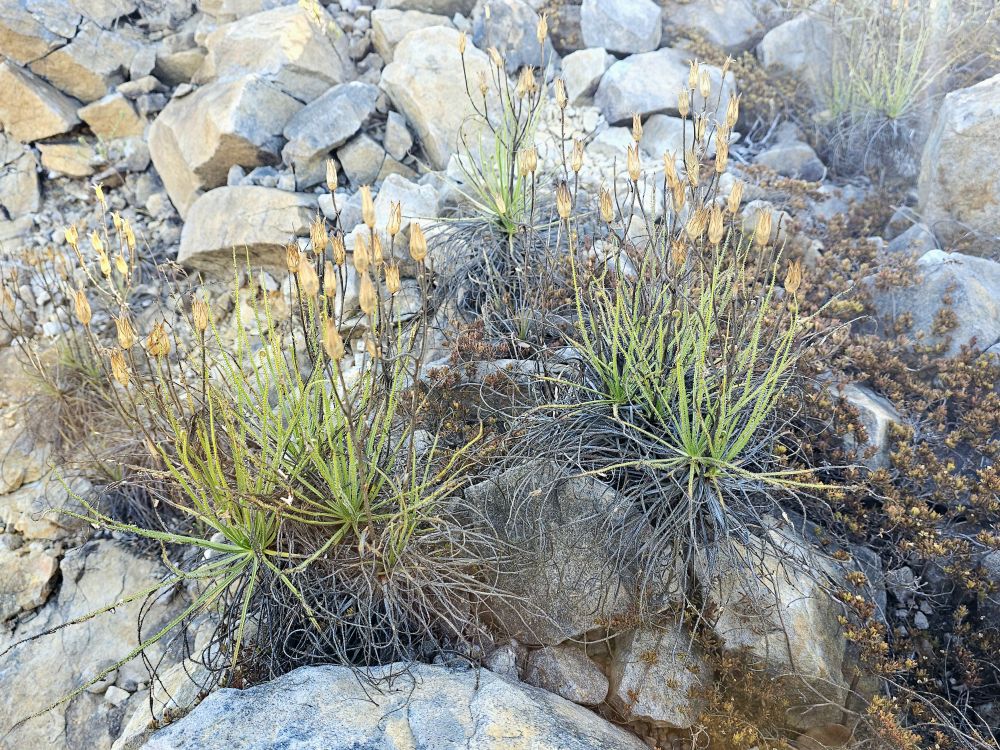
At this time of year, the plants are much smaller than in spring, but they are loaded with thousands of seeds, ready to be released with the first heavy rain.
By the way, while Drosophyllum is often biennial in cultivation, in the wild some plants are said to reach 6 to 8 years!
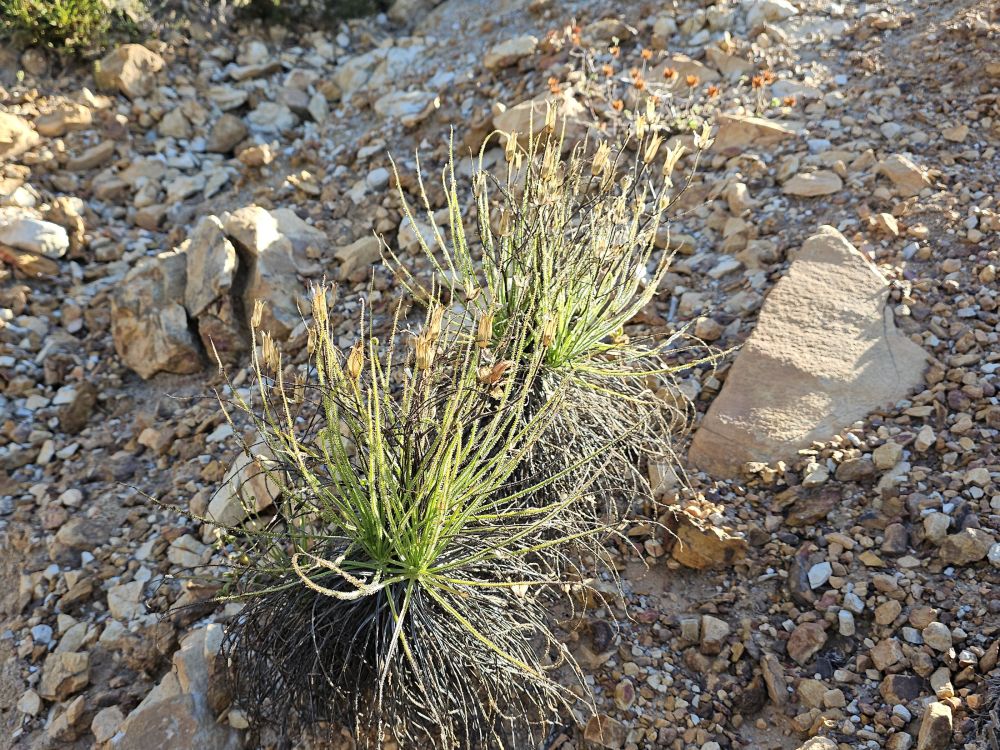
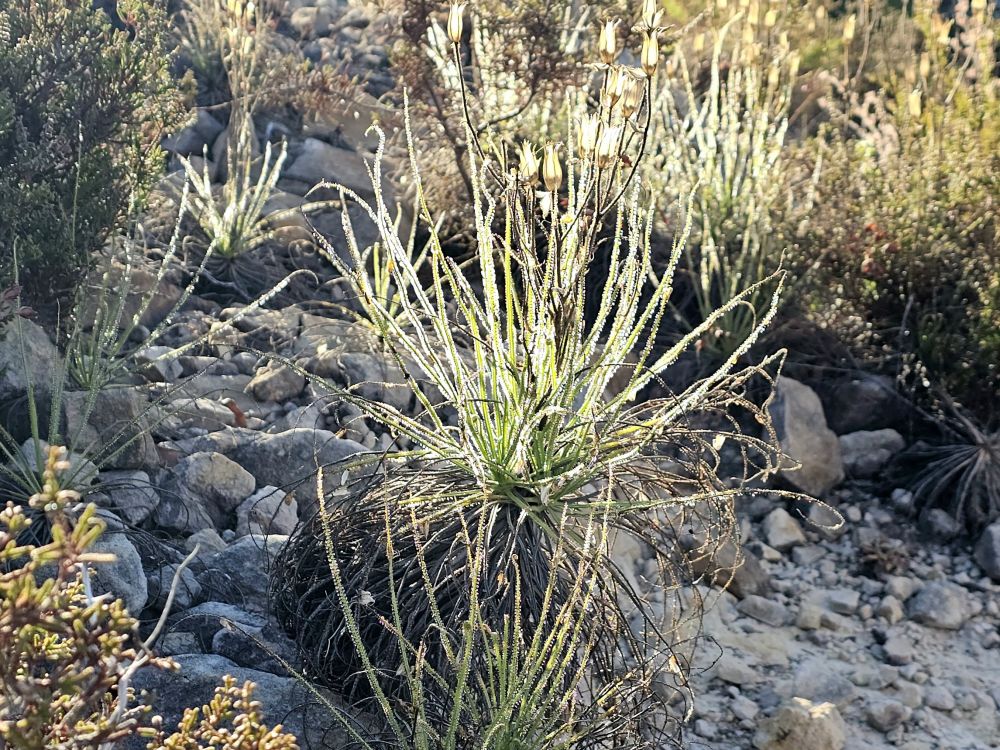
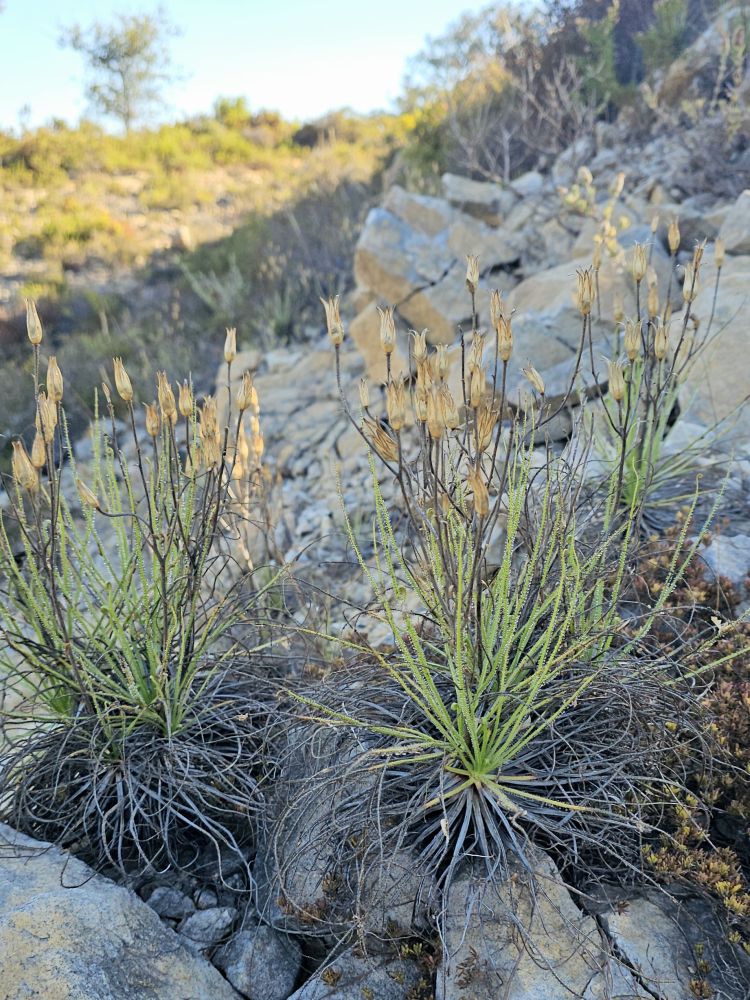
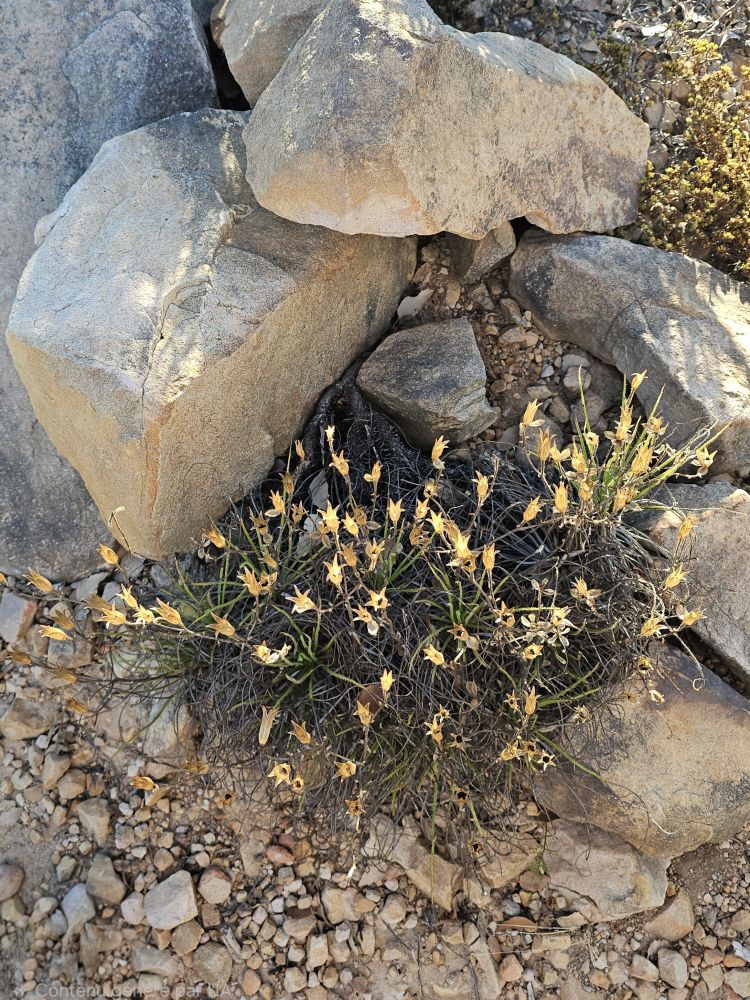
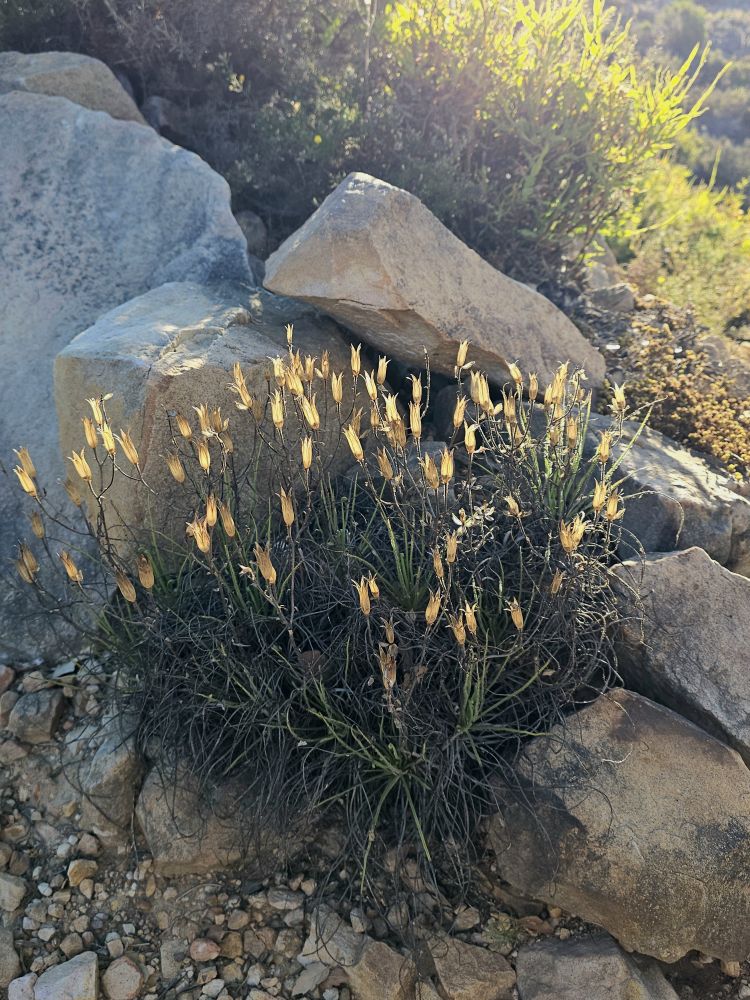
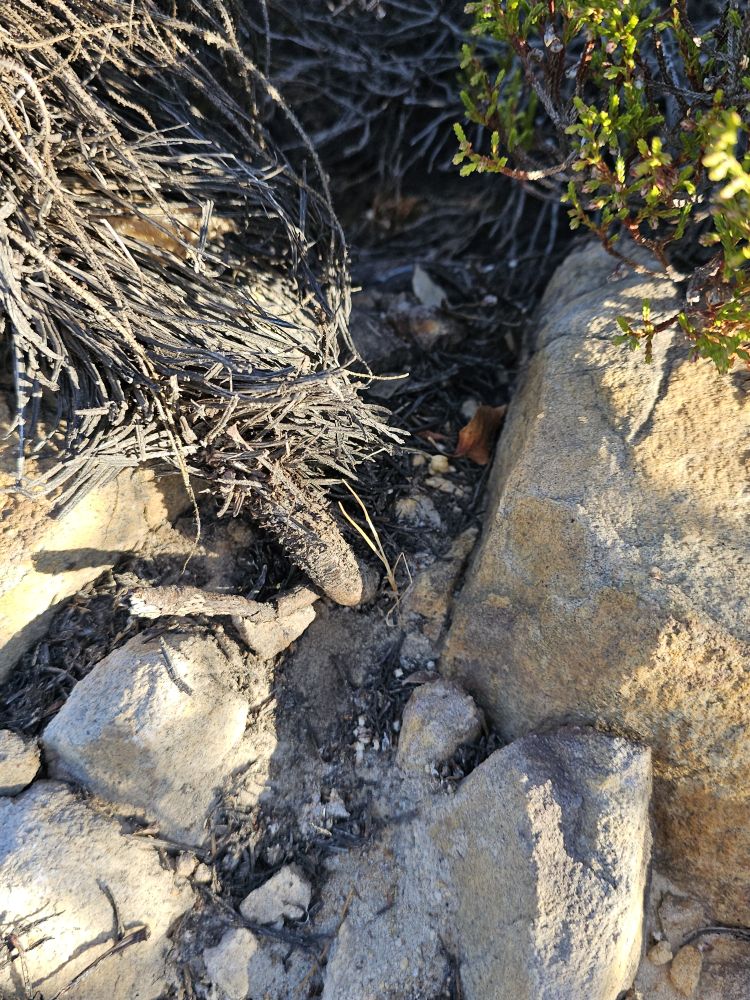
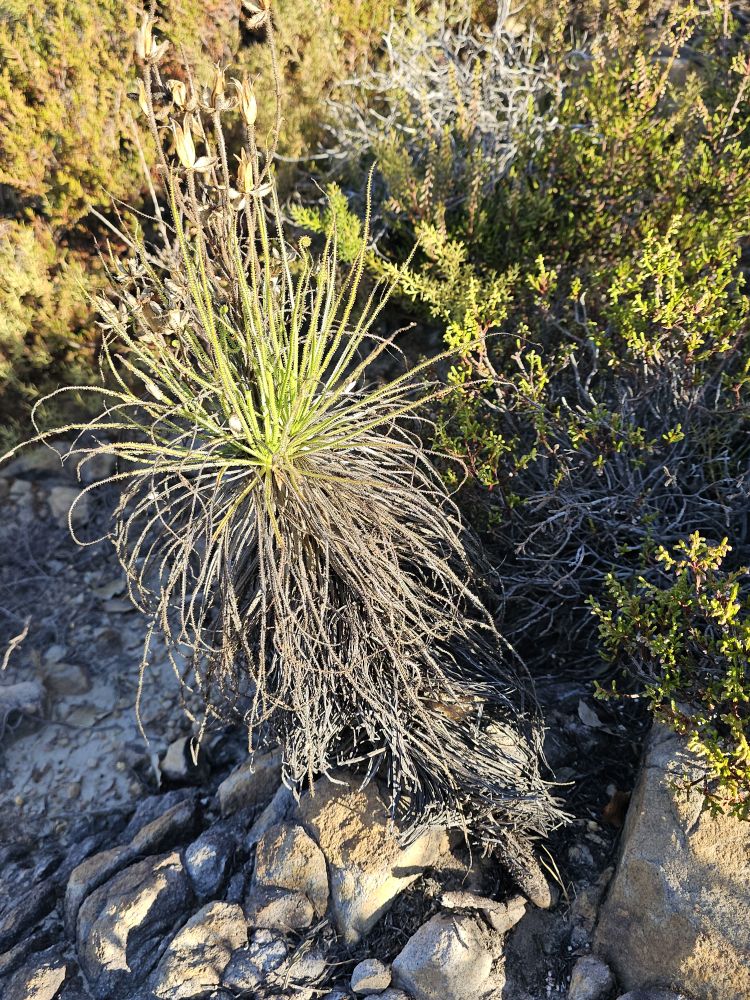
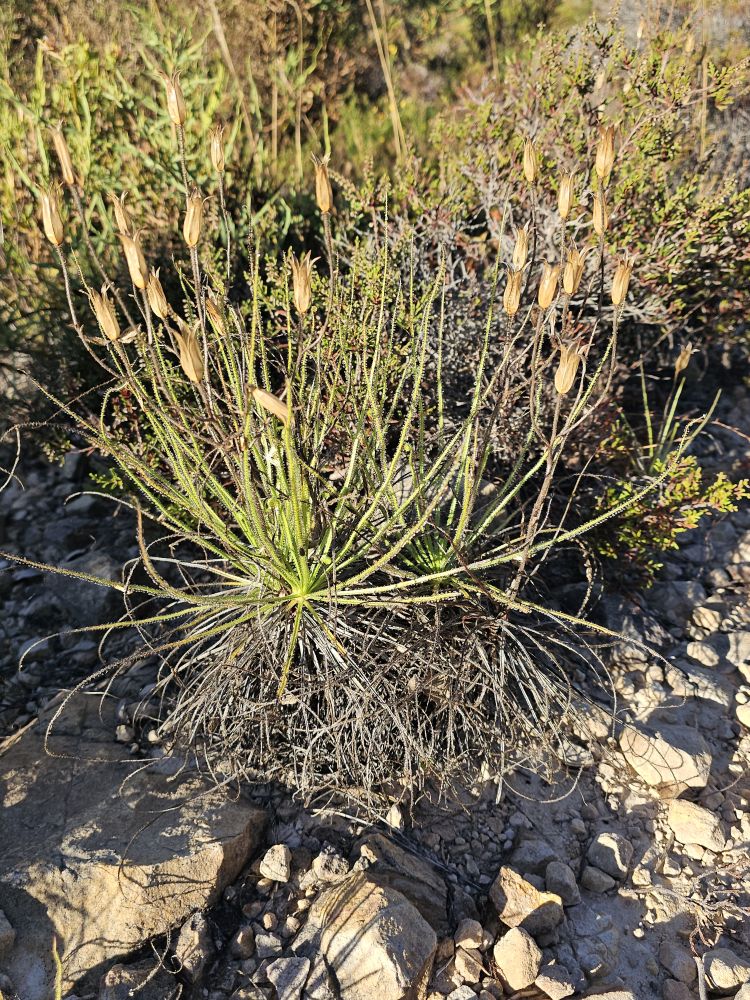

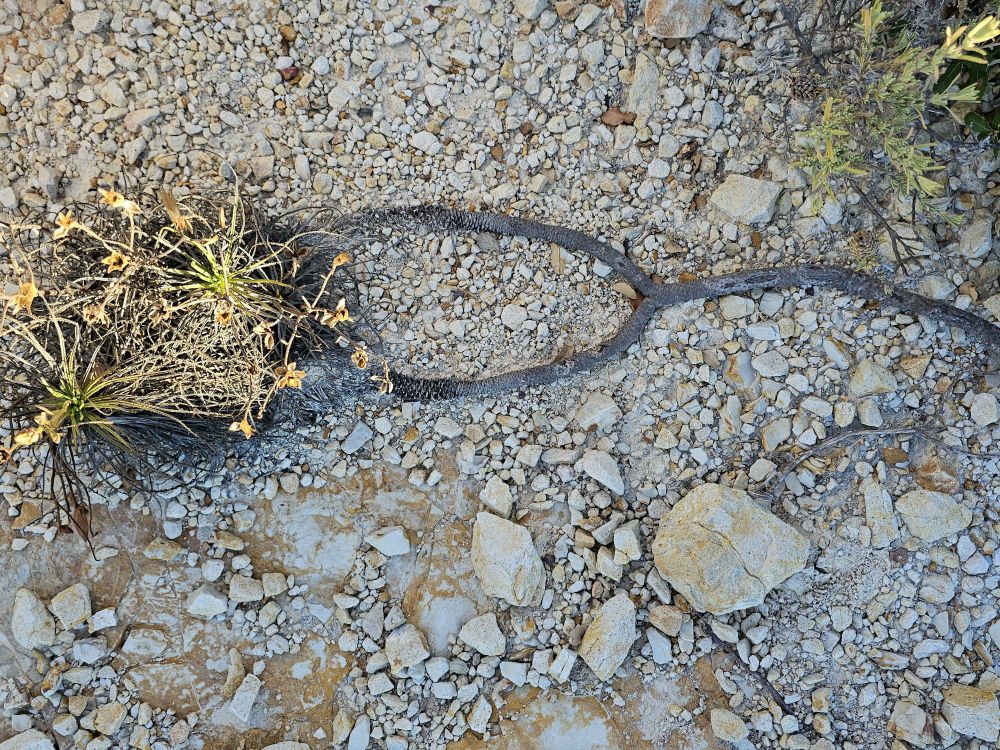
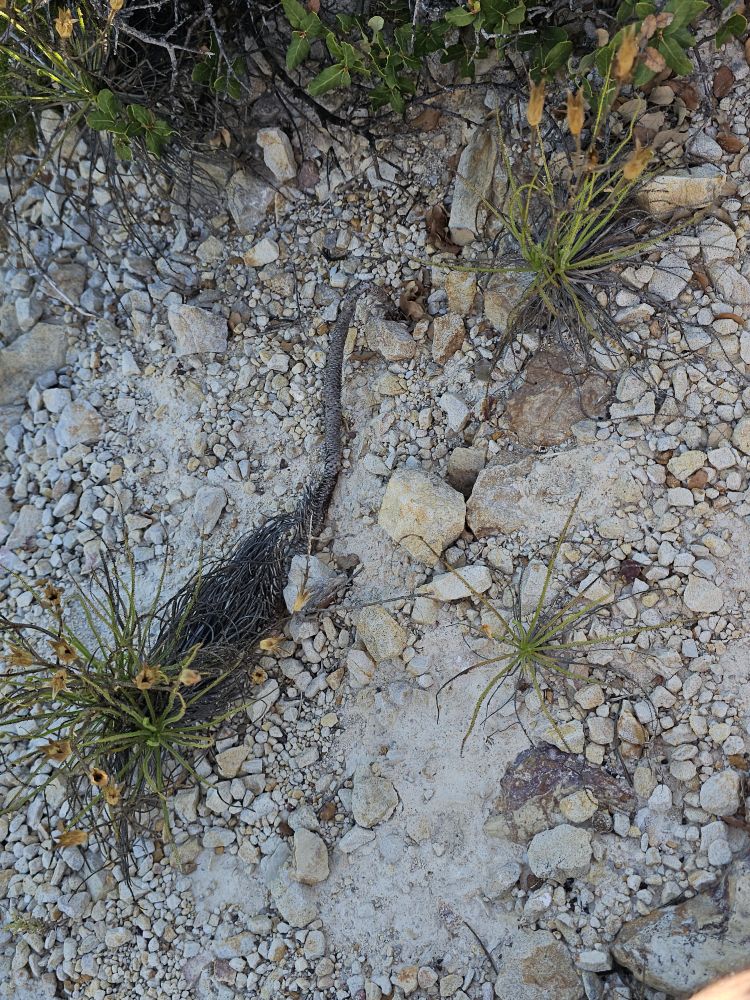
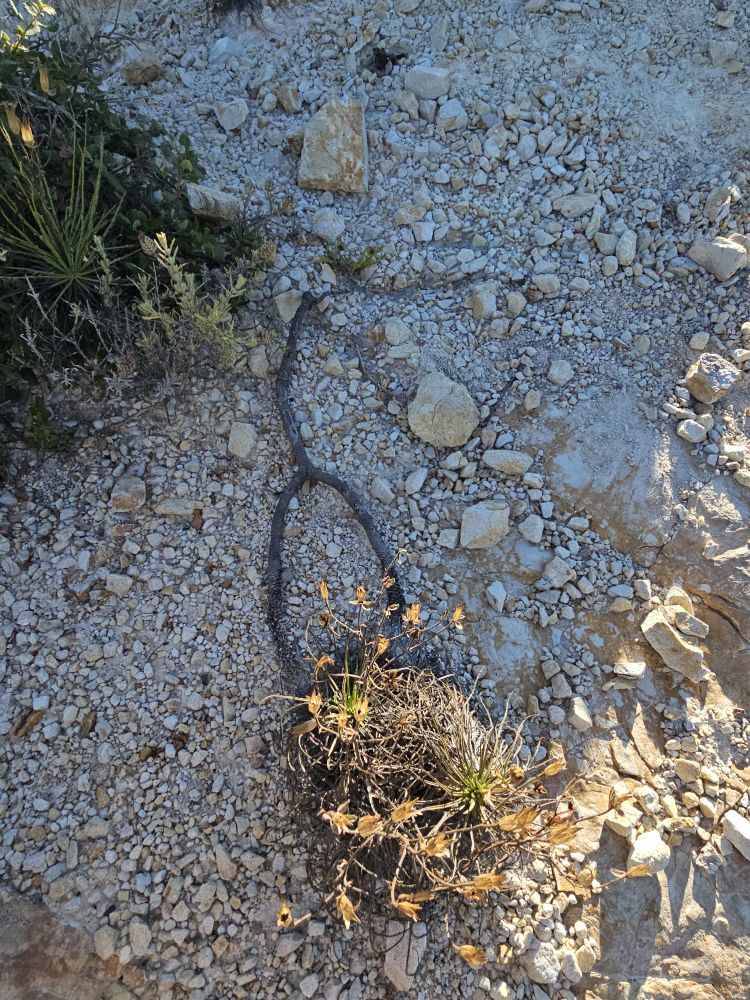
On the gravel, you can also see long dry stems lying on the ground: this is the plant's old trunk, where the leaves used to grow.
A scent of honey
Despite the wind that day, the plant's typical honey scent was definitely there. And against the light… the mucilage sparkled dozens of metres away. Magical.
Once again, a big thank you to my Spanish friends for this fabulous day and their wonderful hospitality!
To learn all about the plant: the Drosophyllum lusitanicum page of our encyclopedia. And to grow one at home: our Drosophyllum lusitanicum.
A question about Drosophyllum?
✉ Contact us© 2026 Cédric Carnivores - Carnivorous plant nursery since 2012
Share this article:





Similar posts

Castelnau-sur-Gupie: building our new nursery
From a meadow in May 2020 to greenhouses full of plants: how we built our new nursery with our own hands, told in photos.

From box to pot: our Borneo Exotics Nepenthes arrive
Twice a year, over a thousand Nepenthes arrive from Borneo Exotics. Boxes, bare roots, repotting: behind the scenes in photos.