Français
 Español
 Deutsch
 Italiano

How a Sarracenia pitcher traps insects


The Sarracenia trap
A remarkably efficient mechanism
Together with Nepenthes, Sarracenia have the largest and most efficient traps of all carnivorous plants. Here is how they work.
This article comes from “Les sarracenia en images”, the book Cédric wrote from his experience at the nursery, and from our growing guide. All photos are ours.
A leaf turned into a trap
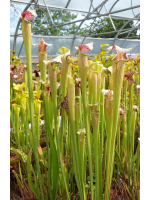
Sarracenia are rhizomatous plants; they range from 5 cm to more than a metre tall. They have two kinds of leaves: the carnivorous leaves, shaped like tubes, which catch insects, and completely flat ones called phyllodes, as well as flowers. The carnivorous leaves follow on from the plant's spring restart: in almost all Sarracenia, they start growing a little after the first flower buds appear.
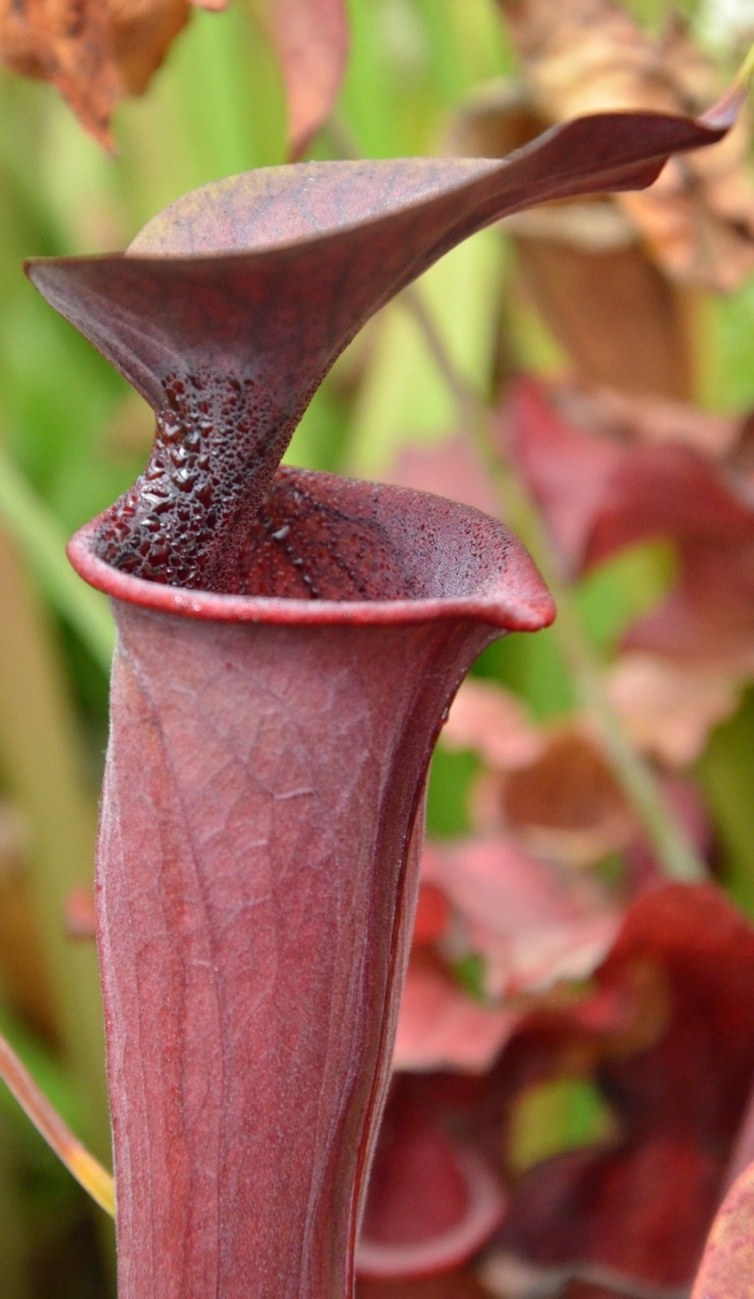
It works the same way in all Sarracenia, with a few special features in some of them. Sarracenia have evolved and developed clever strategies to be as effective as possible at catching insects.
A guided path to the edge
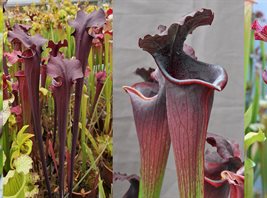
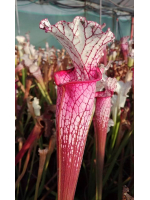
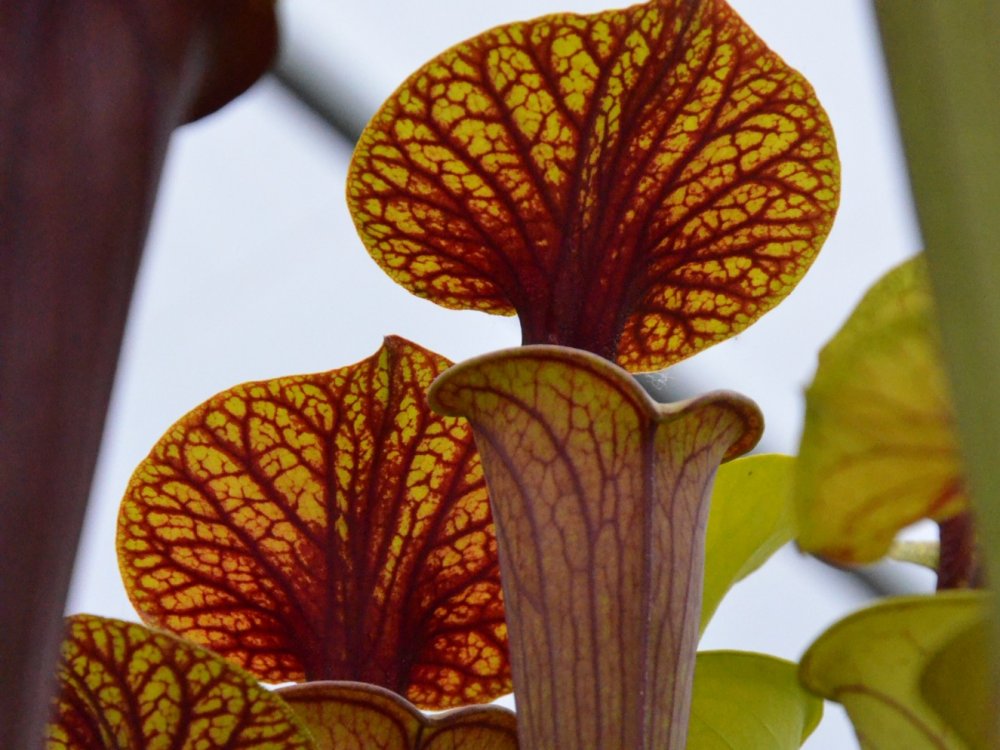
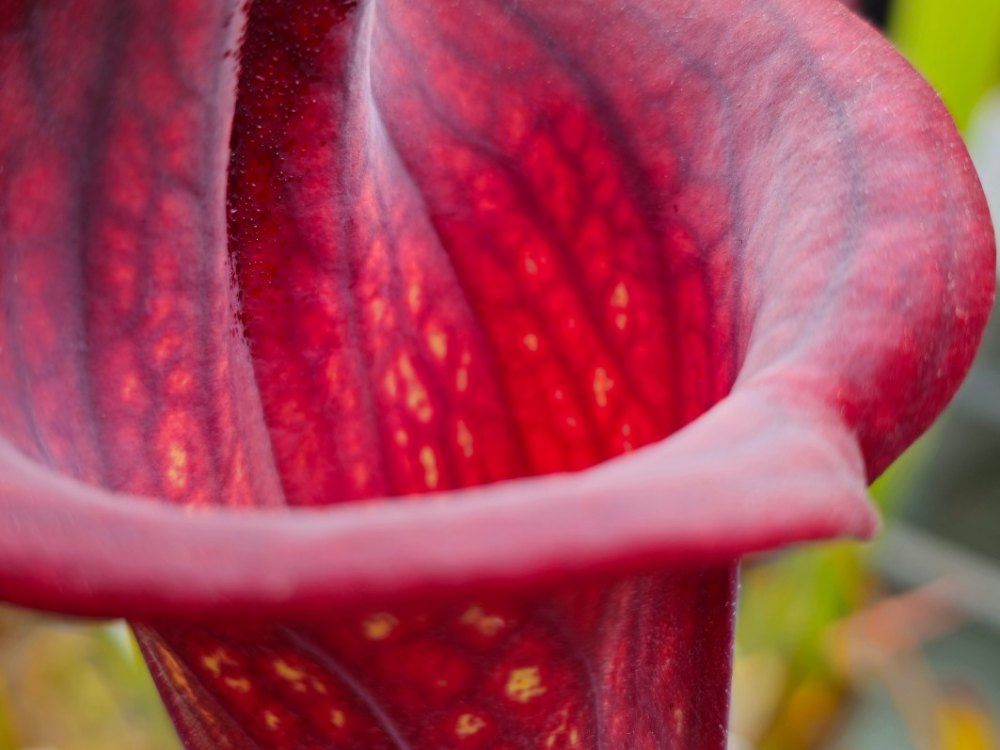
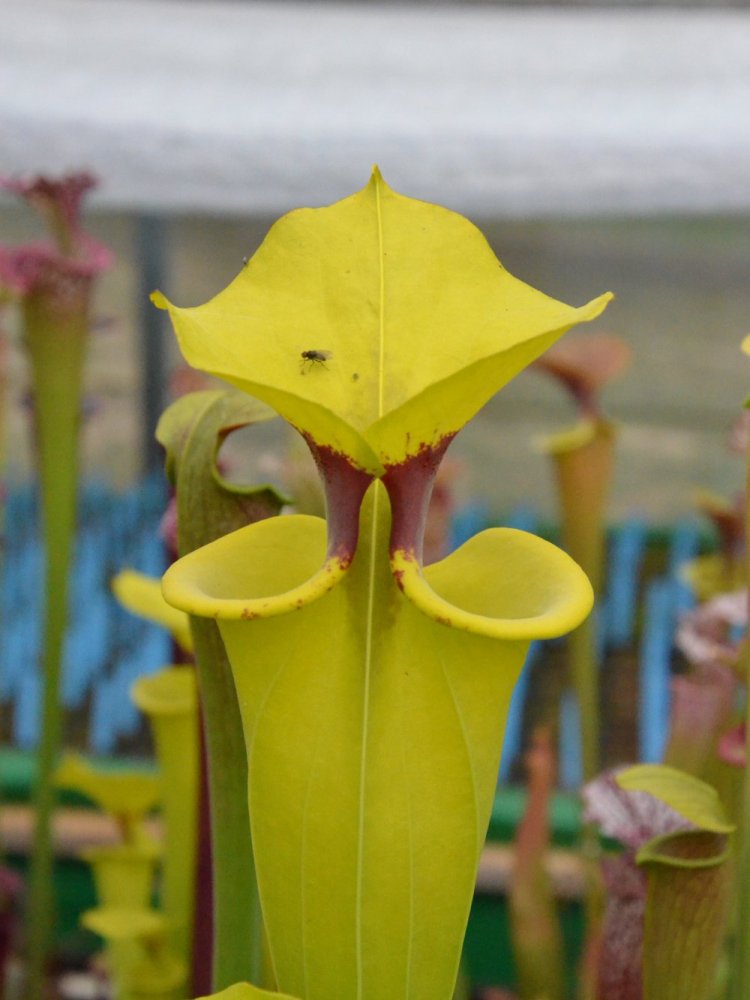
First of all, the slender, cylindrical leaf acts as a store and can hold a large quantity of prey. Its tip, called the lid (operculum), is a landing strip for insects; it is lined with a sweet nectar they love. In some species, the back of the lid has small transparent windows meant to fool future prey: thinking they can get out there, they get trapped even faster. It is a path designed by the plant, because the nectar becomes more and more plentiful towards the inside, guiding future prey right above the drop.
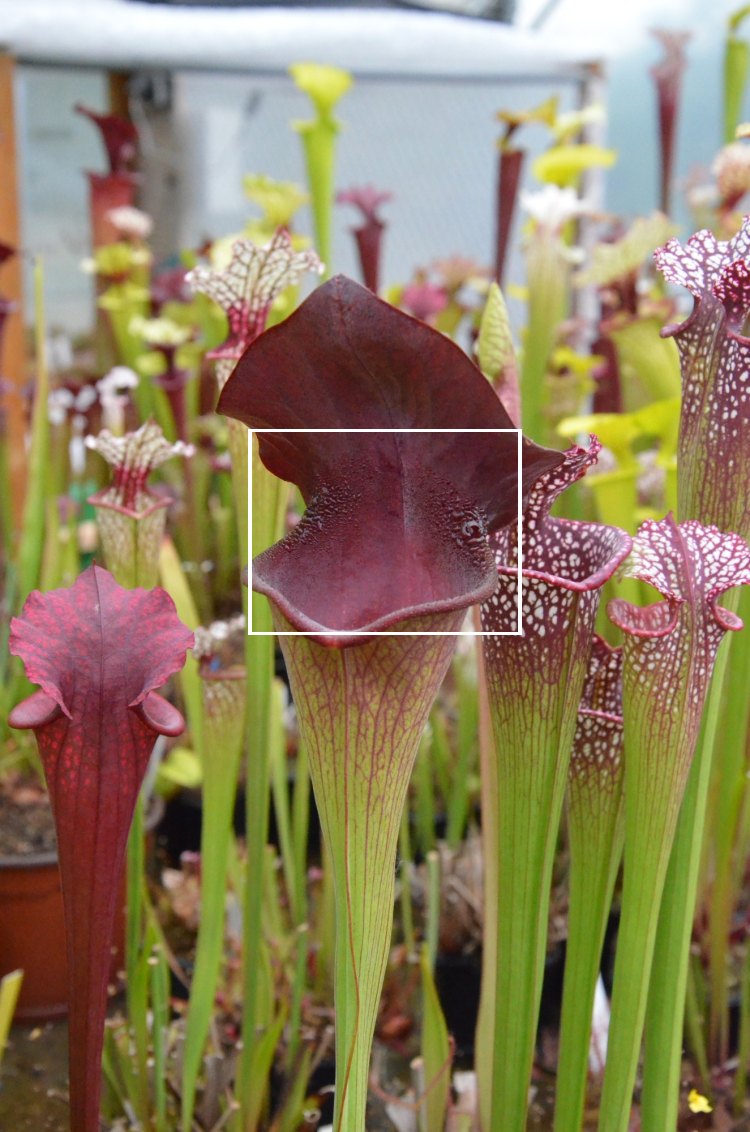
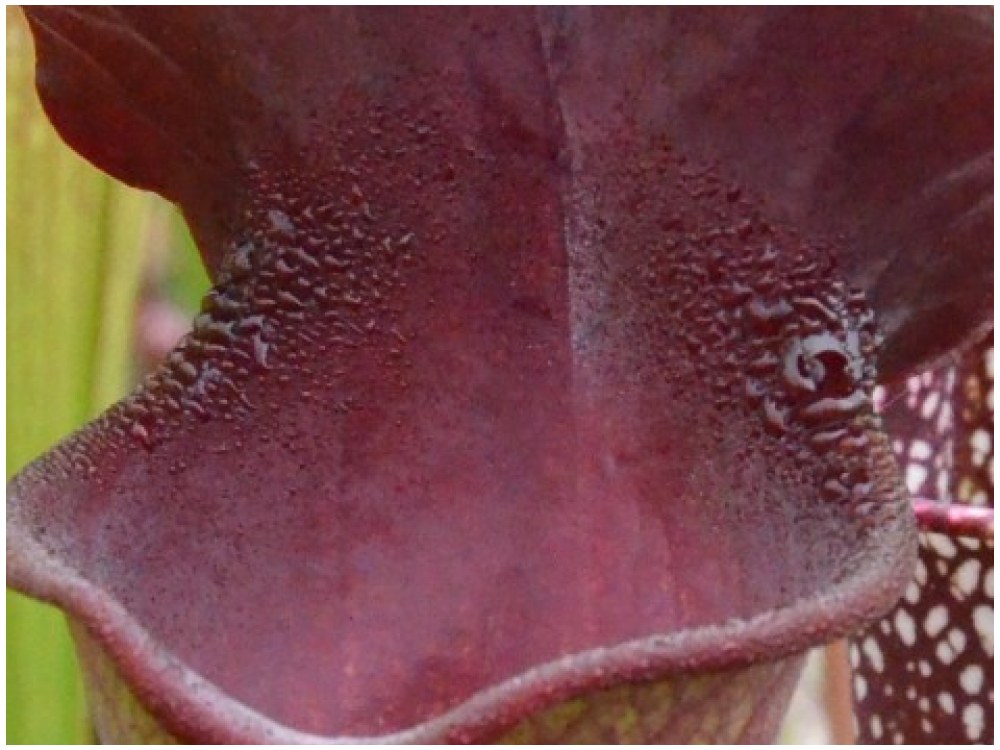
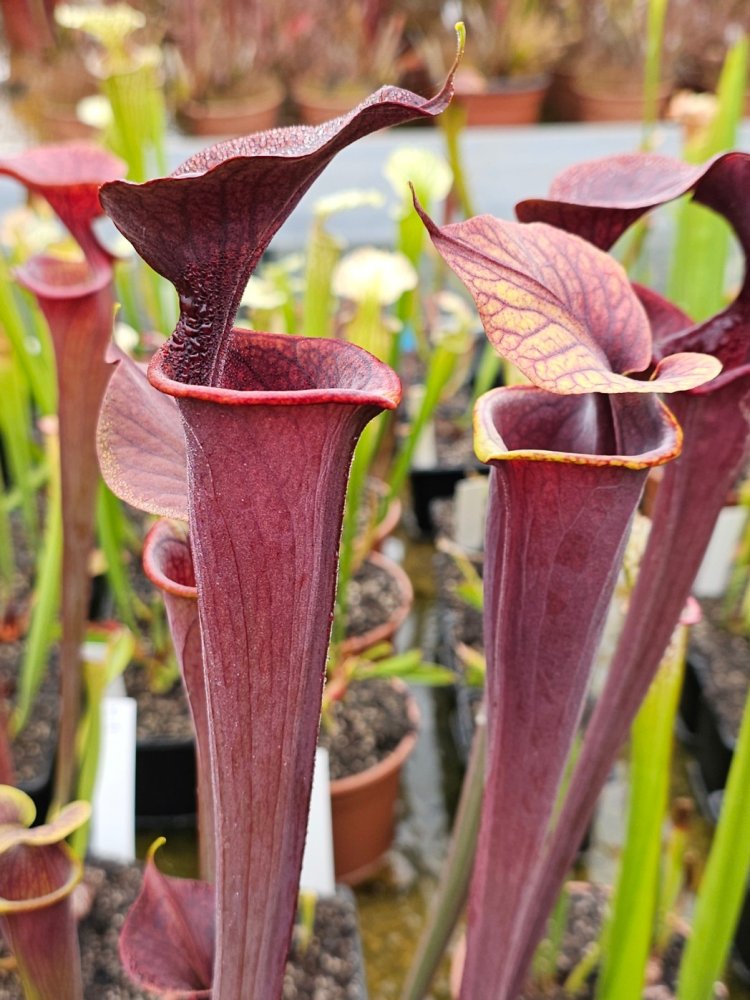
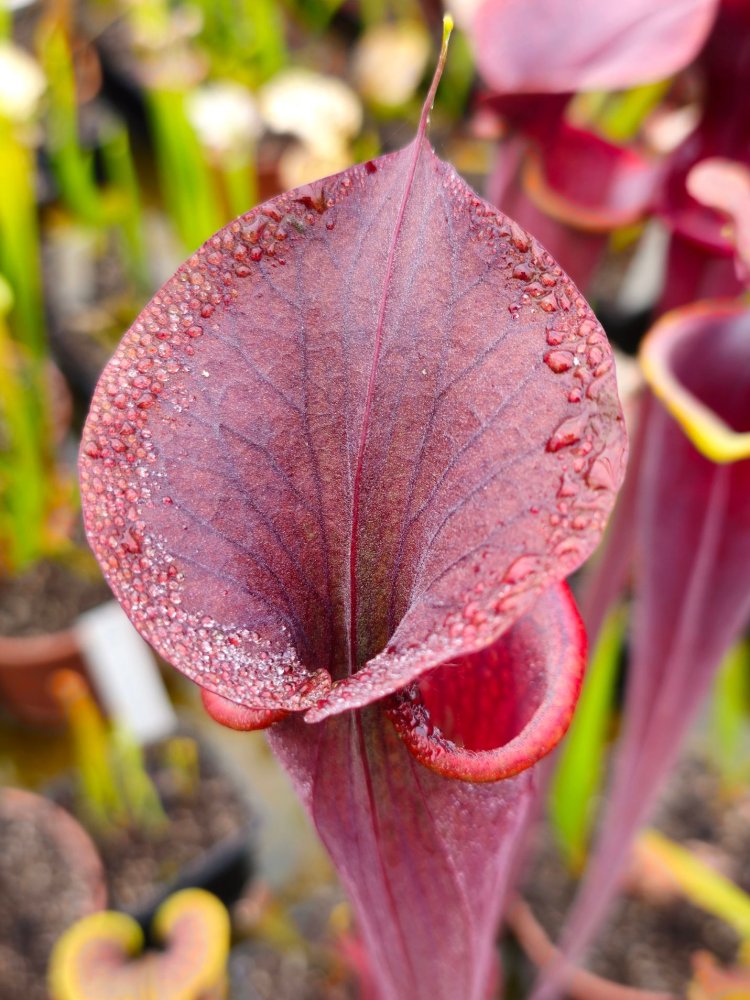
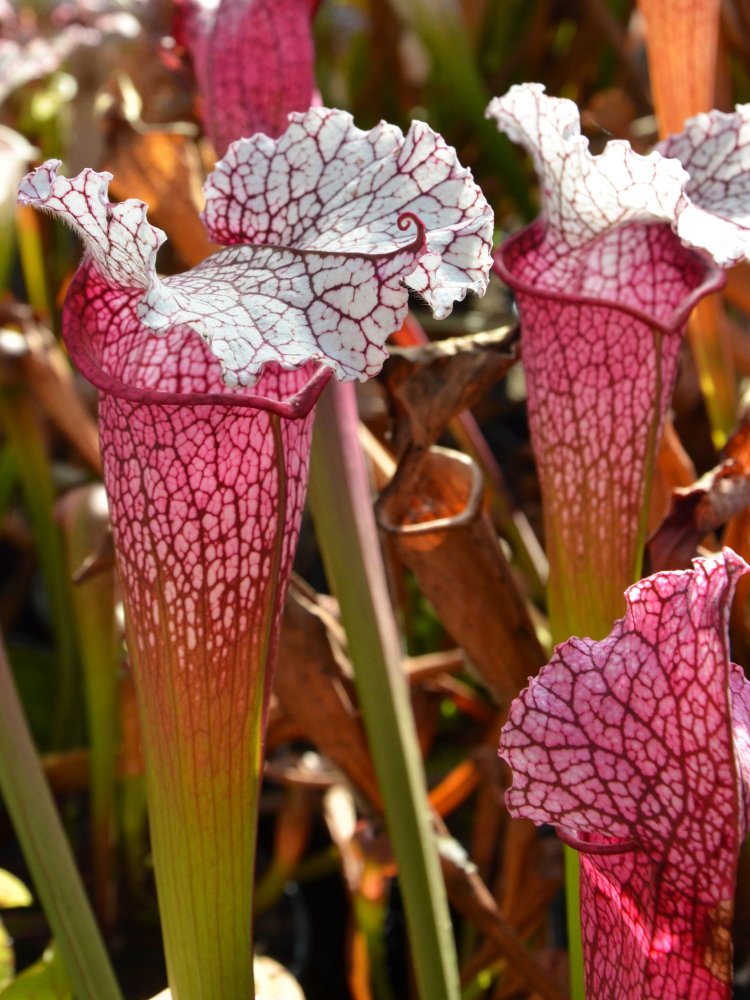
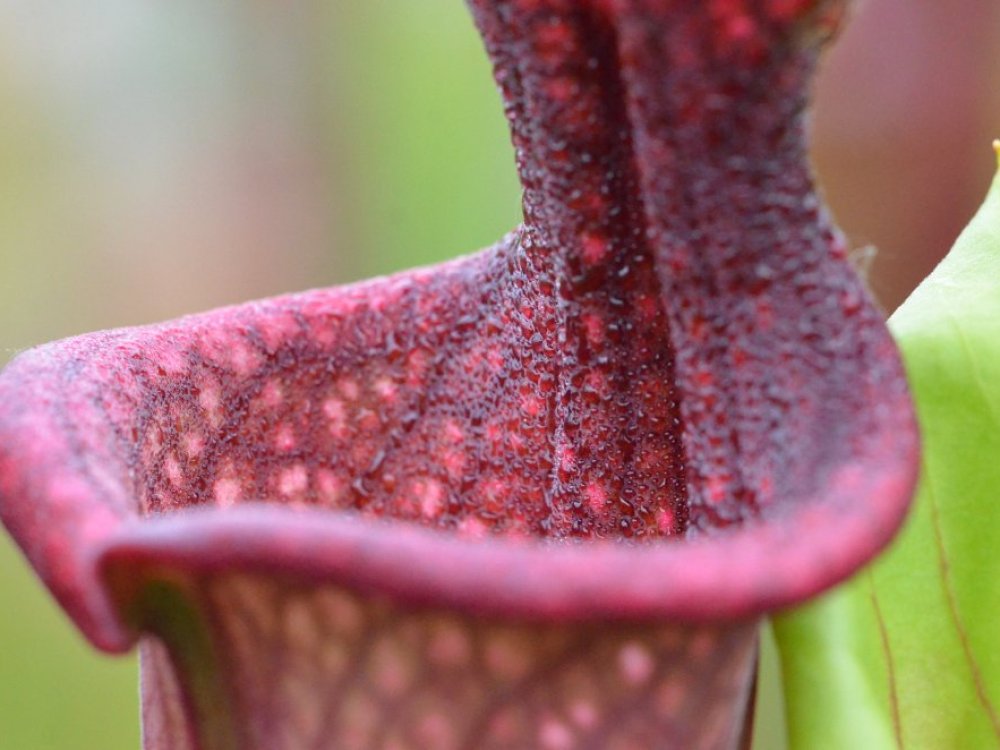
The entrance of the leaf, called the peristome, is lined with microscopic hairs pointing downwards. They cannot be seen with the naked eye, but they give it a slightly satiny colour. This system is disconcertingly effective: no insect can hold on to it.
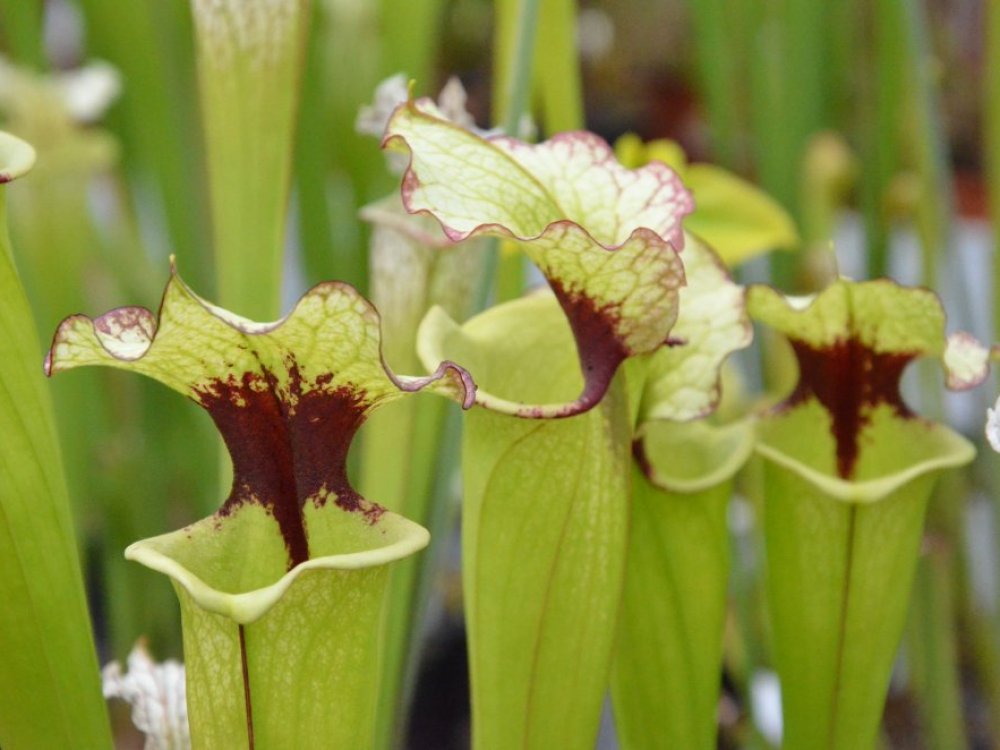
The insects become more and more clumsy (in S. flava, researchers have found coniine in the nectar, a substance that may stun them) and end up slipping inside the leaf: they are literally sucked in. The leaf is cone-shaped, and the more the insect moves, the deeper it sinks; it ends up dying of exhaustion.
Digestion
Once the first insects are caught, the plant starts producing an enzymatic liquid that dissolves the softest parts of the insects: only the exoskeleton remains almost whole. This process lasts for the whole life of the leaf, from a few days to several months depending on the species, the growing conditions and the amount of prey caught.
It is not unusual to see leaves fill up in 2 or 3 days. The leaf then dies back, with no effect at all on the plant: it is very quickly replaced by another one, ready to catch again.
Prey
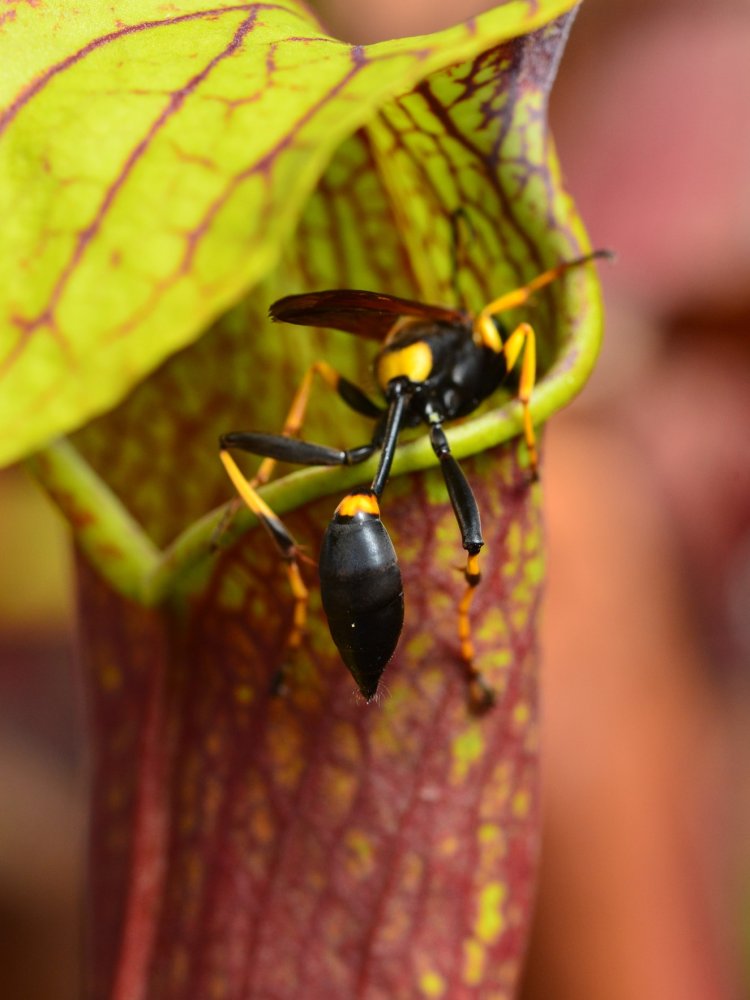
Together with Nepenthes, the genus Sarracenia has the largest and most effective traps of all carnivorous plants. The prey caught are mostly flying insects: flies, wasps, hornets, butterflies, and sometimes ants. Two Sarracenia species have added special dishes to their menu:
- S. purpurea: the water held in its leaves attracts slugs and snails, which end up drowning and are digested.
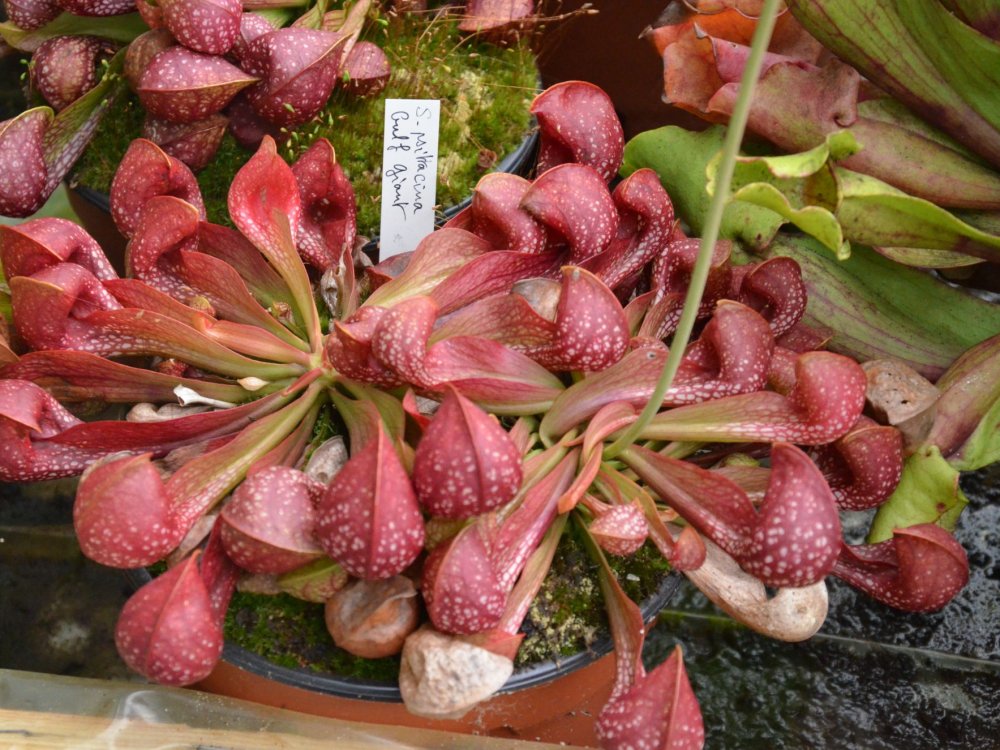
- S. psittacina: the lobster-pot shape of its leaf has evolved to catch aquatic prey, because this species spends several months a year completely under water. It then catches small tadpoles and insect larvae.
Autumn growth and phyllodes
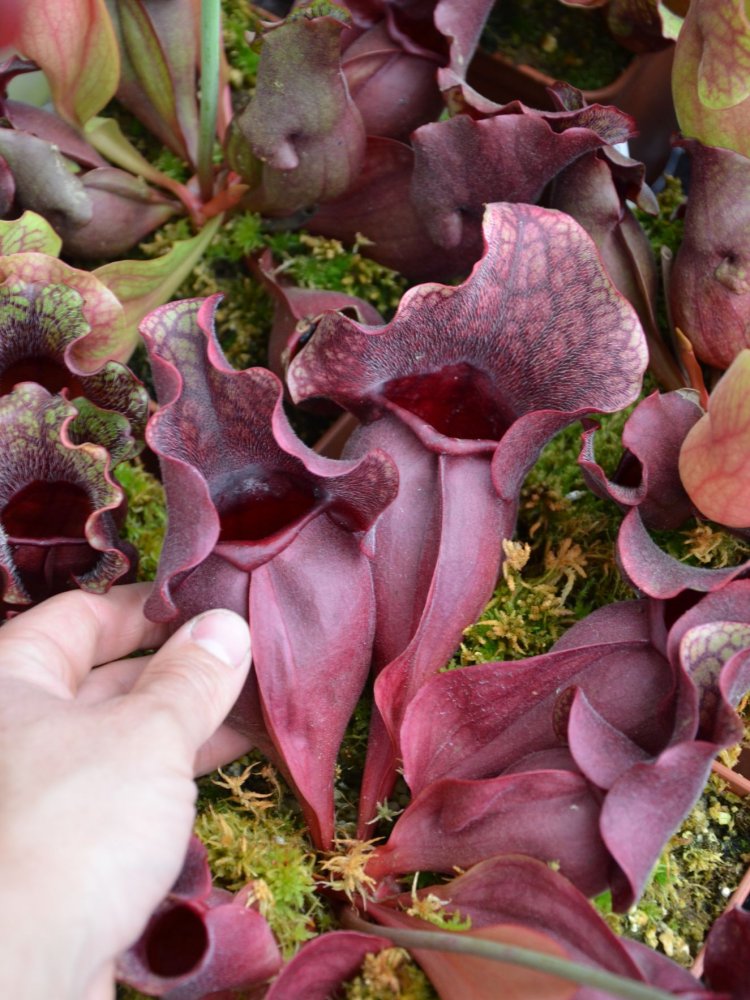
Autumn growth. In S. x moorei, the leaves of this season are the most beautiful of the year, and you can already see the phyllodes getting ready for winter. Hybrids based on S. leucophylla will give you beautiful plants, with touches of white and other bright colours. With a shorter growing season than all the other species, S. oreophila has no time to lose: from the start of the season, flowers and leaves grow at the same time. The same goes for S. flava.
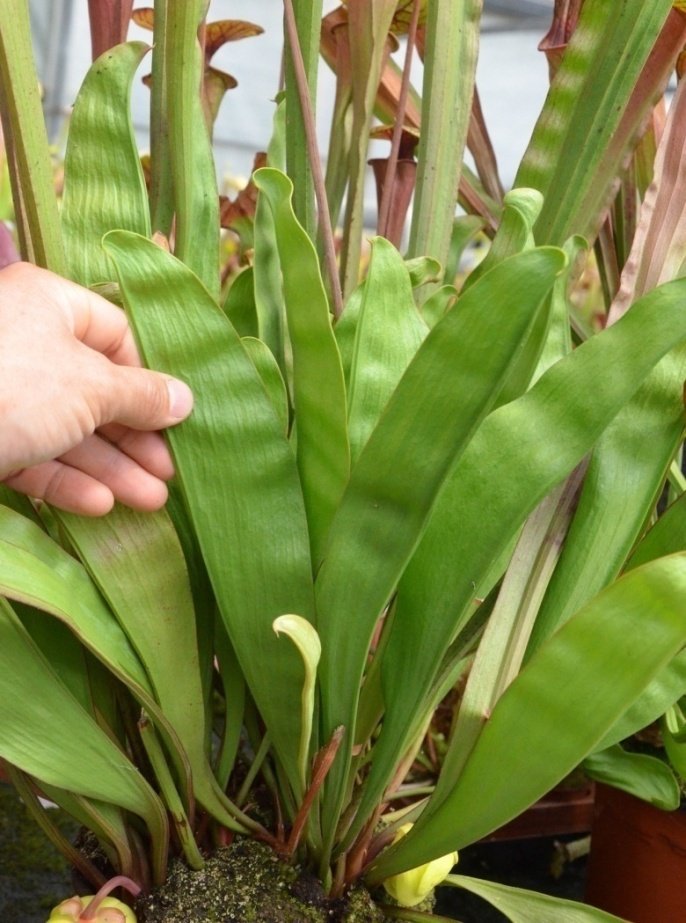
The phyllodes come later in the season. They are flat, wide and not carnivorous: their job is to carry out as much photosynthesis as possible before and during winter, in short as soon as there are no more insects. They are especially well developed in S. oreophila and S. flava.
To go further: the Sarracenia growing guide and the encyclopedia of the genus Sarracenia (in French).
A question about your Sarracenia?
✉ Contact us© 2026 Cédric Carnivores - Carnivorous plant nursery since 2012
Share this article: