
 Français
 Español
 Deutsch
 Italiano


- Out-of-Stock
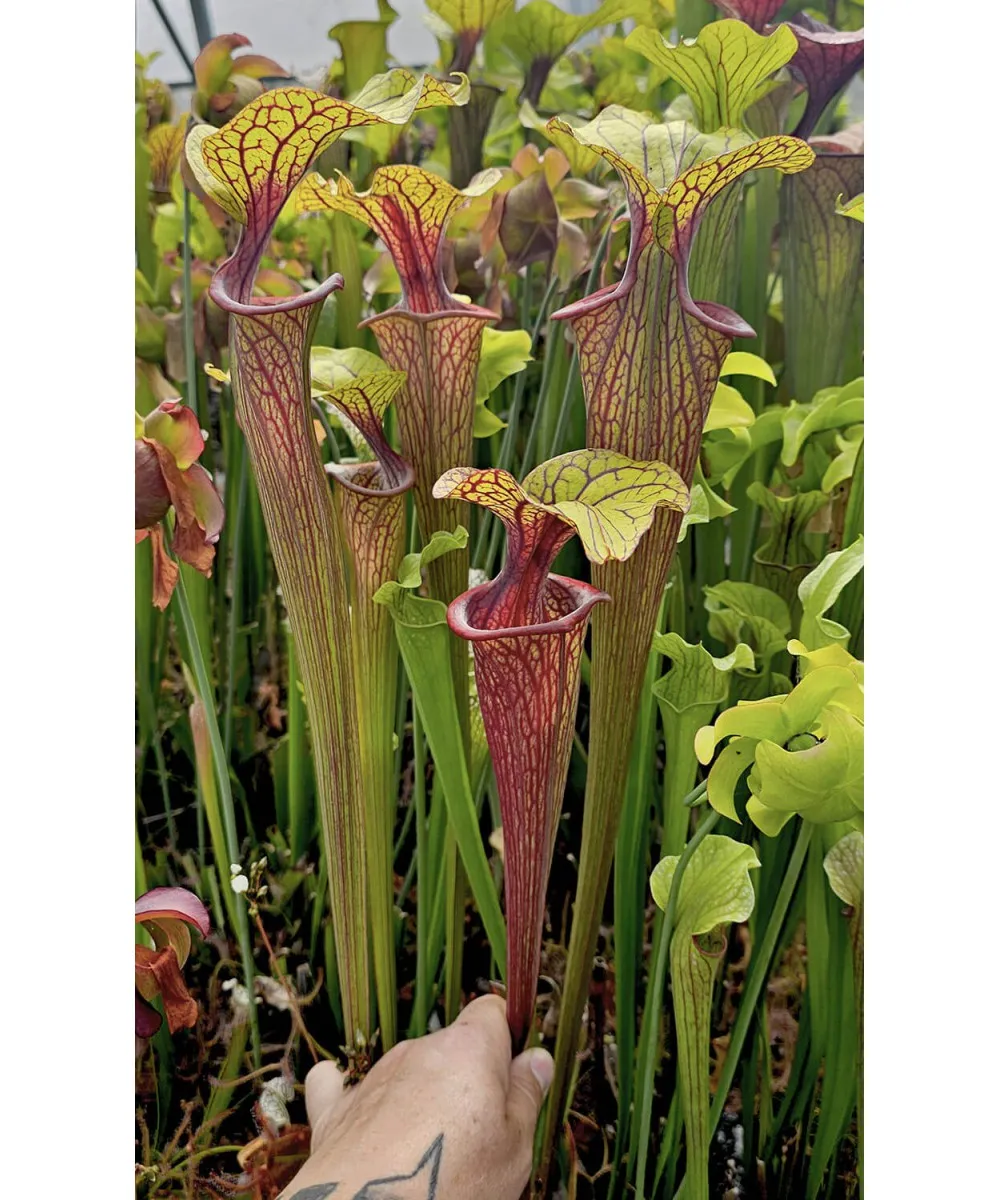
Photo of the mature mother plant: you receive a plant of the same clone, in the size you choose.

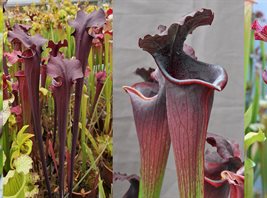
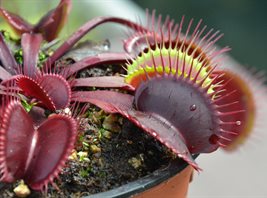
Photo of the mature mother plant: you receive a plant of the same clone, in the size you choose.
S.oreophila x S. flava var. rugelii cla

Delivery policy

Minimum order: €18
Sarracenia, or North American pitcher plants, are fascinating carnivorous plants, known for their upright, tube-shaped leaves (the pitchers) that attract and capture insects. They are remarkably easy to grow, provided you follow a few basic principles that reproduce their natural habitat.
Dormancy is the key to success when growing Sarracenia. Native to temperate climates, these plants need a winter rest period to survive in the long term.
*Period: From late autumn (usually November) to early spring (March).
*Conditions: Place the plant in a cool spot with temperatures between -15 and 10 °C. A cold greenhouse, an unheated conservatory or outdoors.
*Signs: The year's pitchers turn yellow and die. This is a normal and necessary process.
*Care: Reduce watering during this period, keeping the substrate just slightly moist. You can cut dead pitchers off at the base to prevent mould.
Important: never bring your plant indoors into a heated room in winter, as it will not go dormant and will exhaust itself, which can kill it within a few weeks.
Sun is the second pillar of growing Sarracenia. They are full-light plants.
*Ideal: 6 to 8 hours of full direct sun per day, preferably without shade.
*Location: Grow them outdoors on a balcony, a terrace, in a garden or in a greenhouse.
*Signs: Plants with good sun exposure develop bright, intense colours (red, purple) on their pitchers and grow vigorously. A plant lacking sun will be green and floppy and will not produce well-formed pitchers.
As with all carnivorous plants, watering is a science.
*Type of water: Use only soft water : rainwater, demineralised water or reverse osmosis water. Tap water is too hard and contains minerals that would burn the plant's roots.
*Method: The best way is to grow Sarracenia in a pot that constantly stands in a little water (tray or saucer method). The pot should sit in 2 to 3 cm of water at all times. The substrate must always stay moist.
*Note: During winter dormancy, lower the water level. The substrate should stay just moist.
The substrate must be acidic and poor in nutrients.
*Composition: A mix of two thirds sphagnum peat and one third perlite is the most commonly used mix.
*Avoid: Never use standard potting compost, garden soil, compost or any other fertilised substrate.
*When: Every 2 to 3 years, preferably in autumn/winter (November to February), or just before growth resumes in March.
*Method: Choose a slightly larger pot, gently remove the root ball, shake off the old substrate and repot with a fresh mix. It is also the ideal time to divide your plant if it has produced new shoots.
*How: You don't need to feed your Sarracenia! Outdoors, the plant will naturally catch enough insects to feed itself.
➜ Learn more about these species: Sarracenia oreophila and Sarracenia flava, in our encyclopedia
Data sheet
Carnivorous plant mix: blond peat (70%) and perlite (30%). For Venus flytraps, Sarracenia, temperate and tropical Drosera, and tropical bladderworts. 3 L bag.
These plants share its growing conditions: you can plant them in the same container or bog garden.
Dionaea "chinese dumpling", a carnivorous plant grown at the Cédric Carnivores nursery since 2012. Full sun: outdoors or behind a very bright window, at least 4 hours of direct sun.
Drosera x hybrida is part of our Temperate Drosera selection. It is a hardy full-sun sundew that spends the winter outdoors as a hibernaculum.
Three vigorous hybrid Sarracenia, including a Cédric Carnivores creation: enough to start a collection in the garden. Full sun, rainwater or demineralised water, and winter outdoors in the cold.
This plant is a cross between S.oreophila and S. flava var. atropurpurea. It is a hardy outdoor carnivorous plant: full sun, feet in rainwater and a cold winter rest.
This plant is a cross between Sarracenia (leucophylla x flava var. ornata) and Adrian Slack clone B Miroslav Srba H19B. It is a hardy outdoor carnivorous plant: full sun, feet in rainwater and a cold winter rest.
S. x `Mercury’ Sarracenia Nurseries, Chris Crowe, (H60,MK) is part of our Sarracenia hybrids selection. It is a hardy outdoor carnivorous plant: full sun, feet in rainwater and a cold winter rest.
This plant is a cross between S. leucophylla and oreophila. It is a hardy outdoor carnivorous plant: full sun, feet in rainwater and a cold winter rest.
A question about this product or how to grow it? Ask it: the nursery answers, and the answer helps other growers too.
No questions yet: be the first to ask one!
Do you have this plant?
Share a photo of it from your My collection page: it will join our customers’ gallery.
S.oreophila x S. flava var. rugelii cla


